
The allure of the piano, with its 88 keys promising a universe of melodies, has captivated musicians and music lovers for centuries. However, the physical limitations of owning and maintaining a piano, coupled with the time and dedication required for formal lessons, have often presented significant barriers to entry. The advent of mobile technology, however, has democratized music education and entertainment, bringing the magic of the piano to fingertips worldwide through innovative apps. These applications offer a compelling alternative, providing accessible and engaging ways to learn, play, and enjoy the piano without the traditional constraints. This exploration delves into the world of piano keyboard apps, focusing on their features, benefits, and the transformative impact they’ve had on music education and accessibility.
The Rise of Interactive Piano Apps: Accessibility and Affordability Redefined
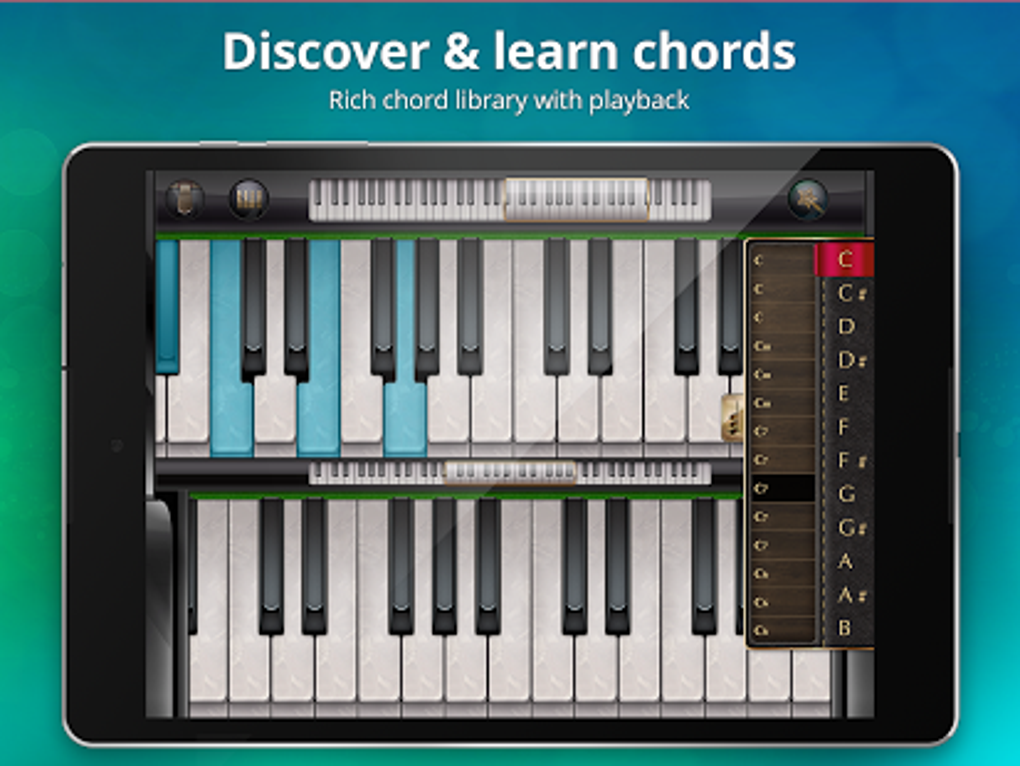
For generations, learning piano meant investing in a costly instrument, securing regular lessons with a qualified teacher, and dedicating considerable time and effort to practice. This often created a significant barrier to entry, preventing many aspiring musicians from pursuing their passion. The emergence of sophisticated piano apps on smartphones and tablets has revolutionized this landscape. These apps offer an unparalleled level of accessibility and affordability, making piano education and enjoyment available to a far wider audience.
The key advantage lies in their accessibility. Unlike a physical piano, a piano app requires minimal upfront investment. The only requirement is a smartphone or tablet, effectively placing the power of a musical instrument into the hands of anyone with a mobile device. This dramatically lowers the financial barrier, opening up the world of music to individuals who may not have the resources to purchase a traditional piano. Furthermore, many apps offer free versions or freemium models, allowing users to explore the app’s features before committing to a paid subscription. This risk-free exploration encourages experimentation and allows individuals to gauge their interest before investing further.
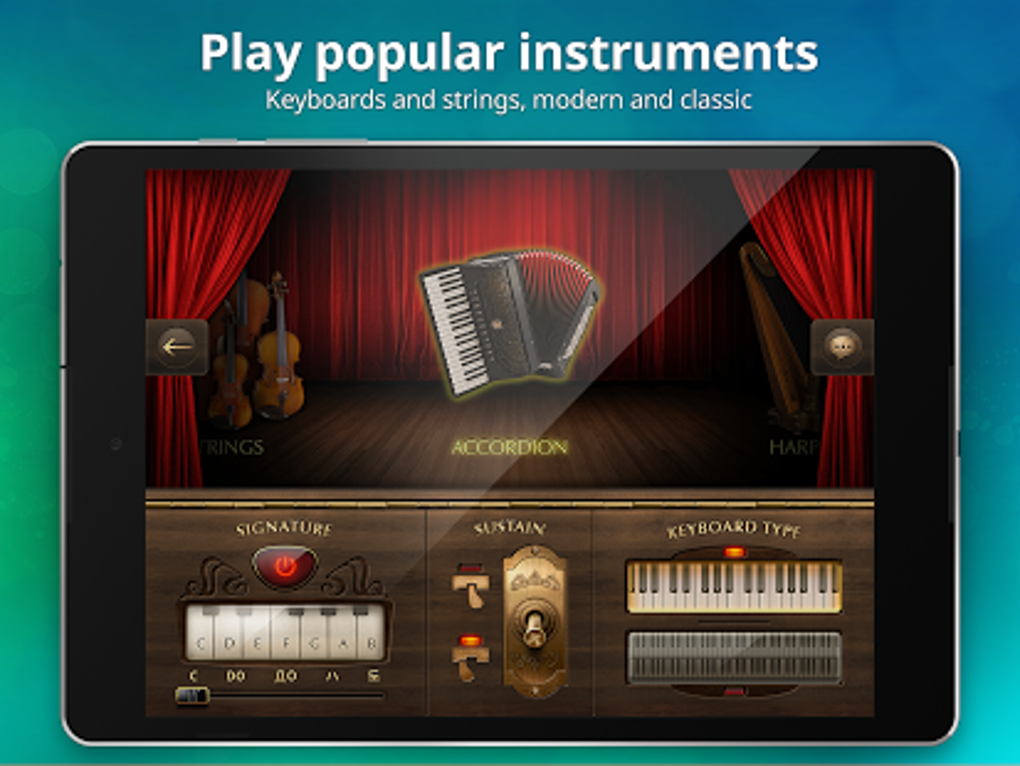
Beyond affordability, the convenience factor is undeniable. Piano apps can be accessed anytime, anywhere, eliminating the need for scheduled lessons or dedicated practice spaces. This flexibility is particularly beneficial for busy individuals or those with limited mobility. The portability of these apps allows for practice on the go, transforming commutes or downtime into opportunities for musical development.
Features and Functionality: Beyond Simple Note Playback
Modern piano apps go far beyond simple note playback. They incorporate a rich array of features designed to enhance the learning experience and cater to users of all skill levels. Many apps provide interactive tutorials, guiding beginners through fundamental concepts such as chords, scales, and rhythm. These lessons often incorporate visual aids, making complex musical theories easier to grasp. Furthermore, apps frequently include a variety of learning modes, offering personalized learning paths tailored to individual needs and progress.
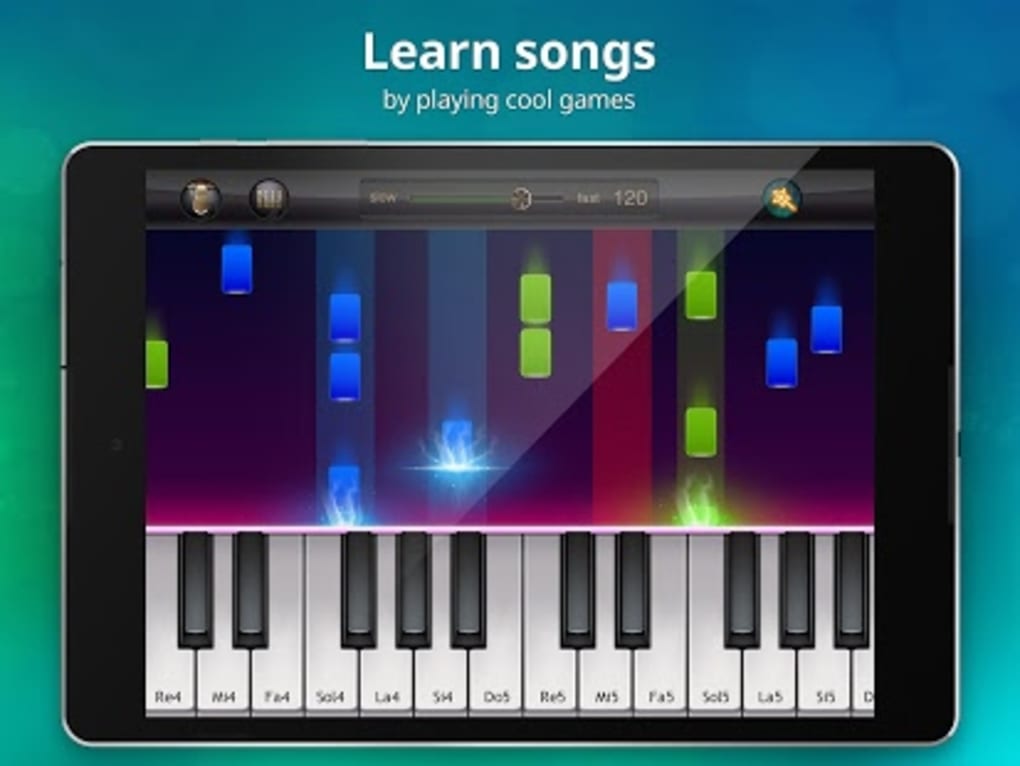
Gamification is another prevalent feature, incorporating game-like elements to make learning more engaging and rewarding. Progress bars, points systems, and challenges incentivize consistent practice and motivate learners to master new skills. This gamified approach is particularly effective for younger learners who respond well to interactive and rewarding experiences.
Advanced features often include MIDI support, enabling connectivity with external MIDI keyboards for a more authentic playing experience. This integration allows users to utilize a physical keyboard for improved accuracy and tactile feedback, bridging the gap between digital and traditional piano playing. Some apps even incorporate features for composing and recording music, enabling users to create and share their own musical compositions.
Learning to Play: A Range of Teaching Methods
The pedagogical approaches employed in piano apps vary considerably, catering to diverse learning styles and preferences. Some apps emphasize a structured, step-by-step approach, guiding users through a progressive curriculum. This method is ideal for beginners who require a clear and concise learning path. Other apps adopt a more exploratory approach, encouraging users to experiment with different musical concepts and develop their own techniques. This method can be particularly beneficial for more creative and independent learners.
Regardless of the teaching method, the best piano apps provide regular feedback and assess user progress. This constant evaluation ensures that users are learning effectively and identify areas requiring further attention. Many apps also incorporate adaptive learning algorithms, adjusting the difficulty level based on the user’s performance and progress. This dynamic adjustment ensures that learners are constantly challenged, preventing boredom and encouraging continued engagement.
Several apps integrate popular songs into their curriculum. Learning to play familiar tunes can be a highly motivating factor, providing a tangible sense of accomplishment and a rewarding experience for learners. The inclusion of diverse musical genres also broadens the appeal, catering to diverse musical tastes and encouraging exploration of different styles.
Beyond Education: Performance and Composition Tools
Piano apps also serve a valuable function beyond music education. They provide a platform for performance and composition, enabling users to explore their musical creativity and share their work with others. Many apps allow users to record their performances, creating a digital archive of their progress and providing a means of self-assessment. The ability to record also allows users to share their music with friends, family, and online communities, fostering a sense of connection and creative expression.
Furthermore, some advanced apps offer powerful composition tools, enabling users to create and edit their own original music. These tools often include virtual instruments, effects, and mixing capabilities, providing a comprehensive environment for musical creation. This feature opens up a world of creative possibilities, enabling users to experiment with different sounds and styles and realize their musical visions. The ability to seamlessly share compositions via social media platforms further enhances the creative potential of these apps.
In conclusion, piano keyboard apps represent a significant leap forward in music education and accessibility. They leverage technology to overcome traditional barriers, offering engaging and affordable ways to learn, play, and create music. With their diverse features, adaptable learning methods, and powerful creative tools, these apps are transforming the way people interact with and experience the piano, unlocking musical potential for a wider audience than ever before. They represent a potent testament to the transformative power of technology in democratizing access to the arts and fostering creativity on a global scale.
File Information
- License: “Free”
- Latest update: “July 12, 2024”
- Platform: “Android”
- OS: “Android 13.0”
- Language: “English”
- Downloads: “9.4K”
- Download Options: “Google Play”


