
In the vast and ever-evolving landscape of digital entertainment, certain games emerge that capture the collective imagination with their elegant simplicity and addictive nature. Among these, Piano Tiles 1 carved out a significant niche, offering players a unique opportunity to immerse themselves in the world of music creation without needing years of traditional practice. This game, designed for desktop and laptop computers, transformed the mundane act of tapping a screen or clicking a mouse into a captivating performance, turning ordinary gamers into virtual pianists with an orchestra of popular tunes at their fingertips.
At its core, Piano Tiles 1 is a rhythm-based challenge that marries the dexterity of gaming with the universal appeal of music. It doesn’t ask you to understand sheet music or master complex chords; instead, it simplifies the art of piano playing to a single, intuitive action: tapping black tiles while strategically avoiding all others. As these black tiles scroll rapidly up the screen, each successful tap contributes a note to a melody, gradually building into a complete, recognizable song. This deceptively straightforward objective is precisely what makes Piano Tiles 1 so easy to pick up, yet incredibly difficult to master, creating an endless loop of engagement for players striving for perfection and high scores.
The game’s design philosophy hinges on accessibility. Anyone, regardless of their musical background or gaming prowess, can understand the premise within moments. However, as the musical pieces grow in complexity and tempo, the challenge escalates dramatically, demanding increasingly quick reflexes, unwavering focus, and impeccable timing. This dynamic difficulty curve ensures that Piano Tiles 1 remains fresh and engaging, rewarding persistence and sharpening cognitive skills with every session. It’s a testament to how well a simple concept can be executed to deliver a profound and lasting gaming experience, bridging the gap between casual entertainment and a genuine sense of musical accomplishment.
The Allure of Virtual Pianism: Tapping Your Way to Musical Mastery
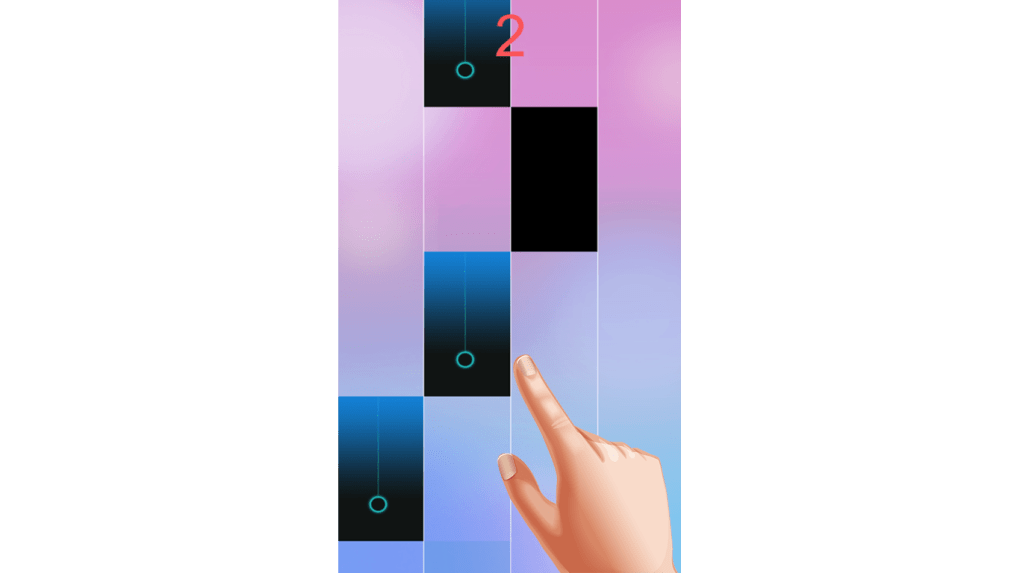
The concept behind Piano Tiles 1 is ingeniously simple, yet profound in its effect. Imagine a game that allows you to “play” the piano and create beautiful, recognizable melodies, all without ever touching a physical instrument. This is the promise that Piano Tiles 1 delivers, transforming your computer screen into a dynamic, interactive keyboard. For many, the dream of playing the piano remains just that – a dream, often thwarted by the prohibitive cost of lessons, the time commitment, or the perceived difficulty of learning an instrument. Piano Tiles 1 bypasses these barriers entirely, offering an immediate and satisfying route to musical engagement.
The game invites players into a world where their gaming skills directly translate into musical prowess. Instead of navigating intricate fictional landscapes or engaging in strategic warfare, players are tasked with a different kind of challenge: keeping pace with a relentless stream of musical notes. The screen becomes a conduit for rhythm, with black tiles representing the notes that must be played and the white areas representing silence or mistakes. It’s a visual representation of a musical score, simplified and gamified for mass appeal.
What truly distinguishes Piano Tiles 1 is its ability to evoke the feeling of playing a real instrument. While the interaction is purely digital, the sensation of contributing to a harmonious melody through precise, timed taps is incredibly gratifying. Each successful tap produces a clear, distinct note, building upon the previous ones to form a complete piece. This immediate auditory feedback loop is crucial to the game’s allure, providing instant gratification and reinforcing the player’s sense of accomplishment. The popular music featured within the game further enhances this experience, allowing players to recreate beloved tunes and connect with the music on a more personal level. It’s more than just a game; it’s a performance, a digital concert where the player is both the conductor and the orchestra.
Unpacking the Gameplay: Simplicity Meets Challenge
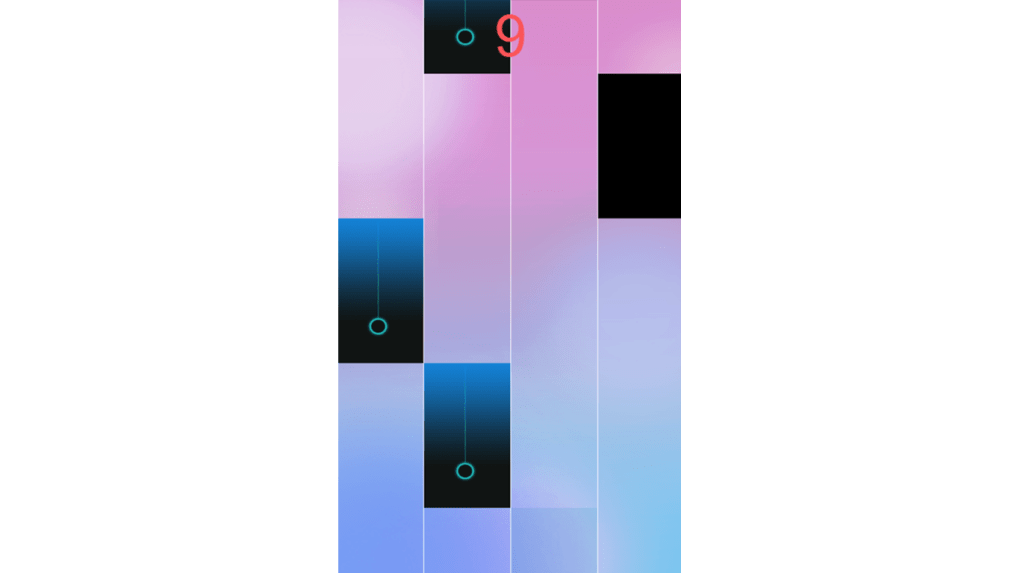
The fundamental brilliance of Piano Tiles 1 lies in its delicate balance between stark simplicity and an escalating challenge. It’s a design principle that has propelled many legendary games to success, and Piano Tiles 1 executes it with finesse, delivering an experience that is both accessible to newcomers and relentlessly demanding for veterans. The visual design is minimalist, focusing entirely on the gameplay elements, stripping away distractions to allow for absolute concentration on the task at hand.
The Core Mechanic: Black Tiles Only
The objective of Piano Tiles 1 is distilled to its absolute essence: “Tap the black tiles and avoid the rest to complete the song and rack up your high score.” This seemingly straightforward directive forms the bedrock of the entire experience. As a song begins, a stream of black and white tiles descends or ascends your screen. The player’s task is to accurately tap only the black tiles as they pass a designated line, while meticulously avoiding any contact with the white tiles. A tap on a black tile registers as a successful note, advancing the melody and adding to the score. A tap on a white tile, however, or a missed black tile, results in an immediate game over, reinforcing the need for absolute precision and vigilance.
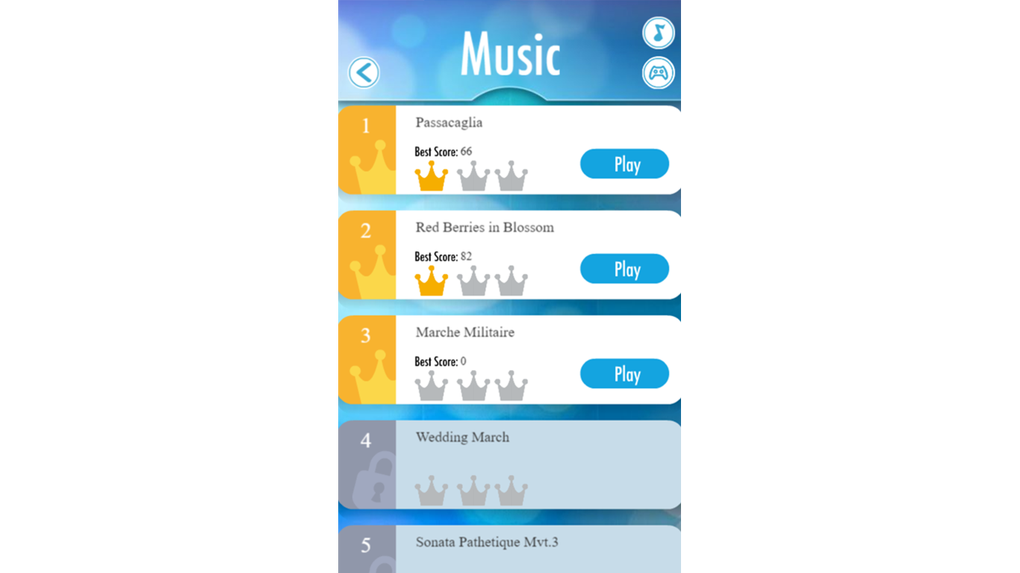
The difficulty curve is organically integrated into the game’s progression. Initially, the tiles move at a leisurely pace, allowing players to acclimate to the rhythm and timing. As the song progresses, or as players advance through different musical pieces, the speed of the scrolling tiles dramatically increases. What began as a gentle rhythm quickly transforms into a frantic cascade, demanding lightning-fast reflexes and an almost anticipatory understanding of the upcoming pattern. This increasing tempo is where the true challenge of Piano Tiles 1 reveals itself, separating casual players from those dedicated to mastering its intricate dance.
Moreover, the patterns of the black tiles become more complex. Instead of single taps, players might encounter sequences requiring multiple taps in quick succession, or patterns that span across different “lanes,” forcing rapid hand or finger movements. The cognitive load increases as players must not only react quickly but also recognize and interpret these increasingly elaborate visual cues on the fly. This sophisticated interplay of speed, precision, and pattern recognition is what makes Piano Tiles 1 such a compelling and enduring game. It’s a constant test of hand-eye coordination and mental agility, disguised beneath a delightful musical facade.
A Modern Rhythm Game Sensation
Piano Tiles 1 didn’t invent the rhythm game genre, but it certainly modernized it for a new generation and a new platform. Before Piano Tiles, games like Guitar Hero and Dance Dance Revolution had already demonstrated the immense appeal of interactive music experiences. These games allowed players to simulate playing instruments or dancing by matching on-screen prompts with physical actions. Piano Tiles 1 took this concept and distilled it, simplifying the interface and making it perfectly suited for touchscreens and mouse input, which were becoming ubiquitous with the rise of smartphones and casual PC gaming.
Like its predecessors, Piano Tiles 1 offers the profound satisfaction of creating beautiful music without the rigorous demands of actual musical training. Players don’t need to read music, understand scales, or even know the difference between a treble clef and a bass clef. All they need is a keen eye, quick fingers, and a sense of rhythm. The game intelligently handles the musical theory, presenting the player with only the actionable inputs. This accessibility is a massive draw, opening up the world of musical performance to anyone who enjoys a good challenge and good tunes.
The experience of playing Piano Tiles 1 is akin to conducting a digital orchestra. Each tap is a precise strike of a key, contributing to a harmonious whole. The game fosters a sense of flow, where players enter a highly focused state, responding instinctively to the visual and auditory cues. When a player successfully navigates a particularly fast or complex passage, the resulting flawless rendition of the music provides a powerful rush of achievement. It transforms the act of playing a game into an artistic endeavor, where success is not just about points, but about the creation of a perfect musical moment. This blend of gaming challenge and artistic expression firmly cements Piano Tiles 1’s place as a memorable and impactful rhythm game sensation.
Accessibility and User Experience
The widespread success of Piano Tiles 1 can largely be attributed to its unwavering commitment to user accessibility. From its intuitive controls to its clean, no-frills design, the game prioritizes ease of entry, ensuring that virtually anyone can pick it up and start playing within moments. This low barrier to entry is a significant factor in its broad appeal, attracting both seasoned gamers and individuals who might not typically engage with video games.
Effortless Controls for Instant Engagement
If you’ve never encountered Piano Tiles 1 before, the learning curve is practically non-existent. The game simplifies interaction to its most fundamental form: tapping. On a desktop or laptop, this translates to clicking with your mouse or, if you have a touchscreen, directly tapping the black tiles with your finger. There are no complex button combinations to memorize, no intricate joystick movements to master, and no convoluted tutorials to sit through. The instruction is clear: see a black tile, tap it. This simplicity is a stroke of genius, allowing players to immediately grasp the mechanics and dive straight into the musical action.
This effortless control scheme plays a crucial role in player retention and the game’s addictive quality. Within seconds, new players can understand the rules, experience the thrill of contributing to a song, and witness the immediate feedback of their actions. This instant gratification loop is incredibly powerful, encouraging players to continue practicing, to improve their timing, and to chase higher scores. The game doesn’t demand hours of dedicated practice to feel competent; rather, competence grows organically with each song played, making the learning process an enjoyable part of the gameplay itself. This focus on intuitive design makes Piano Tiles 1 a perfect example of how streamlined user experience can lead to massive engagement in the casual gaming market.
The Double-Edged Sword: Pros and Cons
Like any digital product, Piano Tiles 1 comes with its own set of advantages and disadvantages, which significantly shape the user experience. Understanding these points helps in appreciating the game’s design choices and its standing among its peers.
Pros:
- Easy Controls: As extensively discussed, the straightforward tapping mechanic is perhaps the game’s greatest strength. It democratizes the rhythm game genre, making it accessible to a wide audience and removing the frustration often associated with learning complex control schemes. This ease of use fosters immediate engagement and reduces the initial friction for new players.
- Simple Design: The minimalist aesthetic of Piano Tiles 1 is intentional and highly effective. By focusing solely on the black and white tiles, the game eliminates visual clutter, allowing players to concentrate entirely on the rapidly moving notes. This clean interface is not only visually appealing but also functionally superior for a game that demands high levels of focus and quick reactions. It avoids distracting animations or elaborate backgrounds, ensuring that the critical gameplay elements are always front and center.
Cons:
- Ads in the Middle of the Screen: A common characteristic of many free-to-play games, the inclusion of advertisements can be a significant drawback. Interruptions for ads, especially during or immediately after a game session, can break the flow and diminish the immersive experience. While a necessary evil for many developers relying on ad revenue, it can be a source of frustration for players seeking an uninterrupted musical journey. The placement “in the middle of the screen” suggests a potentially intrusive implementation that could negatively impact enjoyment.
- Not the Official Piano Tiles Game: This is a crucial distinction that points to the fragmented nature of popular mobile game titles appearing on other platforms. The original Piano Tiles (often referred to as Don’t Tap the White Tile) found immense success on mobile devices. When versions like Piano Tiles 1 for Windows emerge, they may be developed by different studios (in this case, “BIG WIN Studio” as opposed to the original “Hu Wen Zeng”). This unofficial status can have several implications:
- Quality Variation: The unofficial version might not possess the same level of polish, bug-free performance, or feature set as the original.
- Content Library: The selection of songs might differ, or updates to the song library might not be as frequent or robust.
- Monetization Practices: Advertising strategies or in-app purchase models (if any) could vary.
- Security Concerns: While PhanMemFree strives for a “clean” catalog, unofficial versions from less reputable sources could potentially carry bundled unwanted software or security risks, though PhanMemFree’s scanning process mitigates this risk for downloads from their platform. For Piano Tiles 1 from BIG WIN Studio, PhanMemFree indicates it’s “clean.”
The “unofficial” tag suggests that players might be getting a different experience than what they expect if they are familiar with the original mobile phenomenon. While still enjoyable, it highlights the importance of managing expectations when downloading adaptations or similar titles.
Beyond the Original: Availability and Alternatives
The digital landscape for games and software is dynamic, with titles constantly being introduced, updated, and sometimes, unfortunately, discontinued. Piano Tiles 1 for Windows, as offered on PhanMemFree.org, exemplifies this transient nature, prompting users to consider its current status and explore other options within the vibrant rhythm game genre.
The Evolving Landscape of Digital Distribution
As per the information provided on PhanMemFree.org, Piano Tiles 1 for Windows is “no longer available.” This message indicates that the download has been removed, potentially “due to the program being discontinued, having a security issue or for some other reason.” This status is common for older software titles, especially those that might have been adaptations or early iterations of a popular concept.
The fact that it’s no longer available for download doesn’t diminish its historical significance or the enjoyment it once provided to its user base. It does, however, underscore the importance of ongoing support and development in the digital age. Software, unlike a physical product, often requires continuous updates for compatibility with new operating systems (like Windows 10, for which this version was intended), security patches, and feature enhancements. When a developer or distributor ceases to provide this support, or if the program faces issues, it may be pulled from availability. PhanMemFree.org, with its commitment to a malware-free catalog, would understandably remove software if security concerns arose or if the program became obsolete.
Despite its unavailability on PhanMemFree.org, the legacy of Piano Tiles 1 persists, prompting many to seek out similar experiences. Its developer, BIG WIN Studio, might have moved on to other projects, or the focus shifted to mobile versions, which are often the primary platform for such casual, tap-based games. The lifespan of a desktop adaptation of a mobile hit can be shorter if the user base doesn’t justify continued development resources.
Exploring Other Musical Journeys
For those yearning to replicate the Piano Tiles 1 experience, the good news is that the genre is rich with alternatives. PhanMemFree.org itself suggests several other programs, though some are general utilities rather than direct game replacements. For instance, Skype, 3uTools, and ROBLOX are listed as “alternatives” in a broader context – perhaps as popular free software, but not as substitutes for a rhythm game. ROBLOX, while a platform for games, doesn’t directly offer the Piano Tiles 1 experience without specific user-created content.
However, a closer look at “Alternative apps” and “Related topics” on PhanMemFree.org reveals more direct musical game options:
- Free Virtual Piano: This is a direct software alternative, allowing users to “play the piano on your computer.” While it might lack the gamified rhythm challenge of Piano Tiles, it caters to the core desire of virtual piano playing, offering a free platform for musical exploration and practice. It’s ideal for those who want a more traditional, free-form piano experience.
- Piano Tiles 2018 Pro: As a paid alternative, this title explicitly aims to “Practice Your Speed-Tapping in Piano Tiles 2018 Pro.” This suggests a direct continuation or evolution of the Piano Tiles concept, likely offering updated songs, graphics, and potentially new gameplay modes. The “Pro” in its title might indicate a more polished experience, possibly free from ads, but at a cost.
- Piano Game Classic - Challenge Music Tiles: This free alternative directly challenges players’ skills in a “classic game of piano” and “music tiles.” This title very clearly positions itself as a successor or close competitor to the original Piano Tiles experience, focusing on the core challenge of tapping music tiles. It would likely offer a similar gameplay loop of increasing speed and complexity with various popular songs.
Beyond these specific suggestions, the broader landscape of music and rhythm games provides a wealth of choices. Mobile app stores are brimming with “Piano Tiles”-like games, many of which are free and frequently updated. These often feature an expanded song library, competitive leaderboards, and various game modes. PC gamers might also explore more elaborate rhythm games like osu!, Muse Dash, or even classic titles like Beat Saber for VR platforms, which offer different but equally engaging rhythmic challenges. The market for virtual instruments and music creation software is also vast, catering to those who wish to move beyond simple tapping to more complex musical composition. The essence of Piano Tiles 1 – making music accessible and fun – lives on in countless other titles, ensuring that aspiring virtual pianists will always find a platform for their rhythmic talents.
The Enduring Legacy and Broader Impact of Piano Tiles
The phenomenon of Piano Tiles, spearheaded by its inaugural version, transcended its initial purpose as a mere game to become a cultural touchstone in the mobile and casual gaming spheres. Its impact reverberated far beyond the screens of individual players, influencing game design, fostering new genres, and even contributing to cognitive skill development.
Piano Tiles 1 arrived at a pivotal time when mobile gaming was asserting its dominance and casual games were proving their immense market potential. Its simple mechanics and instant gratification made it an ideal fit for quick, on-the-go play sessions, fundamentally influencing how developers approached game design for touch-based interfaces. The game demonstrated that complex narratives and high-fidelity graphics weren’t always necessary for massive success; sometimes, a perfectly executed, elegant concept was enough to captivate millions. It cemented the rhythm-action genre’s place in the casual gaming market, showing that musical engagement could be a powerful driver for interactive entertainment.
Beyond its commercial and design influence, playing Piano Tiles 1 offered tangible benefits to its players. The game is a rigorous workout for hand-eye coordination, demanding precise movements in sync with visual cues. As tiles accelerate, players must process information rapidly and react with split-second timing, thereby improving their reaction time. Furthermore, the intense focus required to avoid mistakes and maintain rhythm sharpens concentration and attention span. In a world inundated with distractions, a game that actively trains focus can be a valuable tool, offering a form of mindful engagement that many seek.
The universal appeal of music is arguably the strongest pillar of Piano Tiles 1’s enduring legacy. Music crosses all cultural barriers, evoking emotions and memories that are deeply personal. Piano Tiles 1 tapped into this innate human connection to melody and rhythm, transforming it into an interactive experience. It allowed players to not just listen to music, but to actively participate in its creation, fostering a deeper appreciation for the intricacies of popular songs. For many, it served as an entry point into the world of musicality, sparking an interest that might lead to exploring actual instruments or delving into music theory.
In essence, Piano Tiles 1 wasn’t just a game; it was a testament to the power of simplicity, accessibility, and the timeless allure of music. It proved that gaming could be both entertaining and beneficial, a quick mental workout wrapped in a delightful musical package. Though specific versions like Piano Tiles 1 for Windows may no longer be actively distributed, the core concept lives on in countless iterations and inspired titles, ensuring that the rhythmic journey of tapping black tiles continues to resonate with players worldwide.
Conclusion
Piano Tiles 1, despite its current unavailability for download on platforms like PhanMemFree.org, remains an iconic title that significantly shaped the landscape of casual and rhythm gaming. Its genius lay in its distilled simplicity: a straightforward objective—tap the black tiles, avoid the white ones—that belied a progressively challenging and deeply satisfying gameplay experience. It masterfully leveraged popular music to draw players in, offering the unique joy of performing beloved melodies without the traditional hurdles of musical education.
The game’s success was built on its accessibility, boasting effortless controls that allowed players of all skill levels to jump in and immediately experience the thrill of contributing to a harmonious tune. This low barrier to entry, combined with a compelling difficulty curve that rewarded precision and quick reflexes, fostered an addictive loop of engagement. While it had its drawbacks, such as in-game advertisements and its status as an unofficial adaptation, these rarely overshadowed the core enjoyment derived from its elegant design.
Piano Tiles 1 effectively bridged the gap between gaming and musical expression, allowing players to refine their hand-eye coordination, reaction time, and focus in an entertaining manner. Its legacy continues through numerous spiritual successors and genre offshoots, proving that the desire to interact with music in a playful, challenging way is a powerful and enduring force. For those who sought a delightful escape into virtual pianism, Piano Tiles 1 delivered a memorable, rhythmic journey that, in many ways, defined an era of digital play. Even in its absence, the echoes of its black and white tiles continue to inspire a generation of musical gamers.
File Information
- License: “Free”
- Version: “varies-with-device”
- Latest update: “July 12, 2019”
- Platform: “Windows”
- OS: “Windows 10”
- Language: “English”
- Downloads: “8.9K”


