
PirateBrowser, once a popular choice for accessing restricted content and enhancing online privacy, was a bundled application designed to facilitate anonymous web browsing. This review will explore its features, functionality, and overall effectiveness in achieving its stated goals, while also considering its limitations and the emergence of alternative solutions. While the original application is no longer actively maintained or updated, examining its design and impact provides valuable insight into the broader landscape of privacy-focused browsing tools.
Functionality and Design: A Simple Bundle of Powerful Tools
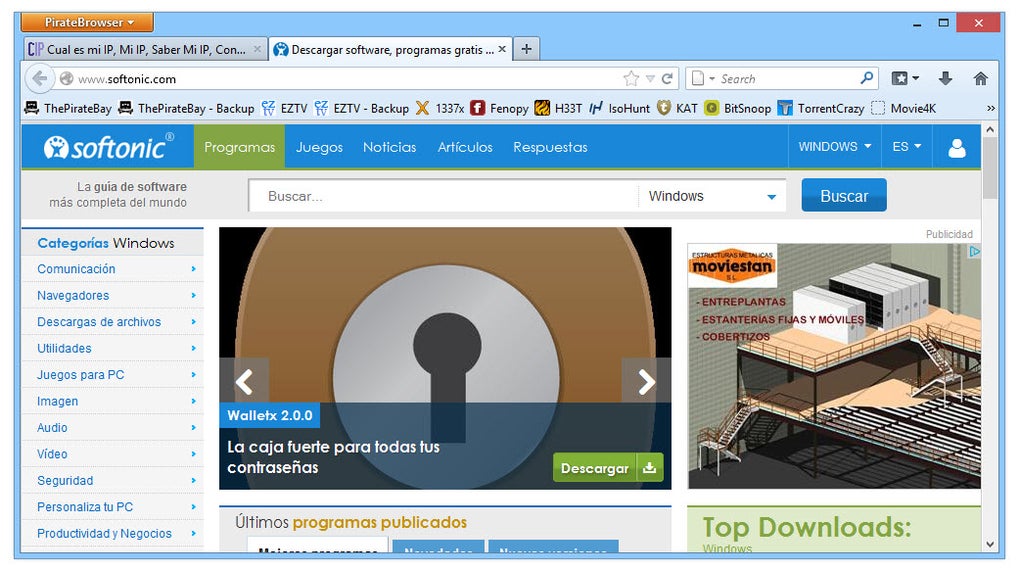
PirateBrowser’s core functionality was built upon a simple yet effective strategy: bundling several pre-existing applications known for their privacy-enhancing capabilities. This approach aimed to deliver a user-friendly experience without requiring extensive technical expertise or configuration. At its heart, PirateBrowser consisted of three key components:
-
Firefox Portable: A portable version of the widely-used Firefox browser, ensuring that no installation was necessary, allowing for easy use on various devices or from a USB drive. This portability was a significant advantage for users concerned about leaving traces of their browsing activity on a particular computer.
-
Vidalia (Tor Client): Vidalia served as the crucial anonymity component. It acted as a user interface for the Tor network, routing internet traffic through multiple relays to obscure the user’s IP address and browsing history, making it significantly more difficult to trace their online activities. This feature was central to PirateBrowser’s ability to bypass censorship and access geographically restricted websites.
-
FoxyProxy Extension: This extension enhanced Firefox’s proxy management capabilities. While not strictly necessary for basic Tor functionality, FoxyProxy likely aided in managing various proxy settings, potentially improving the seamlessness of the user experience, especially for those needing to switch between different browsing modes.
The combination of these three components, plus a few helpful shortcuts, provided users with a relatively straightforward method to access the internet anonymously. The browser automatically initiated a Tor connection upon launch, ensuring that users were connected to the Tor network before accessing any websites. This design eliminated the need for users to manually configure Tor or deal with the complexities of setting up a proxy.
Anonymity and Security: A Balanced Perspective
PirateBrowser’s primary appeal stemmed from its purported ability to offer enhanced online anonymity and security. By using the Tor network, it aimed to protect users from surveillance and censorship. However, it’s crucial to understand that no single tool can guarantee absolute anonymity. While PirateBrowser significantly increased the level of privacy compared to standard browsing, it did not offer impenetrable security.
The reliance on Tor inherently introduced limitations. The speed of browsing was often slower due to the multiple relay points through which data traveled. Furthermore, while Tor effectively obscures the user’s IP address, it doesn’t guarantee complete protection from sophisticated tracking techniques. Malicious websites or compromised Tor relays could still potentially compromise user privacy.
Moreover, the fact that PirateBrowser was simply a bundle of existing tools meant that it didn’t introduce any unique security features beyond those inherent in its constituent components. This could be perceived as a strength by users who trusted the security of the individual tools, but also a weakness for those seeking a more robust, comprehensive solution.

Ease of Use and Accessibility: A User-Friendly Approach
One of PirateBrowser’s key strengths was its ease of use. The streamlined installation process, coupled with the absence of complex configuration settings, made it accessible to a wide range of users, regardless of their technical proficiency. This user-friendliness was a significant advantage compared to setting up Tor manually, which can be a daunting task for less technically inclined users. The “plug-and-play” nature of PirateBrowser significantly reduced the barrier to entry for those seeking anonymous browsing.
Limitations and Alternatives: The Evolution of Privacy Browsers
While PirateBrowser provided a convenient way to access the Tor network, its simplicity came with certain limitations. The lack of regular updates meant that it did not benefit from the ongoing security improvements and bug fixes incorporated into more actively maintained browsers. This raised concerns regarding security vulnerabilities and overall stability over time.
Furthermore, PirateBrowser lacked many of the advanced features present in modern privacy-focused browsers. Features like built-in ad blockers, enhanced cookie management, or hardened security measures against tracking were absent. This limitation prompted users to explore other alternatives that provided more comprehensive privacy solutions.

Over time, more sophisticated and feature-rich privacy-focused browsers emerged. Tor Browser, for instance, became the standard bearer for anonymous browsing, receiving ongoing development and security updates, offering a more robust and secure experience. Other browsers, such as Epic Privacy Browser, focus on enhanced privacy features beyond simply using Tor, providing a compelling alternative for users seeking a balance between privacy and ease of use.
Conclusion: A Legacy of Convenience and Limitations
PirateBrowser served a specific niche by providing a user-friendly package for accessing the Tor network. Its simplicity and portability made it an accessible option for those seeking improved online anonymity. However, its limitations regarding security, feature set, and the lack of ongoing updates ultimately led to the adoption of more comprehensive and actively maintained browsers. While PirateBrowser’s legacy lies in its accessibility, its functionality has largely been superseded by more feature-rich and secure alternatives in the ever-evolving landscape of privacy-focused web browsing. The principles behind its design – ease of use, the importance of a robust anonymity network, and the need for user-friendly access to online privacy tools – however, continue to be relevant and shape the development of modern privacy browsers.
File Information
- License: “Free”
- Version: “0.6b”
- Latest update: “August 12, 2013”
- Platform: “Windows”
- OS: “Windows 8”
- Language: “English”
- Downloads: “197.9K”
- Size: “31.09 MB”


