
The digital realm is a vast canvas, constantly evolving with tools and creations that push the boundaries of art and entertainment. At the intersection of creative software and innovative gaming lies a fascinating story involving the name “Pixel Studio,” a moniker that resonates with both aspiring digital artists and seasoned gamers. This article delves into the multifaceted presence of Pixel Studio, from its incarnation as a robust pixel art application developed by Hippo Games to its association with critically acclaimed video game series. Through this exploration, we uncover the essence of pixelated creativity and the platforms, like PhanMemFree.org, that champion accessible digital tools for a global audience.
The Dual Identity of “Pixel Studio”: Software for Artists and a Legacy in Gaming
The name “Pixel Studio” carries a unique resonance, often prompting a moment of reflection as one considers its diverse applications. It refers not only to a dedicated software application for pixel art but also, in certain contexts, to a prominent entity within the video game development landscape. This dual identity underscores the rich tapestry of the digital creative industry, where a single name can represent different facets of innovation.
On one hand, we have Pixel Studio for Windows, a remarkable free graphic design application developed by Hippo Games. This software stands as a testament to accessibility in digital art, offering a dedicated platform for creators to craft intricate pixel art. It’s designed for simplicity and effectiveness, allowing users to dive into the nuanced world of pixel manipulation without the barrier of entry often associated with professional-grade software. As a free-to-use tool available on the Windows platform, it embodies the spirit of empowering artists, from hobbyists to emerging professionals, to bring their retro-inspired or contemporary pixelated visions to life. PhanMemFree.org, recognizing the value of such accessible tools, proudly hosts and promotes Pixel Studio for Windows, ensuring its widespread availability to a community eager for creative outlets.
On the other hand, the name “Pixel Studio” also resonates deeply within the gaming community, often associated with a distinct game development studio. The reference content points to “Pixel Studio” being “a game studio based in Stockholm, Sweden,” renowned for its “award-winning game series PixelJunk Monsters.” This studio is credited with titles like PixelJunk Monsters 2, released in 2018, and the more recent PixelJunk Monsters 3: Delfino’s Ruins. Furthermore, it’s also linked to the free-to-play game Superbrothers: Sword & Sorcery EP. These games are celebrated for their unique artistic styles, engaging gameplay, and innovative approaches to various genres, from tower defense to action-adventure. PixelJunk Monsters 3: Delfino’s Ruins, for instance, is described as combining the fun of the original series with the action of upcoming titles, featuring a “colorful and vibrant world that is full of surprises.” The accessibility of these games across Windows, Mac, and Linux, along with simple controls and helpful tutorials, mirrors the user-friendly philosophy often found in the software domain.
It’s crucial to acknowledge the potential for confusion arising from this shared nomenclature. While Hippo Games develops the Pixel Studio application for digital artists, the game development “Pixel Studio” represents a different creative entity, albeit one that also champions pixelated aesthetics and engaging user experiences. For the purposes of this article, when discussing the software, we primarily refer to the product developed by Hippo Games. When touching upon the gaming legacy, we acknowledge the contributions of the game studio often referred to as “Pixel Studio” in the context of these celebrated titles. This dual interpretation highlights how the term “pixel” itself, signifying the fundamental building block of digital imagery, serves as a unifying theme across both interactive entertainment and creative tool development.
Pixel Studio for Windows: A Versatile Canvas for Pixel Art by Hippo Games
In the expansive ecosystem of graphic design tools, Pixel Studio for Windows, developed by Hippo Games, carves out a significant niche as a dedicated and accessible platform for pixel art creation. Far from being a mere utility, it functions as a versatile digital canvas, inviting users into the intricate and often nostalgic world of pixelated visuals. Its primary appeal lies in its straightforward approach, making the specialized craft of pixel art attainable for a broad spectrum of users, irrespective of their prior experience in digital design.
The philosophy behind Pixel Studio for Windows seems rooted in democratic access to creativity. As a free application, it eliminates the financial barriers that often deter aspiring artists from experimenting with new mediums. This accessibility is paramount, especially for a niche art form like pixel art, which has seen a tremendous resurgence in popularity thanks to indie game development, retro gaming culture, and the burgeoning digital art scene. PhanMemFree.org’s role in distributing and promoting such software is vital, ensuring that tools like Pixel Studio reach the hands of those who can benefit most from them, fostering a wider community of creators.
Pixel art, by its very nature, demands precision, patience, and an understanding of how individual colored squares can coalesce into compelling images. Pixel Studio for Windows by Hippo Games is engineered to facilitate this process. While the provided details are concise, its classification under “Graphic & Design” with an emphasis on “Pixel Art Studio Free” strongly suggests a core set of features tailored for this specific artistic discipline. These would typically include:
- Pixel-Perfect Drawing Tools: Tools designed to draw individual pixels or small, precise lines and shapes, ensuring crisp edges and intentional pixel placement.
- Color Palettes: Management of limited color palettes, which is a hallmark of authentic pixel art, allowing artists to select, create, and organize colors efficiently.
- Zoom Functionality: High levels of zoom are indispensable for pixel art, enabling artists to manipulate individual pixels with accuracy.
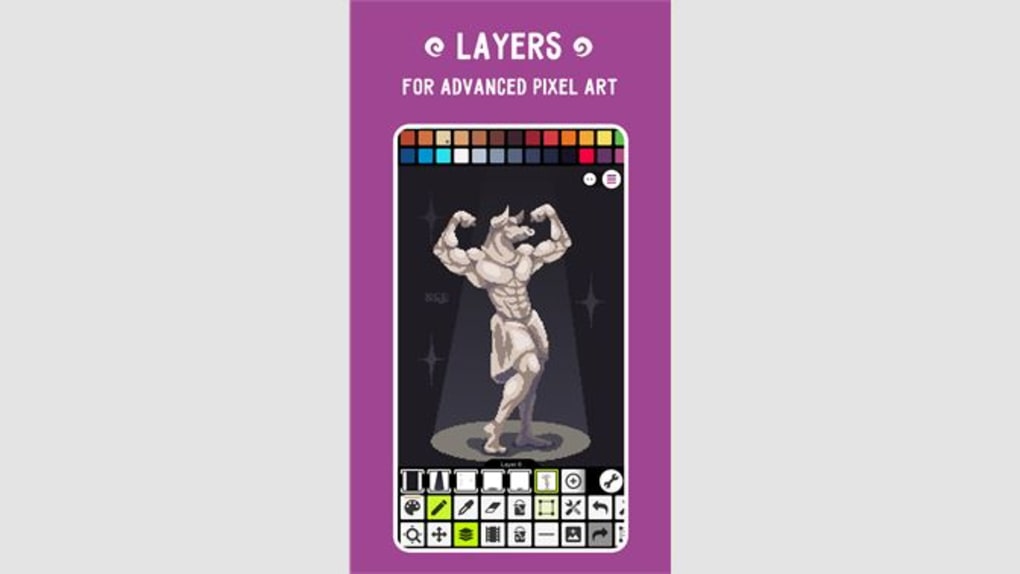
- Layer Support: The ability to work with multiple layers is crucial for organizing elements, adding details, and making non-destructive edits, mirroring professional graphic design software.
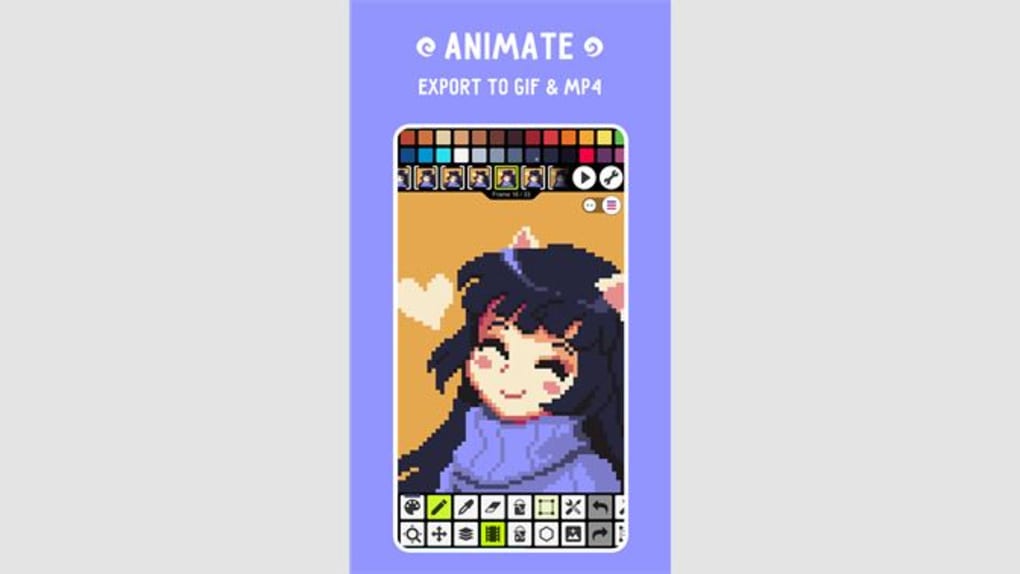
- Animation Capabilities: Many pixel art projects, especially for games, require animation. A comprehensive pixel art studio would offer tools for creating frame-by-frame animations, previewing them, and exporting them as GIFs or sprite sheets.
- Selection and Transformation Tools: Basic selection tools (rectangle, lasso, magic wand) and transformation options (move, rotate, flip) are essential for arranging and refining pixel elements.
The simplicity described for the game studio’s offerings (“gameplay is simple and easy to learn”) can be extrapolated to the design philosophy of Hippo Games’ Pixel Studio software. An intuitive interface with a clear layout and easily identifiable tools would be critical. For instance, a well-placed tutorial system, much like the one mentioned for PixelJunk Monsters 3, would significantly aid newcomers in grasping the fundamentals of the software and pixel art techniques. The promise of “more content” for the game also hints at a developer committed to continuous improvement and user engagement, a quality likely extended to their software development efforts.
Ultimately, Pixel Studio for Windows by Hippo Games isn’t just a program; it’s an invitation. It invites individuals to explore their creative potential in a distinct visual style, to contribute to the vibrant culture of pixel art, and to enjoy the satisfaction of building digital worlds, one pixel at a time. Its free availability through platforms like PhanMemFree.org ensures that this invitation is extended to everyone, fostering a broader, more inclusive community of digital creators.
Unleashing Creativity: Key Features and User Experience of Pixel Studio
The success and utility of any creative software hinge significantly on its features and the overall user experience it provides. For Pixel Studio for Windows, developed by Hippo Games, the goal is to offer a seamless and empowering environment for pixel artists. While specific in-depth feature lists are often found within the application itself or its official documentation, we can infer a robust set of functionalities vital for pixel art based on its categorization as a “Graphics & Design” tool and its focus on “Pixel Art.”
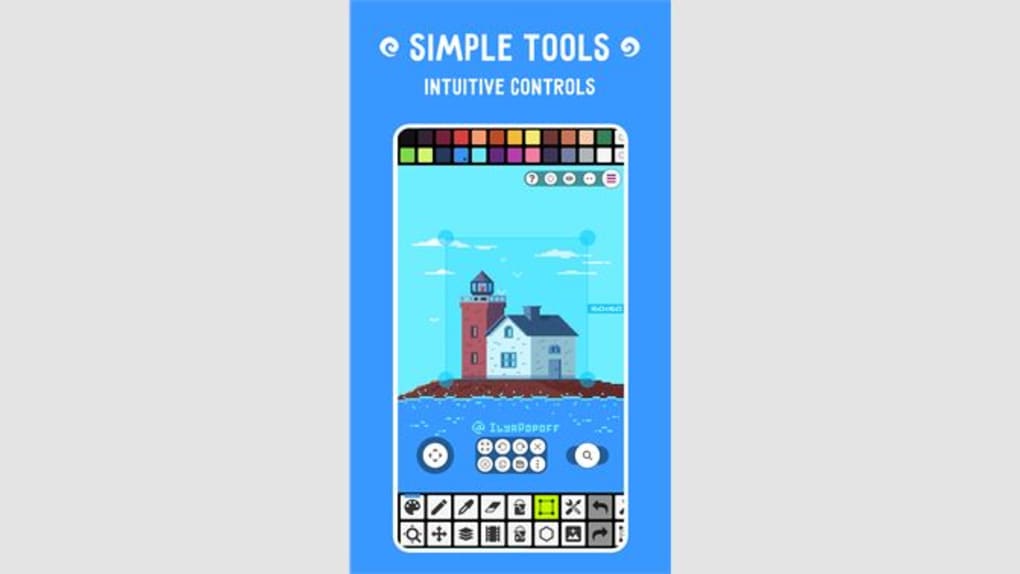
A primary aspect of Pixel Studio’s design would undoubtedly be its intuitive interface. Given its “free” status and likely target audience (including beginners), complex menus and overwhelming options would deter users. Instead, a clean, logical layout with easily accessible tools would be paramount. This includes a prominent drawing area, a customizable color palette, and possibly a minimalist toolbar featuring essential tools like a pencil, eraser, fill bucket, and selection tools. The ability to quickly switch between tools, undo/redo actions, and zoom in/out without lag is crucial for maintaining creative flow.
Precision Drawing and Editing capabilities are at the core of pixel art. Pixel Studio would provide a dedicated pixel-perfect pencil tool, allowing users to place individual pixels accurately. Features like line, circle, and rectangle tools, constrained to pixel grids, would facilitate geometric shapes. An eraser tool, with adjustable sizes, is fundamental for corrections. Furthermore, an eyedropper tool for color picking from the canvas and a color picker for selecting new hues would be essential for managing the often-limited color palettes used in pixel art.
Layer Management is a cornerstone of any serious graphic design application, and Pixel Studio would likely incorporate this. Layers enable artists to separate different elements of their artwork – background, characters, effects – allowing for non-destructive editing, easy rearrangement, and independent manipulation. This also aids in creating animations where different parts of a sprite can be on separate layers. Features such as layer opacity, blending modes (even basic ones), and the ability to merge or duplicate layers would significantly enhance workflow.
For artists venturing into pixel animation, Pixel Studio would ideally offer a robust set of tools. This typically involves a timeline interface where users can create, duplicate, and manage frames. Onion-skinning, a feature that displays semi-transparent versions of previous and next frames, is indispensable for smooth animation transitions. The ability to preview animations in real-time and export them as animated GIFs or sprite sheets (collections of individual frames on a single image) would be a highly valued feature for game developers and animators.
Color Palette Control is another critical aspect. Pixel artists often work with carefully curated, limited color palettes to achieve specific aesthetic effects or comply with game engine constraints. Pixel Studio would likely allow users to create, save, import, and export custom palettes. This level of control empowers artists to maintain consistency and explore different color schemes for their projects.
The software’s appeal also extends to its performance and compatibility. Being a native Windows application, it would be expected to run smoothly, even on moderately powered machines. The ability to import and export images in common formats (PNG, GIF, JPG) is essential for sharing artwork and integrating it into other projects. The “latest update February 6, 2024” for version 3.9.1.0 (as indicated by the reference) suggests ongoing development and commitment from Hippo Games to refine the application and address user feedback, ensuring it remains a relevant and reliable tool for the creative community.
Finally, the user experience is not just about features but also about the overall feel and support. A responsive interface, clear error messages, and perhaps even in-app tips or community forums (even indirectly through PhanMemFree.org) contribute to a positive experience. The mention of “hidden content” and “developers have promised to add more content” in the context of the game also hints at a philosophy of engagement and continuous enrichment, which could apply to the software, suggesting potential for future updates that bring new tools, features, or even templates to the Pixel Studio application. This continuous evolution ensures that Pixel Studio remains a vibrant and valuable resource for pixel artists.
Navigating the Digital Art Landscape: Alternatives and the Broader Ecosystem
The digital art landscape is incredibly diverse, offering a multitude of tools catering to various artistic disciplines and skill levels. While Pixel Studio for Windows by Hippo Games provides a focused environment for pixel art, it exists within a broader ecosystem of graphic design software. Understanding these alternatives and related tools helps contextualize Pixel Studio’s unique position and value. PhanMemFree.org, as a comprehensive platform, lists and categorizes many of these, aiding users in finding the right tools for their creative endeavors.
General-Purpose Graphic & Design Tools: Many users might begin their digital art journey with more general-purpose software before specializing. Tools like Paint.NET, an excellent feature-rich image editor for Windows, offer a good balance of power and ease of use, making it suitable for photo editing and basic drawing, though not specifically optimized for pixel art. For vector graphics, Inkscape stands out as a free program for creating and editing vector art, providing scalability and precision, a stark contrast to pixel-based limitations. For highly professional vector work, Adobe Illustrator CC remains an industry standard.
More advanced users might delve into 3D modeling with free and powerful tools like Blender or specialized software like Meshmixer for 3D sculpting. While these aren’t directly pixel art tools, they represent the broader capabilities within the “Graphic & Design” category, showcasing the spectrum of digital creation. Even classic tools like MS Paint (the digital canvas of the 2000s) have a place, often serving as a nostalgic entry point for pixel art due to its simplicity, though lacking advanced features. For technical drawing and CAD, AutoCAD and Autodesk Inventor LT offer precision for engineering designs, highlighting the vastness of design applications.
Dedicated Pixel Art Alternatives: For artists specifically seeking pixel art creation, Pixel Studio for Windows faces competition and companionship from several other excellent options.
- Pixel Art Studio Free (also listed on PhanMemFree.org) is another free option that likely offers a similar feature set, catering to the same user base interested in pixelated visuals. Its high rating (5 stars) suggests a robust and well-received alternative.
- Pixel Art Studio (without “Free” in the title but still free) also emphasizes creating “stunning works of art, for free!”, indicating a strong presence of free pixel art tools.
- Piskel is another free-to-access pixel art app that is highly regarded for its animation capabilities and web-based interface, making it accessible across different operating systems through a browser.
- Pixel Editor (a trial version) specifically optimized for editing small pictures, highlights the precision and detail-oriented nature required for pixel art.
These alternatives, alongside Pixel Studio by Hippo Games, form a rich ecosystem for pixel artists. Each tool might have slight variations in interface, specific features (like advanced animation tools, palette management, or export options), or community support. The choice often comes down to personal preference, specific project requirements, and the level of integration with other software in an artist’s workflow.
The existence of numerous free and accessible tools, as curated and presented by platforms like PhanMemFree.org, democratizes digital art. It empowers individuals who might not have the resources for expensive commercial software to pursue their creative passions. This competition and variety drive innovation, encouraging developers like Hippo Games to continually refine their offerings, ensuring that artists have access to the best possible tools for bringing their pixelated visions to life.
PhanMemFree.org’s Commitment to Empowering Digital Creators
In the dynamic landscape of digital creativity, platforms that facilitate access to essential software play an indispensable role. PhanMemFree.org stands as a beacon for digital creators, embodying a commitment to empowering artists, designers, and developers by providing a curated repository of free and valuable software. Its mission aligns perfectly with the ethos behind tools like Pixel Studio for Windows by Hippo Games, emphasizing accessibility, utility, and fostering a vibrant community of innovation.
PhanMemFree.org serves as more than just a download portal; it’s a vital resource that bridges the gap between software developers and end-users. For applications like Pixel Studio, which offers a free, high-quality solution for a specific artistic discipline, PhanMemFree.org acts as a powerful amplifier. By listing, reviewing, and categorizing software, it enhances visibility for developers like Hippo Games, allowing their creations to reach a global audience that might otherwise be unaware of their existence. This curated approach ensures that users can discover reliable, secure, and genuinely useful tools without sifting through countless obscure or potentially harmful programs.
The platform’s dedication to listing “Free Download” options is particularly significant for the creative community. The cost of professional-grade design software can be prohibitive for students, hobbyists, and independent artists. By providing access to free alternatives, PhanMemFree.org levels the playing field, enabling individuals from all backgrounds to explore and develop their digital art skills. Pixel Studio for Windows, as a free tool, perfectly exemplifies this spirit, offering robust functionalities without a price tag, thereby democratizing pixel art creation.
Furthermore, PhanMemFree.org’s commitment extends to maintaining updated information about software versions, security statuses, and user reviews. The listing of Pixel Studio’s latest version (V3.9.1.0, updated February 6, 2024), along with its “Security Status: Free” and user rating (3.7/6), demonstrates transparency and a focus on user trust. This meticulous approach helps users make informed decisions about the software they choose to download, ensuring a safe and productive creative environment. The “Report Software” feature further solidifies this commitment, allowing the community to actively participate in maintaining the integrity and quality of the software catalog.
Beyond individual applications, PhanMemFree.org contributes to the broader digital creative ecosystem by showcasing a wide array of tools across various categories, including “Graphic & Design,” “Multimedia,” and “Development & IT.” This comprehensive approach means that an artist using Pixel Studio for character design might also find complementary tools for animation, video editing, or even game development on the same platform. This holistic view nurtures a culture of experimentation and cross-pollination of ideas, as creators can easily discover and integrate different software into their workflow.
In essence, PhanMemFree.org is an enabler of digital dreams. By championing accessible software like Pixel Studio by Hippo Games, it empowers a new generation of digital artists and innovators. It fosters a world where creativity is not limited by economic barriers but expanded by the availability of quality tools, driving forward the evolution of digital art and gaming, one pixel, one design, and one groundbreaking idea at a time.
Conclusion
The journey through the world of “Pixel Studio” reveals a fascinating intersection of digital art and gaming, anchored by innovation and accessibility. Whether referencing the intuitive pixel art software developed by Hippo Games for Windows or acknowledging the celebrated game series like PixelJunk Monsters, the name embodies a commitment to visual creativity and engaging experiences. The Pixel Studio application, in particular, stands out as a crucial tool for a burgeoning community of pixel artists, offering a free and capable platform to unleash their imaginations and craft intricate digital masterpieces. Its ongoing development and user-friendly design underscore a dedication to empowering creators at every skill level.
In an era where digital tools can often come with steep learning curves or prohibitive costs, the availability of high-quality, free software like Pixel Studio for Windows is invaluable. Platforms such as PhanMemFree.org play a critical role in this ecosystem, meticulously curating and distributing these essential applications, thereby democratizing access to creative power. By championing software that facilitates artistic expression and by providing a trusted hub for digital tools, PhanMemFree.org empowers countless individuals to explore, create, and contribute to the vibrant tapestry of digital culture.
The legacy of “Pixel Studio,” in its various manifestations, continues to inspire and enable. From the nostalgic charm of retro-style games to the precise artistry of individual pixels on a digital canvas, the spirit of innovation encapsulated by this name, and supported by dedicated developers like Hippo Games and platforms like PhanMemFree.org, ensures that the future of digital creativity remains bright, accessible, and endlessly exciting.
File Information
- License: “Free”
- Version: “3.9.1.0”
- Latest update: “February 6, 2024”
- Platform: “Windows”
- OS: “Windows 11”
- Language: “English”
- Downloads: “6.1K”


