
PKR, once a prominent name in the world of online poker, is no longer available for download. This article explores the history of this Windows-exclusive poker client, its features, its popularity, and the reasons behind its disappearance from the digital landscape. While the program itself is defunct, examining its legacy offers insight into the evolution of online gaming and the challenges faced by smaller players in a competitive market.
The Rise and Fall of a Unique Poker Platform
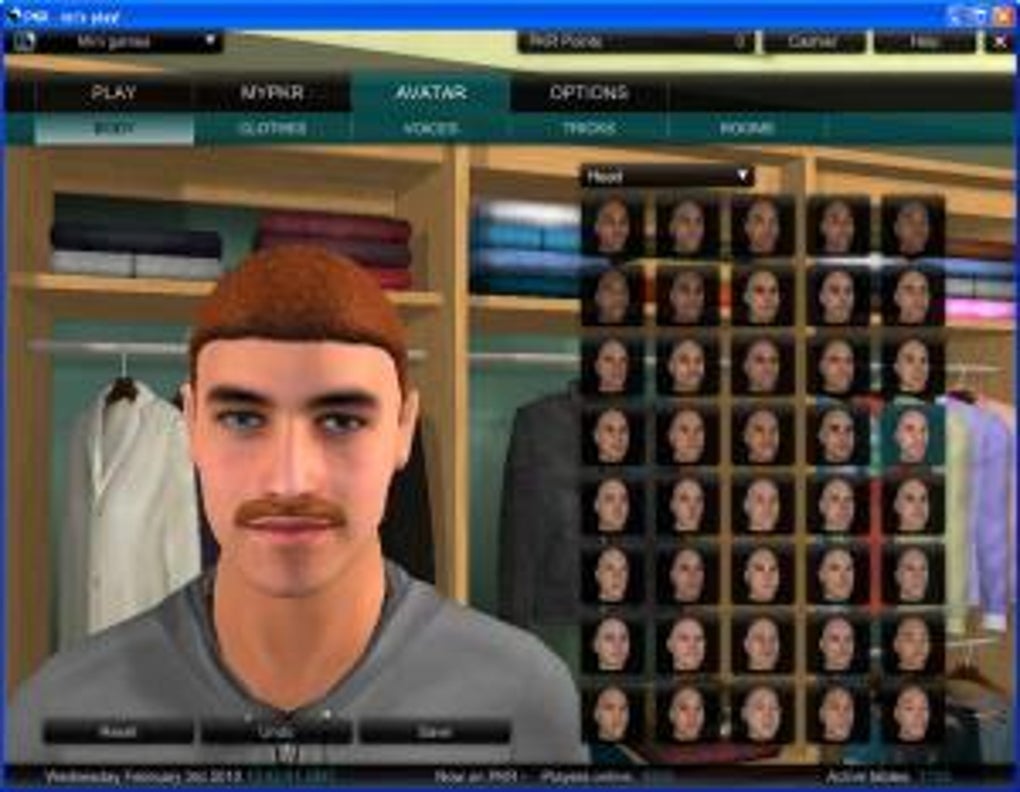
PKR, a free-to-play poker client for Windows, distinguished itself from competitors through its innovative 3D graphical interface. Unlike the text-based or simplistic 2D representations prevalent at the time, PKR offered a fully rendered 3D environment where players interacted with each other as avatars in a virtual casino setting. This immersive experience aimed to replicate the social atmosphere of a real-life poker game, adding a layer of engagement and visual appeal absent in many of its rivals. The game supported a wide range of poker variations, catering to both casual players and seasoned professionals. It allowed for the creation and customization of avatars, further enhancing the personalization and community aspects of the game.

The platform’s popularity stemmed from this unique visual approach and its relatively smooth gameplay. Its availability on Windows, a dominant operating system at the time, contributed to its widespread adoption. The program gained significant traction in several countries, particularly Hungary, the United Kingdom, and Romania, indicating a strong localized user base and suggesting a successful marketing strategy in these regions. While specific player numbers are not readily available now, the reported 62,682 installations by 2011, coupled with sustained downloads even later, demonstrates a significant level of user engagement for a niche title. The game’s small size also contributed to its accessibility, as it did not require significant storage space, unlike many other more graphically demanding PC games.
However, PKR’s success story is unfortunately incomplete. The program is no longer available for download, a fact that raises questions about its ultimate demise. The reasons cited are varied and may encompass several factors: the program may have been discontinued by the developers due to various economic or strategic reasons; there might have been unresolved security issues that necessitated its removal; or other unforeseen circumstances could have led to its unavailability. The absence of readily accessible information about the exact cause makes it difficult to pinpoint the definitive reason for PKR’s disappearance.
The Technological Landscape of PKR’s Era
To fully appreciate PKR’s impact and its subsequent disappearance, it’s crucial to understand the technological landscape of its time. The early 2010s marked a significant period of growth in online gaming. The rise of broadband internet access made high-quality online gaming more accessible, leading to a boom in both casual and competitive online games. The market was rapidly evolving, with new gaming platforms and technologies constantly emerging. For a smaller company like the developers behind PKR, competing in this increasingly saturated and technologically advanced market presented significant challenges.
The graphical fidelity offered by PKR was innovative for its time but may have presented development and maintenance constraints. Maintaining a 3D environment requires considerable resources, both in terms of development expertise and server capacity. As technology advanced, keeping PKR up-to-date with the latest graphical standards and security protocols likely became an increasingly expensive and time-consuming endeavor. This technological arms race, with larger companies investing heavily in advanced technologies, may have put PKR at a competitive disadvantage.
Furthermore, the increasing popularity of mobile gaming presented another significant hurdle for PKR. As smartphones and tablets gained widespread adoption, a significant portion of the gaming market shifted towards mobile platforms. PKR, being exclusive to Windows, missed out on this significant growth opportunity. Its inability to adapt to the changing preferences of gamers may have contributed to its eventual decline.
The Social and Competitive Aspects of PKR

Beyond the technical aspects, PKR also carved a niche for itself through its emphasis on social interaction. The 3D environment encouraged player interaction, fostering a sense of community among users. Players could customize their avatars, interact with each other in the virtual casino, and partake in various forms of social engagement. This element of the game created a unique experience that differentiated it from other online poker platforms. However, this feature could also have presented limitations. The dedicated nature of this system might have discouraged adoption among gamers looking for a simpler, faster, or more widely compatible platform.
The competitive landscape of online poker also posed a significant challenge. PKR faced competition from larger, more established platforms with greater resources and broader reach. These larger platforms often offered a wider range of games, better promotional offerings, and larger player pools. The presence of these established giants made it difficult for a smaller company like the developers of PKR to compete effectively. Maintaining a sustainable player base and attracting new users became an increasingly difficult task in the face of this intense competition.
The Legacy of PKR and Lessons Learned
Despite its eventual demise, PKR left a lasting mark on the online gaming landscape. Its innovative approach to graphical representation in online poker demonstrated the potential of immersive gaming experiences, paving the way for future developments in the genre. While its unique 3D environment ultimately failed to sustain its long-term viability, its legacy serves as a reminder of the constant evolution of the online gaming industry.
PKR’s story underscores the importance of adaptability and responsiveness to market trends. The inability to transition to mobile platforms and the challenge of keeping pace with the technological advancements of larger competitors ultimately contributed to its downfall. This highlights the importance of strategic foresight and resource allocation for smaller game developers operating in a fiercely competitive market.
The disappearance of PKR also reflects the inherent risks involved in developing and maintaining online games. The need for continuous updates, improvements, and the integration of new technologies demands a significant investment of time, money, and expertise. For smaller developers, the resources required to navigate this landscape can be a formidable challenge.
The lack of readily available information regarding the precise reasons for PKR’s discontinuation leaves room for speculation. However, a combination of factors – technological limitations, intense market competition, the shift towards mobile gaming, and possibly underlying security concerns – likely contributed to its eventual removal. While PKR may be gone, its innovative approach to online poker and its unique social environment continue to provide a valuable case study in the ever-evolving world of digital gaming. The game’s lasting impact serves as a reminder of both the opportunities and challenges inherent in creating and sustaining a successful online gaming experience.
File Information
- License: “Free”
- Latest update: “January 22, 2025”
- Platform: “Windows”
- OS: “Windows XP”
- Language: “English”
- Downloads: “53.4K”
- Size: “858.86 KB”


