
Planet Coaster, developed by Frontier Developments, is a premium simulation game that allows players to design, build, and manage their own amusement parks. Released in 2016, it builds upon the legacy of RollerCoaster Tycoon 3: Platinum!, offering a significantly enhanced graphical experience while retaining the core gameplay mechanics that made its predecessor so popular. This detailed exploration delves into Planet Coaster’s features, strengths, weaknesses, and its enduring appeal within the simulation genre.
Immersive Gameplay and Creative Freedom
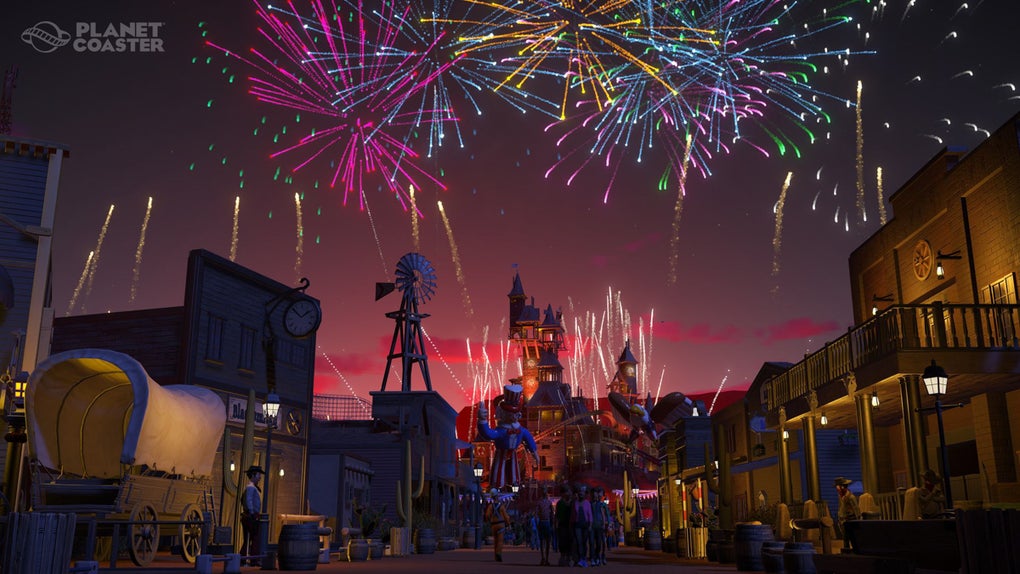
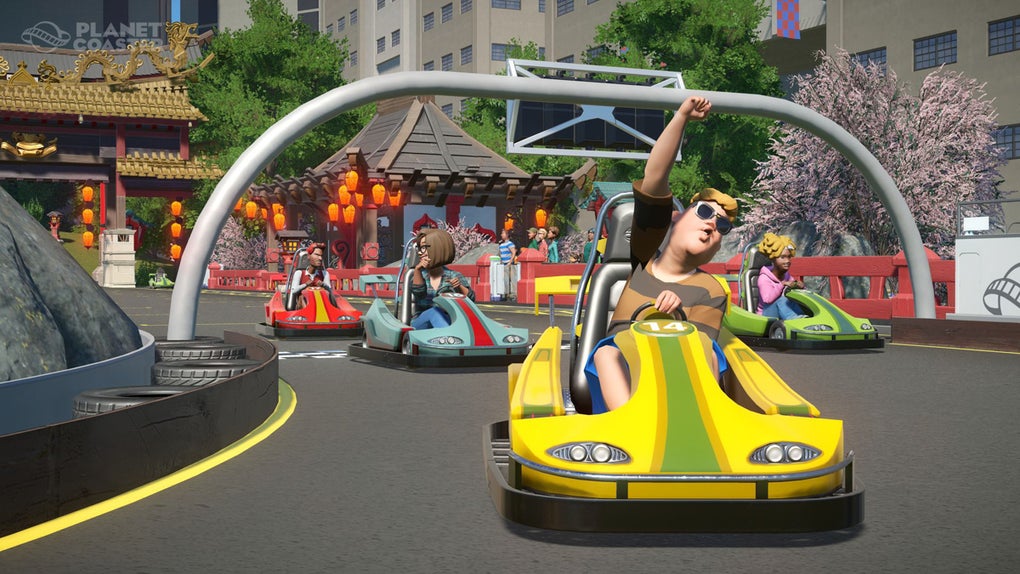
Planet Coaster distinguishes itself through its exceptional level of detail and the extensive creative tools it provides players. The game boasts a fully interactive map viewed from a top-down perspective, much like its predecessors, but the visual fidelity is dramatically improved. Character models, scenery, and park structures all exhibit a significant leap in quality, resulting in a much more immersive and aesthetically pleasing experience. The game’s core appeal lies in its ability to empower players with almost limitless creative control.
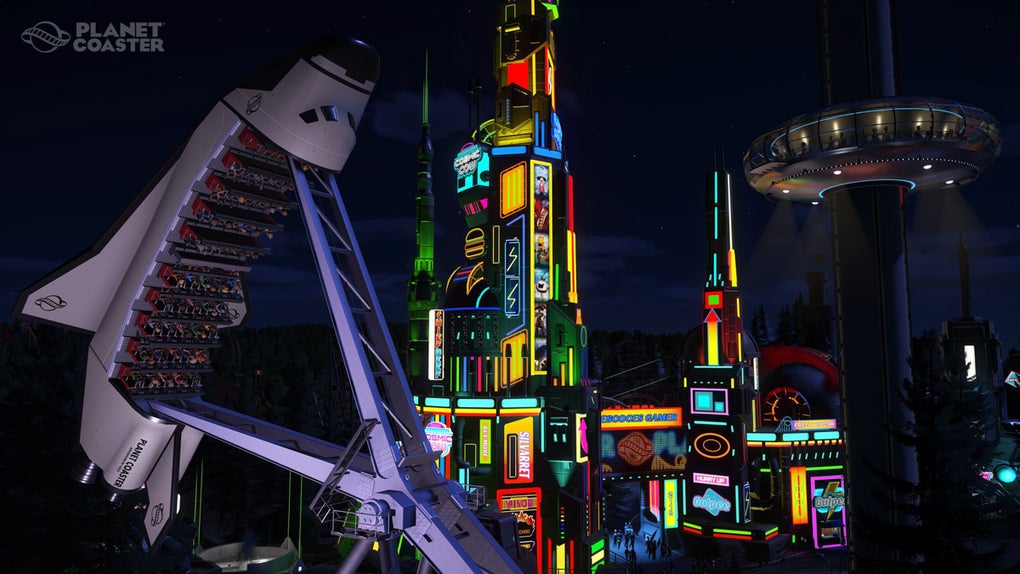
Unlike many theme park simulators that constrain design options, Planet Coaster empowers players with comprehensive tools to build virtually any ride imaginable. This extends beyond roller coasters, encompassing a wide variety of attractions, from gentle carousels to thrilling drop towers. The detailed building mechanics allow for intricate customisation of ride layouts, track designs, station aesthetics, and even individual elements like support structures and landscaping. Players can meticulously craft unique attractions that perfectly reflect their vision. This creative freedom extends to the broader park design as well, enabling players to shape the landscape, choose from a vast array of pre-fabricated buildings and scenery, or build from scratch using a powerful, intuitive building system.
Multiple Game Modes for Diverse Playstyles
Planet Coaster caters to a range of player preferences by offering three distinct game modes: Sandbox, Challenge, and Career.
Sandbox Mode: This mode provides the ultimate creative sandbox, allowing players unfettered access to all resources and tools. There are no financial limitations or objectives to meet; players are free to indulge their creativity without constraints. This is ideal for players who prioritize building and design over management and financial planning. The Sandbox Mode has garnered significant praise from players for its unparalleled freedom and potential for truly unique park creations.
Challenge Mode: In stark contrast to the open-ended nature of Sandbox Mode, Challenge Mode presents players with specific objectives and limited budgets. Players must strategically manage their resources, balance cost-effectiveness with guest satisfaction, and creatively solve challenges to achieve success. This mode emphasizes strategic thinking and efficient resource management, providing a more structured and goal-oriented experience.
Career Mode: This mode attempts to provide a more narrative-driven experience, offering a structured progression through various park management scenarios. However, this is also the mode that has drawn the most criticism from players.
The Controversial Career Mode and DLC Dependence
While the Sandbox and Challenge modes are widely praised for their fun and engaging gameplay, the Career Mode has been a point of contention among players. Critics have pointed out that the Career Mode’s progression is heavily reliant on purchasing downloadable content (DLC). Many of the later tasks and objectives necessitate the acquisition of additional DLC packs, creating a pay-to-win element that frustrates many players. This is seen as an underhanded tactic by some, and it detracts from the overall experience. This reliance on DLC for progression in an integral part of the game is a significant flaw and represents a substantial departure from the more open approach of other modes.
Planet Coaster’s Recent Resurgence and Speculation of a Sequel
Despite initial criticism surrounding its Career Mode and DLC strategy, Planet Coaster has seen a recent resurgence in popularity. This renewed interest is largely attributed to significant price reductions, making the game more accessible to a wider audience. This price drop has also fueled speculation within online gaming communities regarding the possibility of a Planet Coaster sequel. The renewed popularity of the game might signal a demand for a successor that addresses the criticisms leveled at the original, particularly regarding the Career Mode’s dependence on DLC.
A Worthy Investment for Simulation Enthusiasts?
Despite the drawbacks of the Career Mode, Planet Coaster remains a highly engaging and rewarding experience for fans of simulation and construction games. The sheer level of creative freedom, the depth of customization options, and the highly detailed and visually appealing world it offers make it a compelling title. If players are primarily interested in the building and designing aspects of the game, and are willing to either ignore the Career Mode or accept its DLC requirements, then Planet Coaster is undoubtedly a worthwhile investment. The ability to construct a unique and personalized amusement park, limited only by one’s imagination, is a strong selling point that continues to attract players.
Comparing Planet Coaster to its Competitors
Planet Coaster is not alone in the theme park simulation genre. Several other titles compete for players’ attention, each with its own unique strengths and weaknesses. Some notable competitors include:
-
Parkitect: This game emphasizes efficient management and optimization, providing a more challenging and strategic experience. While it lacks the graphical polish of Planet Coaster, it offers a compelling alternative for players who prioritize gameplay mechanics over visual fidelity.
-
Park Beyond: Park Beyond offers a more narrative-driven experience with open-world elements, creating a more immersive and story-rich experience. However, it potentially lacks the depth of customisation offered by Planet Coaster.
-
NoLimits 2 Roller Coaster Simulation: This is a more specialized game focused primarily on roller coaster design. While it offers incredibly detailed coaster creation tools, it lacks the broader park management aspects found in Planet Coaster.
-
Planet Zoo: Also from Frontier Developments, Planet Zoo provides a similar level of detail and customisation but focuses on zoo management instead of amusement parks.
Conclusion: A Masterclass in Creative Construction, Despite its Flaws
Planet Coaster remains a remarkable achievement in the theme park simulation genre. Its unparalleled creative freedom, coupled with its striking visuals, makes it a captivating experience for players who appreciate detailed building and design. While its Career Mode’s reliance on DLC is a significant drawback, and detracts from the otherwise highly rated game, the Sandbox and Challenge modes offer ample opportunities for countless hours of immersive and engaging gameplay. The recent resurgence in popularity hints at its enduring appeal and potentially paves the way for a future iteration that refines its formula and addresses some of the persistent criticisms. Ultimately, Planet Coaster stands as a testament to the power of creative freedom in simulation games, offering a truly unique and rewarding experience for those willing to embrace its strengths and navigate its weaknesses.
File Information
- License: “Full”
- Version: “1.13.2”
- Latest update: “June 27, 2024”
- Platform: “Windows”
- OS: “Windows 11”
- Language: “English”
- Downloads: “19.2K”


