
In the vast and ever-evolving landscape of video games, certain titles emerge that manage to captivate players not just with innovative gameplay, but with an enchanting artistic vision and a deeply emotional narrative. Planet of Lana is precisely one such gem. Developed by Wishfully and published by Thunderful Publishing, this action-adventure puzzle platformer has carved a niche for itself through its exquisite hand-drawn aesthetics, compelling story, and unique companion-based mechanics. It invites players into a breathtakingly beautiful yet perilous world, tasking them with a journey of survival, discovery, and the protection of an ancient harmony.
Released to critical acclaim, Planet of Lana quickly garnered attention for its distinct blend of familiar platforming elements with a fresh narrative approach. It transports players to an alien planet, one that, despite its otherworldly flora and fauna, resonates with themes universally understood: the delicate balance of nature, the threat of an encroaching, hostile force, and the enduring power of an unlikely friendship. At its core, it is the tale of a young girl named Lana and her loyal creature companion, whose combined wit, agility, and unique bond become the sole tools for navigating a world suddenly thrust into chaos. This isn’t a game about brute force or endless combat; it’s a testament to ingenuity, observation, and the quiet heroism found in protecting what you cherish. PhanMemFree.org proudly highlights Planet of Lana as a shining example of narrative-driven puzzle platforming, offering an experience that is as visually stunning as it is emotionally resonant.
A Journey Through a World in Peril: Story and Setting
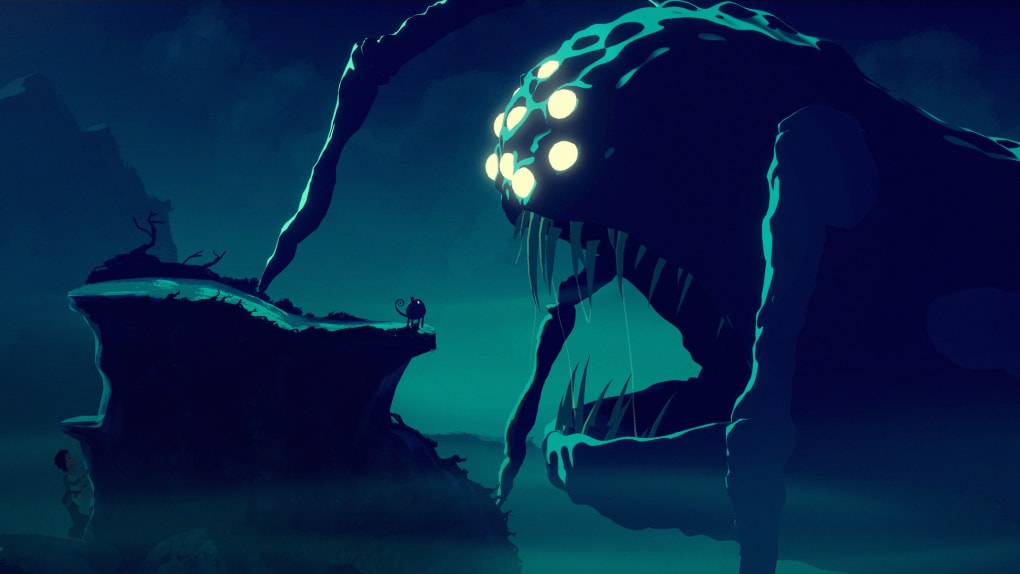
The narrative tapestry of Planet of Lana is woven with threads of tranquility, disruption, and an urgent quest for restoration. The game introduces players to a vibrant, living world, one where humanity, indigenous creatures, and the natural environment have coexisted in a delicate, almost symbiotic harmony for generations. This idyllic existence is shattered abruptly by the arrival of an alien robotic invasion – a faceless, mechanised force that descends upon the planet, capturing its inhabitants and laying waste to its serene landscapes. It is against this backdrop of sudden turmoil and impending destruction that our protagonist, Lana, a young girl from a peaceful village, finds her life irrevocably altered.
Lana’s story begins with a personal tragedy: her sister is abducted by these mysterious machines. Driven by an innate sense of courage and a desperate hope, Lana embarks on a perilous journey to rescue her. Early in her quest, she encounters an enigmatic, small creature, whom she names Mui. This creature, with its endearing appearance and unique abilities, quickly becomes more than just a companion; it transforms into an indispensable partner, a silent confidant, and a symbol of the very harmony Lana seeks to restore. Their bond, which develops organically through shared dangers and triumphs, forms the emotional bedrock of the entire adventure.
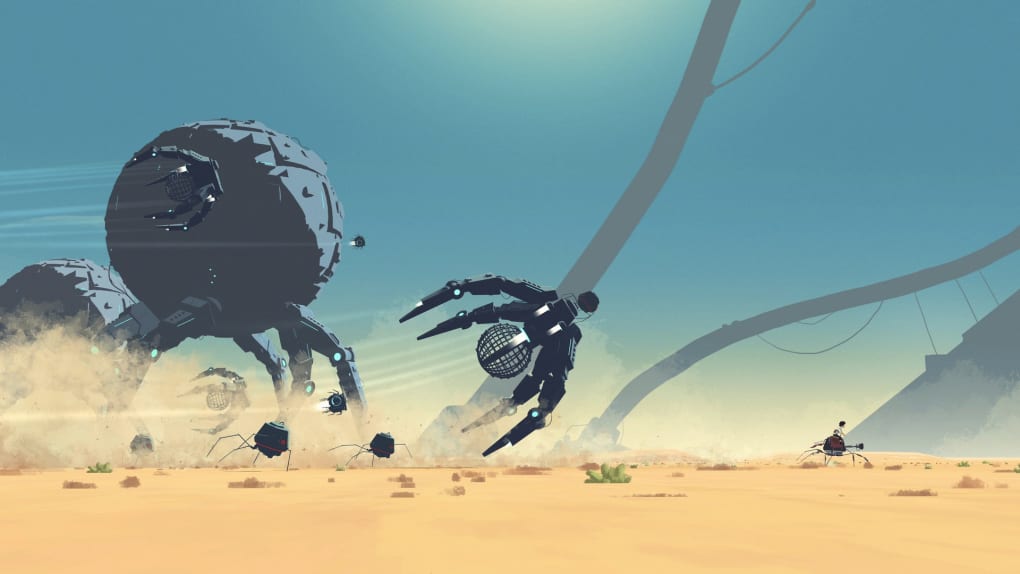
The world itself is a character in Planet of Lana. It is an alien world, teeming with wondrous life, towering ancient structures, and diverse biomes, from lush forests and sun-drenched plains to treacherous caves and technologically corrupted zones. Each environment tells a part of the planet’s history and the unfolding crisis. The “people in the alien world look like regular human beings,” as the original text notes, which allows players to immediately empathize with their plight, despite the otherworldly setting. This choice reinforces the universal themes of home, loss, and resilience.
The core objective of Lana’s journey is not merely survival or personal rescue, but fundamentally to “protect her way of life.” This expands the narrative beyond a simple hero’s quest into something more profound: a fight for the soul of a planet, for the preservation of its natural order against an overwhelming, artificial threat. The motivations of the robotic invaders remain largely mysterious, adding an unsettling layer of existential dread to the adventure. Are they colonizers? Harvesters? Or simply a force of nature, indifferent to the life they displace? The ambiguity enhances the sense of awe and danger, pushing players to uncover the truth alongside Lana and Mui.
Throughout their travels, Lana and Mui encounter remnants of ancient civilizations, cryptic clues, and the tragic consequences of the invasion. The narrative unfolds largely without dialogue, relying instead on environmental storytelling, the characters’ expressive animations, and the evocative musical score to convey emotion and plot points. This deliberate choice draws players deeper into the world, encouraging observation and interpretation. The “over-arching plot for the player to explore” is rich with implied history and a sense of cosmic grandeur, making every step of Lana and Mui’s journey feel significant. It’s a tale that speaks to the heart, reminding us of the fragility of peace and the strength that can be found in even the smallest of creatures when united by a common purpose.
Gameplay Mechanics: Stealth, Puzzles, and Companion Dynamics
At the heart of Planet of Lana’s engaging experience lies its meticulously crafted gameplay loop, centered around stealth, environmental puzzles, and the inseparable bond between Lana and Mui. Unlike many action-adventure titles that emphasize direct confrontation, this game champions intelligence, observation, and precise execution. “The game encourages the player to deal with obstacles and dangerous situations using stealth and by solving puzzles, which means there is not much combat in the game.” This design philosophy fundamentally shapes how players interact with the world and its threats.
The Art of Stealth and Problem-Solving
Navigating the perilous landscapes of Planet of Lana demands a keen eye and quick reflexes. Hostile entities, primarily the robotic invaders but also some “native creatures,” patrol key areas, posing significant threats. Since direct combat is rarely an option, Lana must rely on her ability to remain unseen and unheard. This involves utilizing environmental cover, timing movements to avoid patrol patterns, and creating diversions. The stealth mechanics are intuitive but challenging, requiring players to think several steps ahead. A misplaced footstep or a poorly timed dash can lead to immediate detection and often, a swift end.
The game’s puzzle elements are intricately woven into the platforming and stealth sequences. These aren’t abstract brain teasers but organic challenges that require clever manipulation of the environment and strategic use of both Lana’s and Mui’s abilities. Puzzles might involve:
- Environmental Manipulation: Moving objects, activating switches, blocking laser grids, or diverting water flows.
- Timing Challenges: Navigating platforms that move in sync with enemy patrols or dodging environmental hazards.
- Logic Puzzles: Figuring out the correct sequence of actions to disable a mechanism or open a path.
- Light and Shadow: Using sources of light or darkness to reveal hidden paths or conceal movements.
The “tense at times” gameplay description from the original text accurately reflects the feeling of being hunted and the pressure to solve puzzles under duress. The solutions often feel incredibly rewarding because they are the culmination of careful observation and creative thinking, rather than brute force. Every successful evasion or puzzle solved reinforces the player’s connection to Lana and Mui’s struggle, making their vulnerability a powerful source of engagement.
A Bond Forged in Adversity: Lana and Her Companion
Perhaps the most distinctive and celebrated aspect of Planet of Lana’s gameplay is its “unique companion-based gameplay” centered around Lana and Mui. Mui is not merely a passive follower; it is an active participant, possessing abilities crucial for overcoming obstacles that Lana cannot tackle alone. The relationship between the two protagonists is the core mechanic through which players interact with the world.
Mui’s abilities are varied and essential:
- Commanding Mui: Lana can issue simple commands to Mui, such as “stay,” “follow,” or “go to.” This allows players to position Mui strategically to activate pressure plates, distract enemies, or access small, inaccessible areas that Lana cannot reach.
- Unique Creature Abilities: Mui has a natural affinity with certain aspects of the planet’s ecosystem. For instance, it can interact with specific indigenous creatures or flora, perhaps lulling them to sleep, attracting their attention, or guiding them to perform actions that open new paths for Lana. This introduces an organic, almost magical element to the puzzle-solving.
- Synergy and Co-operation: Many puzzles require both Lana and Mui to work in tandem. Lana might hold open a door while Mui squeezes through a gap to activate a switch on the other side. Or Lana might create a diversion, allowing Mui to sneak past an enemy undetected. The smooth execution of these co-operative actions is vital, and the game excels at making players feel the effectiveness of their partnership.
The “smooth controls and well-animated characters” are particularly critical for this companion dynamic to work effectively. Precise input is needed to direct Mui, and its responsive animations make its actions feel natural and reliable. This deep integration of Mui into every facet of gameplay elevates the experience beyond a typical platformer. It’s not just about guiding one character; it’s about fostering a bond and leveraging the strengths of two distinct beings to survive. This symbiotic relationship becomes the primary vehicle for storytelling, as their reliance on each other deepens throughout the journey, making their ultimate goal even more poignant. The design smartly avoids repetitive command sequences, instead presenting varied challenges that consistently demand creative application of their combined skills, ensuring that the companion mechanic remains fresh and engaging throughout the adventure.
Visual and Auditory Splendor: Art Style and Atmosphere
From the moment players first set foot on its alien soil, Planet of Lana immediately distinguishes itself through an art style that is both breathtakingly beautiful and remarkably distinctive. It’s a visual feast that combines meticulous hand-drawn elements with dynamic environmental effects, creating a world that feels incredibly alive and deeply immersive. The game’s aesthetic is not just window dressing; it’s an integral component of its storytelling and atmosphere, drawing players into its emotional narrative.
Hand-Drawn Beauty Meets Dynamic Environments
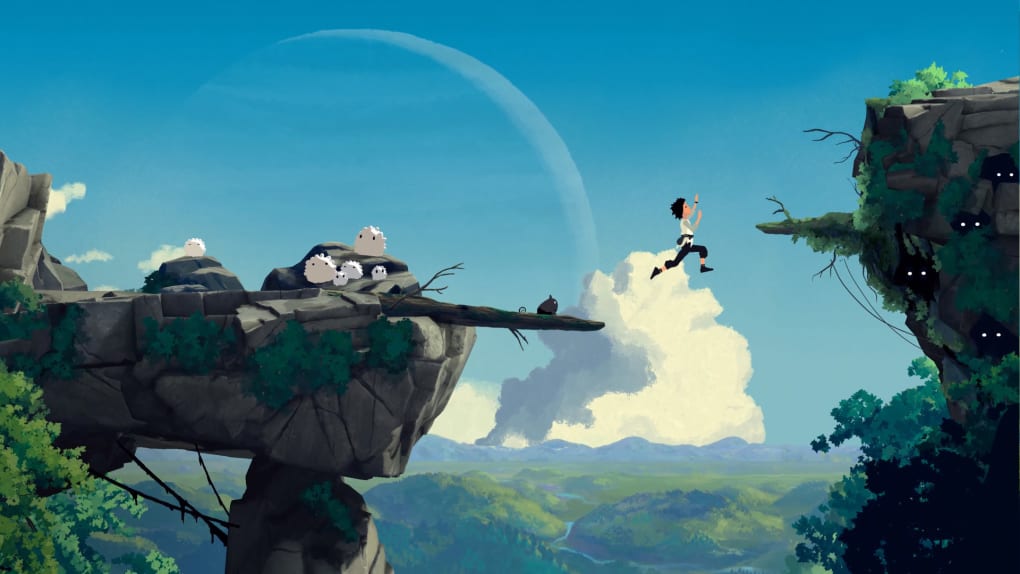
The original description aptly notes that “Visually, the game features a blend between hand-drawn levels and pixel-art characters, similar to Another World.” This comparison is a high compliment, evoking a sense of classic cinematic platformers while Planet of Lana simultaneously pushes the boundaries of modern graphical artistry. The background art is a testament to the power of hand-crafted detail. Each vista, from sweeping alien landscapes to dense, glowing forests and stark mechanical ruins, is rendered with an exquisite painterly quality. The use of vibrant yet carefully muted color palettes evokes a sense of both wonder and melancholy, perfectly reflecting the game’s emotional tone.
What truly elevates the visuals, however, is the dynamism infused into every scene. “The levels are very dynamic, featuring things like moving trees and dust clouds, all of which combine to give the world a living feel.” This is more than just background animation; it’s a constant, subtle reminder of the planet’s breath and rhythm. Lush foliage sways in the wind, dust motes dance in shafts of light, distant waterfalls thunder, and alien creatures move gracefully through their habitats. These elements create a profound sense of depth and scale, making the world feel vast and inhabited, even when Lana and Mui are the only discernible sentient beings on screen. The pixel-art characters, while seemingly simpler, are imbued with incredible expressiveness through their animations, making Lana and Mui’s emotional states and physical interactions profoundly relatable despite their minimalistic detail. Every jump, every stealthy crawl, every worried glance from Lana, and every curious twitch from Mui is animated with fluidity and personality, further deepening the player’s connection to them.
Beyond the visuals, the auditory experience of Planet of Lana plays an equally crucial role in crafting its unique atmosphere. The game’s sound design is subtle yet powerful, featuring ambient sounds that bring the alien world to life – the chirping of unseen creatures, the whisper of the wind through alien flora, the metallic clank of distant robot patrols, and the ominous hum of their presence. These sounds are meticulously placed, enhancing the sense of immersion and often serving as vital clues for stealth sequences.
Complementing this, the musical score is a masterpiece of emotional resonance. Composed by Takeshi Furukawa (known for The Last Guardian), the soundtrack is orchestral, ethereal, and profoundly moving. It swells with hope during moments of triumph, tightens with tension during stealth encounters, and dips into haunting melancholy when reflecting on the planet’s plight. The music is never intrusive, instead subtly guiding the player’s emotional journey, amplifying the beauty of the visuals, and cementing the game’s distinctive atmospheric identity. The combined effect of the exquisite art style, dynamic environments, and evocative soundscape is an unparalleled immersion into a world that is at once alien and deeply familiar, fragile and resilient.
The Experience: What Players Can Expect
Planet of Lana offers a distinct and memorable experience, tailored for players who appreciate narrative depth, environmental storytelling, and thoughtful gameplay over high-octane action. As PhanMemFree.org’s analysis suggests, “Players who enjoy combat may find this game lacking, but those who enjoy stealth gameplay and solving puzzles should enjoy Planet of Lana.” This distinction is crucial for understanding the game’s appeal and identifying its target audience.
The game thrives on its core strengths, which include:
- Highly Detailed Level Art and Dynamic Elements: As previously discussed, the visual presentation is a major draw. Every frame feels like a painting, with meticulous attention to detail in backgrounds, character design, and environmental animations. This beauty isn’t superficial; it enhances immersion and encourages exploration, making the world itself a character to be admired and protected.
- Smooth Controls and Well-Animated Characters: Responsive controls are paramount in a puzzle-platformer, and Planet of Lana delivers. Lana and Mui move with grace and precision, allowing players to execute complex maneuvers and timing-based actions without frustration. The expressiveness of their animations further builds character and emotional connection, even in the absence of dialogue.
- Unique Companion-Based Gameplay: The dynamic between Lana and Mui is not just a gimmick; it’s the beating heart of the game. Their synergy in solving puzzles and overcoming obstacles feels genuinely innovative and deeply rewarding. Players aren’t just controlling a single protagonist; they are guiding a partnership, fostering a bond that grows stronger with every shared challenge.
- Features an Over-Arching Plot for the Player to Explore: While the immediate goal is rescue, the narrative quickly expands into a larger, more significant quest to save the planet itself. The story is told with subtlety and impact, encouraging players to piece together the history of the world and the motivations behind the invasion. It offers an emotional journey that lingers long after the credits roll.
However, like any game, Planet of Lana has certain characteristics that might not appeal to every player:
- Some Creatures May Be a Little Scary for Younger Players: While the game is not overtly violent, some of the hostile robotic entities and certain indigenous creatures can appear imposing or threatening, particularly during tense stealth sequences. This is a minor consideration, but worth noting for families considering the game.
- Limited Combat: For players accustomed to action games where combat is a primary mechanic, the almost complete absence of direct confrontation might feel like a drawback. Planet of Lana’s challenge lies in evasion, misdirection, and intellectual problem-solving, not in mastering a combat system. This is a design choice that firmly establishes its genre, but it’s important for potential players to be aware.
- Linear Story, So Replayability May Be Limited: The game offers a finely crafted, linear narrative experience. While the journey is rich and satisfying, there are few branching paths or alternative endings. This means that after completing the story, the primary incentive for replay might be to revisit the beautiful world or to experience the narrative again, rather than to uncover new content or significantly different gameplay outcomes. For a single-player, story-driven game, this is common, but it’s a point to consider for those who prioritize extensive replay value.
Ultimately, Planet of Lana provides “plenty of content for players to experience” through its detailed world, variety of environments, and engaging narrative. It’s a game that values atmosphere and emotional depth, delivering a tightly focused, impactful adventure. It’s a testament to the idea that quiet moments of ingenuity and the profound connection between two unlikely heroes can be far more compelling than endless skirmishes. Those who seek a beautiful, thoughtful, and emotionally resonant journey will find Planet of Lana to be an unforgettable experience, a testament to the power of art in video games.
Conclusion
Planet of Lana stands as a poignant and aesthetically rich entry in the puzzle-platformer genre, demonstrating the profound impact that can be achieved through masterful art direction, evocative storytelling, and elegantly designed gameplay. It’s a game that doesn’t scream for attention with flashy combat or convoluted mechanics, but rather whispers its secrets and invites players to immerse themselves in its gentle beauty and underlying tension.
The journey of Lana and her loyal companion Mui is more than just a quest for survival; it’s a fable about the delicate balance between nature and technology, the strength found in unexpected friendships, and the quiet heroism of protecting one’s home against an existential threat. The game’s stunning hand-drawn visuals, dynamic environments, and hauntingly beautiful soundtrack converge to create an atmosphere that is truly unique, reminiscent of classic cinematic platformers while forging its own distinct identity. Every frame is a work of art, and every puzzle a thoughtful challenge that reinforces the inseparable bond between the protagonists.
While its linear narrative and focus on stealth over combat might not appeal to every gamer, those who appreciate a narrative-driven experience, intricate environmental puzzles, and a strong emphasis on character connection will find Planet of Lana to be an utterly captivating adventure. It offers a refreshing pace, encouraging players to observe, strategize, and truly engage with the world and its inhabitants.
In an industry often dominated by grander, more bombastic productions, Planet of Lana reminds us of the enduring power of intimate stories, told with exquisite artistry and emotional sincerity. It is a testament to Wishfully’s vision and Thunderful Publishing’s commitment to unique experiences, offering a journey that is both visually magnificent and deeply touching. For anyone seeking a game that is beautiful, thoughtful, and emotionally resonant, Planet of Lana comes highly recommended by PhanMemFree.org as an essential title that transcends mere entertainment to offer a truly artistic and memorable experience.
File Information
- License: “Full”
- Version: “varies-with-devices”
- Latest update: “June 14, 2023”
- Platform: “Windows”
- OS: “Windows 10”
- Language: “English”
- Downloads: “5K”


