
Plants vs. Zombies, a seemingly simple tower defense game released in 2009 by PopCap Games, has captivated millions worldwide. Its enduring popularity stems from a winning combination of addictive gameplay, strategic depth, and a unique, lighthearted aesthetic. This article delves into the various aspects that contribute to the game’s continued success, exploring its gameplay mechanics, diverse modes, charming visuals, and overall impact on the gaming landscape. The game’s enduring legacy is further cemented by its sequels, including Plants vs. Zombies 2, and spin-offs like Plants vs. Zombies: Garden Warfare and Plants vs. Zombies: Battle for Neighborville, which have expanded upon the core concepts and introduced new gameplay experiences.
Strategic Gardening: Gameplay and Mechanics
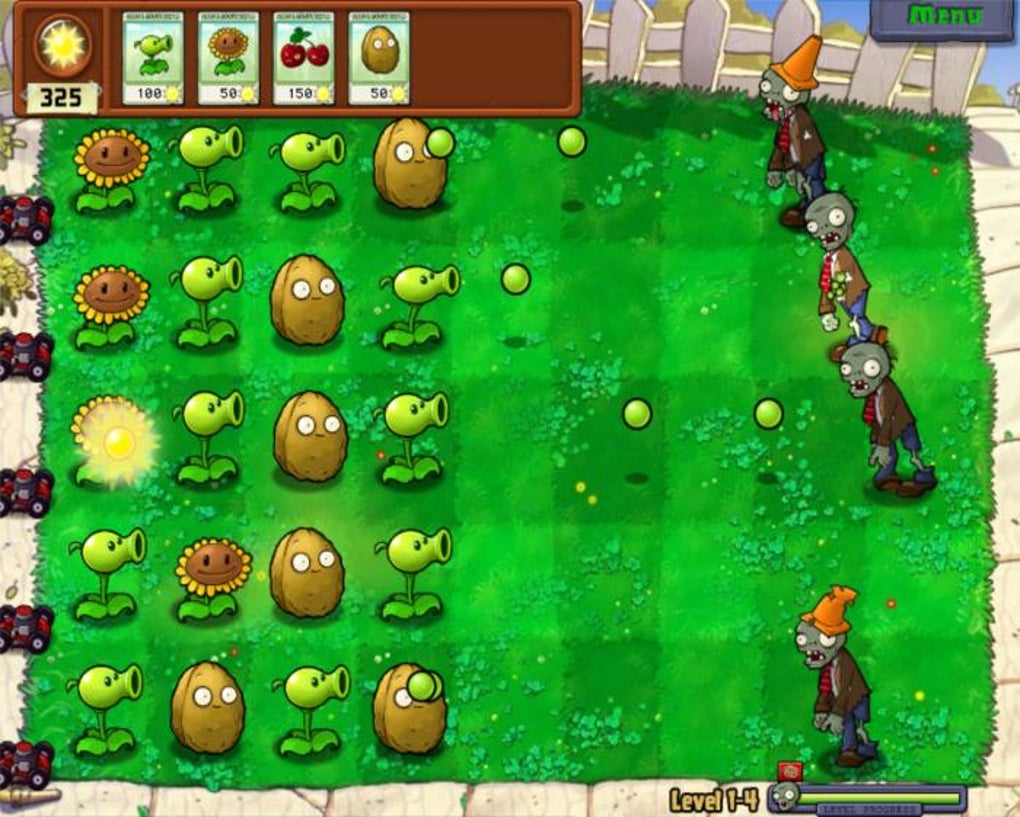
At its core, Plants vs. Zombies presents a deceptively simple premise: defend your home from an onslaught of increasingly challenging zombies by strategically planting a variety of plants with unique abilities. The gameplay unfolds across a series of levels, each presenting a unique wave of undead adversaries with varying strengths and weaknesses. Players must carefully manage their resources – sunlight, which fuels plant growth – to strategically position their defenses and counter the relentless zombie horde.
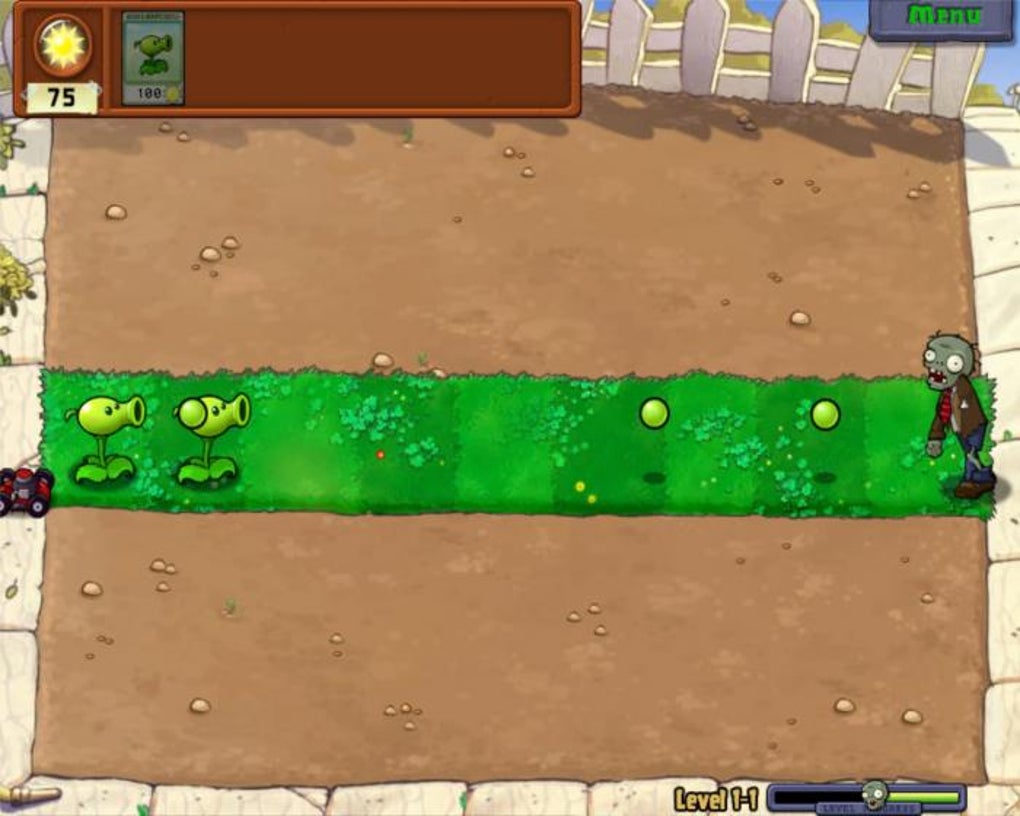
The game’s brilliance lies in its accessible yet surprisingly deep mechanics. Early levels provide a gentle introduction to the core concepts, introducing players to a small selection of plants and gradually increasing the difficulty. This measured approach allows players to learn the ropes without feeling overwhelmed. However, the difficulty curve steadily increases as the game progresses, requiring players to adapt their strategies and utilize a wider array of plants. This escalation prevents the game from becoming predictable, ensuring continued engagement and a rewarding sense of accomplishment.
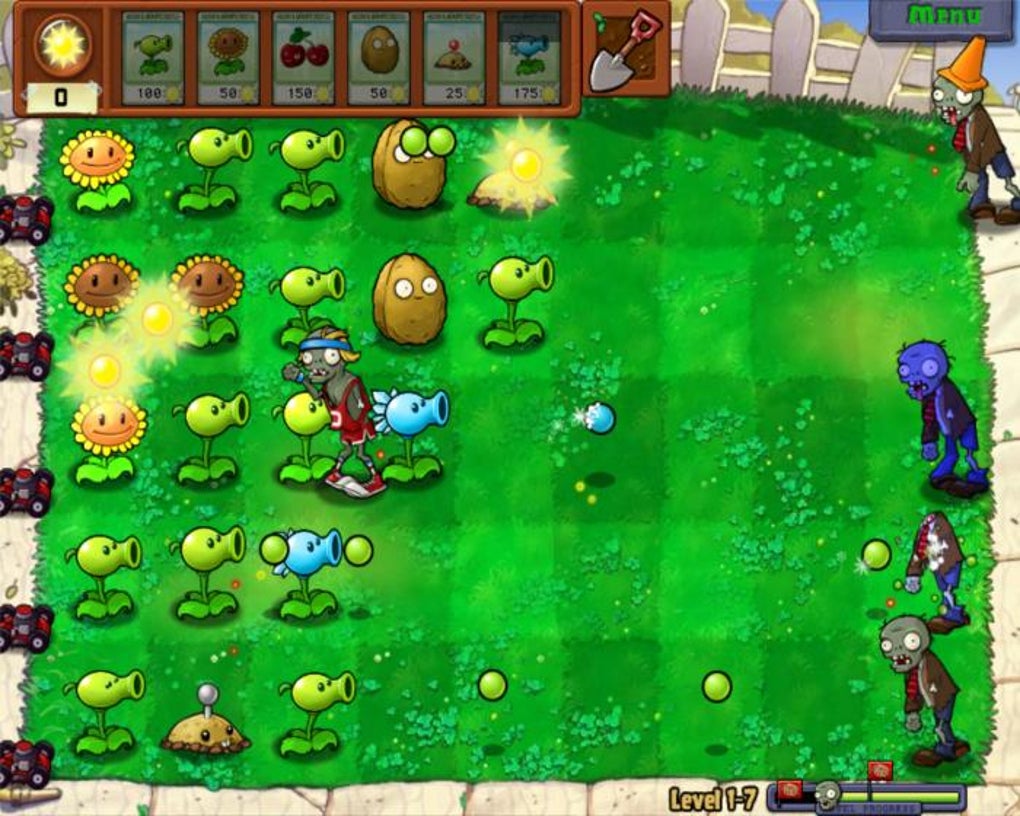
The strategic element of Plants vs. Zombies goes beyond mere placement of plants. Players must consider the individual strengths and weaknesses of both the plants and the zombies. Some plants, like the Pea Shooter, offer sustained, ranged attacks, while others, such as the Wall-nut, serve as robust defensive barriers. Specific zombie types – from the standard shambling undead to those equipped with buckets or possessing unique abilities – demand tailored counter-strategies. The challenge lies in anticipating the zombie waves, anticipating their strengths, and deploying the appropriate plant combinations to effectively neutralize the threat. This strategic depth ensures replayability, as players constantly seek to optimize their plant combinations and defensive strategies.
Beyond the Main Campaign: Exploring Diverse Game Modes
Plants vs. Zombies’ appeal isn’t solely confined to its engaging main campaign. The game boasts a variety of additional modes that enhance its longevity and replayability, offering diverse gameplay experiences to cater to different preferences.
The Survival mode, for instance, pits players against an endless wave of zombies, challenging their ability to withstand the onslaught for as long as possible. This mode emphasizes resource management and strategic adaptability, requiring players to constantly react to changing circumstances and optimize their defenses to survive. The intense pressure and increasing difficulty contribute to an exhilarating, high-stakes gameplay experience.
In stark contrast to the high-pressure survival mode is the Zen Garden. This mode offers a relaxing counterpoint, allowing players to cultivate and nurture their own collection of plants. Players can collect various plants, tend to their growth, and even sell them for in-game currency, creating a peaceful and satisfying break from the intense zombie battles. The Zen Garden mode emphasizes a more laid-back approach to the game’s mechanics, providing a calming interlude that complements the main strategic gameplay.
The variety of game modes ensures that Plants vs. Zombies offers a broad appeal to players with different preferences. Whether seeking a challenging test of strategic skill or a more relaxed horticultural experience, the game provides options to cater to every gamer’s needs.
A Visual and Auditory Delight: Art Style and Soundtrack
Plants vs. Zombies stands out not only for its gameplay but also for its distinctive visual and auditory presentation. The game employs a vibrant, cartoonish art style, contrasting the typically grim depiction of zombies with a lighthearted and playful aesthetic. Both plants and zombies are characterized with exaggerated features and humorous expressions, contributing to the game’s overall whimsical and enjoyable tone. This unique aesthetic choice effectively sets the game apart from its contemporaries, creating a visually appealing and instantly recognizable style.
The game’s soundtrack further enhances its charm, featuring a selection of upbeat and catchy tunes. These tracks are expertly crafted, providing a vibrant and engaging auditory experience without being intrusive or overwhelming. The music effectively complements the gameplay, contributing to the overall positive and enjoyable mood. The sound effects also play a key role, providing satisfying feedback for player actions and adding to the game’s overall charm and immersion. The distinct sounds associated with each plant’s attack, combined with the comical sounds emitted by the various zombies, create a rich auditory experience that seamlessly integrates with the visual presentation.
A Timeless Classic: Enduring Appeal and Legacy
Plants vs. Zombies’ success isn’t a fleeting phenomenon. Its enduring appeal lies in its ability to effectively combine strategic depth with accessible gameplay, creating a game that is both challenging and enjoyable for players of all skill levels. The game’s simple yet engaging core mechanics, coupled with its charming art style, catchy soundtrack, and diverse game modes, have ensured its continued popularity over the years. The success of its sequels and spin-offs further underlines its enduring impact on the gaming world.
The game’s lasting legacy is a testament to its innovative gameplay design and its ability to resonate with a broad audience. Plants vs. Zombies helped popularize the tower defense genre, making it accessible to a wider audience and proving that strategic gameplay doesn’t require overly complex or daunting mechanics. Its success paved the way for numerous similar games, cementing its place as a significant milestone in the history of casual gaming.
Improvements and Criticisms: A Balanced Perspective
While Plants vs. Zombies has received overwhelmingly positive reception, some aspects warrant consideration. While the initial levels are easy to learn, the increased difficulty curve as the game progresses may eventually prove repetitive for some players, leading to a sense of monotony despite the strategic depth. Moreover, the inclusion of in-app purchases, though not essential for completing the game, could be seen as a detracting element by some players who prefer a strictly non-pay-to-win gaming experience. The relatively short length of the main campaign, despite additional game modes, also represents a potential drawback for those seeking a more substantial amount of content.
In conclusion, Plants vs. Zombies remains a highly enjoyable and strategically challenging game. Its simple, yet profoundly effective gameplay loop combined with its charming art style and catchy soundtrack has earned its place as a timeless classic. While certain aspects, such as the potential for repetitiveness and the inclusion of in-app purchases, are points worth considering, these are largely outweighed by the game’s many strengths and enduring appeal. The game’s overall impact on the gaming world, as a major contributor to the popularity of the tower defense genre and a creator of a beloved and easily recognizable brand, solidifies its place as a landmark title in casual gaming history.


