
PlayDead’s Inside, the long-awaited successor to the critically acclaimed Limbo, plunges players into a chilling 2D horror puzzle-platformer. This unsettling journey places you in the shoes of a young boy navigating a dark and surreal world teeming with unsettling creatures and mind-bending challenges. While inheriting the atmospheric dread of its predecessor, Inside carves its own path, offering a unique and disturbing experience that both captivates and unsettles. This exploration delves into the game’s narrative, gameplay mechanics, difficulty, multiple endings, and its overall merit compared to its predecessor, Limbo.
Unraveling the Enigma: The Story of Inside
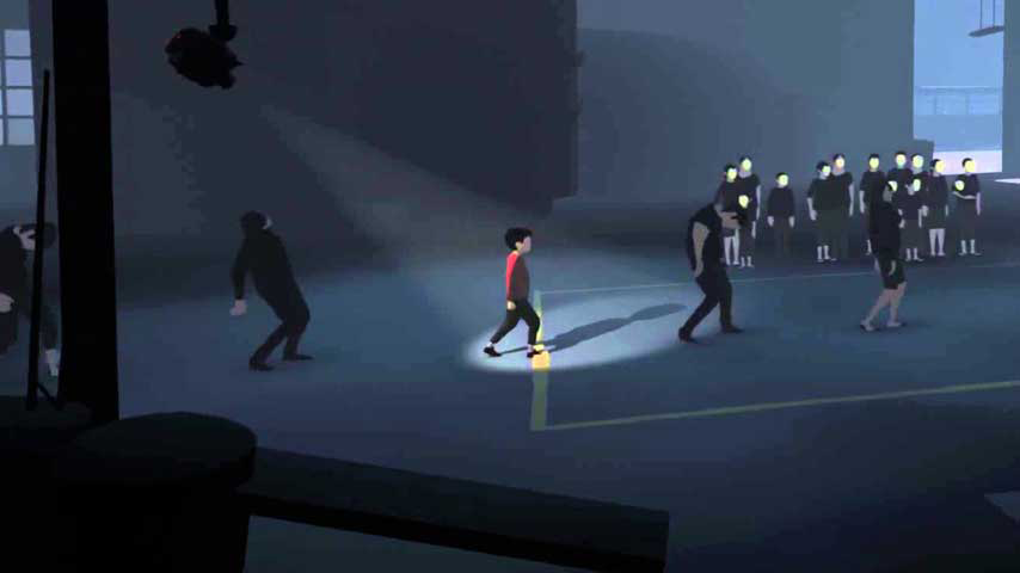
One of Inside’s most captivating, and arguably frustrating, aspects is its enigmatic narrative. The game eschews exposition, offering no introductory text or dialogue throughout its entirety. The player is thrust directly into the action, immediately encountering a young boy in a red shirt fleeing a group of masked children within a shadowy forest. This immediate immersion throws the player into the boy’s desperate situation, forcing them to piece together the fragmented narrative through the environments, encounters, and the boy’s actions.
The lack of explicit storytelling is a deliberate choice. It forces players to actively engage with the game’s unsettling atmosphere and cryptic imagery, drawing them into the boy’s despair and fueling a sense of unease and mystery that persists throughout the gameplay. The narrative unfolds organically as the player progresses, gradually revealing glimpses into the nature of this dystopian world and the boy’s desperate struggle for survival. This subtle storytelling approach contributes significantly to the overall impact of the game, making it profoundly thought-provoking and unsettling. The player is left to interpret the meaning, to piece together the fragmented story, and to confront the unsettling implications of the boy’s journey. This ambiguity, while initially unsettling, contributes to the game’s lasting power and encourages repeated playthroughs in search of further understanding.
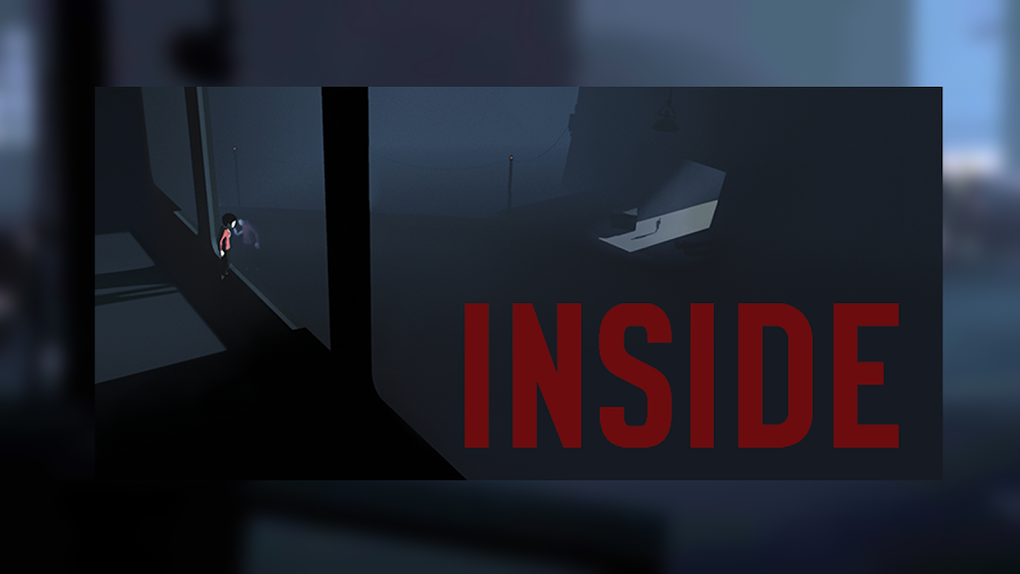
The progression of events sees the young boy navigating a series of increasingly bizarre and nightmarish environments, pursued relentlessly by both human and monstrous antagonists. Each location, from the shadowy forests to the eerie laboratories and mysterious industrial complexes, subtly suggests a deeper, disturbing truth about the world and the forces at play. The game masterfully uses visual storytelling to convey its unnerving message without the need for explicit explanations.
Ultimately, understanding the complete story requires careful observation, attention to detail, and multiple playthroughs. The enigmatic conclusion is a testament to the game’s artistry, leaving a lasting impact and sparking discussion among players long after the credits roll. It’s a narrative that demands interpretation and leaves a lingering sense of unease and wonder.
Navigating the Nightmare: Gameplay Mechanics and Puzzles
Inside is a 2D platformer that seamlessly blends platforming challenges with intricate puzzle-solving elements. The core mechanics are deceptively simple: the player controls the boy, able to run, jump, push, pull, and climb. The controls are responsive and intuitive, allowing for fluid traversal across the varied environments. Early levels include helpful visual cues and signposts, offering subtle guidance on puzzle solutions and introducing the game’s core mechanics. However, this early assistance fades as the game progresses, forcing the player to rely increasingly on observation and experimentation.
The puzzles themselves are brilliantly designed, never overly complicated but always requiring a degree of lateral thinking. They involve manipulating objects within the environment, using the game’s mechanics creatively to overcome obstacles, and even interacting with the strange and unsettling inhabitants of this dark world. The puzzles are carefully integrated into the level design, creating a seamless gameplay experience. There is a satisfying sense of accomplishment in overcoming each challenge, and the complexity gradually increases, demanding more creative solutions.
The game avoids repetitive puzzles, ensuring that the player always feels challenged yet engaged. Each puzzle contributes to the unsettling atmosphere and frequently builds upon the player’s previous experiences, gradually revealing more about the game’s narrative. The integration of the puzzle-solving into the platforming and exploration mechanics is exceptional, resulting in a smooth, fluid gameplay experience that’s both challenging and rewarding.
A Test of Wits: Difficulty and Challenge
Inside’s difficulty is thoughtfully balanced. It’s not overly challenging, yet it demands a degree of skill and patience. While the core mechanics are relatively straightforward, mastering them to overcome increasingly complex challenges and environmental hazards takes practice and precision. The lack of a hint system or tutorial adds another layer to the challenge, encouraging experimentation and resourceful problem-solving.
The game often requires players to revisit previous areas, utilizing newfound skills or understanding to overcome obstacles that were previously insurmountable. This encourages exploration and rewards keen observation, further immersing the player in the game’s atmospheric world. The clever integration of puzzles into the platforming sections ensures a constant level of engagement, preventing the gameplay from becoming monotonous. The challenges are engaging and rewarding without being frustratingly difficult, making it accessible to a wide range of players.
Multiple Endings and Hidden Secrets: A Rewarding Exploration
While Inside doesn’t explicitly reveal its narrative through dialogue or cutscenes, it does offer players a compelling exploration of its world and different endings to discover. There is a primary ending that concludes the main narrative arc, but a secret, alternate ending exists for players willing to uncover its secrets. This alternate ending requires finding and interacting with all fourteen hidden orbs scattered throughout the game. Locating these orbs is no easy feat and demands thorough exploration of each environment, encouraging players to meticulously scour each area. The reward for discovering this alternative ending adds a significant layer of replayability, enhancing the overall gaming experience.
The existence of this hidden ending underscores Inside’s emphasis on exploration and the uncovering of its secrets. It’s a testament to the game’s meticulous design and its ability to reward meticulous players. The alternative ending itself adds further intrigue to the game’s narrative, expanding upon the overall mystery and leaving players with an enhanced understanding of the game’s disturbing world.
Limbo or Inside First? A Matter of Preference
While both Limbo and Inside are distinct games, the narrative threads and overall stylistic choices share some commonalities. Playing Limbo first might offer a smoother introduction to PlayDead’s signature style and atmospheric horror. Limbo’s gameplay mechanics serve as a solid foundation, allowing players to fully appreciate the advancements and refinements in Inside. However, this is largely a matter of personal preference, and starting with either game can offer a rewarding experience. Both games stand on their own merit, and the order of play ultimately impacts the player’s understanding and appreciation of each title’s unique narrative and gameplay aspects.
Verdict: Is Inside Worth Your Time?
Inside is undoubtedly a masterpiece of independent game design. The game’s stunning visuals, coupled with its chilling atmosphere and engaging gameplay, create a truly unforgettable experience. While the game is relatively short, its impactful story and unsettling visuals compensate for its brevity. The game expertly uses its atmospheric environments, subtle narrative cues, and challenging puzzles to create a unique horror game that both captivates and repels in equal measure. The reward of uncovering its hidden secrets adds significantly to its replayability. If you enjoy puzzle-platformers with a dark, atmospheric tone, Inside is a must-play title, and the fact it’s freely available only enhances its appeal. It’s a game that sticks with you long after you’ve finished playing, leaving a lasting impression and sparking conversations regarding its profound themes and enigmatic story.
File Information
- License: “Free”
- Version: “2.4”
- Latest update: “February 23, 2023”
- Platform: “Android”
- OS: “Android 7.0”
- Language: “English”
- Downloads: “496.8K”
- Size: “11.37 MB”
- Download Options: “APK, Google Play”
- Filename: “PlayDead_Inside_2.4_.apk”


