Playster was a subscription-based entertainment platform offering a vast library of movies, music, books, and games, all accessible through a single app. It aimed to be a one-stop shop for digital entertainment, eliminating the need for multiple subscriptions to different services. While the platform no longer exists in its original form, its concept remains relevant in today’s streaming landscape. This article will explore the features, strengths, and weaknesses of Playster, drawing upon user reviews and available information to provide a comprehensive overview.
A Diverse Library of Entertainment
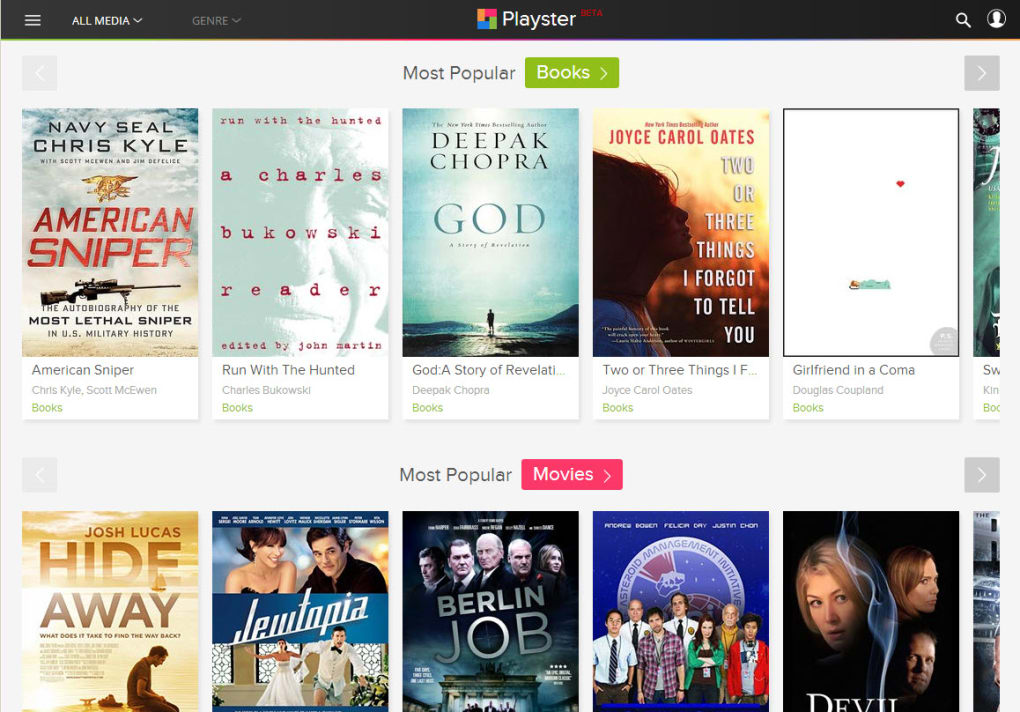
Playster’s core offering was its extensive and diverse digital library. Boasting over 12 million songs, 100,000+ books, 10,000+ movies, and 7,000+ games, it provided an unparalleled breadth of content compared to many individual streaming services. This comprehensive collection was a significant selling point, allowing users to access a variety of entertainment formats within a single subscription. The library included titles from major publishers, labels, and studios across various genres, catering to a broad range of tastes and preferences. From classic literature to new releases, popular music to independent artists, and blockbuster movies to niche documentaries, Playster aimed for inclusivity. This variety promised something for everyone within the family, eliminating the need to juggle different subscriptions for each member’s individual preferences.
User-Friendly Interface and Accessibility
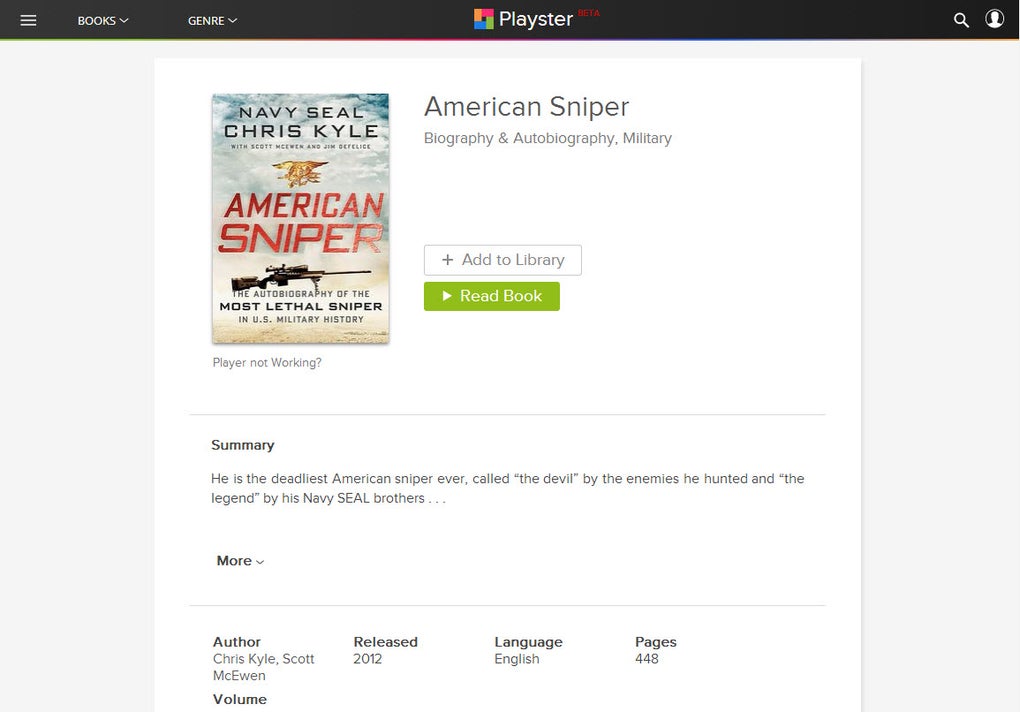
A key aspect of Playster’s design was its user-friendly interface, optimized for ease of navigation across diverse content types. The platform offered robust search functionality, allowing users to quickly find specific titles using keywords or browse by genre. This streamlined search was crucial for efficiently navigating its extensive library. Furthermore, Playster was designed for accessibility across numerous devices, ensuring users could access their content from virtually any web-enabled device. This cross-platform compatibility was a considerable advantage, allowing seamless entertainment on desktops, laptops, tablets, and smartphones. The ability to switch effortlessly between devices without disruption to the viewing or listening experience was a notable feature praised by many users.
Cost-Effectiveness and Value for Money
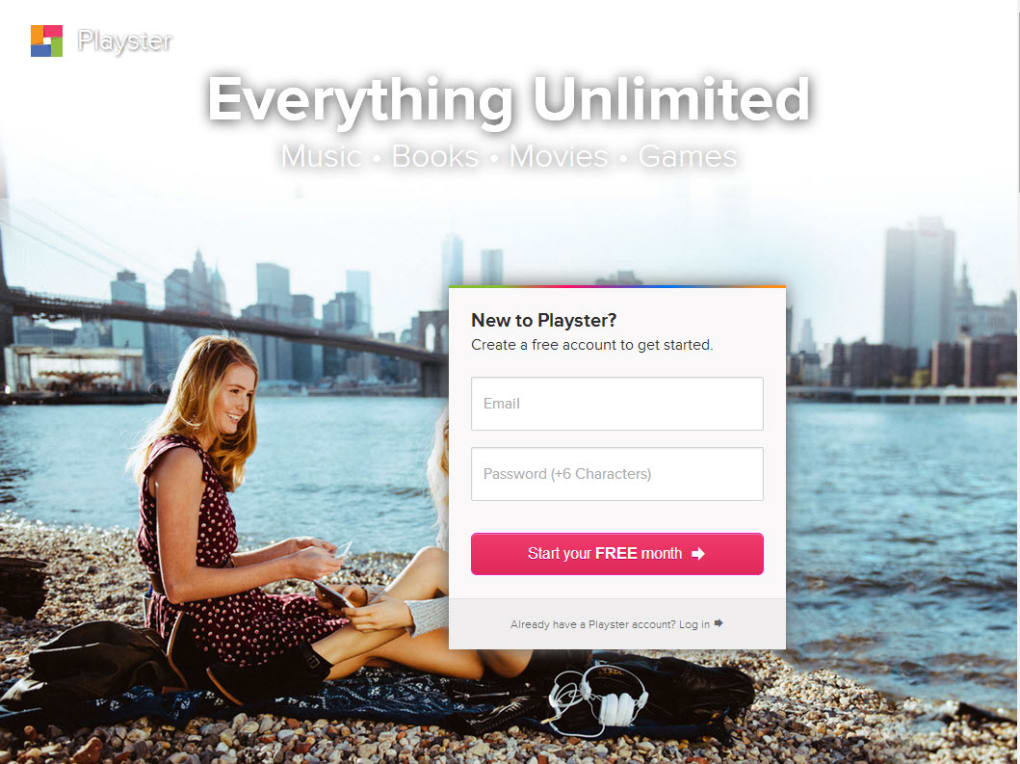
Playster’s value proposition centered on its bundled offering. By combining movies, music, books, and games into a single subscription, it aimed to provide significant cost savings compared to subscribing to each service individually. This bundled model was particularly attractive to users looking to streamline their entertainment expenses and avoid the accumulation of multiple monthly subscriptions. The fact that it offered a free trial period further sweetened the deal, allowing potential users to explore the platform and its vast library risk-free before committing to a paid subscription. The affordability, coupled with the vast variety of content, presented a compelling case for subscribers seeking value for their money.
Social Features and Community Engagement
Although details on specific social features are limited, information suggests Playster incorporated social elements designed to foster community engagement. Users could supposedly share their favorite discoveries with other members of the platform’s community. This aspect of the platform aimed to build a user community centered around shared enjoyment of entertainment content, creating a space for discussion, recommendations, and mutual discovery. While the extent and success of this social component remain somewhat unclear, the concept aligns with the current trend of interactive and social features integrated into many streaming and entertainment platforms.
User Reviews and Criticisms
User reviews reveal a mixed reception towards Playster. While many users praised the app’s all-in-one convenience, vast content library, and user-friendly interface, some criticisms emerged. Several users reported difficulties linking their devices and accessing content, indicating potential technical issues or inconsistencies. Some reviews specifically mentioned the movie collection as being weaker compared to other streaming giants. One particularly negative review suggested that the app was essentially a link to the website, not a standalone application as advertised, indicating a potential mismatch between the advertised functionality and the actual product. These negative reviews highlight potential shortcomings and inconsistencies that might have affected user experience, pointing towards limitations or bugs within the platform’s functionality.
Comparison with Competing Services
Playster’s competitive landscape was dominated by established streaming giants like Netflix, Spotify, and others. While it offered a more comprehensive bundled approach, its relatively lesser-known status and potential technical challenges placed it at a disadvantage. The established platforms benefit from extensive brand recognition, smoother operational processes, and stronger content libraries, especially within individual niches (like music for Spotify or movies for Netflix). Playster’s attempt to be an all-encompassing entertainment hub might have diluted its strength in any particular area, failing to achieve the same level of quality and specialization as its competitors. Its bundled approach, while appealing, ultimately couldn’t compete with the established individual dominance in specific entertainment areas.
Playster’s Legacy and the Future of Bundled Entertainment
Despite its closure, Playster’s concept of an all-in-one entertainment hub remains relevant. The trend toward bundled entertainment subscriptions continues to grow, with many companies exploring various models to offer a wider variety of entertainment under one umbrella. However, the success of such platforms relies heavily on providing a seamless user experience, maintaining a diverse and high-quality library, and addressing technical issues promptly. Playster’s challenges highlight the difficulties in successfully executing such a comprehensive approach. The lesson lies in the need for impeccable functionality, a consistently updated and extensive library across all categories, robust customer support, and a strong brand presence to effectively compete in the fiercely competitive digital entertainment market. The future of bundled entertainment will likely see continued experimentation, with the focus shifting toward achieving a balance between comprehensive content and a superior user experience.
Conclusion
Playster represented an ambitious attempt to create a single platform for all entertainment needs. While it offered a unique and potentially cost-effective approach by bundling movies, music, books, and games, its ultimate failure highlights the challenges of competing with established players in the digital entertainment industry. Issues concerning functionality, user experience, and competition led to its decline. Nevertheless, its core concept of offering an integrated entertainment experience persists, demonstrating the ongoing evolution of entertainment consumption and the potential for future platforms to build upon its strengths and learn from its shortcomings. The lessons from Playster’s experience underscore the vital importance of user-friendliness, consistent high quality across all content categories, and robust technical infrastructure in the quest to create a successful, all-encompassing entertainment platform.
File Information
- License: “Free”
- Version: “1”
- Latest update: “February 12, 2019”
- Platform: “Windows”
- OS: “Windows 2000”
- Language: “English”
- Downloads: “4.6K”
- Size: “37.07 MB”