
The mobile gaming landscape is constantly evolving, with new titles emerging daily. Among the recent releases, Poppy Playtime Huggy Wuggy stands out, not for its official affiliation with the popular Poppy Playtime franchise, but rather for its attempt to capture the essence of the original games within a mobile format. Developed by Easy Way Games, this unofficial title offers a unique blend of puzzle-solving, survival horror, and a dash of frustration, making it a compelling case study in fan-made adaptations and the challenges of porting popular game mechanics to a different platform.
Gameplay Mechanics: A Blend of Familiar Concepts
Poppy Playtime Huggy Wuggy cleverly combines elements from several established game franchises. The core gameplay loop draws heavily from the Granny series, placing the player within a confined environment, requiring them to navigate a series of interconnected rooms, locate key items, and solve puzzles to progress. However, instead of the elderly, weapon-wielding Granny, the player is pursued by the iconic antagonists from the Poppy Playtime universe: Huggy Wuggy and Kissy Missy. This substitution of antagonists injects a familiar visual aesthetic into a largely known gameplay structure, immediately establishing a sense of familiarity for players of either series.
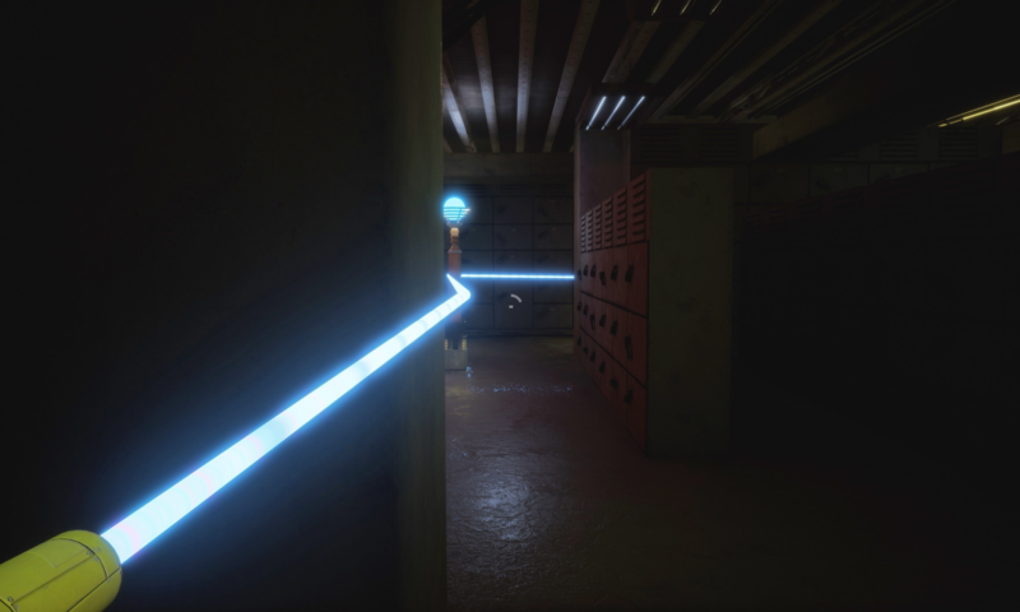
The game is divided into two distinct chapters, each presenting a unique setting and challenges. The first chapter unfolds within a relatively compact house, providing a contained environment perfect for introducing the core mechanics. The second chapter throws a curveball, placing the player’s car in a bear trap, shifting the focus to escaping a more outdoor, less confined setting. While the shift in setting offers a degree of variety, it also highlights a noticeable difference in the game’s overall polish. The environments, while presented in full 3D, exhibit a disparity in quality, with the second chapter noticeably lacking the level of detail and texture present in the first. This inconsistent visual fidelity detracts from the overall immersion and contributes to a sense of incompleteness.
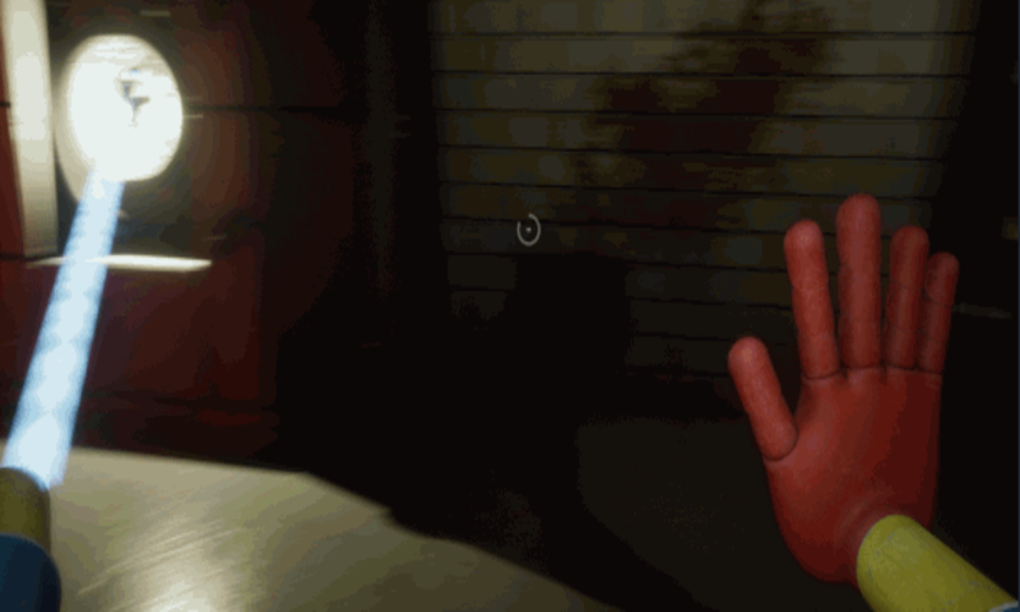
Controls are relatively intuitive, utilizing a left-hand joystick for movement and an invisible right-hand drag-and-swipe mechanism for looking around. This simple control scheme is easily grasped, yet limitations in movement become frustratingly apparent in certain areas. The player can find themselves easily stuck in awkward positions, becoming sitting ducks for the ever-present antagonists, leading to repetitive death and restarts. This control limitation is a critical design flaw that undermines the overall gameplay experience. The restricted movement significantly hampers exploration and puzzle-solving, ultimately hindering the game’s ability to maintain consistent player engagement.
.webp)
Visual and Audio Presentation: A Mixed Bag
The visual presentation in Poppy Playtime Huggy Wuggy represents a mixed bag. While the 3D environments are a notable attempt to capture the look and feel of the Poppy Playtime universe, the significant disparity in visual fidelity between the two chapters is glaring. The first chapter, set inside the house, shows comparatively refined graphics and textures. In stark contrast, the second chapter, where the player’s vehicle is trapped, exhibits a noticeable drop in graphical quality and texturing, leading to a less immersive and somewhat jarring experience.
The audio design, while not a significant contributor to the game’s overall strengths or weaknesses, serves its purpose adequately. The sound effects are functional, contributing to the atmosphere without being particularly exceptional or memorable. The music, if present, plays a rather passive role, filling the background noise without actively enhancing or shaping the gameplay experience.
Monetization and Technical Issues: A Significant Detractor
.webp)
One of the most significant criticisms of Poppy Playtime Huggy Wuggy revolves around its monetization strategy. The game is riddled with unskippable advertisements that frequently interrupt the gameplay flow. While this intrusive advertising can be circumvented by playing the game offline, this workaround represents a less-than-ideal solution, as it deprives players of the intended online leaderboards or multiplayer functions if included. The sheer frequency of these advertisements, however, significantly detracts from the overall enjoyment and immersion. This aggressive monetization, coupled with the already present gameplay limitations, further discourages players.
Beyond the monetization, the game also suffers from technical issues beyond the visual disparities. The aforementioned restrictive movement can result in soft locks, forcing players into frustrating situations where they cannot progress without resorting to restarting the game. These technical problems, compounded by the inconsistent graphical fidelity and the aggressive advertising, significantly impact the player’s experience, rendering what could have been a fun and engaging mobile title into something significantly less enjoyable.
Comparison to Other Games: Drawing Parallels
As previously mentioned, Poppy Playtime Huggy Wuggy borrows heavily from the gameplay mechanics of the Granny series. This is most evident in the puzzle-solving elements, the confined environments, and the need to evade a relentless pursuer. However, unlike Granny, which offers a more substantial amount of content and gameplay depth, Poppy Playtime Huggy Wuggy feels significantly shorter and less polished. The game’s reliance on borrowed mechanics without significant enhancements or creative innovations highlights the limitations of a direct adaptation without thoughtful reimagining.
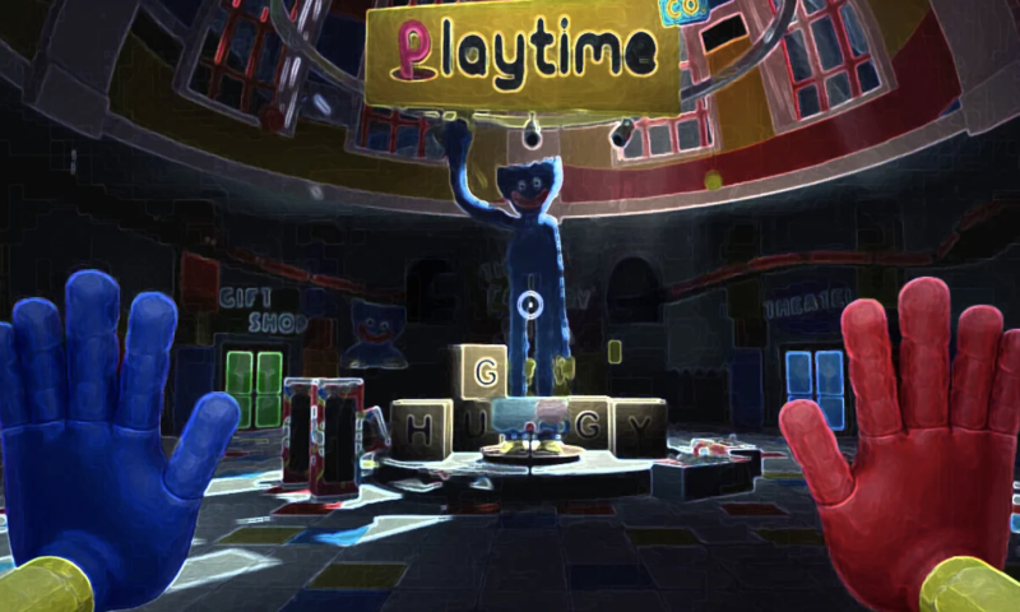
The game’s use of characters from Poppy Playtime also deserves consideration. While these familiar faces instantly appeal to fans of the original franchise, their integration feels somewhat superficial. The inclusion of Huggy Wuggy and Kissy Missy is purely cosmetic; there is no significant reimagining of their character or motivations within the context of this mobile game. They remain largely simplistic adversaries whose presence primarily serves to visually connect the game to the source material rather than contributing anything unique to the mobile game itself.
.webp)
Conclusion: A Missed Opportunity?
Poppy Playtime Huggy Wuggy, while an ambitious attempt at creating a mobile adaptation of the Poppy Playtime experience, ultimately falls short of its potential. The game suffers from a combination of factors, including inconsistent visual fidelity, restrictive controls that lead to frequent frustration, aggressive and disruptive monetization strategies, and a lack of innovation in adapting core gameplay mechanics. While the familiar characters and the basic puzzle-solving elements might initially attract players, the numerous shortcomings quickly overshadow any positive aspects. The game ultimately serves as a cautionary tale—a reminder that simple adaptation is not enough; successful porting requires thoughtful reconsideration and creative refinement of mechanics to fit the target platform and enhance the overall gaming experience. The significant drawbacks present in Poppy Playtime Huggy Wuggy demonstrate a missed opportunity, a chance to create a compelling mobile game built around a beloved franchise that was ultimately squandered by poor execution and a lack of attention to fundamental game design principles. For those seeking a truly engaging mobile horror experience, this title is best left unexplored, allowing players to pursue more polished and refined titles instead.
File Information
- License: “Free”
- Version: “1.1”
- Latest update: “February 13, 2023”
- Platform: “Android”
- OS: “Android 9.0”
- Language: “English”
- Downloads: “45.9K”
- Size: “51.66 MB”
- Download Options: “APK, Google Play”
- Filename: “Poppy_Playtime_Huggy_Wuggy_1.1.apk”


