Post Trauma Demo is a free-to-play, single-player survival horror game available for Windows. Developed by robertoserrag (RobertoSerraG), this 3D indie title throws players into a chilling, atmospheric experience reminiscent of classic horror games like Resident Evil and Silent Hill. The game, currently in beta, offers a compelling blend of exploration, puzzle-solving, and psychological horror elements, all wrapped in a captivatingly creepy setting. However, its unique design choices, while contributing to its atmosphere, also present some notable challenges. This review delves into the game’s strengths and weaknesses, providing a comprehensive overview for potential players.
Gameplay and Setting: A Creepy Subway Station
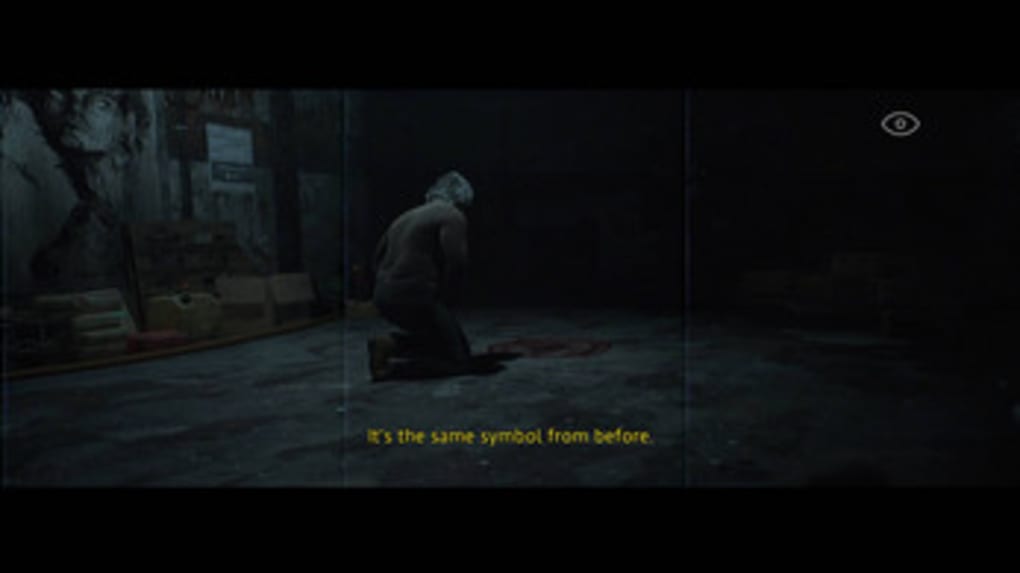
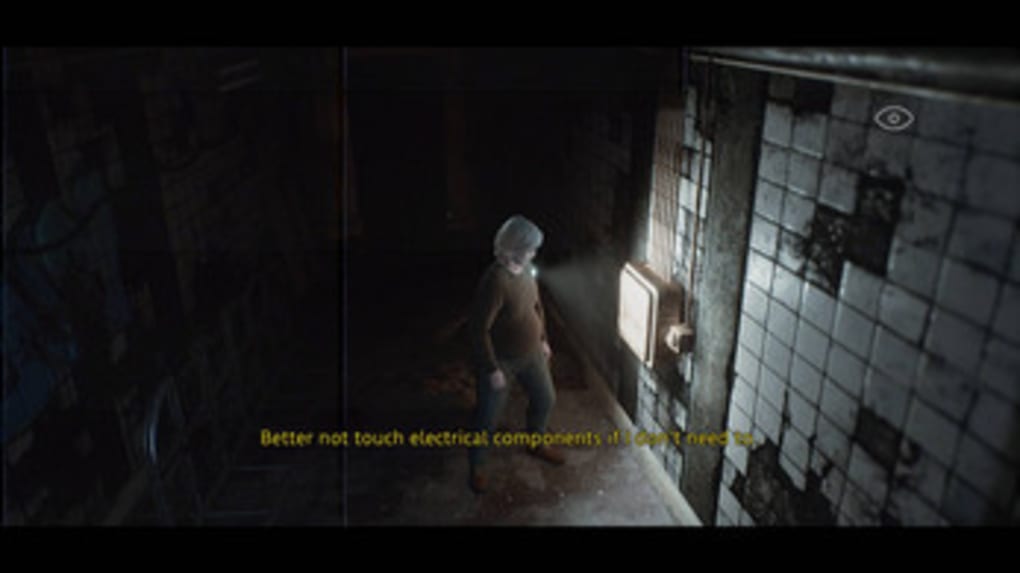
The game begins abruptly, dropping players into the role of Roman, an elderly man who awakens disoriented within a derelict subway station. The immediate sense of isolation and unease sets the tone for the entire experience. The station itself is a labyrinthine network of dimly lit tunnels, decaying platforms, and unsettlingly quiet corridors. Every corner seems to harbor a potential threat, both physical and psychological. The atmosphere is expertly crafted, utilizing sound design, lighting, and environmental details to create a persistent sense of dread.
The gameplay revolves around exploration and puzzle-solving. Players must navigate the station, searching for clues and items that unlock pathways and advance the narrative. Puzzles vary in complexity, ranging from simple environmental interactions to more intricate challenges requiring players to piece together fragmented information. The game’s reliance on environmental storytelling adds to its mystique, encouraging meticulous exploration to uncover hidden details. The environments are rich in detail, hinting at a disturbing history and a possible explanation for Roman’s predicament. Each area holds potential clues, from interactive objects to cryptic graffiti on the walls – all contributing to the unsettling narrative.
However, a significant mechanic that both adds to and detracts from the experience is the lack of an in-game journal. The absence of this critical feature forces players to rely on external note-taking, whether on paper or using a digital notepad. This necessitates active engagement with the game’s clues and encourages players to document their discoveries meticulously. While this approach promotes a more immersive, realistic style of puzzle-solving, it can also become cumbersome and detract from the overall fluidity of the gameplay.
Character and Narrative: Unraveling the Mystery
The game’s narrative unfolds slowly, gradually revealing fragments of Roman’s past and the unsettling truth behind his predicament. The main character, Roman, isn’t simply a passive observer; his age and apparent vulnerability further enhance the feeling of helplessness. The absence of a detailed backstory allows players to fill in the blanks, drawing their own conclusions based on the cryptic clues they uncover.
The puzzles themselves act as narrative devices, revealing snippets of information through their solutions. The game’s creators expertly utilize environmental cues and seemingly innocuous objects to advance the story, rewarding careful attention to detail. The player is constantly questioning what is real, what is hallucination, and what might be lurking just outside the range of vision. The lack of overt exposition intensifies the psychological horror, forcing the player to actively piece together the story from scattered clues and environmental storytelling.
Visuals and Sound Design: A Masterclass in Atmosphere
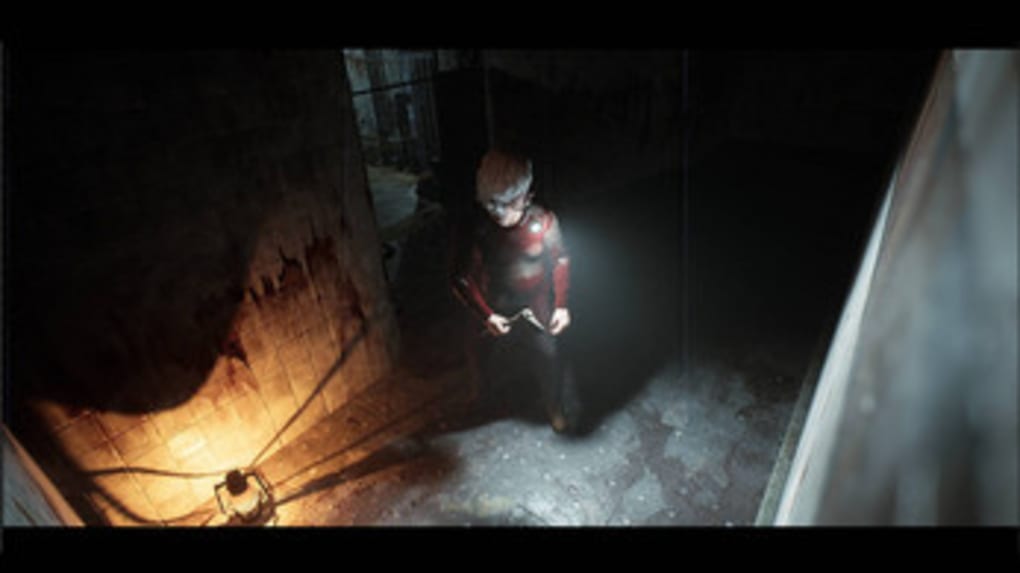
Post Trauma Demo excels in its visual and auditory presentation. The game’s graphics are detailed enough to create a believable atmosphere of decay and abandonment, without relying on excessive realism. The textures, lighting, and model detail create a convincing representation of a neglected subway station, enhancing the overall feeling of isolation and unease. The use of shadows and darkness adds to the claustrophobic feel of the environment, contributing to a persistently unsettling atmosphere.
The sound design is equally impressive. Ambient sounds subtly shift, creating a constant feeling of unease and anticipation. The subtle noises and moments of silence amplify the tension, effectively communicating the sense of vulnerability and isolation. The sound design deftly uses silence as a tool to build anticipation, and the infrequent appearances of more ominous sounds greatly impact the player experience.
Gameplay Mechanics: A Blend of Old and New
Post Trauma Demo adopts a classic third-person perspective with fixed camera angles, reminiscent of early survival horror games. This choice, while contributing to the game’s nostalgic atmosphere, can sometimes feel restrictive. While the majority of the game employs this perspective, some sections transition to a first-person view, providing a temporary shift in the perspective and adding to the variety of gameplay.
The controls are straightforward, and the gameplay mechanics are simple to learn, allowing players to focus on the exploration and puzzle-solving aspects. There’s no complex inventory management or combat system; the focus remains on navigating the environment and uncovering the story.
The Importance of Note-Taking: A Double-Edged Sword
The game’s most notable feature—and perhaps its most significant flaw—is the lack of an in-game journal or note-taking system. This design choice forces players to document their findings externally. This adds an extra layer of immersion, creating a more authentic experience that encourages players to meticulously record every discovery. While this contributes significantly to the game’s atmosphere and puzzle-solving, it can also prove disruptive to the flow of gameplay. The lack of a journal necessitates constant interruptions to the gameplay to record clues, and this constant switching back and forth can become tedious, hindering the overall gameplay experience.
Potential for Improvement: Areas for Future Development
While Post Trauma Demo is a promising title, it’s essential to remember that it is currently a demo version. The developer has acknowledged that some aspects of the game might not be included in the final release. Therefore, it’s reasonable to expect changes and improvements in future updates.
The lack of an in-game journal stands out as the most immediate area for improvement. Implementing a simple journal system would significantly improve the player experience without compromising the game’s unique atmosphere. Other potential enhancements could include improved enemy AI, a more refined storyline, and additional environmental detail to further enhance the already immersive experience.
Conclusion: A Captivating but Flawed Demo
Post Trauma Demo is a compelling demonstration of the potential for well-crafted psychological horror experiences. The game’s atmospheric setting, challenging puzzles, and creative use of sound design creates an exceptional gaming experience. However, the lack of an in-game journal system could detract from enjoyment for some players. Despite this significant issue, the game’s strengths overwhelmingly compensate for this limitation. It’s a must-try for fans of classic survival horror games and those who appreciate a good, atmospheric puzzle. For those who enjoy a challenge, and are prepared to embrace the note-taking mechanic, Post Trauma Demo offers a uniquely rewarding experience. As a demo, it successfully captures the essence of the full game and leaves the player eager for more. Given the significant potential the game demonstrates, its future development is eagerly anticipated.
File Information
- License: “Demo”
- Version: “beta”
- Latest update: “January 4, 2022”
- Platform: “Windows”
- OS: “Windows 8.1”
- Language: “English”
- Downloads: “229”
- Size: “3.07 GB”