PPStream, a once-popular peer-to-peer (P2P) streaming application for Windows, offered a unique approach to online video consumption. While no longer available for download, its legacy provides a valuable case study in the evolution of online streaming and the challenges faced by early P2P platforms. This article explores the features, strengths, weaknesses, and ultimate demise of PPStream, contextualizing it within the broader landscape of internet technology and the changing media consumption habits of its time.
PPStream’s Functionality and User Experience
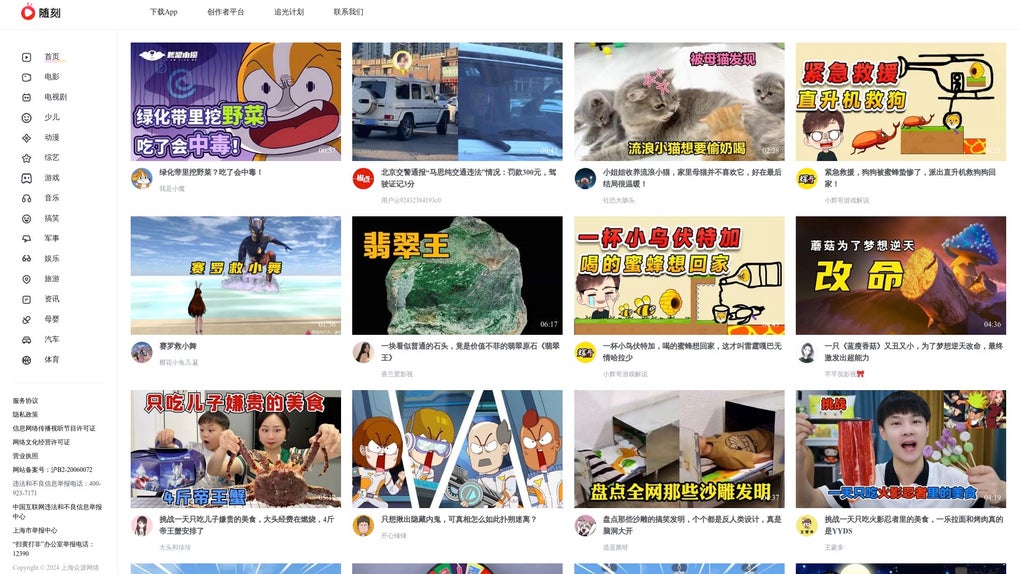
PPStream was designed to provide users with easy access to a wide variety of streaming video content. Its core functionality revolved around a simple, channel-based interface. Users would select a channel from a comprehensive list, and the application would then stream the selected content directly. This streamlined approach aimed to minimize technical barriers and provide a straightforward user experience. The content available spanned various genres, including sports, movies, television series, and other forms of video entertainment. A key selling point was its purported high-quality image streaming, a significant factor in attracting users during a time when internet speeds and streaming technology were less advanced than they are today.
The application’s design, however, was not without its flaws. A significant drawback was the incomplete translation within the application itself. This presented a considerable hurdle for non-Chinese speakers, making navigation of the extensive channel list difficult and hindering accessibility for a large potential user base. Furthermore, while additional channels could be downloaded from the official PPStream website, this resource was primarily in Chinese, further exacerbating the language barrier and potentially alienating non-Chinese-speaking users. This localization issue highlights a critical aspect of software development: the importance of internationalization and accessibility to ensure a broader appeal and wider user adoption. A software application, no matter how technically sound, will fail to gain traction if it’s not accessible to its intended audience.
The Technical Architecture of PPStream and its Reliance on P2P
PPStream’s functionality relied heavily on peer-to-peer technology. This meant that the streaming content wasn’t solely served from a central server, but rather distributed across a network of users. Each user who downloaded and used the application effectively became a node in the network, contributing to the distribution of video content. This approach had several implications.
On the positive side, it potentially offered scalability and resilience. A large user base meant that the overall system could handle a higher volume of simultaneous streams compared to a traditional server-based model. The decentralized nature of P2P also made it theoretically more resilient to outages or attacks, as no single point of failure existed. However, this scalability and resilience came at a cost. P2P networks are notorious for their inherent variability in performance, largely due to the dependence on individual users’ internet connections and bandwidth. A user with a slow or unstable connection could negatively impact the streaming quality for others connected to the same channel.
Furthermore, P2P networks present challenges in terms of content management and copyright protection. PPStream’s reliance on this technology likely contributed to its legal vulnerability and ultimately, its demise. The lack of central control made it difficult to monitor and control the content distributed across the network, opening the door to potential copyright infringement issues. This was a significant factor in the eventual decline and eventual closure of many similar P2P platforms during the rise of more centralized and legally compliant streaming services.
PPStream’s Market Position and Competition
PPStream entered a competitive market. At the time of its operation, other P2P file-sharing and streaming applications were vying for users’ attention. While PPStream offered a user-friendly interface and a broad selection of content, it faced increasing pressure from competitors with similar functionalities and often better internationalization strategies. The limitations of its user interface and the language barrier became increasingly apparent as more sophisticated and internationally-focused platforms emerged.
The rise of centralized streaming services like Netflix and Hulu, with their focus on legal content, high-quality streaming, and user-friendly interfaces, also posed a significant threat to PPStream. These platforms provided a more convenient and legally secure alternative to P2P solutions, offering curated content and consistent streaming quality. The convenience and ease of use offered by these centralized platforms proved increasingly attractive compared to the inherent inconsistencies and potential legal risks associated with P2P solutions.
The Decline and Disappearance of PPStream
The combination of legal pressures, competition from more established and sophisticated streaming services, and the inherent limitations of its P2P technology ultimately led to the demise of PPStream. The software is no longer available for download, highlighting the ephemeral nature of many early internet applications. The inability to adapt to the evolving landscape of online video streaming, coupled with the ongoing challenges of managing copyright issues in a P2P environment, contributed to its eventual shutdown.
This situation highlights a critical lesson in the technology industry: even innovative applications with a strong initial user base can fade from relevance if they fail to adapt to evolving technological standards, user expectations, and the regulatory environment. PPStream’s story serves as a cautionary tale for developers, illustrating the importance of long-term strategic planning, continuous improvement, and a commitment to addressing the legal and ethical considerations inherent in the distribution of digital content. Its legacy serves as a reminder of the rapid pace of technological innovation and the challenges of maintaining relevance in a constantly shifting digital landscape.
Lessons Learned from PPStream’s Trajectory
The story of PPStream is more than just the narrative of a defunct software application; it offers valuable lessons applicable across various aspects of the technology industry. The failure to effectively address localization and accessibility issues emphasizes the crucial role of internationalization in maximizing market reach. The inherent challenges of P2P technology in terms of copyright management and content control highlight the complexities of balancing innovation with legal compliance. Finally, the emergence of centralized streaming services demonstrated the power of a user-friendly interface, consistent service quality, and a legally sound business model in dominating the market. PPStream’s legacy should serve as a cautionary tale, demonstrating the need for adaptability, foresight, and a commitment to evolving technological and market demands to ensure long-term success in the dynamic world of software development and online media distribution.
File Information
- License: “Free”
- Version: “3.1.0.1149”
- Latest update: “June 27, 2025”
- Platform: “Windows”
- OS: “Windows 11”
- Language: “Chinese”
- Downloads: “13”


