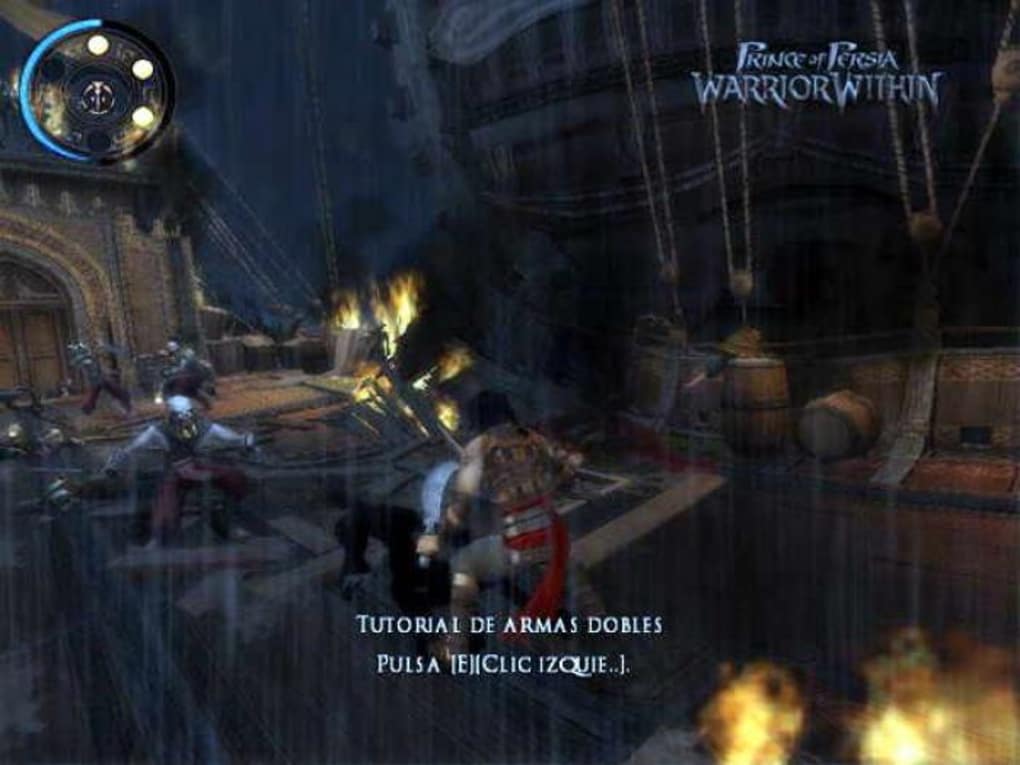
Years after the temporal manipulations of Prince of Persia: The Sands of Time, the Prince returns, not as the relatively naive and impetuous youth of the previous installment, but as a hardened warrior, his skills honed by countless battles and betrayals. This transformation is not merely cosmetic; it reflects a fundamental shift in the game’s narrative and gameplay. Prince of Persia: The Warrior Within takes the established formula and infuses it with a darker, more mature atmosphere, a heightened sense of urgency, and a significantly more challenging experience. The carefree acrobatics of the Sands of Time are replaced with a more brutal and visceral combat system, reflecting the Prince’s internal struggles and the relentless pursuit of his vengeful nemesis.
A Darkness Descends: The Shadow of the Dahaka
The core narrative of The Warrior Within revolves around the Prince’s desperate attempt to escape his predetermined fate. Unlike the relatively self-contained story of The Sands of Time, this sequel plunges directly into the consequences of the Prince’s previous actions. He is hunted relentlessly by the Dahaka, a monstrous, immortal embodiment of destiny itself, a creature fueled by the ripple effect of the Prince’s past time-bending escapades. This isn’t a simple chase; the Dahaka is a palpable presence, a constant reminder of the inescapable weight of consequence that hangs over the Prince’s every move. Its pursuit is not merely a game mechanic; it’s a symbolic representation of the Prince’s internal turmoil and the crushing weight of his actions.
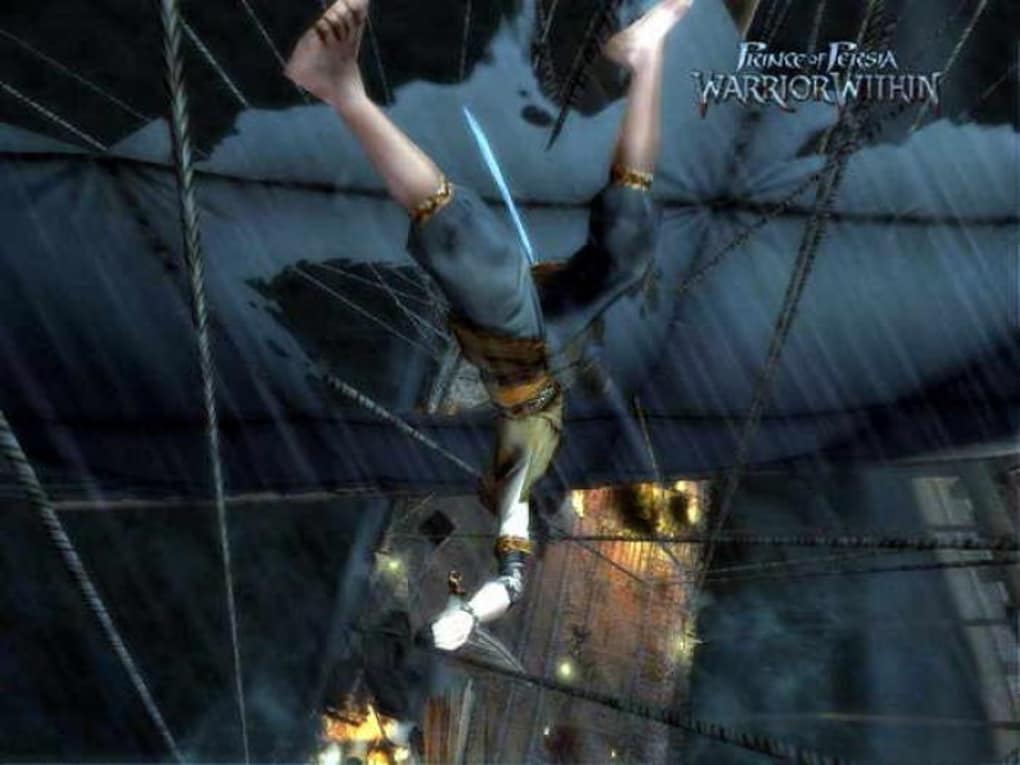
The Dahaka’s relentless pursuit forces the Prince into a desperate gamble: to alter the past and prevent the events of The Sands of Time from ever occurring. This journey, however, is far from straightforward. The game’s narrative explores themes of fate versus free will, the moral implications of altering the past, and the corrosive effects of power and vengeance. The Prince is not merely fighting for survival; he’s grappling with his own identity, his choices, and the consequences of his actions. He is a man wrestling with his own demons, both literally and figuratively, reflecting the darker tone of the game.
Enhanced Combat and a More Brutal World
The combat system in The Warrior Within undergoes a significant overhaul compared to its predecessor. While the acrobatic elements remain, the emphasis shifts to a more visceral and brutal fighting style. The Prince’s movements are more fluid and aggressive, allowing for a wider array of devastating combos and counter-attacks. The enemy AI is also significantly improved, presenting a greater challenge and requiring more tactical thinking than before. Enemies are smarter, more aggressive, and utilize a wider range of attacks, forcing players to adapt their strategies and master the new combat mechanics. This isn’t just about button mashing; it demands precision, timing, and strategic thinking to emerge victorious.
The environments in The Warrior Within reflect the game’s darker themes. The vibrant and relatively sun-drenched world of The Sands of Time gives way to a more desolate and menacing landscape, filled with perilous traps, treacherous terrain, and a pervasive sense of foreboding. The overall aesthetic is more gothic and grim, emphasizing the relentless pressure exerted by the Dahaka and the Prince’s increasingly desperate struggle for survival. The shift in atmosphere is profound, underscoring the dramatic shift in the Prince’s character arc and the desperate nature of his quest.
Time Manipulation: A Refined Power, a Greater Responsibility
Time manipulation, a core mechanic in The Sands of Time, returns in The Warrior Within, albeit with subtle but significant changes. The Prince’s ability to rewind time remains crucial to navigating treacherous environments and overcoming challenging combat encounters. However, the power’s usage is less forgiving, and the consequences of its misuse are more pronounced. The game challenges players to use their temporal abilities judiciously, adding another layer of strategic depth to the gameplay. It’s no longer just a tool for escaping death; it becomes a vital component in mastering the game’s increasingly difficult challenges.
The refinement of the time-bending mechanic reflects the Prince’s increased mastery of his abilities, but also underscores the growing cost associated with tampering with the natural order. The game subtly suggests that the Prince’s continued manipulation of time is contributing to his own darkening persona, adding a layer of psychological depth to the gameplay experience beyond just the thrill of combat and puzzle-solving.
A Psychological Journey: The Prince’s Transformation
The Prince’s evolution is arguably the most significant aspect of The Warrior Within. He’s no longer the relatively innocent protagonist of The Sands of Time. His experiences have left him hardened, cynical, and deeply scarred. His actions are frequently morally ambiguous, and his journey is as much a psychological exploration as it is a physical adventure. The game deftly explores the impact of trauma and the consequences of one’s choices, providing a more nuanced and compelling character arc than its predecessor. He is no longer just a hero; he is a complex and flawed individual forced to confront the consequences of his past actions. This internal struggle, mirrored by the external pressure from the Dahaka, forms the backbone of the narrative, pushing the gameplay beyond simple action and into the realm of a more thoughtful and emotionally resonant experience.
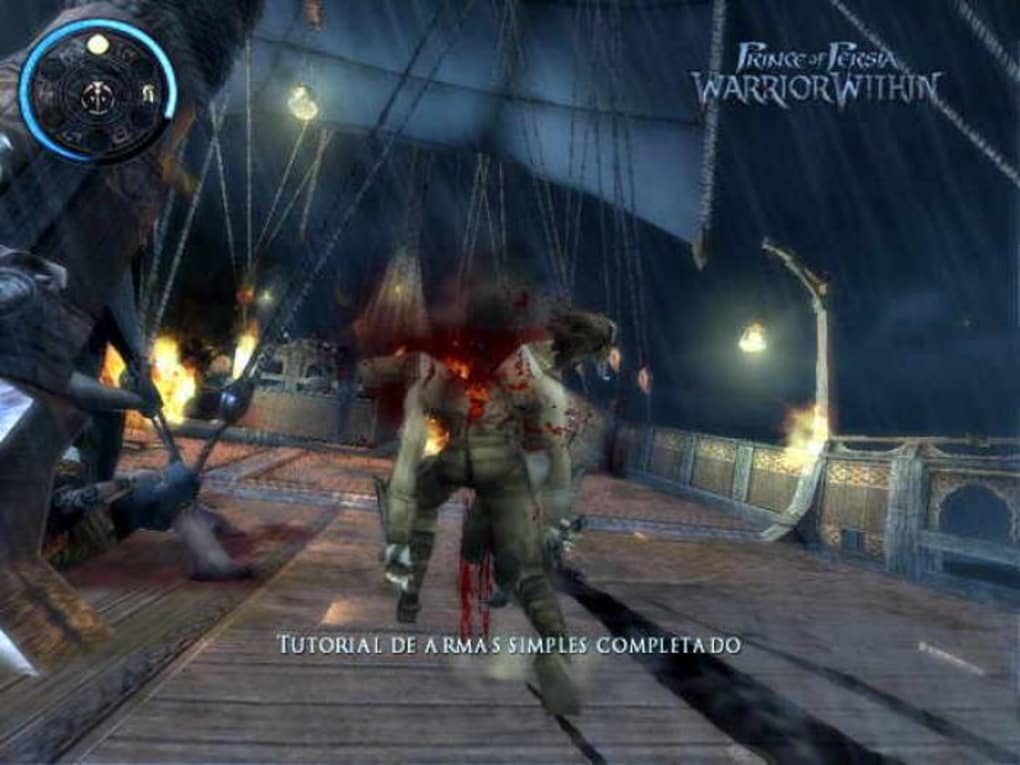
The change in the Prince’s personality is reflected not just in the narrative but also in his interactions with the world around him. His dialogue is sharper, his actions more ruthless, and his overall demeanor reflects a character burdened by his past and consumed by his quest for survival. This makes the player’s investment in his fate more profound, as they are not simply guiding a hero on a quest, but rather accompanying a troubled individual on a harrowing journey of self-discovery and redemption. The game subtly questions the nature of heroism and the cost of pursuing one’s goals, especially when those goals involve manipulating the fabric of time itself.
In conclusion, Prince of Persia: The Warrior Within isn’t merely a sequel; it’s a bold reimagining of the franchise, taking the established foundations and expanding upon them in a way that is both challenging and rewarding. The darker tone, the enhanced combat system, the refined time-bending mechanics, and the deeply compelling character arc of the Prince all combine to create a unique and unforgettable gaming experience. It’s a game that pushes the boundaries of the action-adventure genre, delivering a visceral and emotionally resonant narrative that lingers long after the credits roll. The relentless pursuit of the Dahaka is not just a gameplay mechanic; it’s a metaphor for the internal battles the Prince wages and the profound consequences of his choices, making The Warrior Within a far more mature and thought-provoking experience than its predecessor. It is a testament to the evolution of both the Prince himself and the Prince of Persia franchise as a whole.