
Private Internet Access (PIA) is a popular Virtual Private Network (VPN) service provider offering a range of features designed to enhance online privacy and security. This in-depth review explores PIA’s capabilities, user experience, security protocols, and compares it to alternative options available in the market. We’ll examine its strengths and weaknesses to help you decide if PIA is the right VPN for your needs.
PIA’s Core Features and Functionality
PIA’s primary function is to encrypt your internet traffic, masking your IP address and online activities from your internet service provider (ISP), government surveillance, and other potential trackers. This encryption creates a secure tunnel, ensuring your data remains confidential even when using public Wi-Fi networks. Beyond basic VPN functionality, PIA boasts an impressive array of features designed to enhance user privacy and control:
-
Multiple Protocols: PIA supports various VPN protocols, including WireGuard, OpenVPN, and IPSec, allowing users to select the protocol best suited to their specific needs and security preferences. WireGuard, known for its speed and efficiency, is a popular choice for everyday browsing, while OpenVPN offers robust security for sensitive activities. The availability of multiple protocols provides flexibility and caters to varying levels of technical expertise.
-
Robust Encryption: PIA employs industry-standard AES-128 and AES-256 encryption, considered highly secure and effective at protecting your data from unauthorized access. The choice between AES-128 and AES-256 allows users to balance security with performance, as AES-256, while more secure, can slightly impact connection speeds.
-
Kill Switch: PIA incorporates a kill switch feature that automatically terminates your internet connection if the VPN connection drops unexpectedly. This prevents data leaks and ensures your online activity remains protected, even during temporary connection interruptions. Users can customize the kill switch settings to tailor its behavior to their specific needs.
-
MACE Ad & Tracker Blocker: PIA includes MACE, an integrated ad and tracker blocker that enhances privacy by preventing intrusive advertisements and online tracking attempts. MACE works by blocking known advertising domains and trackers, reducing the amount of data collected about your browsing habits. This feature is particularly useful for users concerned about targeted advertising and data collection.
-
Custom DNS: PIA offers custom DNS servers, providing an alternative to your ISP’s DNS servers. Using PIA’s DNS servers helps prevent DNS leaks, ensuring your online activity remains private, even if your VPN connection is compromised. This is a critical security feature that enhances anonymity and prevents your real IP address from being exposed.
-
Browser Extensions: PIA provides browser extensions for popular browsers like Chrome and Firefox, simplifying the process of connecting to the VPN and managing its settings. These extensions often integrate features such as split tunneling, which allows users to route certain websites or applications through the VPN while others bypass it. This is helpful for accessing geo-restricted content while using your regular connection for local applications.
-
Torrent Support: PIA explicitly supports peer-to-peer (P2P) file sharing, a feature often excluded by other VPN providers. This makes it a suitable choice for users who frequently download torrent files, enhancing their privacy and security while downloading. PIA’s dedicated P2P servers can offer better speeds and stability for torrenting.
PIA’s Security and Privacy Policies
A key selling point for PIA is its strict no-logs policy. The company consistently emphasizes its commitment to user privacy, claiming it does not log user activity, connection timestamps, or browsing history. This is a significant advantage for privacy-conscious users who seek maximum protection against data breaches and government surveillance. PIA’s no-logs policy has even been tested in court, further reinforcing its commitment to user privacy.
PIA’s security measures extend beyond its no-logs policy. The use of strong encryption protocols, a kill switch, custom DNS, and the MACE ad blocker collectively contribute to a secure and private browsing experience. The company regularly updates its software to patch security vulnerabilities and maintain its high security standards.
User Experience and Ease of Use
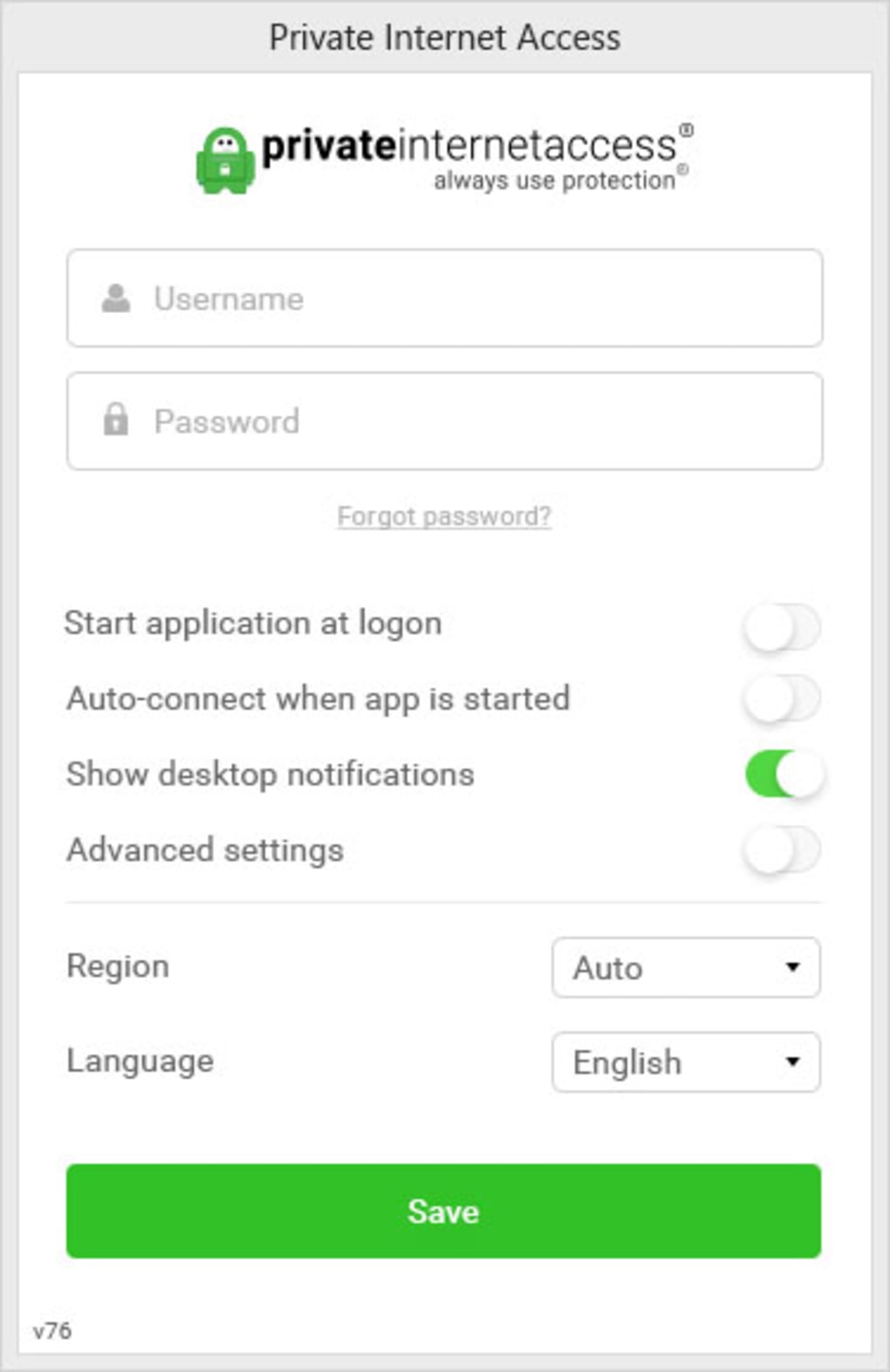
PIA is praised for its user-friendly interface. The desktop application is intuitive and straightforward to use, even for users with limited technical experience. Connecting to a VPN server is a simple one-click process, and the settings are easily accessible and customizable. The mobile applications mirror this ease of use, providing a consistent experience across different platforms.
Pricing and Plans
PIA offers various subscription plans, including monthly and yearly options. While it doesn’t offer a free trial, it provides a 30-day money-back guarantee, allowing users to test the service risk-free. Compared to some competitors, PIA is often considered competitively priced, particularly for its yearly subscription plans. The inclusion of a one-year subscription to BoxCryptor, an encryption tool for cloud storage, adds further value to the subscription.
Customer Support
PIA offers various customer support channels, including email support, a comprehensive knowledge base, and a community forum. The knowledge base is particularly helpful for troubleshooting common issues, and the community forum allows users to share experiences and solutions with each other. The 24/7 customer support team is generally responsive and helpful, addressing user queries efficiently.
Alternatives to Private Internet Access
While PIA offers a strong set of features, other VPN providers compete in the market. Some popular alternatives include:
-
NordVPN: NordVPN is a well-established VPN provider known for its extensive server network and strong security features. It’s often considered a top-tier choice but might be slightly more expensive than PIA.
-
ExpressVPN: ExpressVPN is another premium VPN service focusing on speed and security. It’s a reliable option, but its price point is often higher than PIA’s.
-
CyberGhost: CyberGhost provides a balance between features, security, and affordability. It’s a strong contender, offering a user-friendly experience and a large server network.
-
ProtonVPN: ProtonVPN is a privacy-focused VPN service that emphasizes security and transparency. It offers a free plan with limited features and paid plans with enhanced capabilities.
The choice between PIA and these alternatives depends largely on individual priorities and budget. NordVPN and ExpressVPN might be preferred by users prioritizing speed and server network size, while CyberGhost and ProtonVPN offer strong value for money and different privacy focuses.
Conclusion
Private Internet Access is a comprehensive VPN service offering robust security features, a user-friendly interface, and a transparent no-logs policy. Its competitive pricing and 30-day money-back guarantee make it an attractive option for users seeking reliable online privacy and security. While alternative VPN services exist, PIA’s combination of features, security, and ease of use makes it a strong contender in the market, particularly for those seeking a balance between affordability and robust security measures. However, potential users should carefully weigh their specific needs and preferences when selecting a VPN provider, considering factors such as server locations, speed, and additional features like ad blockers before making their decision.
File Information
- License: “Full”
- Version: “2.5.0”
- Latest update: “January 31, 2023”
- Platform: “Windows”
- OS: “Windows 8”
- Language: “English”
- Downloads: “24.4K”


