
Pro Evolution Soccer (PES), a name synonymous with hours spent perfecting free kicks and agonizing over last-minute defeats, holds a special place in the hearts of football gaming enthusiasts. Released in 2005, PES 5, in particular, carved a niche for itself in the competitive football game market. This wasn’t just another soccer game; it was a simulation that, for many, captured the spirit and tactical depth of the beautiful game more accurately than its rivals. This article delves into the legacy of PES 5, examining its features, reception, and lasting impact on the gaming world.
The Gameplay Experience: Mastering the Art of the Beautiful Game
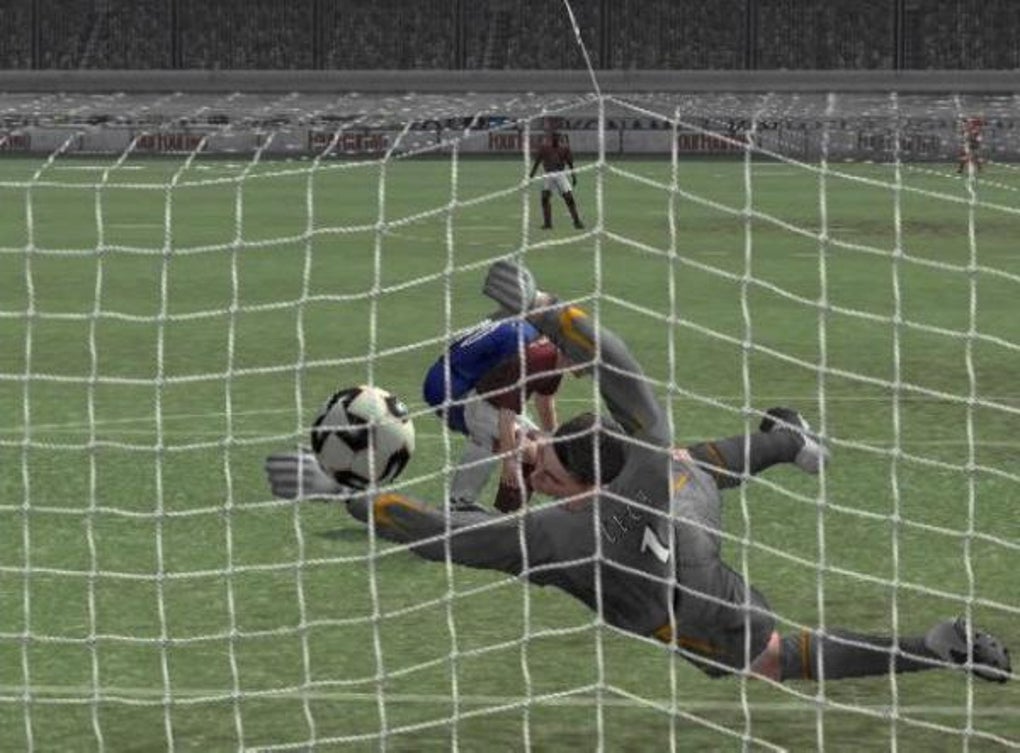
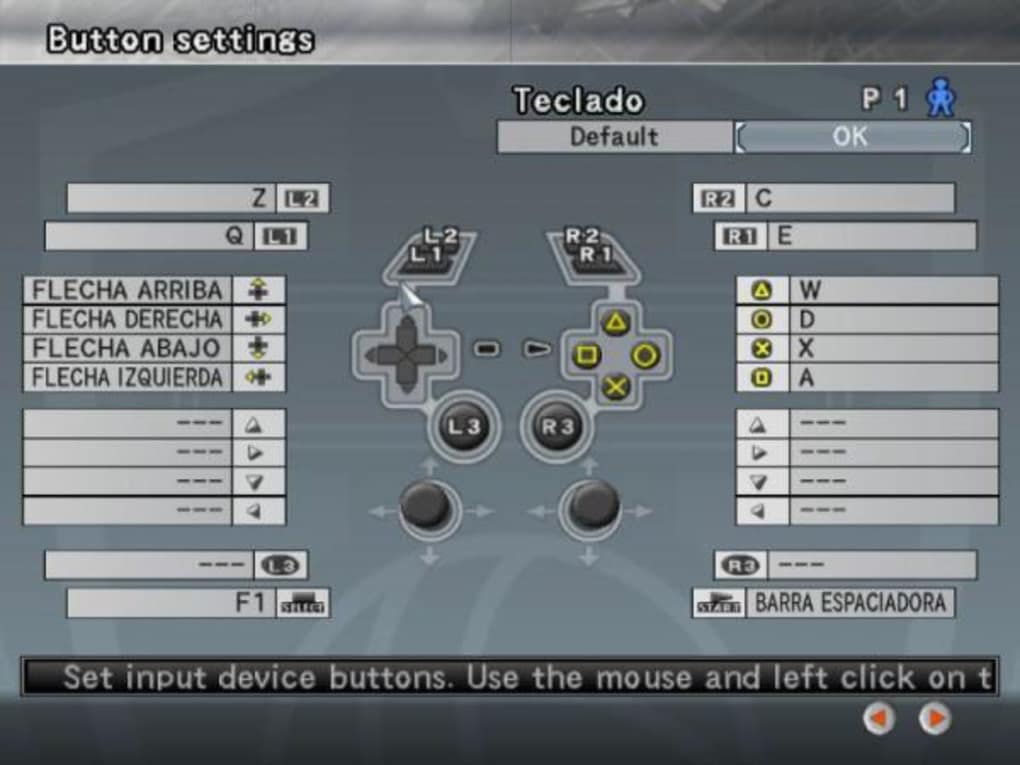
PES 5 distinguished itself through its gameplay mechanics, focusing on player control and tactical nuance. Unlike some arcade-style soccer games that prioritize fast-paced action, PES 5 offered a more deliberate and strategic experience. The control scheme, although initially met with some criticism for its departure from previous iterations, ultimately rewarded skillful players with a greater degree of control over their team’s movements and passing accuracy. This refined control system allowed for more precise passes, skillful dribbling, and finely tuned tactical approaches. The game encouraged strategic thinking, demanding players to understand team formations, player positioning, and individual player attributes to achieve victory. Mastering the art of through-balls, deft touches, and precise shots became integral to success, a departure from the more direct, often simpler gameplay of some competitors.
The improved animation system was another notable feature. Player movements felt more fluid and realistic, mirroring the physicality and agility of real-world footballers. The subtle nuances of movement, from a player’s subtle shift in weight to the realistic arc of a perfectly weighted pass, added a layer of immersion rarely seen in its contemporaries. This enhanced realism, combined with the more intricate control mechanics, elevated the game beyond simple button-mashing and into a realm of genuine strategic depth. While the game required time and effort to master, the reward for diligent practice was a deep and satisfying gaming experience that challenged players to hone their skills and adapt their strategies.
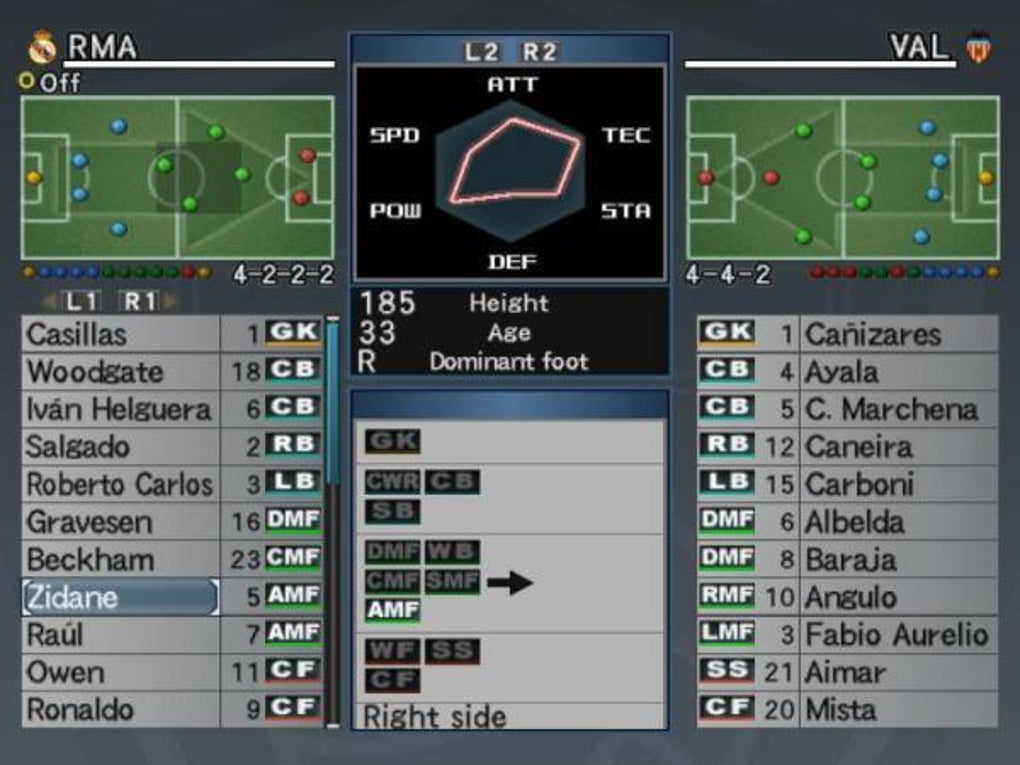
One aspect that particularly resonated with players was the inclusion of real player names, eliminating the need for fan-made patches prevalent in some other games. This added a layer of authenticity, allowing players to experience the thrill of managing their favourite real-world teams and players. The inclusion of accurately licensed teams and players was a significant step forward, enhancing the overall immersion and realism of the game.
Reception and Legacy: A Cult Classic’s Enduring Appeal
Upon its release, PES 5 garnered significant praise for its realistic gameplay and improved controls. While some players initially struggled to adjust to the new control scheme, many quickly appreciated the finer control and strategic depth it offered. Reviewers lauded the game’s improved animations, enhanced player AI, and realistic presentation, showcasing a noticeable advancement compared to its predecessors. The game’s focus on strategic gameplay, rather than simple button mashing, resonated with a segment of players looking for a more challenging and tactical football experience.
However, the game wasn’t without its critics. Some argued that the learning curve was too steep, demanding substantial time investment to fully master the intricacies of the control scheme. Others pointed out certain minor glitches or inconsistencies, although these were generally considered minor compared to the game’s overall strengths. Despite these minor drawbacks, the game generally received highly positive reviews, showcasing a remarkable leap in terms of gameplay mechanics, realism, and strategic depth within the football game genre.
While the years have passed, and more modern installments of the PES franchise and its competitors offer more advanced graphics and refined features, PES 5 retains a loyal following. This enduring popularity stems from a combination of factors: the satisfying gameplay, the emphasis on strategy and skill, and the nostalgic value associated with a game that redefined football simulation for many players. It remains a testament to the power of well-designed gameplay mechanics and a strong focus on replicating the spirit and tactical complexity of the sport it attempts to represent.
Comparing PES 5 to Competitors: A Fight for Footballing Supremacy
In 2005, the world of football video games was a highly competitive arena. PES 5 primarily competed with EA Sports’ FIFA series, which held a substantial market share at the time. While FIFA often emphasized flashy graphics and more arcade-style gameplay, PES 5 opted for a more simulationist approach. This divergence in design philosophy led to a unique appeal for each title. FIFA catered to a broader audience who sought a fast-paced and accessible gaming experience, while PES 5 attracted players who appreciated strategic depth and a greater degree of control over their team.
This difference in approach led to a passionate rivalry among fans of both franchises, with many engaging in heated debates regarding the superior title. The choice between PES 5 and FIFA often came down to personal preference – whether one preferred the simulationist accuracy of PES or the more accessible and visually appealing nature of FIFA. The success of both series, however, demonstrated the existence of distinct niches within the football gaming market, catering to different players’ preferences and priorities. This competitive landscape helped propel both franchises to constantly improve and innovate, leading to advancements in both gameplay mechanics and visual presentation over time.
The Technical Aspects: System Requirements and Download Information
PES 5, while relatively advanced for its time, had comparatively modest system requirements. The game was available for Windows 98 SE and later versions, indicating that it could be enjoyed on a wide range of personal computers, reflecting the more modest hardware requirements of the era. The game’s relatively small file size also made it accessible to individuals with limited storage space. This accessibility contributed to its popularity and broad reach, allowing more people to experience the game regardless of their PC specifications. The download statistics showcased a remarkably high number of downloads, indicating widespread adoption and considerable interest in the game. The game’s continued availability through various online platforms serves as a testament to its ongoing relevance and appeal to retro gaming enthusiasts.
The availability of PES 5 in multiple languages further expanded its reach to a global audience, demonstrating the game’s international appeal and its broad acceptance across various regions. The ease of access and the reasonably low technical requirements contributed significantly to the game’s widespread success, allowing players from various backgrounds and technical expertise to enjoy the game. This wide accessibility and broad appeal are key factors that contributed to PES 5’s lasting legacy in the world of football gaming.
In conclusion, Pro Evolution Soccer 5 stands as a landmark title in the history of football video games. Its emphasis on realistic gameplay, strategic depth, and challenging control scheme created a truly unique experience. While the game’s graphics may appear dated by today’s standards, its enduring appeal rests on its core gameplay, a testament to the timeless appeal of strategic, skillful football simulation. The game’s legacy continues to inspire, reminding us that a focus on well-designed mechanics and a deep understanding of the sport can result in a game that transcends its era. For many, PES 5 remains not merely a game, but a cherished memory of hours spent mastering the art of the beautiful game.
File Information
- License: “Trial version”
- Version: “5”
- Latest update: “February 8, 2017”
- Platform: “Windows”
- OS: “Windows 2000”
- Language: “English”
- Downloads: “321K”
- Size: “162.51 MB”


