
Pro Evolution Soccer 2017 (PES 2017) marked a significant entry in Konami’s long-running football simulation series. Released in 2016, it aimed to deliver an immersive and realistic football experience, competing directly with EA Sports’ FIFA franchise. While no longer officially available for download due to various factors, its legacy and impact on the gaming world remain noteworthy. This article delves into the game’s features, reception, and lasting significance within the broader context of football video games.
Gameplay and Features: A Masterclass in On-Field Action
PES 2017 built upon the foundation laid by its predecessors, refining its gameplay mechanics to create a more fluid, strategic, and engaging experience. The game prioritized skillful play and tactical awareness over arcade-style action. Precise passing, intelligent movement, and realistic player animations were central to its design philosophy. The “Real Touch” system, a cornerstone of the PES series, continued to enhance ball control, adding nuances to player interactions with the ball based on their abilities and body position. This led to a more unpredictable and dynamic gameplay experience, rewarding players who understood the intricacies of football tactics.
The game also featured improved AI, making opponents more challenging and unpredictable. They displayed greater tactical flexibility, adapting their strategies based on the player’s actions and game flow. This increased the strategic depth of the game, requiring players to think several steps ahead and adjust their approaches accordingly. No longer could one rely on simple, repetitive tactics; understanding team formations, player roles, and strategic positioning became crucial for success.
Beyond the core gameplay, PES 2017 boasted a range of features designed to enhance the overall experience. Master League, the series’ long-running career mode, allowed players to manage a football club, navigating the complexities of player transfers, contract negotiations, training regimes, and stadium upgrades. The mode provided a compelling blend of strategic management and on-field action, offering a deep and rewarding long-term experience.
MyClub, the online mode, offered a different flavor of engagement. It allowed players to build their dream team by collecting and developing players through various means. The mode facilitated online competition, fostering a sense of community among PES players globally. These online components provided a way to compete against others, enhancing the replayability and social aspects of the game.
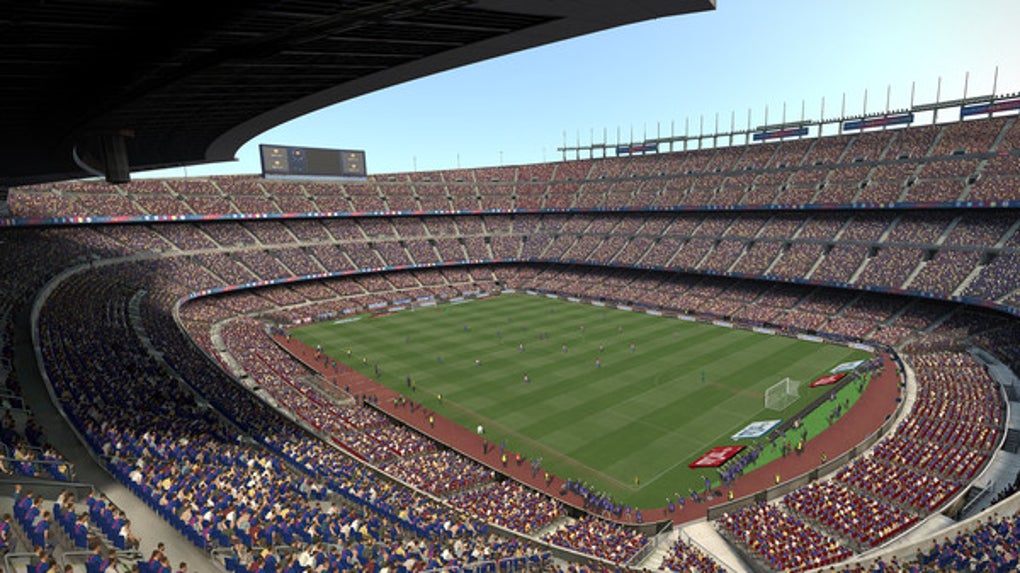
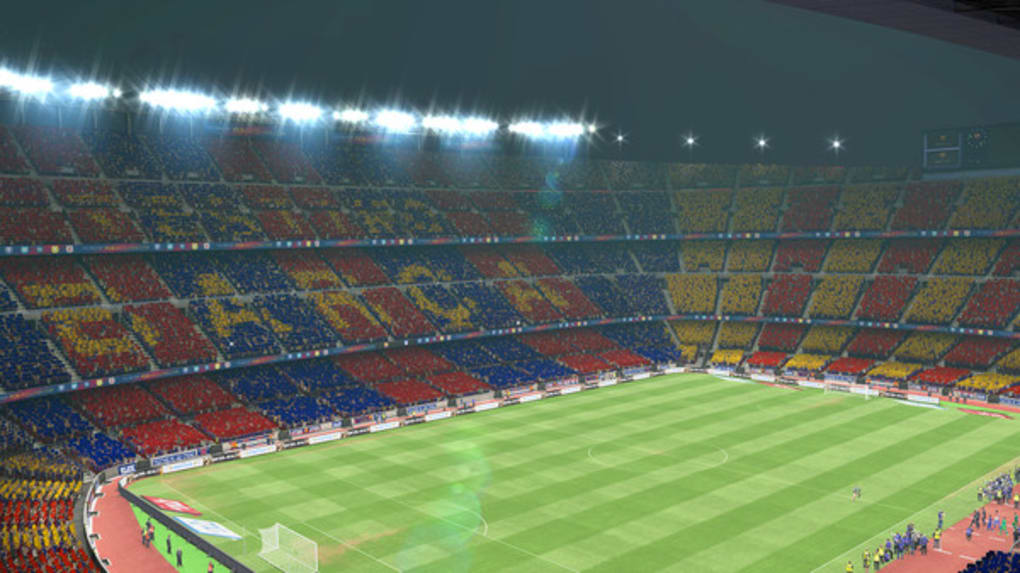
Another notable aspect of PES 2017 was its presentation. The game showcased improved visuals, with lifelike player models, detailed stadiums, and realistic animations. The atmosphere was particularly impressive, capturing the energy and excitement of a real football match. The crowd reactions, chants, and stadium effects contributed to an immersive and authentic experience, drawing the player into the world of competitive football.
Reception and Legacy: A Contender in the Football Gaming Arena
Despite its strengths, PES 2017’s reception was mixed. While many praised its realistic gameplay and skillful mechanics, others criticized its lack of licensed teams and leagues, a long-standing issue for the PES franchise. This limited the number of authentic teams and leagues available, a considerable disadvantage compared to FIFA, which often secured extensive licensing agreements. This often meant playing with generic team names and rosters, detracting from the overall immersion for some players. The lack of comprehensive licensed content was a frequent point of contention amongst gamers and critics alike.
Despite this limitation, PES 2017 earned recognition for its refined gameplay mechanics and the level of tactical depth it introduced. The game rewarded skilled players who understood football’s subtleties, offering a refreshing alternative to the more arcade-like approach of some competitors. The emphasis on player skill and strategic planning set it apart, establishing a loyal fanbase amongst gamers who valued authenticity and strategic depth over mere spectacle.
The game’s graphics and presentation were also praised, marking a step forward in visual fidelity for the PES series. The realistic player models, detailed stadiums, and immersive atmosphere enhanced the overall experience, transporting players into a convincing football environment. This visual improvement was another significant achievement for Konami, elevating the series’ presentation to a new level of realism.
Comparison with FIFA: A Tale of Two Football Games
PES 2017 and FIFA 17 represented the pinnacle of the rivalry between Konami’s and EA Sports’ football simulations. While FIFA boasted a more comprehensive licensing portfolio, covering numerous leagues and teams, PES focused on gameplay refinement and tactical depth. The core difference lay in their philosophy: FIFA often leaned toward accessibility and a more arcade-like experience, while PES emphasized realism and strategic gameplay.
FIFA’s extensive licensing agreements meant a higher degree of authenticity for fans, allowing them to play with their favorite teams and players in their proper leagues and uniforms. This was a significant advantage for FIFA, attracting a broader audience who prioritized licensed content and familiarity.
On the other hand, PES 2017 stood out for its more skillful and nuanced gameplay. It rewarded player precision and tactical awareness, demanding more strategic thinking from players. This approach catered to a more dedicated fanbase who appreciated the depth and challenge offered by its refined gameplay mechanics.
Ultimately, the choice between PES 2017 and FIFA 17 came down to individual preferences. FIFA offered the familiarity of licensed teams and a more accessible gameplay style, while PES provided a more challenging, skill-based experience that favored tactical depth and strategic thinking. Both games contributed significantly to the football video game landscape, each offering a distinct and compelling gaming experience.
The End of an Era and the Dawn of New Challenges
The fact that PES 2017 is no longer available for download signifies a turning point for the series. The removal from digital stores highlights the ever-evolving nature of the video game industry and the challenges faced by developers in maintaining older titles. Factors such as licensing agreements, technical issues, and the shift toward newer iterations of the game all contribute to the eventual unavailability of older games.
However, PES 2017’s legacy remains. Its impact on the football gaming landscape, particularly its emphasis on gameplay depth and skillful play, continues to resonate. It serves as a reminder of a time when the PES franchise pushed boundaries and offered a distinct alternative to the market leader, FIFA. While the game itself may be gone from official digital distribution channels, its contributions to the gaming world remain significant, influencing future iterations and continuing to be remembered by its dedicated fanbase. It’s a testament to the enduring appeal of skillful, strategic football simulation games, despite the challenges faced by publishers in managing the long-term availability of older game titles. The echoes of PES 2017 can still be heard in the development strategies and gameplay elements of modern football games.
File Information
- License: “Full”
- Version: “2016”
- Latest update: “January 23, 2025”
- Platform: “Windows”
- OS: “Windows 8”
- Language: “English”
- Downloads: “89.3K”


