
Project Castaway, a premium action game for PC developed by Mardonpol Inc., throws players into a gripping first-person survival experience on a remote Pacific island. Unlike many survival games that focus solely on resource management and combat, Project Castaway incorporates a profound psychological element, forcing players to confront not only the harsh realities of island life but also the insidious erosion of their own sanity. This unique blend of survival mechanics and psychological horror creates a truly immersive and unsettling experience.
The Struggle for Survival: Resource Management and Environmental Challenges
Awakening on the shores of an uncharted island, players are immediately confronted with the stark reality of their situation: complete isolation. The breathtaking beauty of the clear waters and golden sands is a deceptive façade, concealing the numerous dangers lurking beneath the surface. Survival hinges on resourcefulness and adaptability.
The initial priority is shelter. Players must scavenge the island for natural resources – wood, stone, foliage – to construct a rudimentary shelter, providing protection from the elements. This basic structure will serve as a home base, a sanctuary from the unpredictable weather patterns and potential threats.
Finding sustenance is equally critical. Players must engage in both foraging and hunting to obtain food. Exploring the island reveals edible plants, while hunting provides a potentially more substantial – albeit riskier – source of protein. Successfully harvested food then needs to be cooked to ensure its safety and maximize its nutritional value, demanding the creation of rudimentary cooking tools and methods.
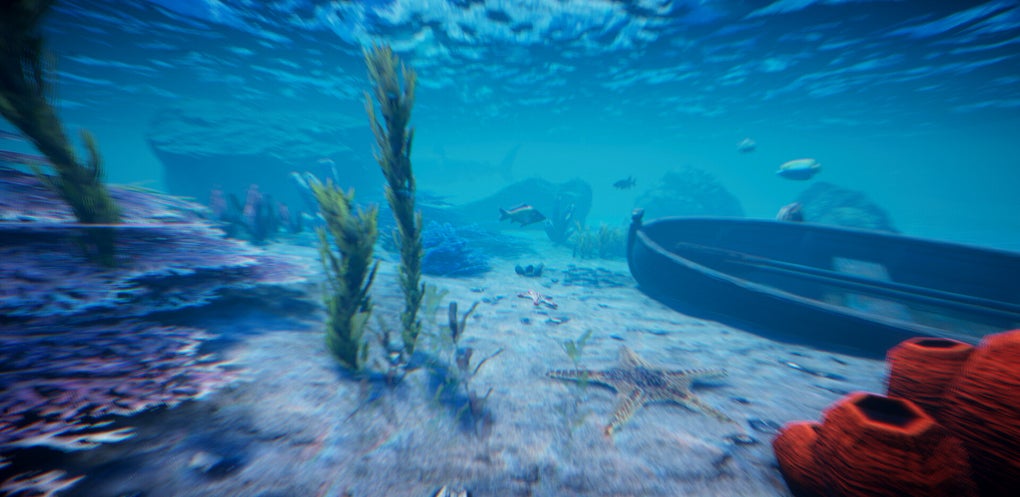
Beyond basic sustenance, players must craft tools and weapons. These implements are essential for gathering resources, constructing more complex structures, and defending against potential dangers. Whether chopping down trees, mining stone, or fending off aggressive wildlife, these tools are the key to unlocking the island’s potential and ensuring survival.
Project Castaway’s environmental design adds another layer of complexity. The game accurately simulates dynamic weather patterns, exposing players to scorching heat, torrential rain, and devastating storms. These elements not only pose physical threats but also impact resource availability and the overall difficulty of survival.
Furthermore, players have the option of constructing a raft. This allows them to explore neighboring islands, potentially discovering new resources, more advanced crafting materials, and even other survivors. This expands the gameplay beyond the confines of the initial island, introducing a new set of challenges and opportunities.
The Crushing Weight of Isolation: Psychological Horror and Mental Deterioration
Beyond the physical challenges of survival, Project Castaway introduces a unique psychological dimension to the gameplay. The profound isolation, coupled with the constant struggle for survival, gradually takes its toll on the player’s mental state. The game expertly captures the agonizing loneliness and the overwhelming sense of fear that accompany such a desperate situation.
As the days turn into weeks, the player experiences a gradual descent into madness. Violent hallucinations and disturbing visions become increasingly frequent, blurring the line between reality and delusion. These psychological manifestations are not mere jump scares; they’re integral to the game’s narrative, reflecting the psychological disintegration of the protagonist. Managing this mental deterioration becomes as crucial to survival as finding food or building shelter. Players must find ways to mitigate the effects of isolation and maintain their sanity, adding a crucial layer of strategic depth to the game.
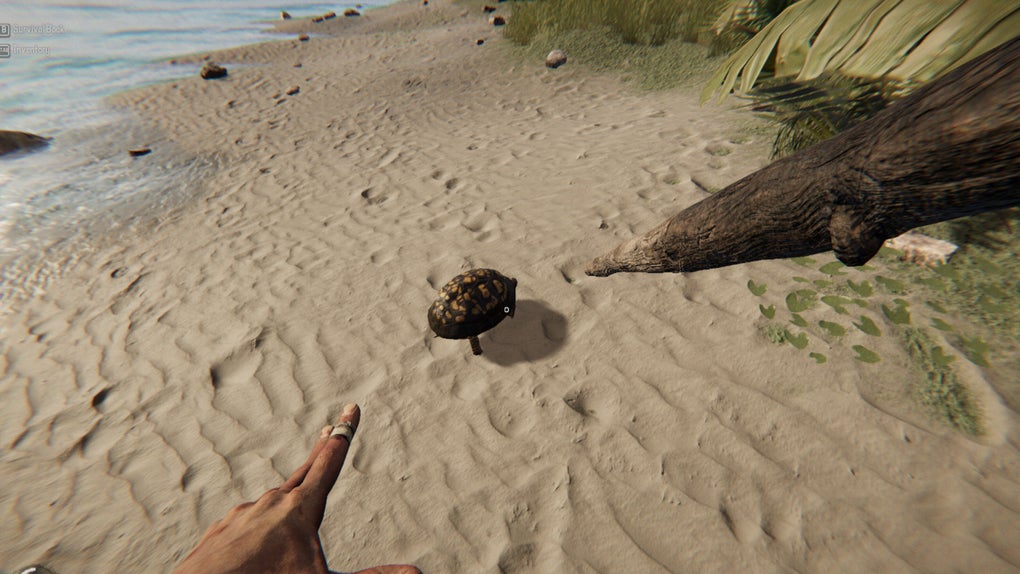
The subtle ways in which the game portrays this psychological breakdown are truly remarkable. The increasingly distorted visuals, coupled with erratic sound design, work in perfect harmony to amplify the unsettling atmosphere. The unsettling visions and hallucinations are both terrifying and psychologically realistic, making the game’s oppressive environment all the more effective.
Gameplay Mechanics and Progression: A Blend of Exploration, Crafting, and Survival
Project Castaway’s gameplay loop centers around a multifaceted approach that seamlessly blends exploration, crafting, and survival. Players are encouraged to thoroughly explore the island environment, uncovering hidden resources, valuable crafting materials, and potentially clues to their situation. This exploration is not merely about finding items; it serves to unveil the island’s story and its secrets.
Crafting plays a crucial role in the progression of the game. As players acquire new resources, they unlock increasingly sophisticated crafting recipes. This enables them to create more effective tools, weapons, shelter upgrades, and even more complex technologies. This system adds a satisfying layer of progression, rewarding players for their resourcefulness and exploration.
Survival, the core pillar of Project Castaway, demands constant vigilance and adaptation. Players must perpetually balance the need for food, water, shelter, and mental well-being. Each resource carries weight; the lack of any one can lead to a significant drop in the player’s health and mental state, potentially leading to a premature end.
The interplay between these three core gameplay elements forms a richly dynamic experience. Exploration leads to resource discovery, driving crafting innovations and improving the player’s chances of survival. Success in each area positively reinforces the others, creating a compelling and rewarding gameplay loop.
Comparison to Other Survival Games: A Unique Approach to Island Survival
While Project Castaway shares some similarities with other survival games such as Raft and Rust, its unique emphasis on psychological horror sets it apart. Raft and Rust primarily focus on player-versus-player or player-versus-environment survival mechanics, prioritizing resource gathering, base building, and combat. Project Castaway incorporates these elements, but its psychological dimension elevates the experience beyond the typical survival game formula. The game’s focus on mental fortitude and the insidious creep of isolation creates an entirely new level of immersion and emotional intensity, offering a markedly different play experience.
The game’s emphasis on the psychological aspect makes the journey far more personal and emotionally resonant. Unlike many survival games where the challenge is primarily logistical, in Project Castaway, the battle is as much against the player’s own mind as it is against the island’s harsh conditions. This creates a far more intense and emotionally engaging experience that stays with the player long after the game is over.
Early Access Release and Future Potential: Anticipation and Expectations
At the time of writing, Project Castaway is still under development, set to launch as an Early Access title. This means players can expect further refinements to the gameplay mechanics, additions to the island’s environment, and an overall enhancement of the game’s narrative and psychological depth. The Early Access release provides the developers with valuable feedback to further polish the experience and create a truly unforgettable survival horror game. The anticipation surrounding the game’s full release is high, and the potential for Project Castaway to establish itself as a standout title in the survival genre is significant. The unique combination of survival mechanics and psychological horror promises a unique and unforgettable gaming experience, setting it apart from the vast array of survival games currently available.
File Information
- License: “Full”
- Version: “0.1.52”
- Latest update: “June 20, 2025”
- Platform: “Windows”
- OS: “Windows 11”
- Language: “English”
- Downloads: “1.8K”


