
Project Wheels is a free-to-play Windows racing game that challenges players to navigate bizarre obstacle courses with customized vehicles. While its simple premise and low system requirements make it accessible, the game’s unfinished feel and unclear objective leave much to be desired. This review explores the game’s mechanics, strengths, and weaknesses, ultimately assessing whether it’s worth a download despite its flaws.
Gameplay and Mechanics: A Unique, But Flawed, Experience
The core gameplay loop of Project Wheels revolves around vehicle customization and track completion. Players are tasked with building (or, in some instances, simply using a pre-built) a car, limited to only two wheels if desired, before attempting to traverse a series of uniquely designed obstacle courses. These tracks are far from conventional race circuits; instead, they feature strange ramps, roller-coaster-like sections, and unpredictable terrain. Adding to the challenge is a timer, constantly ticking down as you maneuver your vehicle. Completing a level simply reveals a screen displaying your completion time, offering little beyond a leaderboard-style satisfaction.
One of the most striking aspects of Project Wheels is the inconsistency in its functionality. Reports indicate that the game’s vehicle customization features are not universally available across all operating systems or game versions. Some users report that they are only given a pre-defined car and are unable to modify it, while others have access to the customization options, allowing them to potentially optimize their vehicle for better performance on the challenging tracks. This inconsistency suggests a lack of polish and quality assurance, possibly indicating that the game was released prematurely or has since been abandoned. The lack of transparency regarding which versions offer customization further detracts from the overall user experience.
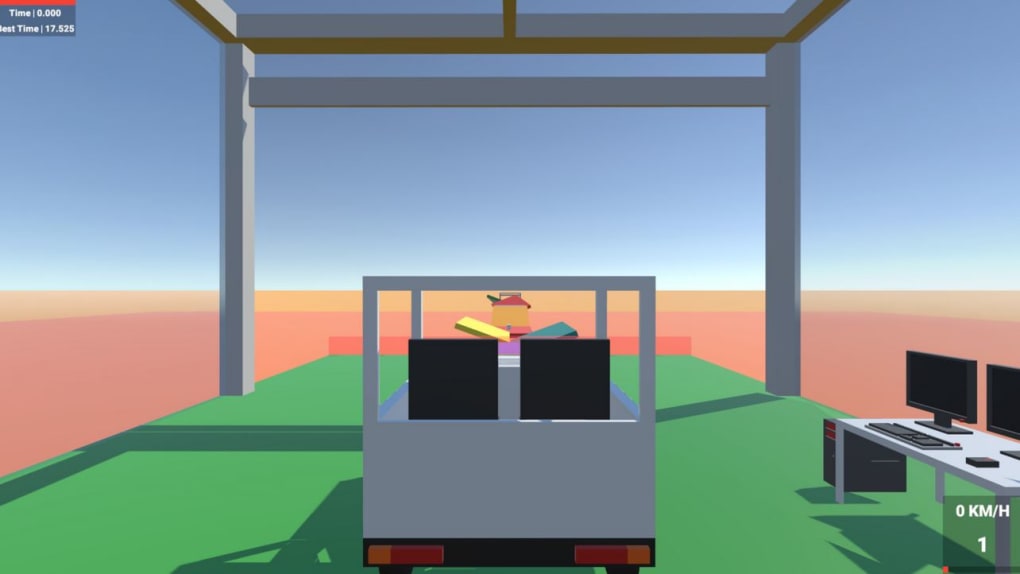
The driving mechanics themselves are quite simplistic. Controls are straightforward, but the odd track designs frequently result in frustrating moments where seemingly minor adjustments send the car careening off course. This is particularly true when negotiating the unusual curves and ramps, which often demand precise timing and control. The physics engine, while not overly complex, seems to occasionally behave unpredictably, adding an element of chance to the gameplay. Whether this is an intentional design choice or a consequence of incomplete development remains unclear.
Visuals and Sound Design: A Simple, Yet Strange Aesthetic
Project Wheels features a 3D graphical style that, while not cutting-edge, adds to the game’s peculiar atmosphere. The visuals are somewhat simplistic, particularly when compared to modern racing games, yet the odd aesthetic of the tracks and vehicle models contributes to the game’s overall strange charm. The environment’s unconventional design complements the unusual gameplay experience, creating a distinct visual identity that sets it apart from more polished titles.
Unfortunately, details regarding the audio design are scarce. While there likely is background music and sound effects, these aspects lack detailed mentions in available reviews and descriptions. The absence of specific feedback suggests they may not be particularly memorable or impactful.
The Lack of Objective and Unfinished Feeling
Perhaps the most significant criticism of Project Wheels is its lack of a clear objective. Beyond beating personal best times on each track, there seems to be little incentive to continue playing. There is no progression system, no unlockable content, and no overarching narrative to tie the various levels together. This lack of purpose leaves the game feeling shallow and ultimately unsatisfying. Many players report feelings of abandonment due to the significant inconsistencies in gameplay features and lack of developer updates or communication.
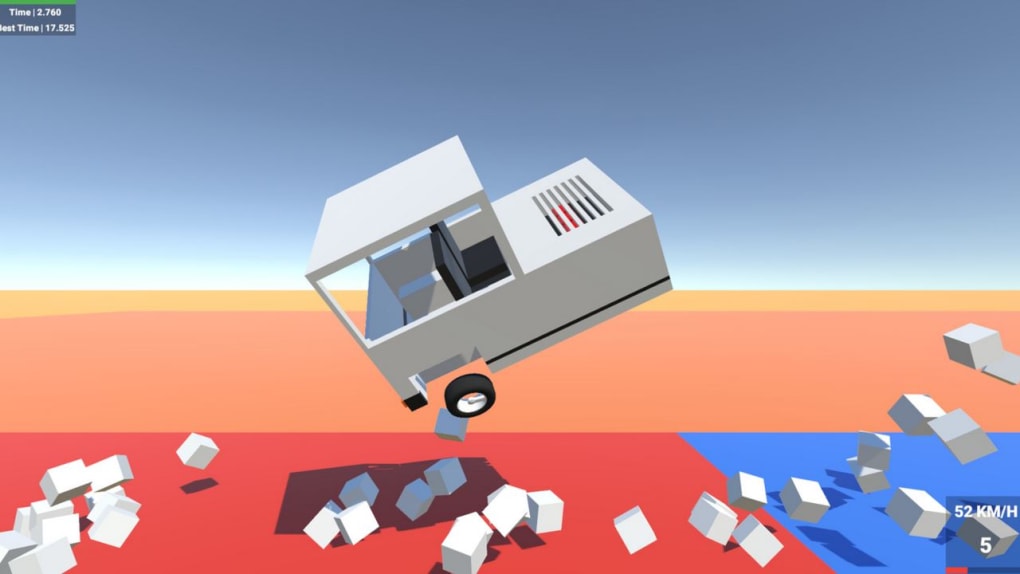
The overall impression is that Project Wheels was released in an incomplete state. The inconsistent vehicle customization, the unusual and sometimes frustrating track design, and the absence of any meaningful long-term goals all contribute to a feeling of incompleteness that permeates the entire gaming experience. This lack of polish is a significant drawback, diminishing the overall enjoyment and replayability of the game.
Comparison to Other Racing Games: A Niche Offering
Compared to established racing games, Project Wheels falls considerably short. Titles like BeamNG.drive, with its advanced physics engine and open-world environment, or the arcade-style thrills of Hot Wheels Unleashed, offer far more polished and engaging experiences. While Project Wheels attempts a unique approach with its bizarre tracks and unconventional vehicles, the lack of refinement and the unfinished feel significantly hinder its appeal. The game might be considered a niche offering, only appealing to those specifically searching for a unique and unconventional experience, and willing to overlook its major shortcomings. Even then, the inconsistent functionality might dissuade even the most forgiving players.
Pros and Cons: Weighing the Experience
To summarize the user experience with Project Wheels, it is essential to consider its advantages and disadvantages:
Pros:
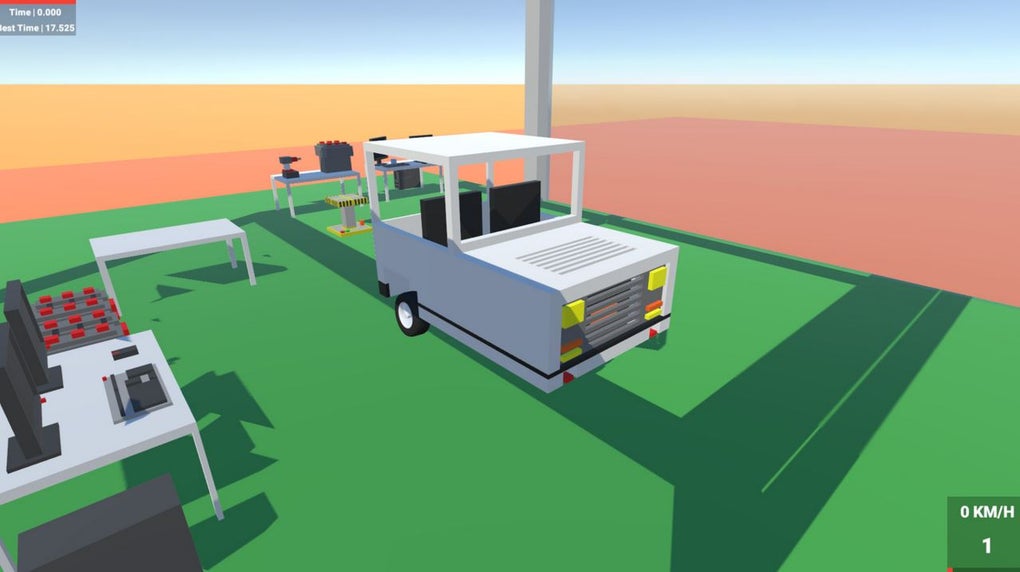
- Unique Track Designs: The bizarre and unconventional nature of the tracks is undoubtedly the game’s most distinctive feature. The levels offer a refreshing departure from standard racing game tracks, providing a unique and often challenging gameplay experience.
- Two-Wheeled Vehicle Option: The possibility of constructing and driving a two-wheeled vehicle adds an element of originality to the gameplay. This unusual feature sets it apart from most other racing games and can provide an interesting challenge.
- Low System Requirements: The game’s simplicity ensures it can run on low-spec machines, making it accessible to a wide range of players.
Cons:
- Unfinished Feel: The inconsistencies in functionality and lack of clear objectives significantly detract from the overall gaming experience. The game feels rushed or incomplete, lacking the polish and refinement of most commercial titles.
- Lack of Purpose: The absence of a compelling narrative, progression system, or meaningful goals makes the game feel repetitive and unsatisfying after a short period of time. There is little incentive to continue playing beyond achieving personal best times.
- Difficult Controls: The combination of the unusual track designs and sometimes unpredictable physics engine can lead to frustrating gameplay moments. Precise control is crucial, and even slight errors can have significant consequences.
- Inconsistencies Across Platforms/Versions: The differences in gameplay depending on the operating system or game version demonstrate a lack of quality assurance and create an uneven experience for players.
Conclusion: A Curious Curiosity, But Not a Must-Play
Project Wheels presents a curious case. Its unusual track designs and the option of a two-wheeled vehicle offer a unique, albeit unconventional, racing experience. However, the game’s significant shortcomings – the unfinished feel, lack of purpose, inconsistent functionality, and frustrating controls – outweigh its unique features. Unless you’re specifically looking for a quirky and experimental racing game and willing to tolerate its imperfections, there are far better alternatives available. Project Wheels serves as a reminder that even simple game concepts require polish and refinement to deliver a truly satisfying experience. The game’s inconsistent functionality and lack of developer support further advise against recommending it to a wide audience. While its unique premise might intrigue some, the overall experience leaves much to be desired.
File Information
- License: “Free”
- Version: “1.0.0”
- Latest update: “November 28, 2016”
- Platform: “Windows”
- OS: “Windows 7”
- Language: “English”
- Downloads: “31.1K”
- Size: “33.44 MB”


