
The internet, a boundless realm of information and connection, also harbors unseen dangers and pervasive surveillance. Many organizations, both public and private, monitor online activities, raising concerns about privacy and security. Navigating this complex digital landscape requires a proactive approach to protecting your personal information and maintaining online anonymity. This guide explores the concept of proxy servers, specifically focusing on the functionality and implications of using a free proxy like ProxyFree. We’ll delve into its benefits, limitations, and the broader context of online security in the modern era.
Understanding Proxy Servers and Their Functionality
A proxy server acts as an intermediary between your computer and the internet. When you use a proxy, your internet requests are routed through the proxy server before reaching their final destination. This means the website or service you’re accessing only sees the IP address of the proxy server, not your own. This masks your true location and IP address, enhancing your online privacy and anonymity.
Proxy servers offer several key advantages:
-
Enhanced Privacy: By concealing your IP address, a proxy server prevents websites and other online entities from directly tracking your online activities. This is particularly important when accessing sensitive information or using public Wi-Fi networks, where your data might be vulnerable to interception.
-
Bypass Geo-restrictions: Many websites and services are only accessible from specific geographical locations. A proxy server located in a different country can help you circumvent these restrictions, allowing you to access content that may be unavailable in your region. This is particularly useful for accessing streaming services, news websites, or other content blocked by your internet service provider (ISP).
-
Increased Security: While not a complete security solution, a proxy server can offer an additional layer of security by acting as a buffer between your computer and the internet. This can help to protect your computer from malware and other online threats.
-
Improved Network Performance (in some cases): Depending on the proxy server’s location and infrastructure, it can potentially improve your internet speed and reduce latency. This is because the proxy server might be closer to the server you’re accessing, reducing the distance your data needs to travel. However, this is not always the case, and many free proxy servers can actually slow down your connection speed.
However, it’s crucial to understand the limitations of proxy servers:
-
Security Risks: Many free proxy servers are poorly secured and can be easily compromised. This can expose your data to malicious actors who may intercept your traffic or install malware on your computer. It’s imperative to research and select a reputable proxy service, or ideally, use a paid VPN for superior security.
-
Performance Issues: Free proxy servers often experience high traffic loads, resulting in slow speeds and intermittent outages. The quality of service can be unpredictable and often unreliable.
-
Limited Functionality: Some websites and services detect and block traffic originating from proxy servers. This is a common anti-circumvention technique used by streaming services and other content providers.
-
Lack of Encryption: Many free proxy servers do not offer end-to-end encryption, meaning your data might not be protected from interception even if your IP address is masked.
ProxyFree: Features and Functionality
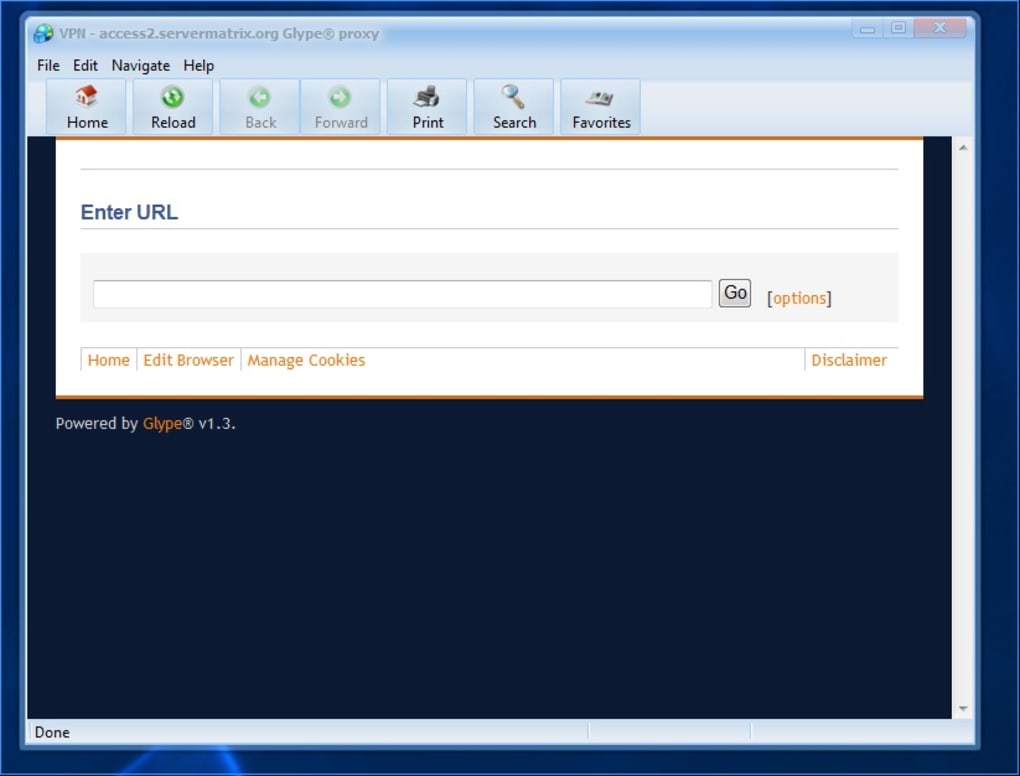
ProxyFree, as its name suggests, is a free proxy software for Windows. It aims to provide users with anonymous web browsing by masking their IP address and location. While the exact technical details of ProxyFree’s functionality are not publicly available, we can infer its operation based on the general principles of proxy servers. The software likely connects your computer to a proxy server maintained by its developers, routing your internet traffic through this intermediary server before reaching your destination. This results in your actual IP address being hidden from the websites you visit.
Based on available information, ProxyFree’s main selling points are its ease of use and free access to the service. It offers a user-friendly interface, making it accessible to users with varying levels of technical expertise. This ease of access contributes to its popularity, despite the potential limitations associated with free proxy services.
Security and Privacy Concerns: Weighing the Risks and Benefits
The use of any free proxy service, including ProxyFree, carries inherent security and privacy risks. While these services might offer anonymity by masking your IP address, they might also introduce vulnerabilities that outweigh their benefits. Several key security and privacy concerns need to be addressed:
-
Data Logging and Monitoring: Free proxy services often log user data, such as browsing history, IP addresses, and other identifying information. This data might be used for advertising, marketing, or even sold to third parties. ProxyFree’s privacy policy should be carefully reviewed to determine the extent of its data logging practices.
-
Lack of Encryption: Most free proxy servers do not provide end-to-end encryption. This means your internet traffic is not encrypted while it passes through the proxy server, leaving it vulnerable to interception by malicious actors or government surveillance. Your communications could be intercepted, compromising your personal information and online security.
-
Compromised Servers: Free proxy servers are more susceptible to hacking and malware attacks. A compromised proxy server could expose your data to malicious actors, enabling them to steal your passwords, credit card details, or other sensitive information.
-
Malware Injection: Some free proxy servers inject malware into your computer during the connection process. This can lead to a range of security issues, from data breaches to system instability.
-
Limited Protection Against Tracking: While ProxyFree might mask your IP address, it does not completely protect you from advanced tracking techniques. Websites might still track your browser fingerprint or use other methods to identify you, even if your IP address is hidden.
These risks highlight the critical importance of careful consideration before using free proxy services. While a free proxy like ProxyFree might offer a degree of anonymity, the potential security and privacy trade-offs often outweigh the benefits.
Alternatives to ProxyFree: VPNs and Other Solutions
Given the inherent risks associated with free proxy services, exploring safer alternatives is crucial. Virtual Private Networks (VPNs) offer a much more secure and reliable way to achieve online anonymity and privacy. VPNs encrypt your internet traffic and route it through a secure server, offering a higher level of protection against surveillance and data interception. While VPNs typically come with a subscription fee, the added security and privacy features make them a worthwhile investment for many users.
Other alternatives include:
-
Tor Browser: Tor is a free and open-source browser that routes your traffic through multiple relays, making it extremely difficult to trace your online activities. While effective at anonymity, Tor can be slower than other browsing options.
-
Private Browsing Mode: While not a complete anonymity solution, private browsing mode (incognito mode) prevents your browser from saving your browsing history, cookies, and other data. This can help to reduce your digital footprint but doesn’t provide the same level of protection as a VPN or proxy.
Conclusion: Making Informed Choices About Online Security
The decision of whether or not to use a free proxy service like ProxyFree requires a careful assessment of the risks and benefits. While the software might offer a quick solution for masking your IP address, the potential for compromised security and privacy significantly outweighs the advantages. For enhanced security and privacy, investing in a reputable VPN is a much safer alternative. Ultimately, prioritizing online security and privacy demands a proactive approach, including using strong passwords, regularly updating software, and exercising caution when sharing personal information online. By making informed choices and understanding the implications of using different tools, users can significantly enhance their online security posture.
File Information
- License: “Free”
- Version: “2.9”
- Latest update: “June 15, 2020”
- Platform: “Windows”
- OS: “Windows 2003”
- Language: “English”
- Downloads: “546.6K”
- Size: “183.30 KB”


