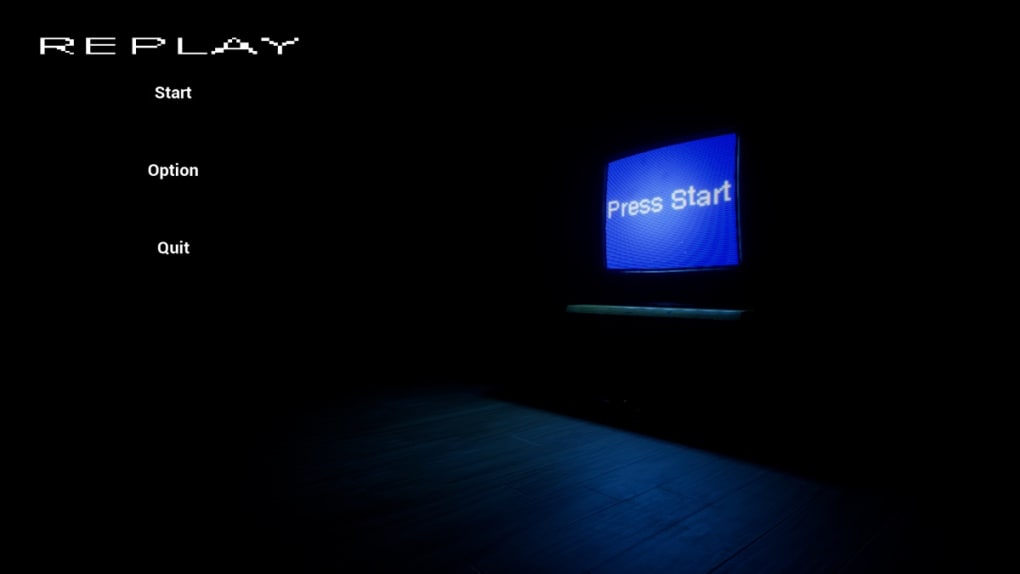
P.T., short for “Playable Teaser,” was a 2014 PlayStation 4 exclusive that served as a chillingly effective promotional demo for the anticipated Silent Hills game. Developed by 7780s Studio and published by Konami, this short, intensely atmospheric horror experience quickly garnered a devoted following, praised for its innovative gameplay mechanics and unsettling atmosphere. However, the cancellation of Silent Hills led to P.T.’s removal from the PlayStation Store, leaving many fans unable to experience this unsettling masterpiece. This sparked a wave of fan-made recreations and remakes, and among the most successful is P.T. for PC, a near-perfect port developed by Simon Cromwell, also known as Qimsar. This article delves into the details of this remarkable fan project, exploring its features, its faithfulness to the original, and its significance in the gaming community.
A Haunting Hallway and a Looping Nightmare
P.T. for PC masterfully replicates the original PlayStation 4 experience, transporting players to the unsettling confines of a dilapidated suburban house. The core gameplay revolves around navigating a seemingly endless hallway, a space that subtly shifts and changes with each loop. This looping mechanic is a central element of the game’s unsettling nature, creating a palpable sense of dread and confinement. The player, an unnamed protagonist, awakens within this claustrophobic environment and must explore the hallway, searching for clues and interacting with a limited number of objects. The journey is not about straightforward progression; it’s about unraveling a puzzle, deciphering the subtle changes in the environment, and piecing together the narrative fragments scattered throughout the experience.
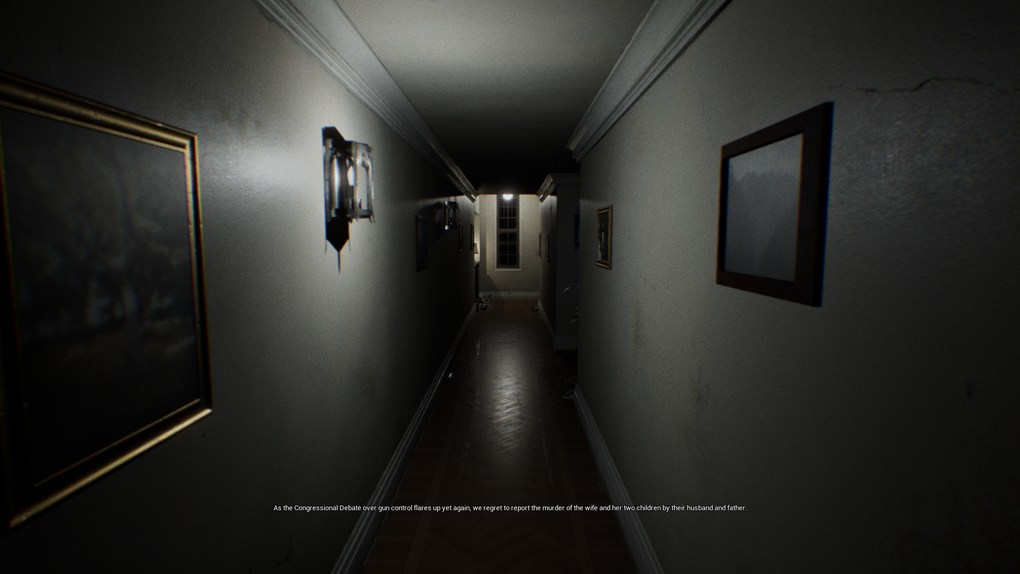
The simplicity of the game’s environment is crucial to its effectiveness. The focus is not on complex interactions or vast exploration, but on the gradual accumulation of psychological horror. The environments are carefully designed, utilizing sound, visual cues, and atmospheric elements to build a constant sense of unease. Simple occurrences such as a flickering light, the subtle creak of a floorboard, or the unnerving sounds emanating from unseen areas effectively ratchet up the tension. The unsettling design, combined with the unnerving soundscape and unsettling imagery, creates an atmosphere of profound anxiety, making the experience both disturbing and compelling. The player is left alone with their own thoughts and fears, amplifying the sense of vulnerability and helplessness within this looping nightmare.
Faithful Recreation in a New Engine
Qimsar’s achievement lies not merely in recreating the core gameplay loop but also in the remarkable fidelity with which they’ve replicated the original game’s atmosphere and visuals. Using Unreal Engine, a powerful game development engine, they have painstakingly recreated the original game’s assets, ensuring that the haunting visual style and chilling soundscape remain largely unchanged. This commitment to accuracy is evident in every detail, from the lighting and textures to the sounds and overall atmosphere. The game successfully replicates the sense of isolation and unease that made the original P.T. so memorable. The result is a surprisingly effective translation of the game’s unsettling atmosphere from the PS4 to the PC platform. This isn’t simply a reimagining; it’s a remarkably accurate recreation, demonstrating significant technical skill and a deep understanding of what made the original so successful.
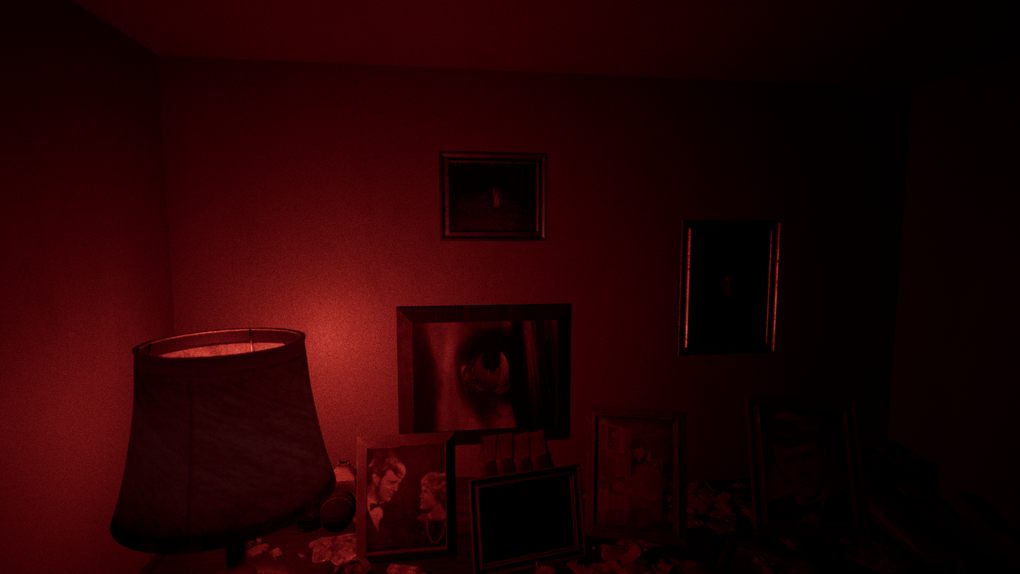
The success of P.T. for PC highlights the power of fan-made projects. It demonstrates that passion, dedication, and technical skill can result in a high-quality reproduction of a beloved game that was otherwise inaccessible to a large segment of gamers. The fact that this near-perfect port exists showcases the creativity and ingenuity of the gaming community, which often bridges the gap between lost experiences and passionate fans.
The Legacy of P.T. and its PC Port
The original P.T. gained notoriety not only for its gameplay but also for the controversies surrounding its sudden removal from the PlayStation Store. This only served to increase its legendary status, transforming it from a simple promotional demo into a highly sought-after cult classic. The game’s impact on the horror genre is undeniable, influencing countless other games that have incorporated similar techniques and themes. Its influence on the horror gaming landscape can be clearly seen in the many games that have emulated its unique atmosphere and gameplay mechanics.
The availability of P.T. for PC allows a new generation of gamers to experience this influential title. It offers a glimpse into the innovative design and unsettling atmosphere that made the original P.T. such a memorable and influential experience. The game serves as a testament to the power of short, focused experiences and the effectiveness of psychological horror. By offering a platform-agnostic version, Qimsar has ensured that a wider audience can appreciate the chilling genius of the original playable teaser.
Accessibility and Limitations: A Trade-off for Preservation
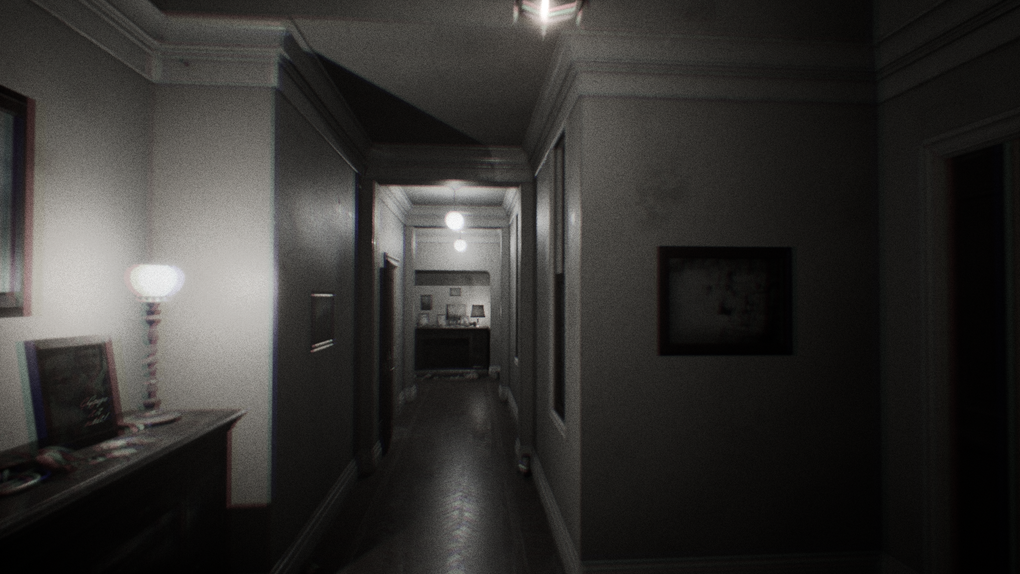
While P.T. for PC provides exceptional accessibility, it’s crucial to acknowledge some limitations. The most notable is the inability to save the game. This mirrors the original P.T.’s design, but it necessitates a commitment to completing the experience in a single sitting. This can be a deterrent for some players, particularly those with limited time or a low tolerance for frustration. However, the relatively short playtime mitigates this issue. A single playthrough can often be completed within a few minutes, making repeated attempts relatively less time-consuming than in longer games.
The lack of save functionality, while mimicking the original, highlights the trade-off between faithful recreation and enhanced playability. While maintaining the authenticity of the original experience was a priority, it also introduced a potential barrier to entry for some players. Despite this limitation, the overwhelmingly positive reception of P.T. for PC suggests that most players value the faithful recreation over the convenience of saving their progress. The game’s intense and relatively short experience often leaves players eager to replay it, even with the need to start over each time.
In conclusion, P.T. for PC is a remarkable achievement. It’s a testament to the passion and dedication of the fan community, a successful reimagining of a lost classic. This near-perfect port offers a unique opportunity for both longtime fans and newcomers alike to experience one of the most influential horror games of recent years. While some compromises were made, primarily the lack of saving, the overall fidelity and accessibility far outweigh any minor drawbacks. The experience retains the chilling atmosphere and unsettling gameplay of the original, cementing its place as a must-play for fans of psychological horror and a fascinating case study in fan-made game development. The game is a powerful testament to the enduring impact of P.T. and the creative potential of the gaming community.
File Information
- License: “Free”
- Latest update: “December 10, 2024”
- Platform: “Windows”
- OS: “Windows 11”
- Language: “English”
- Downloads: “21.3K”