
QQ Messenger, while perhaps unfamiliar to many outside of China, reigns supreme as the most popular instant messaging (IM) client within the country. Boasting over a billion registered accounts, it transcends its function as a simple communication tool; it’s a deeply ingrained part of Chinese daily life and a significant social phenomenon. This article delves into the features, strengths, weaknesses, and cultural impact of QQ Messenger, examining its position within the global IM landscape and considering its future prospects.
QQ Messenger: Features and Functionality
At its core, QQ Messenger offers a familiar set of IM features. Users can manage contacts organized into groups, engage in text-based conversations, and utilize voice and video chat functionalities. Standard IM niceties like smileys (emojis), nudges, and file sharing (with pause/resume capabilities) are also included. However, QQ Messenger distinguishes itself through several key aspects:
-
Minimal Advertising: Unlike many Western IM platforms, QQ Messenger is remarkably free from intrusive advertising, providing a cleaner and more user-friendly experience. This lack of advertising contributes to a smoother and more focused communication environment.
-
Enhanced Features: Beyond the standard fare, QQ Messenger integrates several less common yet valuable features. The built-in screen capture tool allows users to quickly share screenshots with contacts, while a video recording function enables instant sharing of short video clips. This functionality adds a layer of convenience and immediacy to communication.
-
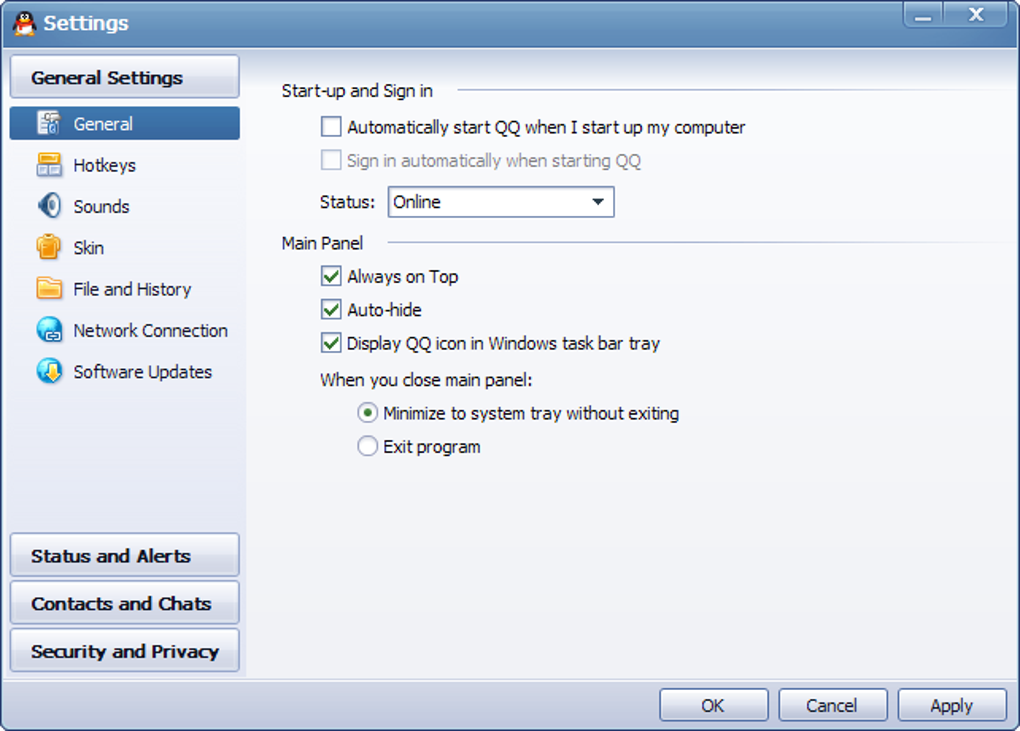
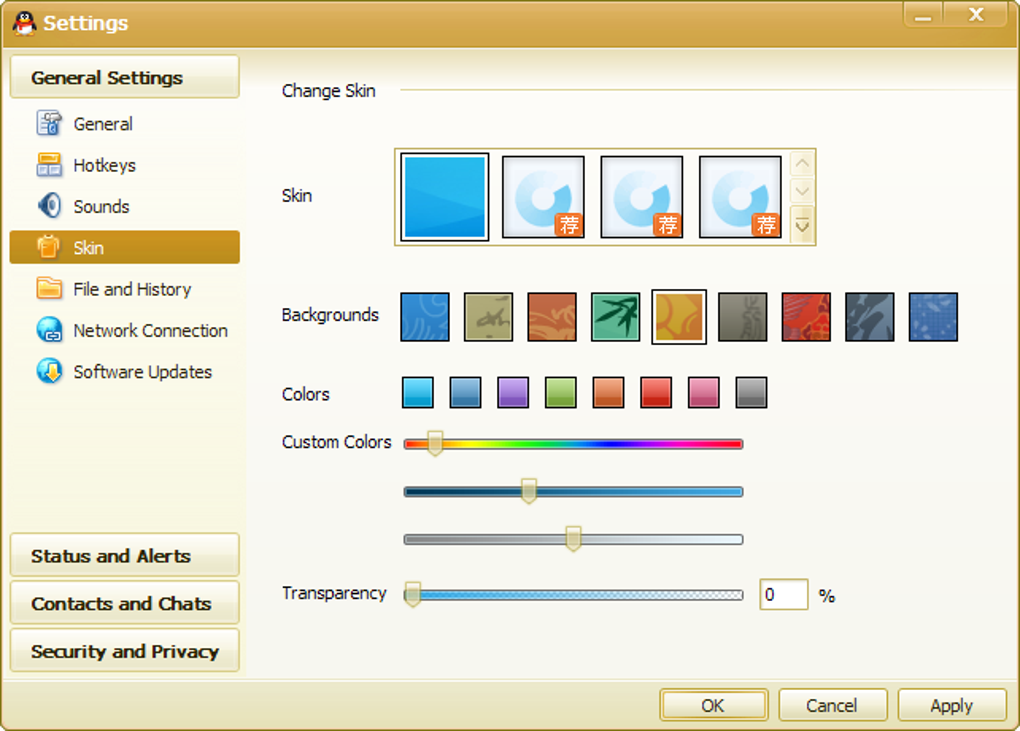
Extensive Personalization: QQ Messenger allows for a high degree of customization. Users can personalize almost every aspect of the interface, from selecting skins and themes to choosing fonts for their messages. A wide array of avatars and profile pictures is also available, with the option to upload custom images. While downloading additional themes from external sources proved problematic in past versions, this core personalization feature remains a significant strength.
-
Remote Assistance: A less common but potentially very useful feature is the integrated remote assistance tool. This basic remote control application allows users to provide technical support to friends or even clients by granting access to their desktop, facilitating troubleshooting and problem-solving.
-
Internationalization: While originating in China, QQ Messenger now offers an international version, aiming to expand its reach beyond its domestic stronghold. This internationalization effort includes multi-lingual support, aiming to break down language barriers and attract a broader user base. The multi-lingual support includes translation features supporting over 50 languages and client interfaces in several languages such as English, French, Spanish, German, Japanese, and Korean.
-
Community Building: The software provides strong community building capabilities, including the ability to create and manage large group chats (up to 1000 people). This is a powerful feature that facilitates the building of online communities around shared interests and goals.
The User Experience: Strengths and Weaknesses
QQ Messenger presents a generally positive user experience. Its clean, well-designed interface, featuring attractive buttons and icons, stands out from some of its more cluttered competitors. The extensive customization options allow users to tailor the application to their personal preferences. The integrated extra features enhance the overall functionality, making it a versatile communication tool. Its popularity in China, with over a billion users, speaks to its widespread acceptance and effectiveness.
However, some areas could benefit from improvement. The process of adding contacts, which relies on numerical IDs similar to the older ICQ system, can be less user-friendly than methods using usernames or email addresses. This system, while functional, presents a higher barrier to entry for new users and lacks the intuitive ease of other more modern systems. The inability to readily download new interface themes from external sources also represents a limitation to personalization capabilities that some users may find frustrating. This limitation was observed in older versions, though improvements may have been made in more recent iterations.
QQ Messenger’s Cultural Impact in China
QQ Messenger’s impact extends far beyond simple communication. In China, it has become deeply woven into the fabric of society, serving as a primary means of social interaction, information dissemination, and even commerce. Its widespread adoption has fostered the growth of online communities and enabled a significant shift in how individuals connect and interact. It’s a critical component of daily life for millions, used for everything from personal communication to business transactions. Its importance within the Chinese digital landscape is undeniable.
QQ Messenger in the Global Context: Competition and Future
While dominant in China, QQ Messenger faces stiff competition from globally established messaging platforms like WhatsApp, Telegram, and WeChat. Its success internationally will depend on its ability to overcome its less user-friendly contact addition system and address any limitations to interface theme customization. Further investment in user experience, enhanced security features, and increased global marketing efforts will be crucial to expand its user base beyond its Chinese heartland. While the international version aims to bridge this gap, considerable work is needed to overcome entrenched competitors and break into new markets. The success of this expansion hinges on addressing user needs and preferences outside the Chinese market, providing a product that is both functional and culturally relevant.
Security and Privacy Concerns
It is important to acknowledge the concerns surrounding the security and privacy of user data on QQ Messenger, particularly given its close ties to the Chinese government. Reports of the platform sharing user information, including browsing history, with the Chinese Communist Party (CCP), and the potential for public dissemination of this data raise significant privacy issues. These concerns underscore the importance of user awareness and responsible use of the application. Users should be mindful of the potential risks associated with using the platform and take appropriate precautions to protect their personal information.
Conclusion: A Powerful Tool with Limitations
QQ Messenger remains a powerful and widely used instant messaging application, particularly within its domestic market. Its feature-rich functionality, clean interface, and minimal advertising contribute to a generally positive user experience. However, certain limitations, including the contact addition method and potential concerns over data privacy, represent areas for improvement. Its success in expanding its global reach hinges on addressing these weaknesses while continuing to innovate and evolve in a highly competitive market. The platform holds significant cultural weight in China, serving as a testament to its success, and its future trajectory will be shaped by its ability to adapt and appeal to a global audience while addressing legitimate security and privacy concerns.
File Information
- License: “Free”
- Latest update: “May 23, 2023”
- Platform: “Windows”
- OS: “Windows Vista”
- Language: “English”
- Downloads: “1.7M”
- Size: “198.58 MB”


