QuickVPN, a free Virtual Private Network (VPN) service developed by Lipisoft, offers users a seemingly straightforward way to mask their IP addresses, encrypt data, and bypass geographical restrictions on internet content. This review delves into the functionalities, benefits, risks, and overall effectiveness of QuickVPN, providing a balanced perspective for potential users. It is important to note that at the time of writing, the app may be temporarily discontinued, so use it at your own risk.
Ease of Use and Performance
QuickVPN’s primary selling point is its simplicity and speed. The app interface is designed for ease of use, even for individuals unfamiliar with VPN technology. A single tap connects users to a server, establishing a secure connection with minimal setup required. This straightforward approach is a significant advantage over more complex VPN services that require extensive configuration. The app also boasts unlimited fast speeds, a feature not always found in free VPN services, many of which throttle speeds after a certain data limit. This makes QuickVPN attractive to users seeking quick and hassle-free access to geo-restricted content or enhanced online privacy without lengthy configuration processes. The app’s periodic server roundtrip time checks further ensure optimal performance by automatically selecting the fastest server available for the user’s location. This responsiveness and focus on speed contribute to a positive user experience.
Privacy and Security Features
QuickVPN differentiates itself by claiming not to monitor or store user network data on its servers. This is a crucial aspect for users prioritizing digital privacy. Many VPN providers, even those with strong encryption, collect varying amounts of user connection data, potentially compromising user anonymity. While QuickVPN’s encryption protects data in transit, its advertised data non-retention policy strengthens its privacy credentials compared to competitors who may retain logs. By rerouting traffic through encrypted channels and a series of servers, QuickVPN aims to make online activities untraceable, effectively bypassing restrictions imposed by governments or Internet Service Providers (ISPs). This allows users to access content and services otherwise unavailable in their region, such as streaming platforms that are geographically restricted. The ability to circumvent censorship and access content freely is a significant advantage for users in regions with restrictive internet policies.
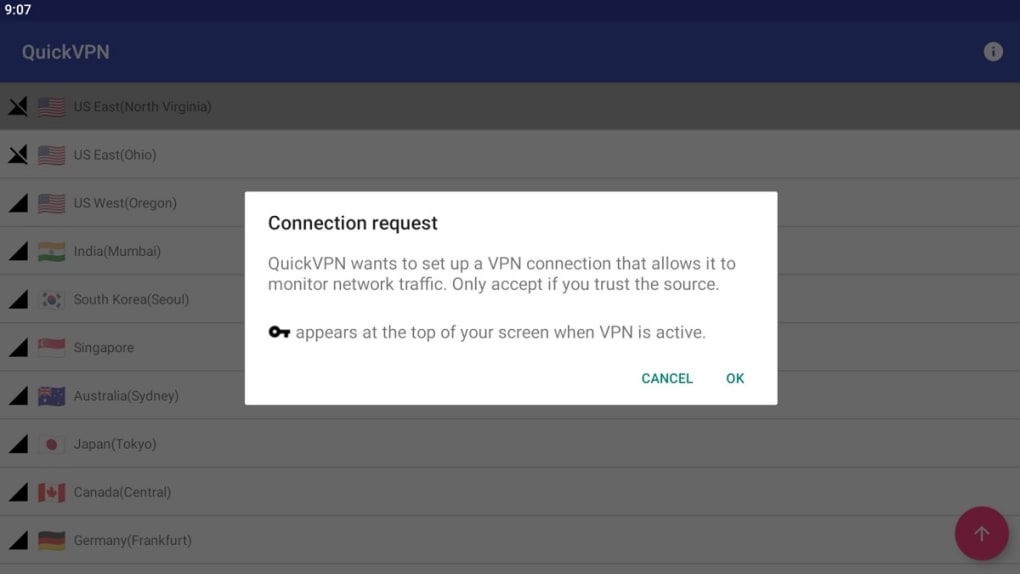
However, the anonymity offered by QuickVPN is a double-edged sword. While it shields users from tracking and censorship, it also removes the inherent protection of standard security protocols, such as antivirus scans for downloaded files. The user is fully responsible for their online activity; this necessitates a higher level of caution and self-awareness. Downloading files from untrusted sources becomes considerably riskier, with increased vulnerability to malware, viruses, or ransomware. The increased access afforded by QuickVPN comes with the responsibility of being selective about visited websites.
Limitations and Potential Risks
Despite its advantages, QuickVPN carries inherent risks common to all VPN services. The unrestricted access it provides can expose users to malicious websites and dangerous content. While the app encrypts data in transit, it doesn’t inherently protect users from downloading malicious files or visiting compromised sites. The ease of use, while a benefit for many, also presents a risk for less tech-savvy individuals who may unknowingly visit malicious websites or download harmful files. It’s crucial to exercise caution and only visit trusted websites. The absence of user data retention does not, however, guarantee complete anonymity. A determined attacker could still potentially trace back user activity through other means. Moreover, the temporary discontinuation of the app raises concerns about its long-term viability and the potential impact on users’ privacy.
Another concern revolves around the lack of advanced features commonly found in premium VPN services. These features, such as kill switches (which automatically cut internet connection if the VPN drops) and split tunneling (which allows users to route only specific apps through the VPN), provide additional security and customization options. The absence of these features suggests a less sophisticated level of security and customization compared to paid counterparts. This might be acceptable for basic users, but may deter those seeking advanced security measures.
Comparison with Other VPN Services
QuickVPN presents itself as a viable alternative to established VPN providers like SurfShark, ExpressVPN, and NordVPN. While these paid services often provide a higher level of security features, advanced configurations, and customer support, QuickVPN focuses on simplicity and speed. Its free nature makes it accessible to a broader audience, but it lacks the comprehensive features and robust support network of commercial options. The trade-off between the free nature of QuickVPN and the enhanced security of paid VPNs should be considered carefully. Users needing advanced features, robust customer support, and an established provider with a proven track record should evaluate paid VPN alternatives, acknowledging the cost trade-off.
User Experience and Reviews
The lack of readily available user reviews at the time of writing prevents a thorough assessment of overall user experience. This gap in information highlights a potential weakness in terms of accountability and transparency. A healthy ecosystem of user feedback is critical for evaluating a service’s reliability and addressing potential issues. The absence of substantial user feedback makes assessing the service’s long-term stability and user satisfaction challenging.
Conclusion
QuickVPN offers a simple and fast VPN experience, prioritizing ease of use and unlimited speed. Its claim of not storing user data is a significant draw for privacy-conscious users. However, the potential risks associated with unrestricted access to the internet and the temporary discontinuation of the service raise serious concerns. Users must weigh the convenience and speed against the inherent security risks and the lack of robust features. Those prioritizing security and advanced features should strongly consider a reputable paid VPN service, while users seeking a simple, fast, and free solution (with inherent risks) might find QuickVPN suitable for basic needs, provided the service remains available. Ultimately, informed decision-making requires a thorough understanding of both the benefits and drawbacks of this free VPN offering. Regular vigilance and responsible online practices are paramount when utilizing any VPN service, including QuickVPN.
File Information
- License: “Free”
- Latest update: “July 15, 2025”
- Platform: “Android”
- OS: “Android 13.0”
- Language: “English”
- Downloads: “867.1K”
- Download Options: “Google Play”