
R.U.S.E., a real-time strategy (RTS) game set against the backdrop of World War II, stands as a compelling and often-underrated title in the genre. Developed by Ubisoft and released in 2010, R.U.S.E. distinguishes itself through its innovative deception mechanics, offering players a unique strategic layer beyond conventional RTS gameplay. This in-depth analysis explores the game’s mechanics, strengths, weaknesses, and lasting impact on the strategy gaming landscape.
Gameplay Mechanics: Deception as a Core Strategy
Unlike many RTS games that focus primarily on unit production, resource management, and direct combat, R.U.S.E. introduces a crucial element of deception. The core gameplay revolves around the strategic use of “ruses,” which are deceptive maneuvers designed to mislead the opponent. These ruses range from deploying fake units and structures to creating diversions and manipulating the fog of war to your advantage. This mechanic significantly alters the traditional RTS formula, requiring players to think several steps ahead and anticipate their opponent’s reactions. Successful deployment of ruses can lead to devastating victories, turning the tide of battle through carefully orchestrated misinformation.
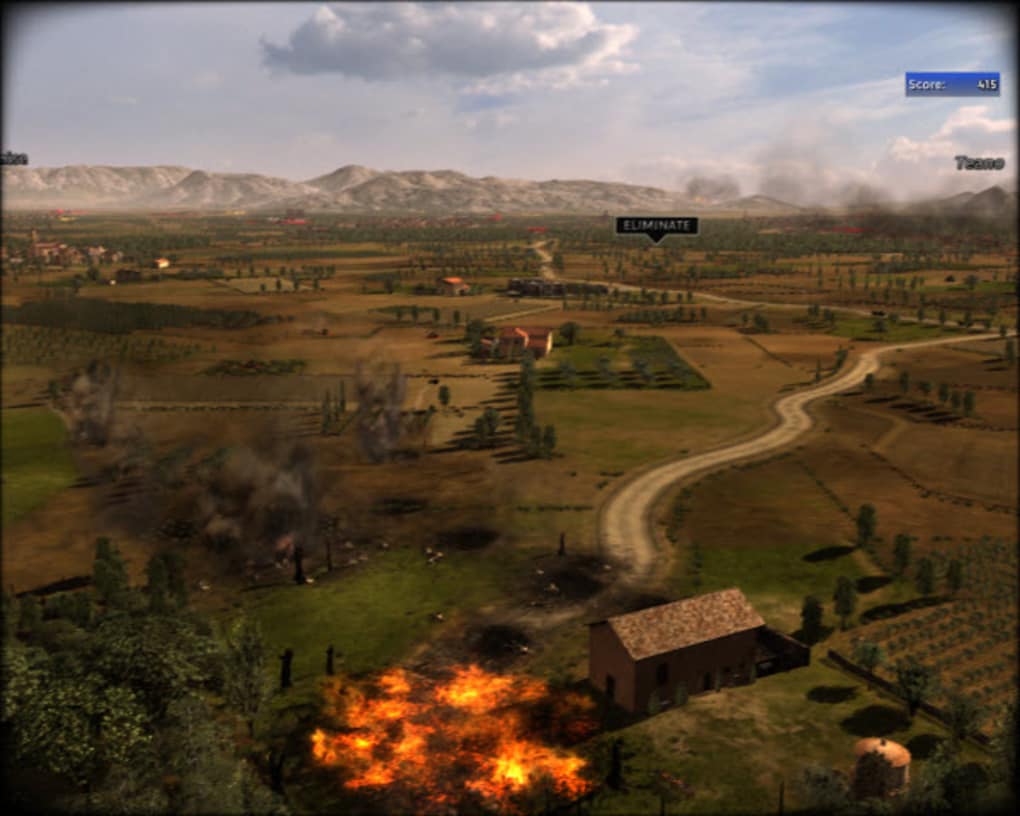
The game offers a range of units representing various nations, each with unique strengths and weaknesses. This adds another layer of strategic depth, demanding players to understand the capabilities of their units and those of their opponents. The effective combination of unit types and the smart utilization of ruses are essential to achieving victory. For example, a well-timed feint could draw the enemy’s forces away from a vulnerable flank, allowing for a decisive attack elsewhere. The game emphasizes tactical flexibility and adaptability, rewarding those who can creatively use the available tools to outmaneuver and outsmart their opponents.
Units and Factions: A Diverse World War II Landscape
R.U.S.E. presents players with a diverse roster of units and factions representing various nations involved in World War II. These factions are not simply cosmetic variations; they possess unique unit rosters, strengths, weaknesses, and even play styles. The inclusion of different national forces encourages players to experiment with diverse strategic approaches, adapting their tactics to match the specific strengths and weaknesses of their chosen nation. This diversification beyond typical “good vs. evil” tropes adds a layer of historical depth and strategic complexity. Some factions might excel in armored warfare, others in infantry tactics, and some might specialize in deception and maneuver. This variety encourages replayability, as mastering each faction necessitates a different strategic approach.
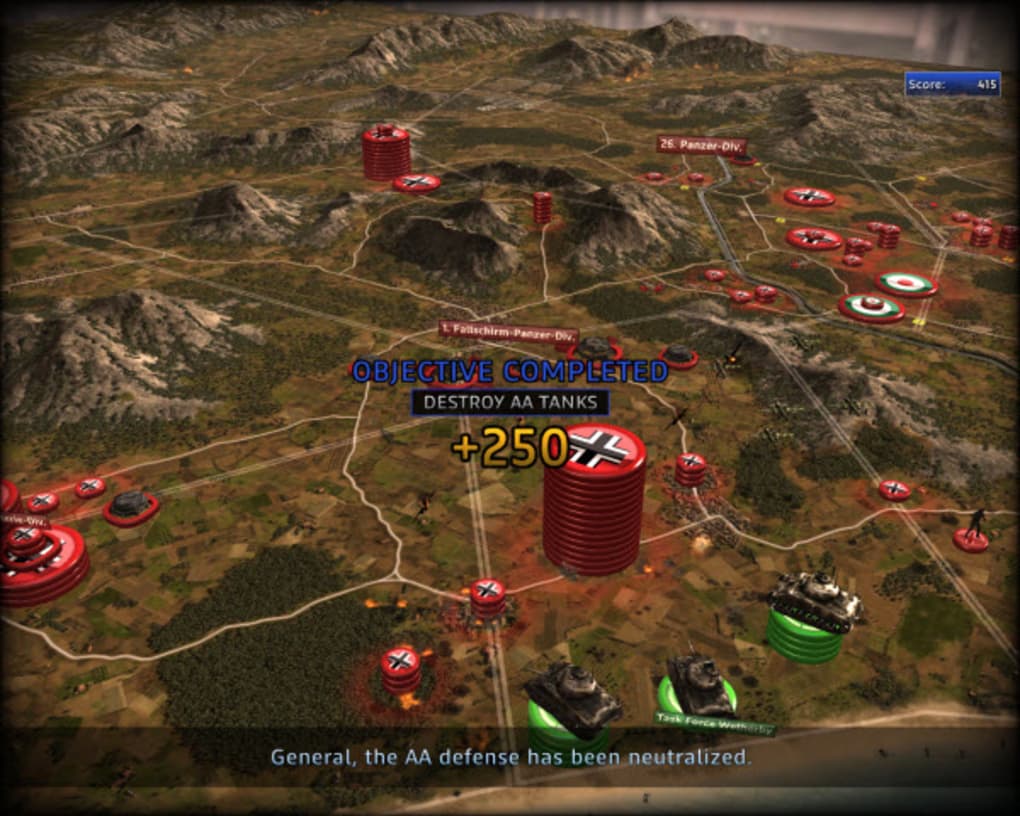
The unit design itself is meticulous, reflecting the characteristics of their real-world counterparts. From tanks and artillery to infantry squads and reconnaissance units, each unit type fulfills a specific role within the overall strategic framework. Understanding the strengths and weaknesses of these units and their interactions is crucial for building effective armies and devising winning strategies. For instance, certain units may be particularly vulnerable to specific types of attacks, requiring players to think carefully about their unit composition and deployment. The game encourages cautious planning and avoids the simplistic “rush” tactics prevalent in some other RTS titles.
The Single-Player Campaign: A Story of Deception and War
While R.U.S.E. excels in its multiplayer mode, the single-player campaign offers a narrative context for the gameplay. Although the campaign’s storyline may not be as captivating as some other narrative-driven games, it serves to introduce players to the game’s mechanics and the various factions through a series of increasingly challenging missions. The campaign introduces players to the unique challenges of using deception on a larger strategic scale, teaching them how to effectively utilize ruses to achieve victory. Players will learn to identify vulnerabilities, create diversions, and use the fog of war to their advantage. The challenges gradually increase in complexity, demanding players to master the intricacies of unit management, resource allocation, and tactical deception.
Multiplayer Modes: The Ultimate Test of Strategic Prowess
R.U.S.E.’s multiplayer mode represents the game’s true core, where the intricate mechanics of deception and strategic warfare truly shine. The competitive environment pushes players to their limits, requiring skillful unit management, resource optimization, and, most importantly, masterly manipulation of ruses. The intensity of the multiplayer experience stems from the unpredictable nature of opponent’s actions and the constant need to adapt. Success hinges on not just military might but also cunning and foresight. Players must anticipate their opponents’ moves, exploit their weaknesses, and maintain a constant state of strategic awareness. The possibility of betrayal and unexpected turns ensures that every match is unique and intensely engaging. The multiplayer aspect also fosters a sense of community amongst players, allowing them to share strategies, learn from their mistakes, and compete for dominance.
Graphics and Sound: An Immersive World War II Experience
R.U.S.E. boasts a visually appealing aesthetic. While not pushing the boundaries of graphical fidelity for its time, the game’s graphics are detailed enough to immerse the player in the world of World War II. Unit models are well-designed, and the maps are varied and extensive, offering a multitude of strategic opportunities. The sound design is equally impressive. The background score contributes to the game’s overall atmosphere, and the sound effects of battlefield action further enhance the immersive quality of the experience. The combination of visual and auditory elements creates a cohesive and compelling gameplay environment that adds to the overall strategic tension. The atmospheric sound design amplifies the sense of urgency during tense moments and the satisfaction of a successfully executed ruse.
Strengths and Weaknesses: A Balanced Perspective

R.U.S.E. undoubtedly has its strengths. The innovative deception mechanics, coupled with a diverse array of units and factions, create a deep and engaging strategic experience. The multiplayer mode provides a thrilling competitive challenge, and the single-player campaign offers a valuable introduction to the game’s mechanics. However, the game also has weaknesses. The campaign’s narrative might not appeal to everyone, and the learning curve for new players can be relatively steep. Mastering the intricate mechanics and effectively utilizing the available ruses require significant time and practice. Despite these drawbacks, the innovative gameplay and satisfying depth make R.U.S.E. a noteworthy title in the RTS genre.
Legacy and Lasting Impact
Despite not achieving mainstream blockbuster status, R.U.S.E. left its mark on the real-time strategy genre. Its innovative approach to deception provided a fresh perspective on the classic formula, challenging players to think strategically and creatively. While the game might not be as widely remembered as some of its contemporaries, its influence can be seen in later RTS games that incorporated similar elements of deception and misdirection. R.U.S.E. stands as a testament to the enduring appeal of creative innovation within a well-established genre, proving that even familiar frameworks can be rejuvenated with unique and engaging mechanics. Its legacy lies not just in its own merits but also in its contribution to the evolution of the RTS genre, inspiring other developers to explore more nuanced and sophisticated strategic gameplay.
Conclusion: A Unique and Rewarding Strategic Experience
R.U.S.E. stands as a compelling and unique real-time strategy game, distinguished by its innovative approach to deception and its diverse range of units and factions. While it may not have achieved the mainstream success of some other RTS titles, it remains a noteworthy and rewarding experience for players seeking a deep and challenging strategic encounter. Its legacy within the genre is ensured by its groundbreaking implementation of deception mechanics, showcasing the potential for creative innovation within a seemingly established formula. R.U.S.E. continues to offer a unique and satisfying RTS experience for those willing to invest the time to master its intricate mechanics and exploit the possibilities of strategic deception.
File Information
- License: “Trial version”
- Latest update: “February 7, 2017”
- Platform: “Windows”
- OS: “Windows XP”
- Language: “English”
- Downloads: “13.3K”


