
Race On, a racing game released in 2009, aimed to bring the thrill of real-world touring car championships – including the World Touring Car Championship and the Swedish Touring Car Championship – to personal computers. While boasting licensed cars and real-world circuits, the game ultimately fell short of its ambitions, hampered by significant flaws that overshadowed its strengths. This review will delve into the game’s features, its shortcomings, and why it failed to gain traction in a competitive market.
Gameplay and Mechanics: A Formula for Frustration?
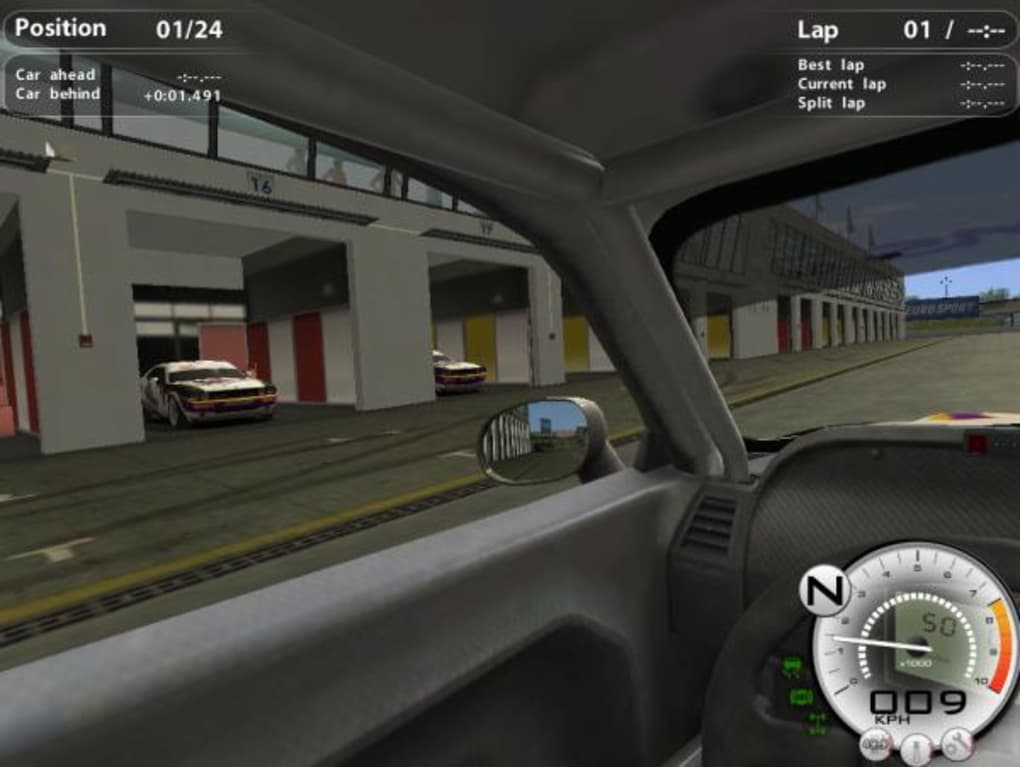
The demo version of Race On offered players the chance to experience two very different vehicles: the American Dodge Charger and the Seat Ibiza. While this diversity in car selection initially seemed promising, suggesting a range of driving experiences, the reality proved far less enjoyable. The core gameplay was plagued by overly sensitive physics, resulting in a driving experience best described as “jittery” and unpredictable. Even on the easiest difficulty setting, navigating corners at speed was a significant challenge, often leading to frustrating spins and crashes.
Keyboard controls exacerbated these problems, rendering the game practically unplayable for all but the most experienced and patient racers. While the use of an analog controller offered a slightly smoother experience, it still couldn’t fully mask the underlying handling issues. The intended distinctions between the two cars – the Ibiza’s aggressive road-hugging nature and the Dodge’s rear-wheel-drive power – were entirely lost in the chaotic physics engine. Instead of the distinct driving feel one might expect, both cars felt as if they were perpetually skating on ice, far from the realistic simulation the game purported to offer.
The demo’s limited scope – a single circuit – also prevented a comprehensive assessment of the game’s overall potential. While the inclusion of real-world circuits was a positive aspect, the poor handling significantly undermined this positive. The limited selection of cars and tracks in the demo left a significant impression of incompleteness, failing to showcase any unique selling points or justify a purchase of the full version.
Graphics and Presentation: A Visual Time Capsule
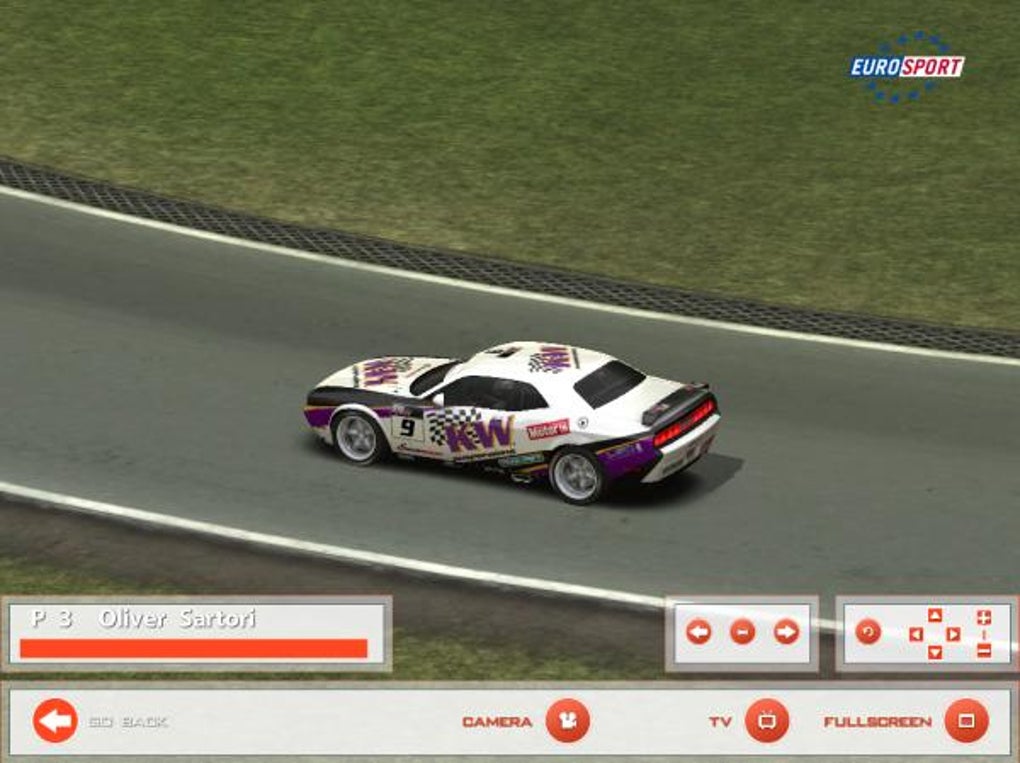
Race On’s graphical presentation was another significant drawback, appearing dated even for its release year in 2009. The visuals were noticeably below par when compared to other racing games on the market at the time, failing to meet even the modest standards expected from a PC title. This contributed to an overall underwhelming and somewhat amateurish impression. The lack of visual polish further underscored the game’s overall feeling of incompleteness. While the use of licensed cars and tracks added a degree of authenticity, the dated visuals significantly detracted from this.
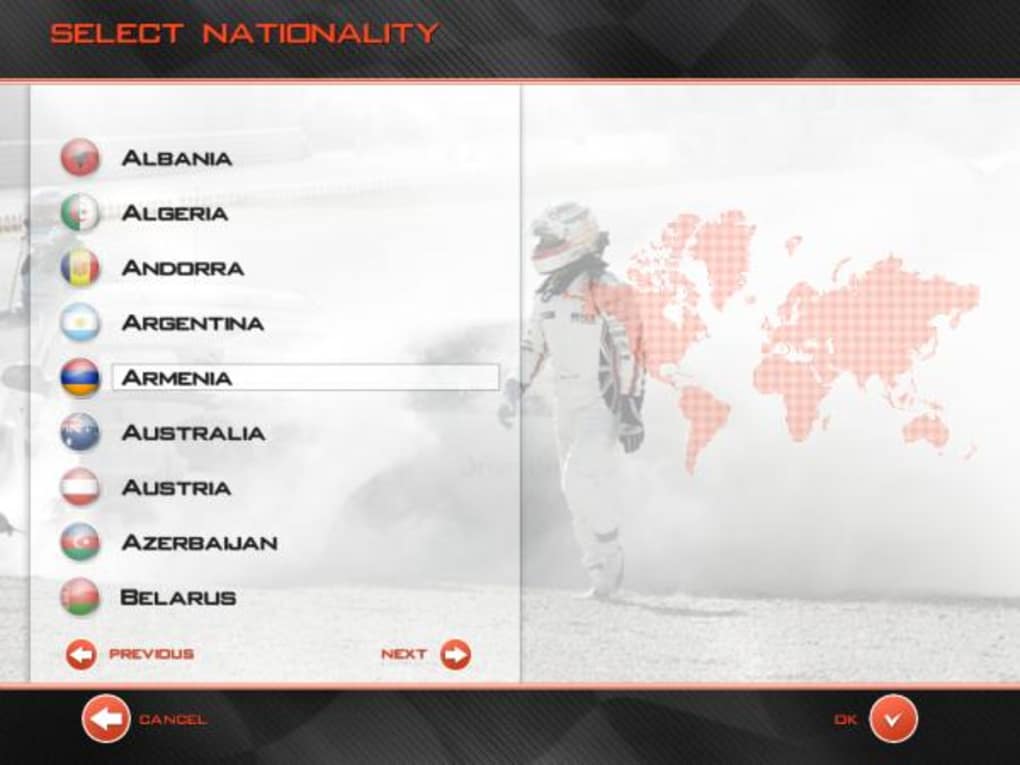
The visual limitations extended beyond the track itself, impacting the overall presentation. The menus and user interface felt clunky and unpolished, failing to convey a sense of sophistication or polish. This lack of attention to detail in the presentation highlighted a broader issue of refinement and overall quality control throughout the game’s development.
The Target Audience: A Niche Too Narrow?
Race On seemed to be targeting a niche audience: simulation enthusiasts seeking a realistic driving experience. However, the game’s flawed handling mechanics made it inaccessible even to experienced players in the simulation genre. The overly sensitive physics, combined with the demanding controls, created a significant barrier to entry. This severely limited its potential audience, as it alienated both casual players and experienced simulation enthusiasts. A more balanced approach to gameplay, allowing for customization and varied difficulty levels, could have potentially broadened the game’s appeal to a wider audience.
The game’s strengths – the licensed cars and real-world circuits – were ultimately overshadowed by the significant drawbacks in its core gameplay mechanics and visuals. This rendered the positive aspects essentially irrelevant, creating an overall negative impact on the player experience.
Comparison to Competitors: Falling Behind the Pack
In 2009, the racing game market was already quite competitive, boasting established titles with significantly better graphics, handling, and overall polish. Race On simply couldn’t compete against these established players. Games like Forza Motorsport and Gran Turismo, to name but two, offered superior graphical fidelity, more intuitive handling models, and a broader range of content. Race On’s outdated graphics and unforgiving physics paled in comparison, making it a difficult sell to any potential player already familiar with the better offerings in the market.
The lack of innovation in Race On also hurt its competitiveness. The game failed to introduce any novel features or gameplay mechanics to distinguish itself from the established players in the field. This lack of innovation, combined with its technical shortcomings, resulted in a product that felt dated and uninspired, failing to carve a unique niche for itself.
A Missed Opportunity: The Potential and its Unfulfilled Promise
While Race On showed some initial promise with its licensed cars and real-world tracks, its fundamental flaws significantly hampered its potential. The overly sensitive physics engine created an unnecessarily frustrating gameplay experience, rendering the game inaccessible to the majority of players. The dated graphics and unpolished presentation further detracted from the experience, making it a difficult sell in a highly competitive market.
Had the developers focused on refining the handling mechanics, improving the graphics, and adding more content, Race On could potentially have found a niche audience. However, the flaws in the demo version strongly suggested that the full release would have likely faced the same critical issues.
The game’s failure highlights the importance of balancing realism with accessibility in game design. While some level of challenge is expected in simulation games, an overly demanding and unforgiving experience, as was the case with Race On, ultimately drives players away.
Conclusion: A Lesson in Game Development
Race On serves as a cautionary tale in game development. It demonstrates that even a game with licensed content and the promise of realistic racing can fall flat if the core mechanics are flawed and the overall presentation is subpar. The game’s failures highlight the importance of rigorous testing and a commitment to quality control throughout the development process. Ultimately, Race On’s legacy is one of unfulfilled potential – a reminder that even a good idea needs solid execution to succeed in the competitive world of video games. The game’s shortcomings serve as a valuable lesson for aspiring game developers, emphasizing the importance of not only a compelling concept, but also flawless execution in all aspects of the development pipeline.
File Information
- License: “Trial version”
- Latest update: “October 15, 2009”
- Platform: “Windows”
- OS: “Windows XP”
- Language: “English”
- Downloads: “8.6K”
- Size: “697.62 MB”


