
Listening to your favorite radio stations shouldn’t require an internet connection. For those seeking a way to enjoy terrestrial radio broadcasts without relying on data, this guide explores the options and considerations surrounding offline FM radio listening. While the internet has revolutionized audio consumption, offering on-demand streaming and vast music libraries, the simplicity and immediacy of traditional FM radio remain attractive to many. This article delves into the methods and technologies enabling access to FM radio broadcasts without an internet connection, addressing the limitations and potential solutions.
Understanding the Limitations of Offline FM Radio
Before delving into the specifics of accessing FM radio without internet access, it’s crucial to acknowledge inherent limitations. Unlike internet radio, which streams digital audio over the network, traditional FM radio relies on radio waves broadcast from terrestrial transmitters. This geographical dependence means reception quality and availability are significantly impacted by factors such as:
-
Distance from the transmitter: Signal strength diminishes with distance. Further away from the broadcast tower, the weaker signal may lead to poor sound quality or complete signal loss. Geographical features like hills, mountains, and buildings can also obstruct signals, affecting reception.
-
Interference: Other radio signals, electronic devices, and atmospheric conditions can interfere with FM reception, resulting in static, crackling, or distorted audio.
-
Transmitter power: The power of the broadcast transmitter directly influences the range and strength of the signal. Lower-power stations may have limited reach.
-
Receiver sensitivity: The quality of your radio receiver plays a significant role. A sensitive receiver can pick up weaker signals, improving reception in areas with marginal signal strength. Conversely, a less sensitive receiver might struggle to pick up distant or weak signals.
-
Antenna quality: The antenna of your radio receiver, whether internal or external, significantly impacts reception. An external antenna, especially a directional one, can often improve signal quality.
Traditional FM Radios: The Classic Approach
The most straightforward way to listen to FM radio without internet is through a dedicated FM radio receiver. These devices, available in various forms from simple portable radios to sophisticated home stereo systems, directly receive radio waves and convert them into audible sound.
The advantages of traditional FM radios are their simplicity, reliability (assuming a strong signal), and lack of reliance on internet connectivity or batteries (in the case of mains-powered units). However, they are limited by the geographical restrictions mentioned earlier. The quality of the receiver and antenna also plays a significant role in determining reception quality.
Smartphones and FM Radio Functionality: A Mixed Bag
Many modern smartphones once included built-in FM radio chips. However, due to cost-cutting measures and pressure from streaming services, this feature has become increasingly rare in newer models. The removal of this hardware often leads to confusion as some older apps claim to offer “FM radio without internet”, but these are unlikely to function without the necessary hardware present in the device.
If your smartphone does have an FM radio chip, you’ll need to:
- Verify the presence of the hardware: Check your phone’s specifications or user manual to confirm the presence of an FM radio receiver.
-
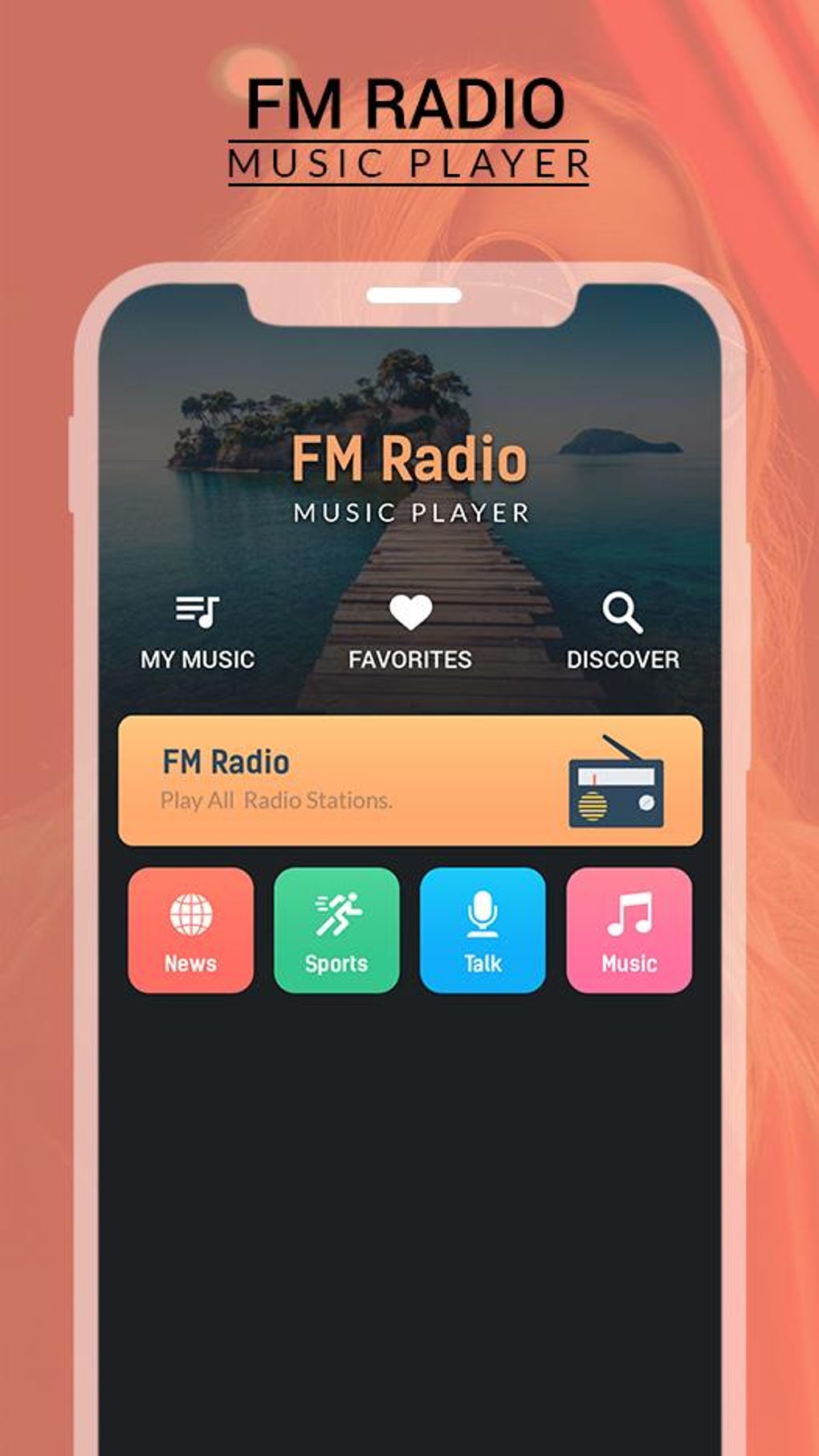
Locate a compatible app: There are several apps available (often requiring headphones to act as an antenna) that can utilize the built-in FM chip if it’s present.
-
Connect headphones: In most cases, your headphones must be connected for the FM radio app to function because the headphone cable acts as the antenna.
Remember that even with a capable phone and app, the limitations mentioned earlier regarding signal strength, interference, and antenna quality still apply.
Alternative Methods and Emerging Technologies
While traditional FM radios and (sometimes) smartphone apps remain the primary methods for offline FM radio listening, some alternative approaches exist:
-
Internet-independent digital radio: While seemingly contradictory, some digital radio receivers operate without an internet connection, relying on DAB (Digital Audio Broadcasting) or other terrestrial digital radio standards. These technologies offer improved sound quality and more robust signal transmission compared to analog FM, but their availability varies greatly depending on geographical location.
-
Software-Defined Radios (SDRs): These more advanced receivers use software to process radio signals, offering greater flexibility and control over the reception process. They can be used to listen to FM radio, and often have better reception characteristics than simple FM tuners. However, SDRs usually require more technical expertise to operate and might not be suitable for casual listeners.
Troubleshooting Poor FM Radio Reception
If you’re experiencing poor radio reception, consider the following troubleshooting steps:
- Check your antenna: Ensure your antenna is properly connected and positioned for optimal signal reception. Try an external antenna for improved results, especially in areas with weak signals.
-
Relocate: Move your receiver to a different location. Even a small change in position can significantly affect reception. Try finding a location with fewer obstacles between you and the broadcast tower.
-
Identify interference sources: Try turning off other electronic devices to see if they are causing interference. Consider moving your receiver away from potential sources of electromagnetic interference.
-
Adjust the tuning: Fine-tune your radio receiver to find the optimal frequency for the desired station.
-
Consider signal boosters: In challenging reception areas, a signal booster might improve reception quality.
Conclusion: Embrace the Simplicity of Offline FM Radio
Although internet radio offers convenience and vast content, traditional FM radio retains a unique appeal. Its simplicity, accessibility, and immediate access to local news and programming make it a valuable option for many. By understanding the limitations and exploring the available options, you can enjoy your favorite radio stations even without an internet connection, returning to the pure, unfiltered enjoyment of broadcast radio. Remember to check for the presence of a functioning FM chip in your smartphone if attempting to listen via a mobile app – this is frequently not a standard feature on modern handsets. The resurgence of interest in shortwave radio also hints at a more enduring legacy than many might have initially predicted for these simpler technologies.
File Information
- License: “Free”
- Version: “5.6”
- Latest update: “June 18, 2025”
- Platform: “Android”
- OS: “Android 13.0”
- Language: “English”
- Downloads: “5.2K”
- Download Options: “Google Play”


