
In the vast and ever-evolving landscape of digital entertainment, certain games carve out a unique niche through sheer originality and an audacious embrace of simplicity. “Ragdoll Masters” stands as a testament to this philosophy, a 2D beat ’em up that eschews intricate graphics and complex storylines in favor of a singular, revolutionary mechanic: “real” ragdoll physics. Developed by Ragdollsoft, a studio known for its specialization in physics-driven gameplay, “Ragdoll Masters” isn’t just a game; it’s an experiment, a charmingly chaotic ballet of flailing limbs and unexpected victories. For newcomers, the name might conjure images of cuddly toys, but as players quickly discover, this title perfectly encapsulates the game’s core identity, sounding far more appealing than any alternative like ‘Puppet Fighters’ or ‘Dolly Wars’. It’s a game that, despite its apparent simplicity, offers an incredibly addictive and deeply satisfying experience, a perfect digital escape for those moments when you have a few minutes to burn. PhanMemFree, recognizing its enduring appeal, has highlighted this title as a compelling example of innovative game design.
The Core Concept: Simple Yet Profound Physics-Based Mayhem
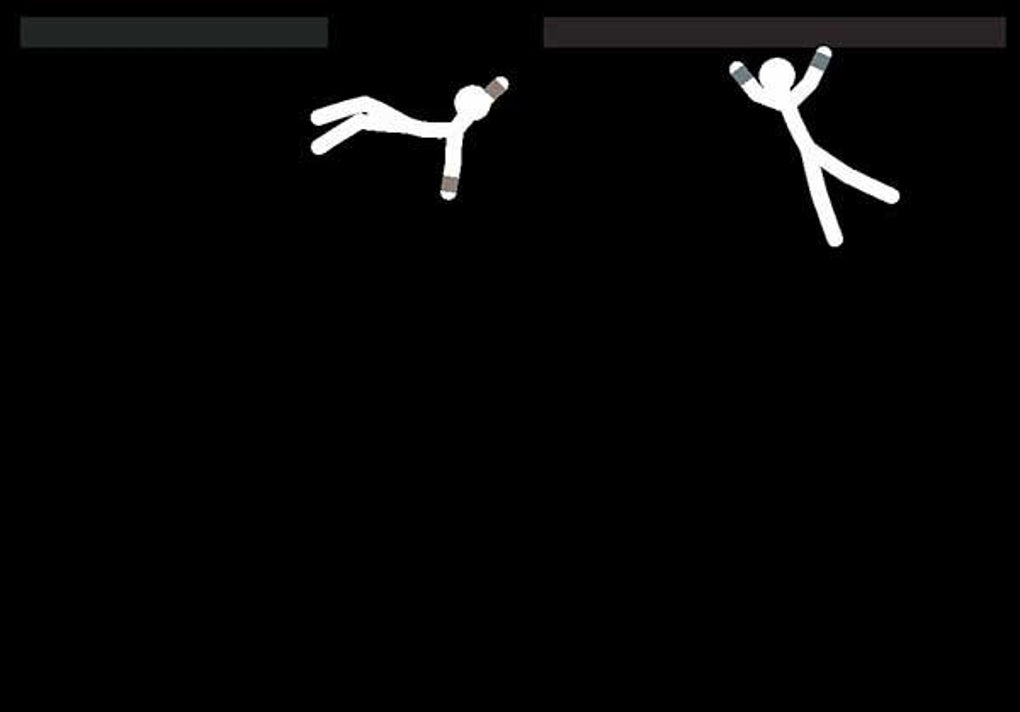
At its heart, “Ragdoll Masters” is disarmingly straightforward. The premise is so fundamental, yet its execution is nothing short of genius. Players are introduced to a stark, almost minimalist arena: an anti-gravity chamber from which there is no escape. Within this confined space, two combatants—stylized, relatively hefty stick figures—are pitted against each other. The crucial twist, and the very essence of the game’s name, is that these fighters are ragdolls. They possess no inherent control over their own limbs, mirroring the floppy, uncooperative nature of a child’s toy. This fundamental lack of direct limb control is not a limitation but rather the very wellspring of the game’s unique challenge and enduring charm.
The magic truly begins when you introduce a healthy, almost exaggerated, portion of “realistic” physics into this equation. Suddenly, what could have been a clumsy, frustrating experience transforms into a dynamic, laugh-out-loud spectacle. Your interface with the fighter is deliberately constrained, limited to the cardinal directions: up, down, left, and right. There are no dedicated “kick” or “punch” buttons in the traditional sense. Instead, the game demands a more intuitive, almost gymnastic approach to combat. To deliver a blow, players must master the art of hurtling their ragdoll spinning through the air, meticulously positioning their fighter to achieve the perfect trajectory and impact. The goal is to land a blow with any part of your body—be it a headbutt, a shoulder charge, or, most satisfyingly, a perfectly placed big toe to the opponent’s cranium. This system replaces button-mashing with a delightful dance of momentum, timing, and physics manipulation, making every landed hit feel like a triumph of unconventional skill.
Redefining Combat: Limbs as Weapons
The genius of “Ragdoll Masters” lies in its redefinition of combat. In most fighting games, characters have predefined movesets, combos, and special attacks that are executed with precision button presses. “Ragdoll Masters” throws this convention out the window. Here, every limb, every joint, every angle of your flailing body is a potential weapon. This transforms combat from a memorization exercise into an improvisational art form. Players don’t execute a “roundhouse kick”; they maneuver their entire ragdoll to become a roundhouse kick, relying on the physics engine to translate their directional inputs into a devastating, often comical, attack.
The weight and floppiness of the ragdolls mean that impacts are felt acutely. A well-timed spin can send an opponent careening across the chamber, their own limbs bouncing off walls and each other in a cascade of physical comedy. Conversely, a miscalculation can leave your own fighter tangled and vulnerable, their head exposed to a retaliatory “big toe” strike. This dynamic creates a constant tension and excitement, as the outcome of each encounter feels genuinely unpredictable, driven by the immediate interplay of forces rather than pre-programmed animations. It’s a game where strategy is less about combo chains and more about understanding momentum, anticipating your opponent’s flopping trajectory, and seizing the perfect window for an airborne assault.
The Anti-Gravity Arena and Elemental Impact
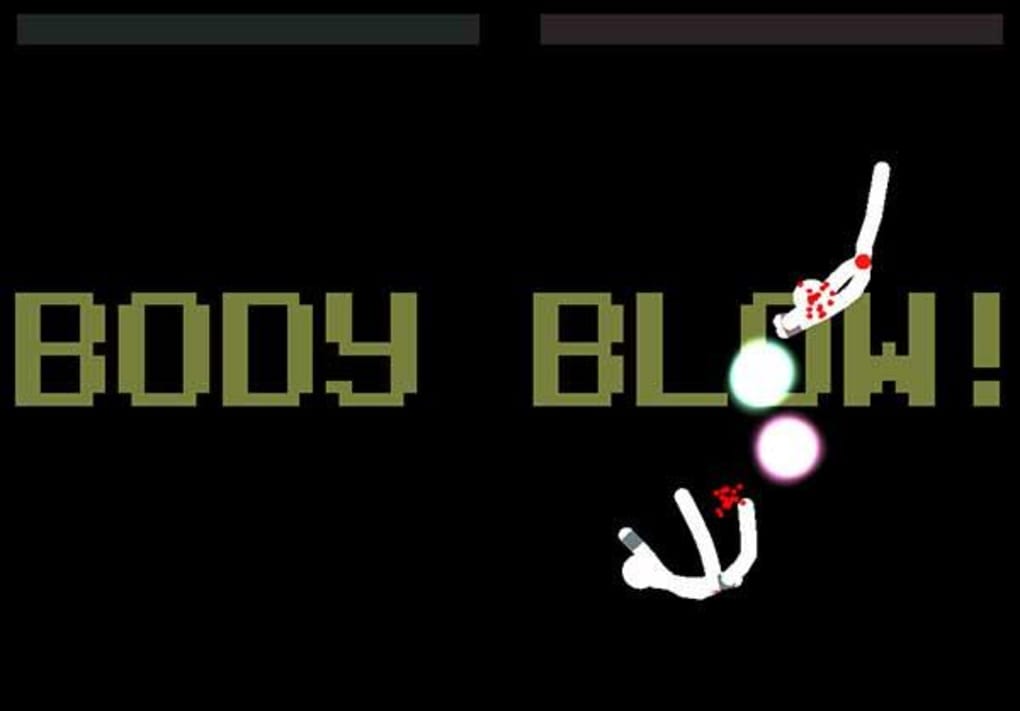
The choice of an anti-gravity chamber as the battleground is not merely an aesthetic one; it is integral to the game’s mechanics. Without gravity to anchor the fighters, their movements become fluid, almost ethereal. This allows for prolonged airborne skirmishes, where fighters can ricochet off boundaries and each other, maintaining momentum for multiple impacts. The environment, though minimalist, actively participates in the combat. Bumping against the invisible walls of the chamber can alter a fighter’s trajectory, either setting them up for a perfect strike or sending them spiraling into disarray.
Furthermore, the “elemental impact” of these fights is amplified by the visual feedback. As the fight progresses and blows are exchanged, players accumulate points for combos and particularly impactful head blows. A subtle, yet powerful, visual cue emerges as the wrists of the fighters begin to glow red. This redness intensifies, growing increasingly brighter, a silent harbinger of the impending climax. The visual escalation builds anticipation, culminating in the dramatic, yet oddly satisfying, moment when the losing ragdoll explodes in a shower of small, colorful balls. This explosive finale isn’t just a win condition; it’s a spectacle, a reward for the player’s mastery of the chaotic physics, and a playful nod to the game’s inherently whimsical nature. This blend of simple controls, complex physics interactions, and clear visual progression forms the bedrock of “Ragdoll Masters’” addictive appeal.
Masterful Control and Dynamic Combat
The brilliance of “Ragdoll Masters” lies in how it extracts profound depth from seemingly limited controls. On the surface, controlling a character with just up, down, left, and right might seem restrictive. However, within the anti-gravity chamber and under the influence of the meticulously crafted physics engine, these simple inputs become the keys to an intricate dance of momentum, evasion, and strategic aggression. It’s a game that teaches players not to command a character’s every action, but to manipulate their environment and their own body’s inertia to achieve desired outcomes.
The combat is dynamic, characterized by rapid shifts in momentum and the constant unpredictability of ragdoll movement. Players must develop an almost intuitive understanding of how their inputs will translate into body movement. A quick tap upwards might send the ragdoll floating gently, while a sustained press could launch it into a full, aggressive spin. Mastering these nuances is what separates a novice from a “Ragdoll Master.” It’s not about pre-planned combos, but about reactive, on-the-fly decisions that exploit the physics engine to maximum effect. This dynamic nature ensures that no two fights are ever exactly alike, even against the same opponent, guaranteeing a high degree of replayability.
The Art of the Spin and the Perfect Blow
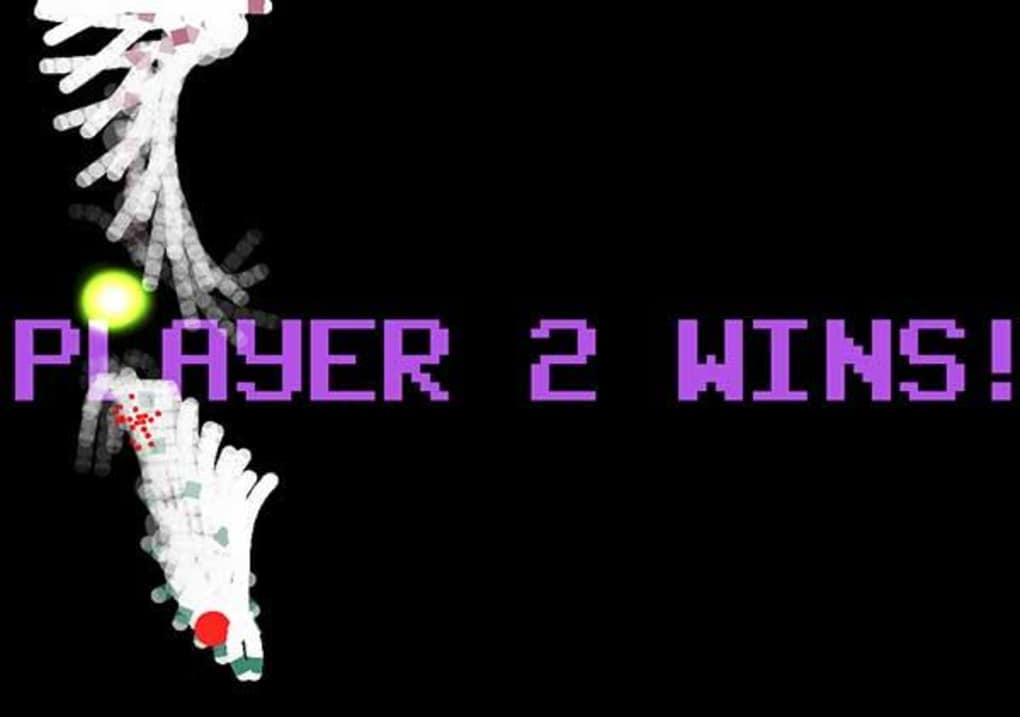
In “Ragdoll Masters,” the humble spin is elevated to an art form. Since there are no dedicated attack buttons, every offensive maneuver hinges on correctly positioning and rotating your ragdoll to ensure an impactful collision. This requires a keen sense of timing and spatial awareness. Players learn to propel their fighter into a spin, transforming their entire body into a blunt instrument. A well-executed spin can see a leg whip out to deliver a powerful kick, an arm swing down for a surprising punch, or even a torso twist into a damaging body slam. The most coveted of these, however, remains the headshot. Landing a direct blow to an opponent’s head, especially with a precisely aimed “big toe,” provides not only a satisfying crunch but also significant points towards victory.
This mechanic encourages players to think less like a traditional fighter and more like a celestial billiards player. You’re not just moving a character; you’re launching a projectile, guiding its rotation and trajectory to ensure maximum impact. The randomness inherent in ragdoll physics means that even a slight variation in input can lead to drastically different attack angles and outcomes. This fosters a sense of emergent gameplay, where players constantly experiment with different speeds, angles, and rotations to discover new and effective ways to land blows. The process of learning and refining this “art of the spin” is a deeply engaging aspect of the game, turning what could be a frustrating lack of control into a playground for creative combat.
Building Momentum: Combos, Headshots, and the Explosive Finale
The progression of a “Ragdoll Masters” fight is a carefully choreographed spectacle, despite its chaotic appearance. As players successfully land blows, particularly combinations of hits or critical headshots, they accrue points. This scoring system provides a clear incentive for aggressive, yet precise, play. The game rewards not just single strikes, but sequences of impacts, encouraging players to maintain pressure and keep their opponent reeling. This is where the physics truly shine; a well-placed initial blow can send the enemy spinning, setting them up for a follow-up strike before they can regain their equilibrium.
Beyond the numerical score, “Ragdoll Masters” provides a brilliant visual indicator of the fight’s intensity and imminent conclusion: the reddening wrists. As a fighter takes damage and loses ground, their wrists begin to glow with an ominous red hue. This visual cue isn’t just cosmetic; it acts as a palpable meter of their remaining fortitude. The color intensifies with each successive blow, becoming brighter and more vibrant as the losing ragdoll approaches its breaking point. This creates a suspenseful build-up, both for the player delivering the damage and the one desperately trying to avoid it.
The climax is a defining moment: the losing ragdoll, their wrists glowing fiercely, finally succumbs to the accumulated damage and explodes. This isn’t a gory or violent explosion; rather, it’s a whimsical burst into a shower of small, colorful balls. This final, playful flourish perfectly encapsulates the game’s tone – a blend of competitive combat with a lighthearted, almost comedic, touch. This unique progression, from initial chaotic flailing to strategic spinning, point accumulation, visual damage cues, and finally, the celebratory explosion, creates an engaging loop that keeps players coming back for more. It’s a system that effectively marries the unpredictability of physics with a satisfying sense of accomplishment and progression.
Aesthetics of Minimalism: Graphics, Variation, and Enduring Appeal
“Ragdoll Masters” makes a deliberate aesthetic choice: minimalism. The graphics are undeniably basic, utilizing simple stick figures and a stark, uncluttered environment. In an era dominated by hyper-realistic visuals and sprawling open worlds, this approach might initially appear as a drawback. Indeed, the game has been critiqued for its “very basic graphics” and “not much variation” in terms of environments or character models. However, these perceived limitations are, in fact, integral to the game’s success and enduring appeal, allowing the revolutionary physics engine to take center stage without visual distractions.
The simplicity of the visuals allows players to focus entirely on the core gameplay mechanics – the movement, the momentum, the impact of each floppy blow. Elaborate textures or detailed character models would likely detract from the clean, legible interactions of the ragdoll physics. By stripping away visual complexity, “Ragdoll Masters” ensures that every bounce, every spin, every perfectly aimed “big toe” is immediately understood and appreciated. This minimalist approach fosters a timeless quality, ensuring the game remains engaging long after graphically superior titles have faded into obscurity, because its core appeal is rooted in fundamental gameplay rather than fleeting visual trends.
Basic Visuals, Profound Fun
The “very basic graphics” of “Ragdoll Masters” are not a sign of underdeveloped design, but rather a deliberate choice that contributes to its “profound fun.” In an industry often chasing graphical fidelity, this game proves that visual simplicity can be a strength. The stick figures, devoid of intricate details, become avatars that players can easily project themselves onto. This abstraction fosters a focus on the pure mechanics of combat, where the satisfaction comes from mastering the physics rather than admiring character models.
Moreover, the lack of environmental “variation” also serves a purpose. The anti-gravity chamber remains consistent, providing a predictable sandbox for unpredictable physics. This unchanging backdrop allows players to internalize the physics of the space, understanding how their ragdolls will interact with the boundaries and each other without the added complexity of varying terrain or obstacles. It’s a clean slate for endless physical experimentation. The “original gameplay,” “easy controls,” and overall “fun” factor are amplified by this minimalist aesthetic, as there are no extraneous elements to distract from the core, addictive loop of physics-based combat. The game understands that sometimes, less is indeed more, especially when the core mechanic is as engaging as “Ragdoll Masters’” ragdoll physics.
The Addiction of Unpredictable Physics
Despite the lack of superficial variation, “Ragdoll Masters” achieves extreme addictiveness precisely because of its core mechanic: the unpredictable nature of ragdoll physics. While the characters and arena may look the same, every single match plays out differently. The subtle variations in momentum, the slight differences in initial positioning, the unpredictable bounce off an opponent’s limb – all these factors conspire to create unique scenarios with each new fight. This emergent gameplay is the true source of its infinite variation.
Players are drawn back to “Ragdoll Masters” not for new levels or character skins, but for the sheer joy of experimentation and mastery within its physics sandbox. The satisfaction of finally landing that perfect, improbable headshot after numerous attempts, or pulling off a multi-hit combo purely through skillful manipulation of inertia, is deeply gratifying. It’s the kind of game that you “will return to time and time again when you have a few minutes to burn,” precisely because it offers instant, engaging, and fresh challenges without demanding a significant time investment. The unpredictability isn’t a flaw; it’s the engine of its replayability, ensuring that even after hundreds of matches, there’s always a new way for a stick figure to flail, spin, and explode. This raw, unadulterated fun, derived directly from its physics engine, solidifies its position as a timeless classic among casual yet competitive gamers.
The Legacy of Ragdollsoft: A Niche Masterpiece
“Ragdoll Masters” is more than just an entertaining game; it’s a significant marker in the history of independent game development, particularly for its developer, Ragdollsoft. The studio carved out a distinct identity by specializing in physics-based games, a niche that, while seemingly simple, demands a profound understanding of interactive systems and player engagement. This specialization allowed Ragdollsoft to hone their craft, creating experiences that felt both innovative and remarkably polished within their chosen domain. “Ragdoll Masters” stands as their most recognized work, but it is part of a broader portfolio that demonstrates a consistent vision.
This focus on physics-driven gameplay sets Ragdollsoft apart. While many developers might incorporate physics as an element within a larger game, Ragdollsoft made it the central pillar, the core mechanic around which the entire experience was built. This dedication resulted in games that felt distinct and offered unique challenges not found in more traditional titles. The success and enduring popularity of “Ragdoll Masters” firmly established Ragdollsoft as a pioneer in this specific subgenre, influencing subsequent games that explored similar mechanics.
Pioneering Physics in 2D Beat ’em Ups
“Ragdoll Masters” wasn’t just a 2D beat ’em up; it was an experiment in the world of 2D beat ’em ups, leveraging ragdoll physics to fundamentally alter the genre’s landscape. Prior to its release, beat ’em ups typically relied on sprites and rigid animation frames to depict combat. While effective, these methods inherently limited the organic, unpredictable nature of physical interaction. “Ragdoll Masters” shattered these conventions by integrating a full-fledged ragdoll physics engine as the primary driver of combat. This meant that every impact, every fall, every bounce was calculated in real-time, resulting in animations that were always unique and dictated by the forces at play.
This pioneering approach had a profound impact. It demonstrated that intricate combat could be achieved not through complex animation cycles, but through elegant physics simulations and simple player inputs. It transformed the player’s role from executing pre-programmed moves to actively manipulating a physics object, teaching them to leverage momentum and body positioning in entirely new ways. This vision paved the way for a generation of physics-centric games, proving that a minimalist visual style could be paired with deep, emergent gameplay to create a truly innovative and genre-defining experience. The game became a benchmark for how physics could be integrated not just as a visual flourish, but as the very core of gameplay.
Its Place Among Ragdoll Game Innovations
The influence of “Ragdoll Masters” extends beyond the immediate beat ’em up genre, positioning it as an important precursor and contemporary to a broader wave of ragdoll physics innovations. While titles like “Fun with Ragdolls: The Game” and “People Playground” (both recognized for their ultimate ragdoll game and chaotic sandbox experiences respectively) explore the sandbox potential of ragdolls, and “Rubber Ninjas” offers a martial arts fighting take, “Ragdoll Masters” holds a distinct place. It focuses the chaotic fun of ragdolls into a structured, competitive fighting game, proving that these malleable characters could be the stars of a compelling combat experience rather than just props in a physics playground.
Its enduring presence as a trial version on platforms like PhanMemFree.org and its impressive download numbers (over 126.9K lifetime downloads, with 48 in the last month at the time of the provided data) speak volumes about its continued relevance. Even years after its initial release, “Ragdoll Masters” continues to attract new players, a testament to the timelessness of its core mechanic and its well-executed design. It’s not just a relic of gaming history; it’s a living example of how a simple idea, expertly implemented, can resonate across generations of gamers, cementing its status as a niche masterpiece that helped define a unique corner of the gaming world. Its legacy is not just in its own success but in demonstrating the vast, untapped potential of physics-driven gameplay.
Why Ragdoll Masters Continues to Captivate
“Ragdoll Masters” might be a game of simple aesthetics and straightforward mechanics, yet its ability to captivate and endure speaks volumes about its fundamental strengths. In an industry often fixated on graphical prowess and sprawling narratives, this game stands as a powerful reminder that truly engaging experiences often stem from elegant design and a deep understanding of interactive systems. Its charm is not superficial; it is ingrained in every unpredictable bounce, every perfectly timed spin, and every explosive victory.
The enduring appeal of “Ragdoll Masters” lies in several key factors. First, its simplicity is a strength, not a weakness. It’s easy to pick up, requiring no complex tutorials or lengthy commitment. This makes it an ideal choice for casual gaming sessions, perfect for unwinding or enjoying a quick, competitive burst of fun. Second, the joy of unpredictable physics ensures that the game never truly grows stale. Each match presents new scenarios, new opportunities for spectacular maneuvers, and new moments of unexpected hilarity. The emergent gameplay guarantees fresh experiences, even after countless rounds. Finally, its status as a classic in its niche ensures its continued relevance. It’s a game that defined a particular style of physics-based combat, influencing others and standing as a testament to the creative potential of independent developers like Ragdollsoft.
PhanMemFree proudly showcases “Ragdoll Masters” not merely as a piece of software, but as a landmark in innovative game design. It remains a vibrant example of how a singular, well-executed idea can create an experience far greater than the sum of its minimalist parts. For anyone seeking a unique combat game that challenges conventional notions of control and rewards creative thinking, “Ragdoll Masters” offers an unparalleled journey into the delightful chaos of physics-driven martial arts. It is, without a doubt, a masterclass in making the most out of very little, creating a game that continues to be as fun and addictive today as it was upon its initial release.
File Information
- License: “Trial version”
- Version: “3.1”
- Latest update: “July 15, 2022”
- Platform: “Windows”
- OS: “Windows 98”
- Language: “English”
- Downloads: “126.9K”
- Size: “6.14 MB”


