
Recolored was a software application that aimed to simplify and democratize the process of colorizing black and white photographs. Before sophisticated AI-powered tools became commonplace, Recolored offered a user-friendly approach to this intricate task, allowing even novice users to achieve professional-looking results. While the software is no longer actively developed or supported, its place in the history of digital photo editing remains notable. This article explores Recolored’s functionality, its impact on the digital photo editing landscape, user experiences, and its eventual decline.
Recolored’s Functionality: A User-Friendly Approach to Colorization
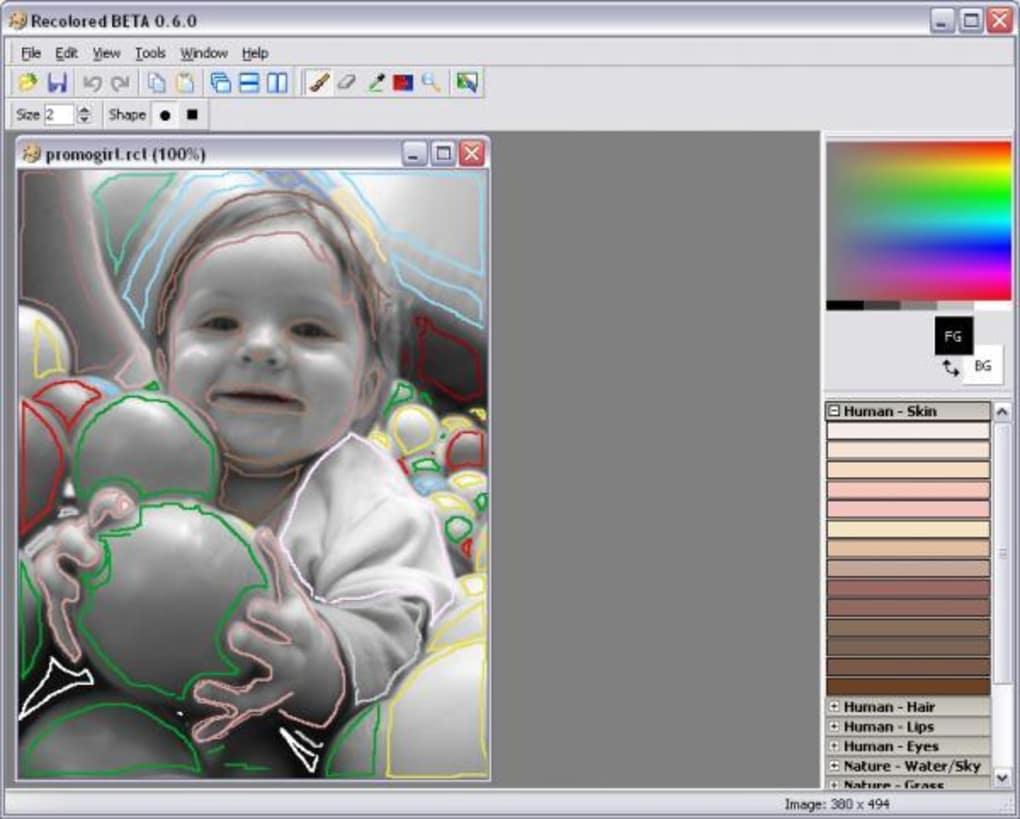
Unlike modern AI-based colorization tools that automatically infer colors based on complex algorithms, Recolored employed a semi-automatic approach. This involved user interaction to guide the colorization process, making it unique for its time. Users weren’t simply uploading images and receiving automatically colorized versions; instead, they actively participated in the process.
The core functionality centered around applying color markings to different regions of a grayscale image. Users would select a color from a palette and then “paint” areas of the image with that chosen hue. This manual input acted as a guide for the software’s colorization algorithm. The software then used these markings to intelligently propagate color across similar regions, creating a more consistent and visually appealing result than simple color fill would have provided.
The process was intuitive, even for users lacking advanced image editing skills. The interface was likely straightforward, prioritizing ease of use over extensive customization options. This accessibility was a key factor in Recolored’s appeal, enabling a wider audience to engage with photo colorization.
The “Colorize” button initiated the software’s core processing. This step involved the application’s algorithm analyzing the user-provided color cues and blending them seamlessly into the grayscale image. The underlying algorithm likely involved sophisticated image processing techniques to ensure a natural and realistic color rendition. While the exact details of the algorithm aren’t publicly available, its effectiveness is evidenced by user reviews praising the quality of the results.
Recolored’s Impact and Reception: A Popular but Flawed Tool
Recolored achieved considerable popularity, particularly in countries like India, the United States, and Italy. Its user base reached tens of thousands, demonstrating a clear demand for accessible colorization tools. This success highlights the software’s ability to meet a previously unmet need. Before the widespread availability of online colorization services and AI-driven apps, Recolored provided a relatively simple solution.
However, despite its popularity, Recolored wasn’t without its shortcomings. User reviews consistently highlighted issues with the software’s stability. Reports of crashes, disappearing color palettes, and general instability plagued the user experience. These technical issues were a major drawback, diminishing the otherwise positive user experience.
The high price point of $49 also drew criticism. Considering the limitations and instability, many users felt the price was unjustified, especially given the emergence of free or more affordable alternatives over time. The lack of consistent support further exacerbated this issue, leaving users frustrated and without assistance when encountering problems. The absence of responsive support ultimately contributed to negative user sentiment.
Comparison to Contemporary Alternatives: A Shifting Landscape
Recolored’s release predated the rise of powerful AI-driven colorization tools. Modern alternatives use deep learning techniques to analyze images and automatically determine appropriate colors, requiring minimal to no user input. These AI-powered solutions often produce more realistic and consistent results than Recolored could achieve, even with manual input.
Compared to today’s options, Recolored’s semi-automatic approach seems cumbersome and less efficient. The need for manual color markings is a significant time investment compared to the near-instantaneous colorization provided by modern tools. The potential for errors due to inconsistent or inaccurate markings further emphasizes this disadvantage.
However, it’s essential to view Recolored within its historical context. At the time of its release, the technology needed for automatic colorization was not as advanced. Recolored represented a significant step forward, offering a more accessible and user-friendly approach compared to the complex and resource-intensive methods previously available.
Recolored’s Legacy and Decline: A Lesson in Software Development
Despite its initial success, Recolored eventually faded from prominence. The lack of updates, persistent stability issues, and the high price point in a changing market ultimately led to its decline. The software’s failure to adapt and incorporate improvements resulted in its being superseded by more robust and cost-effective alternatives.
Recolored’s story serves as a valuable lesson in software development. Consistent updates, addressing user feedback, and providing adequate support are crucial for long-term success. Failing to adapt to evolving technology and market demands can lead to obsolescence, even for initially popular products. The experience underscores the importance of ongoing development and responsiveness to user needs in the competitive software market. The lack of any significant updates after 2006 illustrates this point clearly, with the last update mentioned in 2019 referring only to a version number change and not any improvements.
In conclusion, Recolored holds a significant place in the history of digital photo editing. It provided early access to photo colorization technology, empowering users to creatively enhance their images. However, its technical flaws, pricing strategy, and lack of ongoing development ultimately led to its decline, highlighting the critical factors that contribute to long-term success in the software industry. The lessons learned from Recolored’s journey serve as a valuable reminder for developers in the ever-evolving world of software and technology.
File Information
- License: “Trial version”
- Version: “1.0.1”
- Latest update: “July 12, 2019”
- Platform: “Windows”
- OS: “Windows XP”
- Language: “English”
- Downloads: “38.8K”
- Size: “5.73 MB”


