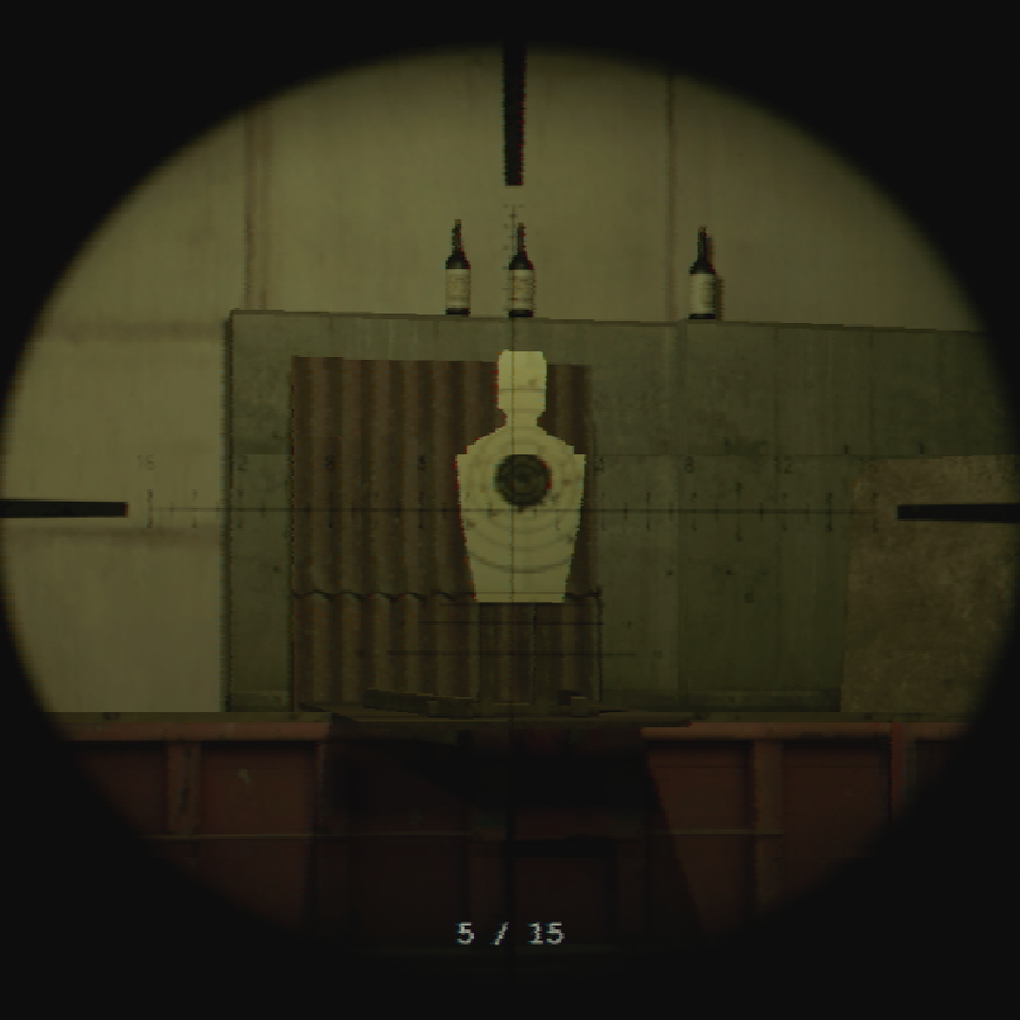
In the sprawling digital landscape of first-person shooters, where hyper-realistic graphics and complex narratives often dominate, some titles manage to carve out a niche through sheer unadulterated arcade fun. “Red Crucible 2: Reborn” is precisely one such game. Billed as a modern warfare experience, this title thrusts players into intense, global combat scenarios, armed with a formidable array of contemporary vehicles and weaponry. It’s an ode to a bygone era of accessible, action-packed gaming, yet wrapped in the veneer of modern military engagements. For many, it evokes a powerful sense of nostalgia, offering a straightforward, no-frills approach to competitive online play that has resonated with a dedicated community since its inception.
Developed by Rocketeer Games Studio, LLC, “Red Crucible 2: Reborn” distinguishes itself by embracing a “combined arms combat” philosophy. This isn’t merely a game about infantry skirmishes; it’s a symphony of destruction where ground vehicles rumble, aircraft roar overhead, and foot soldiers strategically navigate complex environments. This multi-faceted approach to warfare provides a dynamic battlefield experience, encouraging players to adapt their tactics and leverage different combat roles to secure victory. Its charm lies not in groundbreaking innovation, but in its ability to deliver a consistent, engaging, and genuinely fun arcade shooting experience, a true blast from the past for enthusiasts of the genre.
The Unyielding Call of Combat: Delving into Red Crucible 2: Reborn’s Core Gameplay
At its heart, “Red Crucible 2: Reborn” is about relentless action and competitive spirit. Players are immediately plunged into fast-paced matches, where their wits, reflexes, and strategic thinking are constantly put to the test against opponents from all corners of the globe. The game’s design prioritizes immediate engagement, making it easy for new players to jump into a match, but offering enough depth in its combat mechanics and customization options to keep seasoned veterans hooked. It’s an accessible entry point into the modern military shooter genre, devoid of overly complicated progression systems or convoluted lore, focusing instead on the thrill of the fight.
Diverse Arenas and Strategic Depth
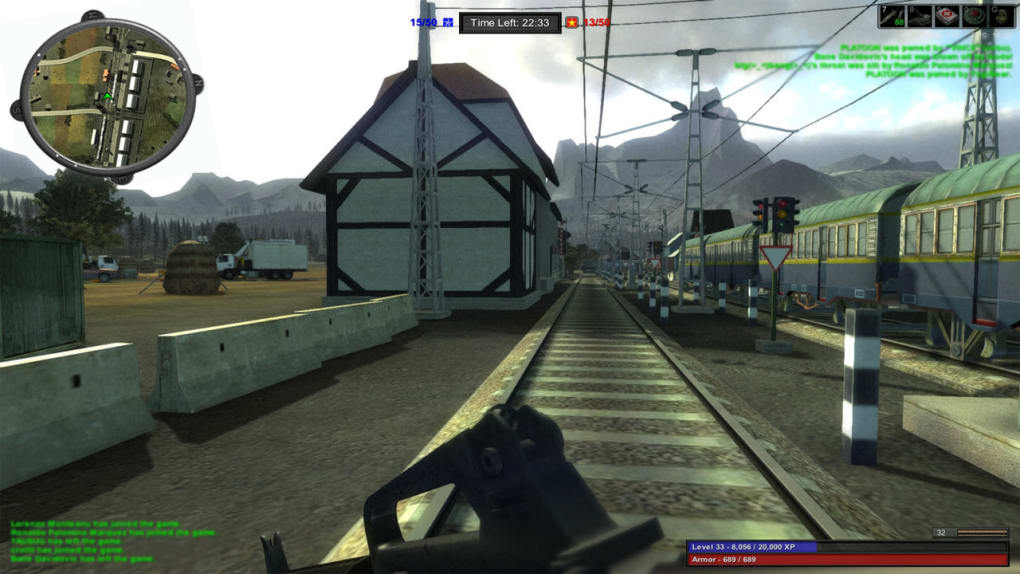
One of the defining characteristics of “Red Crucible 2: Reborn” is its impressive collection of diverse battle arenas. With 15 distinct maps, each meticulously designed to support specific combat types, the game ensures a varied tactical experience. These arenas are not merely cosmetic backdrops; they are integral to the gameplay, dictating the flow of battle and influencing player strategies. From sprawling urban environments ideal for infantry and vehicular combat to vast desert expanses perfect for combined arms warfare, each map presents unique challenges and opportunities. This diversity encourages players to master different aspects of the game, whether it’s close-quarters infantry combat, long-range vehicular engagements, or precision aerial strikes. The design philosophy behind these arenas clearly aims to keep the gameplay fresh and prevent stagnation, ensuring that no two matches ever feel exactly the same.
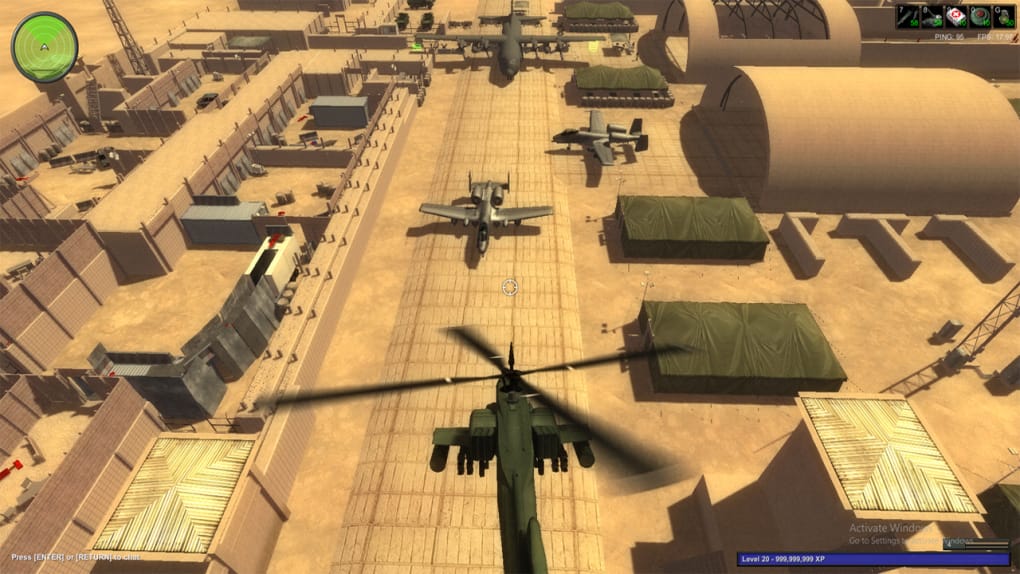
The thoughtful integration of map design with combat types is a cornerstone of the game’s strategic depth. For instance, an open map like “Sand Storm” in a desert setting demands careful coordination between ground vehicles, air support, and infantry, as cover is sparse and engagements tend to occur over longer distances. Conversely, an urban map like “Favela” in Rio de Janeiro, optimized for infantry combat, transforms into a labyrinth of close-quarters firefights, where spatial awareness and rapid reflexes are paramount. The game successfully balances these different scales of conflict, providing a rich tapestry of tactical choices that keep players engaged and constantly re-evaluating their approach to each battle.
Mastering the Arsenal: Weapons, Vehicles, and Customization
“Red Crucible 2: Reborn” empowers players with an extensive array of modern weaponry and advanced vehicles, critical tools for navigating the chaos of the battlefield. The arsenal includes everything from assault rifles and sniper rifles to heavy machine guns and rocket launchers, each with distinct characteristics and optimal use cases. The satisfaction of landing a headshot with a precision sniper rifle or unleashing a barrage of bullets from a mounted machine gun adds a visceral layer to the combat. The game provides a substantial amount of firepower at the player’s disposal, encouraging experimentation to find a loadout that suits individual playstyles.
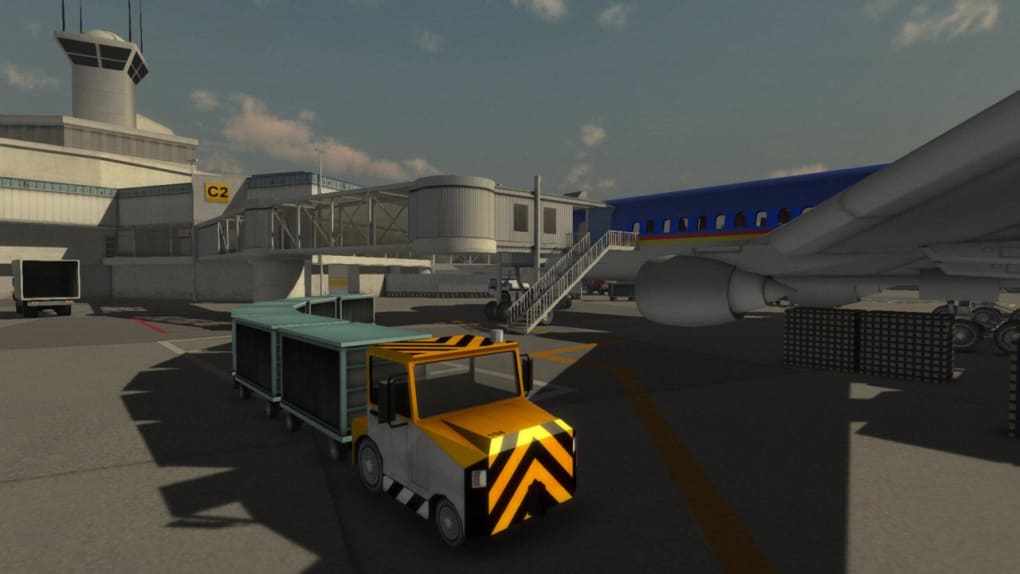
Beyond personal firearms, the integration of advanced modern vehicles is a game-changer. Players can commandeer tanks, armored personnel carriers, and even aircraft, dramatically altering the pace and scale of combat. Piloting a helicopter over enemy lines, providing suppressive fire for ground troops, or rolling into an objective in a heavily armored tank are experiences that elevate the gameplay beyond typical infantry-focused shooters. The seamless transition between infantry and vehicle combat is a core strength, allowing players to adapt to dynamic situations and contribute to their team’s efforts in multiple ways. This combined arms approach ensures that every player can find a role they enjoy, whether they prefer to be on foot, behind the wheel, or in the cockpit.
Adding a layer of individuality to the intense combat, “Red Crucible 2: Reborn” also features character customization. While perhaps not as expansive as some AAA titles, the ability to personalize one’s combat avatar contributes to player engagement and a sense of ownership. Players can modify their characters’ appearance, allowing them to stand out on the battlefield and express their unique style. Furthermore, all items and arenas, including weapons, vehicles, and cosmetic options, are part of the game’s purchase and can be unlocked as players rank up through experience gained in battles. This progression system provides a tangible reward for continued play, encouraging players to hone their skills and invest time in the game to access new content and improve their capabilities.
A Battlefield for Every Warrior: Exploring Game Modes and Iconic Maps
The variety in “Red Crucible 2: Reborn” extends beyond its weaponry and vehicle integration, encompassing a robust selection of game modes and a globally diverse set of maps. This ensures that players rarely feel limited in their choices, always finding a type of engagement that suits their mood or tactical preference. The combination of varied objectives and distinct geographical settings is crucial to the game’s longevity and appeal, offering a fresh experience with each match.
Varied Combat Scenarios: From Last Man Standing to Demolition
“Red Crucible 2: Reborn” boasts an impressive roster of game modes, each offering a unique spin on the core combat experience. This diversity is key to preventing repetitive gameplay and catering to a wide range of player preferences. Among the modes worth mentioning are:
- Last Man Standing: A classic elimination mode where players compete to be the sole survivor. This mode emphasizes individual skill, stealth, and tactical positioning, creating tense, high-stakes encounters where every decision counts. It’s a true test of a player’s combat prowess and ability to adapt on the fly.
- Attack & Defend: A team-based objective mode where one team attempts to capture or destroy specific targets while the other defends them. This mode promotes strategic teamwork, coordinated assaults, and robust defensive setups. It often involves a push-and-pull dynamic, with the tide of battle shifting based on successful flanking maneuvers or well-timed counter-attacks.
- Free For All: The ultimate individual test, where every player is an enemy. This mode is pure, unadulterated chaos, favoring aggressive playstyles and quick reflexes. It’s an excellent way to practice individual combat skills without the pressure of team objectives, focusing solely on kill count and survival.
- Team Deathmatch: The quintessential team-based skirmish, where two teams compete to achieve the highest kill count within a time limit. This mode is a staple of online shooters for a reason, offering straightforward, action-packed competition that relies on collective effort and coordinated pushes.
- Demolition: A strategic objective mode, often involving planting or defusing bombs. This mode requires careful planning, coordinated movements, and a deep understanding of map layouts. It’s a slower, more deliberate mode than the others, demanding precision and tactical acumen from both attacking and defending teams.
These varied modes ensure that “Red Crucible 2: Reborn” offers something for every type of player, whether they prefer solo glory, objective-based team play, or all-out chaotic warfare. The ability to switch between these experiences keeps the game engaging and provides ample opportunities for players to develop a diverse skill set.
Geographic Diversity: Unveiling Red Crucible’s Global Battlegrounds
The tactical experience in “Red Crucible 2: Reborn” is further enhanced by its array of geographically diverse and creatively designed maps. These arenas are not just visually distinct; they offer unique tactical considerations that force players to constantly adjust their strategies. The game designers at Rocketeer Games Studio, LLC clearly put effort into making each location feel unique and impactful on gameplay.
- Frankfurt City: An urban arena perfectly suited for intense ground vehicle and infantry combat. Its dense cityscape, with towering buildings and narrow streets, provides ample cover for infantry but also creates choke points for armored vehicles.
- A7 Autobahn: A versatile map that supports all three combat types – infantry, air, and vehicle. Its open stretches of highway combined with varied terrain surrounding it allow for large-scale engagements where combined arms tactics truly shine.
- Sand Storm: A vast desert arena designed for ground vehicle, air, and infantry combat. The open, windswept dunes and scattered rock formations make for expansive engagements, where long-range visibility and strategic positioning of vehicles and air assets are paramount.
- Kiev: An infantry combat arena, distinctively set on a Soviet aircraft carrier. This map offers a unique verticality and a confined, yet complex, environment for close-quarters infantry battles, emphasizing tight tactical movements and objective control on a naval vessel.
- Island X: A massive volcano island that provides a dramatic backdrop for combat. Its rugged terrain, elevation changes, and potential environmental hazards (though not explicitly stated, the imagery suggests it) could make for thrilling and unpredictable battles.
- Favela: An infantry combat arena located within the bustling city of Rio de Janeiro. Inspired by the real-world shantytowns, this map features multi-tiered structures, tight alleys, and numerous vantage points, making it a paradise for infantry players who excel in close-quarters combat and urban guerilla warfare.
- Other notable mentions include Frostbite, likely a snowy or icy environment, Red Dawn, hinting at a Cold War aesthetic, Bosporus, suggesting a strategic waterway location, Grimrog, implying a grittier, perhaps industrial setting, 73 Easting, possibly a nod to a famous tank battle, and Sledgehammer, which could be a heavy industrial or demolition zone. Each of these names conjures images of distinct battlegrounds, promising varied combat experiences and demanding different tactical approaches.
This rich tapestry of maps, from sun-drenched deserts to bustling cityscapes and even a Soviet aircraft carrier, ensures that players are constantly faced with new tactical puzzles to solve. The diversity in environments not only keeps the game visually appealing but fundamentally alters how players engage with the combat mechanics, ensuring “Red Crucible 2: Reborn” remains fresh and challenging.
Beyond the Frontlines: The Player Experience, Strengths, and Areas for Growth
Every game, regardless of its design philosophy, generates a unique player experience shaped by its features, strengths, and inherent limitations. “Red Crucible 2: Reborn” is no exception, garnering appreciation for certain aspects while also presenting areas where it could improve. Understanding these facets provides a more complete picture of what makes this “reborn” title tick and where its journey might continue.
The Allure of Nostalgia and Customization
One of the most frequently cited pros of “Red Crucible 2: Reborn” is its ability to invoke a powerful sense of nostalgia. For many players, especially those who grew up with early 2000s online arcade shooters, the game serves as a cherished “blast from the past.” It eschews the often-overwhelming complexity of modern titles, opting for a more straightforward, pick-up-and-play approach that harks back to simpler times in gaming. This arcade-like feel—characterized by immediate action, clear objectives, and a focus on skill-based shooting—is a major draw. It offers a refreshing alternative to games that demand hundreds of hours to master convoluted mechanics or understand intricate lore. The game effectively taps into the desire for uncomplicated, engaging fun, providing a digital playground where the primary goal is simply to outshoot and outmaneuver opponents.
Furthermore, the game’s multiple battle arenas significantly contribute to its replayability and strategic depth. As discussed, the diverse environments from Frankfurt City to Island X ensure that each match feels distinct. This variety prevents the game from becoming stale, as players are constantly presented with new tactical puzzles to solve based on the map’s layout and supported combat types. Whether it’s the thrill of an urban infantry skirmish or a wide-open vehicle engagement, the game offers enough variation to keep players engaged for extended periods.
Character customization, while not revolutionary, is another positive aspect. The ability to personalize avatars allows players to express themselves and feel a greater connection to their in-game persona. This feature, combined with the extensive arsenal and unlockable items, provides a sense of progression and reward, motivating players to continue playing and ranking up. Lastly, the support for six languages (English, Portuguese, Russian, Turkish, and Chinese) is a testament to the game’s global reach and its developer’s commitment to making the experience accessible to a wider international audience, fostering a truly global community of players.
Navigating Challenges: Graphics, Progression, and Server Infrastructure
Despite its undeniable charm and engaging gameplay, “Red Crucible 2: Reborn” does face several criticisms and areas that could benefit from improvement. One of the most common points of feedback revolves around its graphics. While the art style is functional and clear, it’s often noted that the “graphics could be better.” In an era dominated by hyper-realistic visuals and cutting-edge rendering technologies, “Red Crucible 2: Reborn”’s aesthetic might appear dated to some players. While not necessarily a deal-breaker for those who prioritize gameplay, an update to the visual fidelity could attract a broader audience and enhance the overall immersion for existing players.
Another significant drawback highlighted by players is the “slow progression” system. Unlocking new weapons, vehicles, and customization options often feels like a grind, requiring a substantial time investment to earn enough experience or in-game currency. This can be frustrating for players who want to quickly access new content or feel a more immediate sense of reward for their efforts. A re-evaluation of the progression curve or the introduction of more varied ways to earn rewards could significantly improve the player retention and satisfaction. If unlocking content becomes too tedious, players might disengage before fully exploring all the game has to offer.
The comment that the game “doesn’t bring anything new to the table” reflects a certain truth about its design philosophy. While its adherence to classic arcade shooter mechanics is precisely what draws many players seeking nostalgia, it also means the game might struggle to attract players looking for innovative gameplay loops or groundbreaking features. It solidifies its position as a “reborn” classic rather than a trendsetter. For its target audience, this isn’t an issue, but for the broader market, it could be a limiting factor.
Lastly, the suggested need for “region-based servers” points to a critical infrastructure concern. In a global game, connecting players across vast geographical distances often results in high latency (lag), which can severely impact the fluidity and fairness of online combat. Implementing region-specific servers would ensure lower ping for players within those regions, leading to a smoother, more responsive gameplay experience and a more level playing field. Without optimized server infrastructure, even the most engaging gameplay can be marred by technical issues.
The Enduring Legacy of a ‘Reborn’ Arcade Classic
“Red Crucible 2: Reborn,” despite its age (with its last update noted on September 28, 2018), continues to hold a place in the hearts of many players. Its “Full Version” license and availability on Windows 7 and later, coupled with support for multiple languages, have allowed it to build a resilient community. The game’s legacy is defined by its commitment to an unpretentious, action-first approach to modern warfare. It successfully channels the spirit of arcade shooters, emphasizing fast-paced engagements and the joy of direct competition over intricate narratives or hyper-realistic simulations.
With a respectable rating of 4.1 out of 5 from 93 user reviews on PhanMemFree, it’s clear that the game resonates positively with a dedicated segment of the gaming population. While the raw download numbers might not rival contemporary blockbusters (e.g., 12.2K total downloads with 54 in the last month), these figures represent a consistent engagement from players who appreciate what “Red Crucible 2: Reborn” offers: a reliable, fun, and nostalgia-inducing online shooter.
The “Reborn” in its title is apt; it signifies not necessarily a complete overhaul, but a continuation and revitalization of a beloved formula. It’s a game that remains relevant because it fulfills a specific craving for a certain type of online shooter – one where the focus is squarely on the combat, the combined arms mechanics, and the sheer thrill of competing with others. In a marketplace saturated with new releases, “Red Crucible 2: Reborn” stands as a testament to the enduring appeal of well-executed arcade mechanics and the timeless enjoyment derived from a straightforward, action-packed digital battlefield. For players seeking that “blast from the past” or simply a reliable modern warfare experience without the frills, “Red Crucible 2: Reborn” continues to deliver.
File Information
- License: “Full”
- Version: “varies-with-device”
- Latest update: “September 28, 2018”
- Platform: “Windows”
- OS: “Windows 7”
- Language: “English”
- Downloads: “12.3K”