
PC performance degradation is an inevitable consequence of prolonged use. Over time, your computer accumulates temporary files, broken registry entries, and inefficient processes, leading to sluggishness, unresponsive applications, and even system freezes. Registry Mechanic, formerly known as PC Tools Registry Mechanic, presents itself as a solution to these problems, promising to revitalize your system’s speed and performance. However, a closer examination reveals a more nuanced picture of its capabilities and limitations. This review delves into the software’s features, strengths, weaknesses, and ultimately, whether it lives up to its claims.
Beyond Registry Cleaning: A Multifaceted Approach
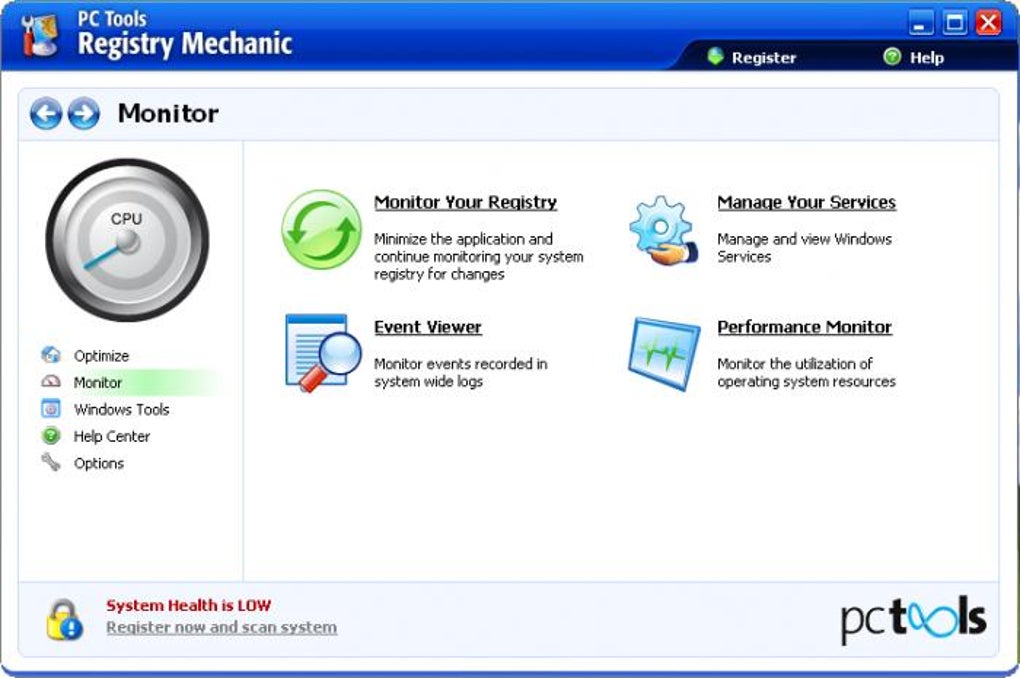
While the name “Registry Mechanic” emphasizes its registry-cleaning capabilities, the software’s functionality extends far beyond simple registry repairs. It incorporates a broader suite of system optimization tools designed to address various performance bottlenecks. The program organizes its tools into three main categories: Optimize, Monitor, and Windows Tools. This structured approach allows users to easily navigate the different functionalities and target specific areas for improvement.
The Optimize section focuses on improving system efficiency. This likely includes tasks such as cleaning temporary files, defragmenting the registry (though the effectiveness of registry defragmentation is a subject of ongoing debate), and potentially optimizing startup processes to reduce boot times. The exact processes involved are not explicitly detailed in the provided text, leaving room for speculation on the depth and breadth of its optimization strategies.
The Monitor section provides real-time performance insights, allowing users to track key metrics such as CPU usage, memory consumption, and disk I/O. This feature is valuable for identifying performance bottlenecks and understanding the impact of various optimization efforts. However, the level of detail provided in these monitoring tools remains unspecified. A comprehensive monitoring system would ideally provide granular data, allowing for precise diagnosis of performance issues. A simplistic monitoring tool may only provide high-level summaries, offering limited diagnostic value.
Finally, the Windows Tools section presents a collection of system utilities. While marketed as unique features, the provided text suggests these are largely built-in Windows tools repackaged within the Registry Mechanic interface. This raises questions about the actual added value of this section. While consolidating existing tools into a single interface can improve usability for less tech-savvy users, it doesn’t represent a significant technological advancement.
User Interface and Usability: A Balanced Perspective
Registry Mechanic is lauded for its user-friendly interface. The colorful and intuitive design makes navigation straightforward, even for users with limited technical expertise. The tools are clearly categorized and presented in a manner that promotes ease of use. This accessibility is a significant advantage, especially for those who might be intimidated by complex system optimization utilities.
However, the software’s documentation plays a crucial role in usability. The claim that the program is “thoroughly documented” is positive, suggesting users can readily access help and guidance if needed. Comprehensive documentation can significantly reduce the learning curve and mitigate the risk of accidental system damage.
Limitations and Concerns: A Critical Evaluation
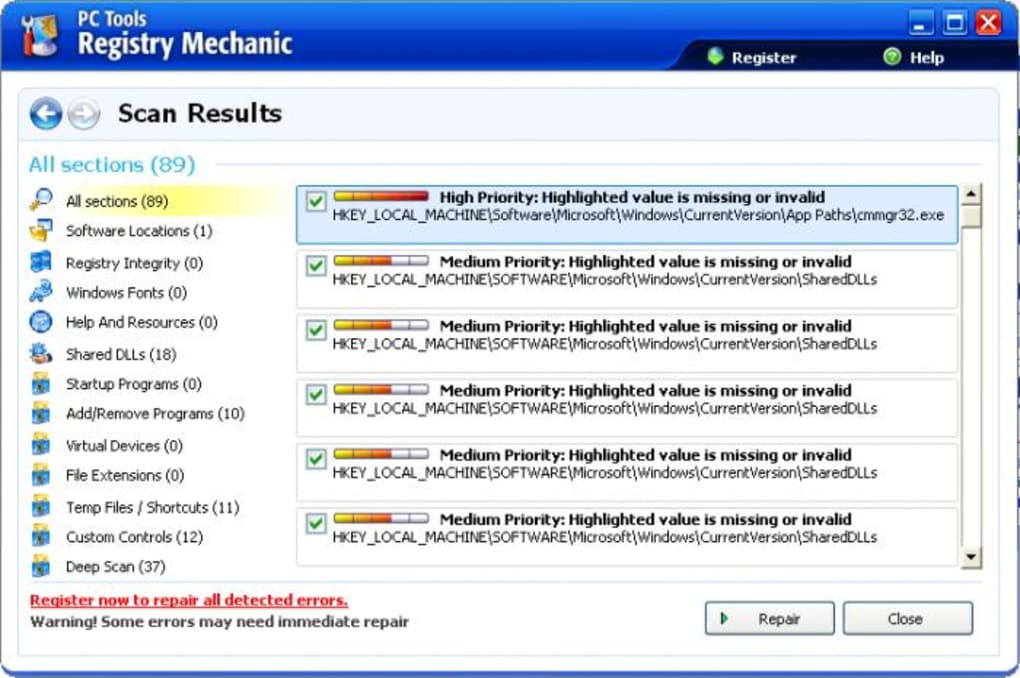
Despite its positive aspects, Registry Mechanic suffers from several limitations that warrant careful consideration. The most significant drawback is the restrictive nature of the trial version. The inability to fully address registry issues in the trial version pushes users towards purchasing the full product, potentially hindering the evaluation process. A fair trial should allow users to thoroughly assess the software’s capabilities before committing to a purchase.
The inclusion of essentially built-in Windows tools within the “Windows Tools” section raises concerns about the overall value proposition. While convenience is a factor, the repackaging of existing tools doesn’t justify a paid software purchase, especially considering the limitations of the trial version.
Furthermore, user reviews highlight potential issues such as occasional freezing, slow scan times, and a lack of frequent updates. These points raise questions about the software’s stability, reliability, and long-term maintenance. Slow updates could lead to the program failing to detect emerging registry issues or failing to take advantage of system optimizations in newer Windows versions. The freezing issue is particularly problematic, as it suggests potential stability concerns that could lead to data loss or system instability.
User Feedback: A Mixed Bag
The user reviews provide additional insights into the software’s performance and user experience. While some praise its speed, ease of use, and effectiveness in addressing registry problems, others express concerns about slow scan times, freezing issues, and the limitations of the trial version. One user describes the experience as “Quick, Easy And Powerful,” emphasizing its user-friendly interface and efficient registry cleaning capabilities. However, another user describes their experience as “I was not impressed at all,” highlighting slow scan times and the trial version’s limitations. This disparity in user experiences underscores the need for caution and careful consideration before purchasing the full version of the software.
Alternatives and the Competitive Landscape
The market offers a range of registry cleaners and system optimization tools. Registry Mechanic faces stiff competition from established players and newer entrants. The presence of alternative options underscores the importance of comparative research before committing to a particular product. Direct comparisons should be made against competing tools, assessing their features, pricing, and user reviews to determine which best suits individual needs and budget constraints.
Conclusion: A Cautious Recommendation
Registry Mechanic offers a user-friendly interface and a relatively comprehensive suite of system optimization tools. Its strength lies in its accessibility, making system maintenance accessible to users with limited technical skills. However, the limitations of the trial version, the inclusion of essentially pre-existing Windows tools, and reports of occasional instability raise concerns. Potential users should carefully weigh the benefits against the limitations and explore alternative solutions before making a purchase decision. The choice ultimately depends on the user’s technical skills, budget, and tolerance for potential drawbacks. Prioritizing thorough research and critical evaluation of user reviews is crucial in making an informed decision. The promise of enhanced system performance should be tempered with a realistic assessment of potential limitations and alternatives.
File Information
- License: “Trial version”
- Latest update: “October 13, 2010”
- Platform: “Windows”
- OS: “Windows XP”
- Language: “English”
- Downloads: “119.1K”
- Size: “15.63 MB”


