
Return to Castle Wolfenstein, a landmark title in the first-person shooter (FPS) genre, continues to captivate players with its intense action, gripping narrative, and chilling atmosphere. Released in 2001, this game redefined the standards of 3D action games, setting a new benchmark for immersive gameplay and atmospheric storytelling. Its legacy extends beyond its initial release, influencing countless subsequent titles and maintaining a dedicated fanbase even today. This article explores the enduring appeal of Return to Castle Wolfenstein, examining its gameplay mechanics, narrative, historical context, and lasting impact on the gaming landscape.
Immersive Gameplay and Action
Return to Castle Wolfenstein excels in its delivery of visceral and immersive first-person combat. The game seamlessly blends fast-paced action sequences with strategic elements, demanding both reflexes and tactical thinking from the player. The arsenal of weaponry is diverse and satisfying, ranging from classic firearms like pistols and submachine guns to more unusual and powerful tools such as the experimental “Tesla gun.” Each weapon feels distinct, possessing unique handling characteristics and tactical advantages.
The enemy AI, while not perfect by modern standards, presented a notable challenge for its time. Nazi soldiers display varied tactics, utilizing cover, flanking maneuvers, and coordinated attacks, demanding careful engagement and strategic positioning from the player. The inclusion of supernatural elements, such as occult rituals and monstrous creatures, adds an unexpected layer of horror and unpredictability to the combat experience. These encounters are not merely “shock value” – they demand different tactics, often requiring the player to utilize different weapons and strategies than standard firefights.
Beyond the core combat, the game incorporates environmental puzzles and stealth elements, allowing for varied approaches to gameplay. While a direct, aggressive approach is often viable, careful navigation and strategic use of stealth can provide tactical advantages, particularly in certain challenging scenarios. This blend of action, strategy, and stealth enhances the overall replayability, encouraging different playstyles and strategic approaches.
The level design itself contributes significantly to the game’s immersive quality. The game’s environments are richly detailed and varied, ranging from sprawling castles and underground bunkers to ancient ruins and snow-covered landscapes. These environments are not merely backdrops; they are integral to the gameplay, providing opportunities for tactical maneuvering, environmental storytelling, and hidden secrets to uncover. The sense of scale and atmosphere is further amplified by the game’s excellent sound design, with immersive sound effects and an unsettling musical score that heightens the tension and suspense.
A Gripping Narrative within a Historical Setting
While the core gameplay is undeniably captivating, Return to Castle Wolfenstein’s success is also attributable to its engaging narrative. The game casts the player as Agent B.J. Blazkowicz, a highly skilled spy infiltrating a Nazi research facility steeped in the occult. This premise establishes a unique blend of historical fiction and supernatural horror, creating a captivating and unsettling atmosphere.
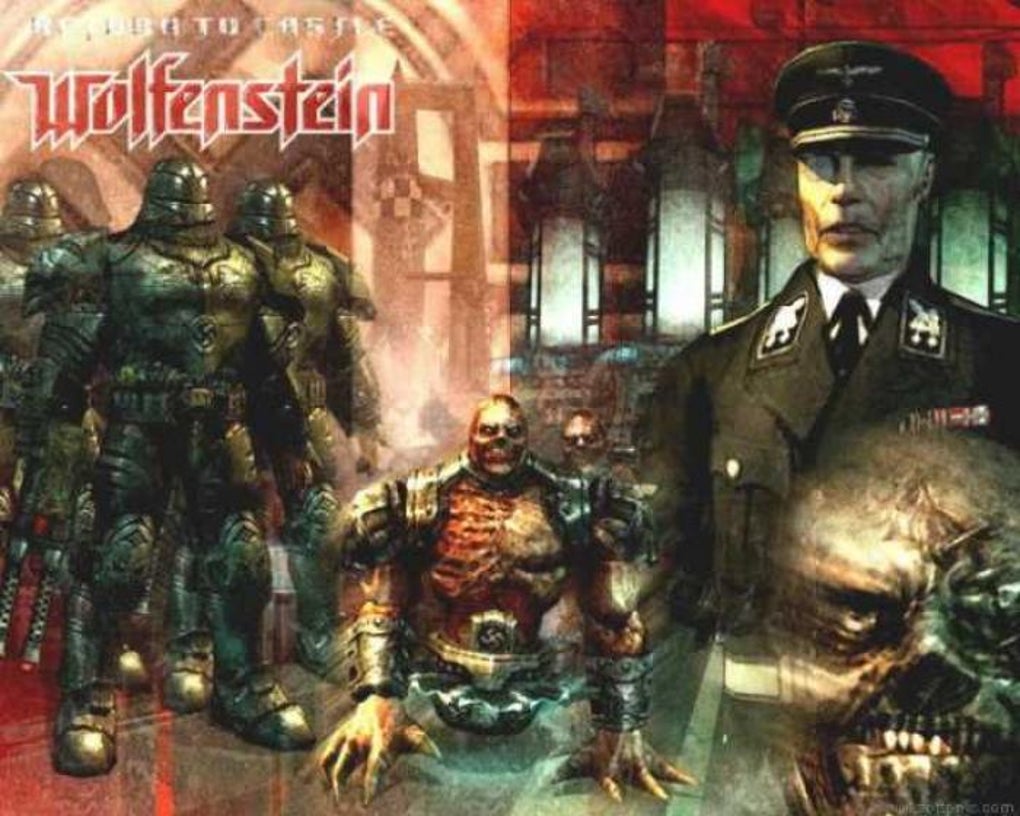
The story unfolds through a combination of cutscenes, in-game dialogue, and environmental storytelling. The narrative is expertly woven into the gameplay, with the player’s actions directly impacting the unfolding events. The story is not merely a linear progression but a series of interwoven events, revealing the sinister plots and horrific experiments undertaken by the Nazis. The revelation of their occult experimentation adds a layer of chilling realism, grounding the fantastical elements in the chilling context of historical atrocities.
The game skillfully employs a blend of historical accuracy and fictional elements. While it accurately depicts the grim realities of Nazi Germany and World War II, it also integrates supernatural elements into the narrative, creating a unique atmosphere of dread and suspense. This juxtaposition effectively enhances the impact of the historical setting, highlighting the horrifying potential of unchecked power and fanaticism.
The characters are well-developed, adding depth and complexity to the narrative. B.J. Blazkowicz, while a formidable soldier, is not a flawless hero. He is presented as a flawed but relatable character, whose motivations are fueled by a sense of justice and a personal vendetta against the Nazi regime. The supporting characters, while sometimes brief in their appearances, play crucial roles in advancing the plot and revealing the extent of the Nazis’ nefarious schemes.
Technological Advancement and Legacy
Return to Castle Wolfenstein was a technological marvel for its time. The game’s impressive graphics, detailed environments, and realistic physics engine were groundbreaking for the early 2000s. The use of advanced rendering techniques brought a level of realism to the visuals, significantly improving the immersive experience. This visual fidelity, coupled with the game’s innovative gameplay mechanics, solidified its place as a leading title in the FPS genre.
The game’s impact extends far beyond its technical achievements. Its narrative, blending historical setting with supernatural horror, set a template for future games exploring similar themes. Many subsequent games have borrowed elements from Return to Castle Wolfenstein, reflecting its enduring influence on the genre. The game’s blend of fast-paced action, strategic gameplay, and atmospheric storytelling has become a blueprint for countless subsequent titles.
Furthermore, the game’s success established id Software’s Wolfenstein franchise as a significant force in the gaming industry. This success paved the way for numerous sequels and spin-offs, further expanding the Wolfenstein universe and solidifying its position as a major player within the action genre. The enduring popularity of the franchise and its impact on the industry are undeniable testaments to the original game’s significant contributions.
Criticisms and Evolution
Despite its many strengths, Return to Castle Wolfenstein is not without its criticisms. Some aspects of the game’s AI, particularly in terms of enemy behavior and pathfinding, have been deemed less sophisticated by modern standards. Similarly, certain elements of the game’s graphics, while impressive for their time, may appear dated to contemporary gamers accustomed to the significantly enhanced visual fidelity of current-generation titles. The single-player focus, while providing a compelling and immersive experience, may leave some gamers wanting the competitive multiplayer aspect frequently included in modern FPS games.
Despite these criticisms, Return to Castle Wolfenstein remains a seminal work in the first-person shooter genre. Its innovative mechanics, gripping narrative, and memorable atmosphere continue to captivate players, even decades after its release. The game’s legacy is not only in its technological advancements but in its lasting influence on subsequent game design and its contribution to the enduring popularity of the Wolfenstein franchise. Its ability to blend fast-paced action with strategic gameplay, all within a historically rich and chillingly atmospheric setting, ensures its place as a classic title worthy of continued appreciation and study. The game’s enduring appeal speaks volumes about its lasting impact on the gaming world, serving as a benchmark for future generations of FPS games to aspire to.
File Information
- License: “Trial version”
- Version: “single-player”
- Latest update: “May 15, 2025”
- Platform: “Windows”
- OS: “Windows 2000”
- Language: “English”
- Downloads: “244.2K”
- Size: “119.64 MB”


