
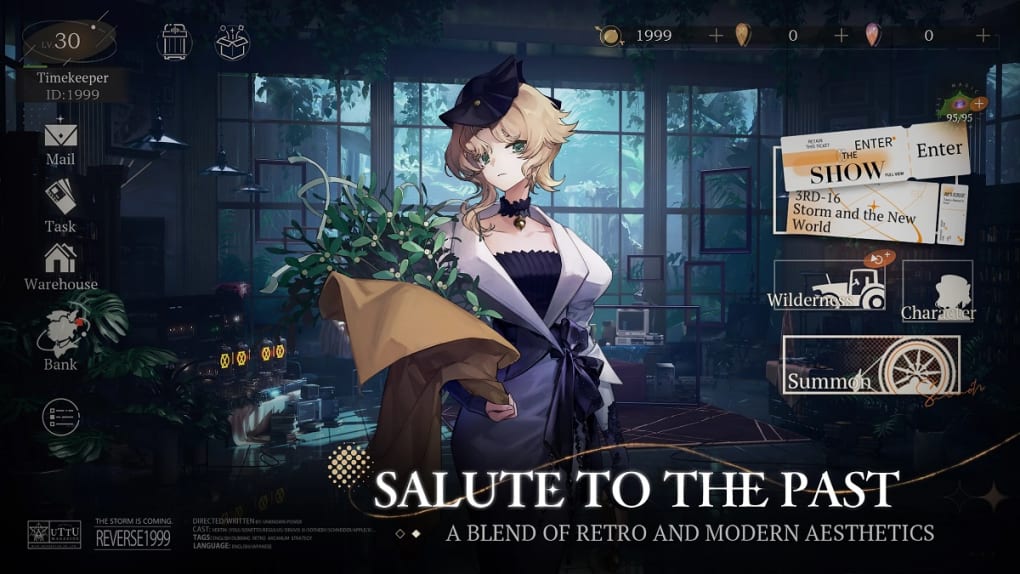
Reverse: 1999, a free-to-play role-playing game developed by Bluepoch Co., Ltd., plunges players into a captivating world of time travel, tactical combat, and collectible characters. This anime-styled RPG blends turn-based strategy with the addictive mechanics of a gacha game, offering a compelling experience for both casual and dedicated gamers. The game’s unique premise, impressive visuals, and engaging storyline set it apart from other titles within the genre, although the heavy reliance on microtransactions remains a notable aspect to consider.
A Temporal Anomaly and the Arcanists
The narrative of Reverse: 1999 unfolds in a world grappling with the aftermath of a catastrophic event known as the “Storm,” a temporal anomaly that first manifested in 1999. Players assume the role of the Timekeeper, a pivotal figure tasked with navigating different eras affected by the Storm. Aided by their AI companion, Sonetto, the Timekeeper embarks on a journey to rescue Arcanists – individuals possessing powerful magical abilities – who are threatened with erasure from the timeline. The story unfolds through a series of missions that require strategic planning and skillful combat encounters.
The Arcanists themselves are a diverse and compelling cast of characters, each with unique abilities, backstories, and visual designs that reflect the anime aesthetic prevalent throughout the game. Their individual personalities and relationships form an integral part of the immersive narrative, motivating players to invest time and resources in collecting and strengthening their teams. The game cleverly uses the time-travel element to introduce a wide range of settings and environments, preventing the gameplay from becoming repetitive or predictable. Each era presents unique challenges and opportunities, compelling players to adapt their strategies to overcome the obstacles presented.

Turn-Based Combat and Strategic Gameplay
Combat in Reverse: 1999 is turn-based, placing a premium on strategic thinking and careful planning. Players must consider the strengths and weaknesses of their Arcanist team members, utilizing their unique abilities to effectively counter enemy threats. The battle system encourages tactical decision-making, rewarding players who can anticipate enemy moves and exploit weaknesses to gain a decisive advantage. The implementation of various elemental attributes and skill combinations further enhances the strategic depth of the game, offering a high degree of replayability and challenging even seasoned RPG veterans.
Beyond the main story missions, Reverse: 1999 provides additional game modes designed to offer a more diverse and engaging gameplay experience. These features extend the lifespan of the game, preventing the experience from becoming solely reliant on progressing through the main narrative. The addition of such modes reflects the developers’ awareness of the importance of providing diverse and engaging content, keeping players invested long-term. The integration of these additional modes enhances the overall appeal and longevity of the game.

The Wilderness: Base Building and Passive Rewards
One notable feature of Reverse: 1999 is the “Wilderness” mode, where players can build and customize their own island base. This aspect offers a welcome change of pace from the core combat mechanics, allowing players to engage in more relaxed gameplay while simultaneously generating passive rewards. The ability to design and expand the island base adds a compelling element of customization and progression, contributing to the overall sense of immersion. Players can personalize their base, creating a sanctuary for their collected Arcanists. This level of personalization provides a unique sense of ownership, further fostering player investment in the game’s world. The Wilderness mode serves not only as a source of passive rewards but also as a visual representation of the player’s progress and achievement.
The passive rewards generated through the Wilderness mode are a significant incentive for players to invest time in developing and maintaining their island bases. These rewards offer a steady stream of resources and materials, which are crucial for strengthening the Arcanist team and progressing through the main story. The balance between the active and passive elements in Reverse: 1999 ensures that players always have something meaningful to work towards, whether it’s tackling challenging combat encounters or enhancing their base. This combination avoids the monotony that can plague some RPG titles, enhancing overall engagement.
The Gacha Element and Microtransactions
As a gacha game, Reverse: 1999 incorporates a random lottery system for acquiring new Arcanists. Players earn lottery tickets by completing missions and tasks, but the inherently random nature of the system significantly influences gameplay progression. The allure of obtaining rare and powerful Arcanists naturally encourages players to engage in in-app purchases. The game offers various in-game packs and battle passes that provide increased chances of unlocking desirable characters, presenting a potential concern for players worried about the potential cost. While the gacha system enhances the addictive nature of the game, its inherent unpredictability and potential financial commitment are aspects to acknowledge.
The prevalence of microtransactions in Reverse: 1999 is undeniable. The game is designed in a way that the temptation of acquiring better Arcanists through in-app purchases is consistently present. While not strictly pay-to-win, the game’s progression is undeniably smoother for players who make these purchases, potentially creating a feeling of imbalance for those who prefer a more organic and less financially driven approach. This is a common trait amongst gacha games, but it remains an important factor to consider when determining whether the game aligns with a player’s personal preferences and financial capabilities.
Strengths and Weaknesses of Reverse: 1999
Reverse: 1999 boasts several strengths that contribute to its overall appeal. The unique premise of time travel within an RPG setting creates a compelling narrative hook, setting it apart from numerous other titles in the genre. The wide range of characters, each with their distinct personalities and abilities, enhances the game’s depth and replayability. The inclusion of various game modes, such as the Wilderness, adds additional layers of engagement and prevents the gameplay from becoming stagnant. The high-quality anime-style artwork and soundtrack further complement the game’s immersive experience, creating a truly captivating visual and auditory landscape.
However, the game’s reliance on microtransactions remains a significant drawback. The gacha system, while potentially exciting, can also be frustrating for players who don’t invest financially, leading to a potential feeling of slow progression compared to those willing to spend. This element of the game should be considered carefully before engaging with Reverse: 1999. While the game is technically free-to-play, the experience is demonstrably enhanced with in-app purchases, which is a core characteristic of the gacha genre.
In summary, Reverse: 1999 offers a compelling blend of time-travel adventure, strategic combat, and character collection. Its unique premise, engaging storyline, and impressive visuals are undeniable strengths. However, the strong emphasis on microtransactions and the unpredictable nature of the gacha system might deter players who prefer less monetized experiences. Ultimately, whether the game is a worthwhile endeavor depends on an individual’s tolerance for the gacha mechanics and their willingness to potentially invest financially.
File Information
- License: “Free”
- Version: “1.0.1”
- Latest update: “November 2, 2023”
- Platform: “Windows”
- OS: “Windows 7”
- Language: “English”
- Downloads: “1.8K”


