
Rift, developed by Trion Worlds (now defunct), stands as a significant entry in the massively multiplayer online role-playing game (MMORPG) genre. While not reinventing the wheel, it offered a polished and engaging experience that carved its own niche within a market dominated by giants like World of Warcraft. Set in the richly detailed world of Telara, Rift presented players with a compelling narrative, a robust class system, and a unique gameplay mechanic centered around the titular rifts – tears in reality that unleash monstrous creatures upon the land. This exploration delves into the various aspects of Rift, examining its strengths and weaknesses, and assessing its lasting impact on the MMORPG landscape.
A World on the Brink: Telara and its Inhabitants
Telara, the central setting of Rift, is a world teetering on the precipice of destruction. This immediate sense of urgency and impending doom is woven into the very fabric of the game’s narrative, setting a dramatic tone from the opening moments. The world itself is visually striking, boasting diverse environments ranging from lush forests and snow-capped mountains to desolate wastelands and volcanic regions. This variety prevents the game from feeling visually monotonous, keeping players engaged as they explore Telara’s expansive landscape. The relatively compact nature of the world, compared to some other MMORPGs, also means that travel times between quests are minimized, ensuring a more streamlined gameplay experience. This design choice, while potentially limiting in terms of sheer scale, enhances the pacing and overall flow of the game.
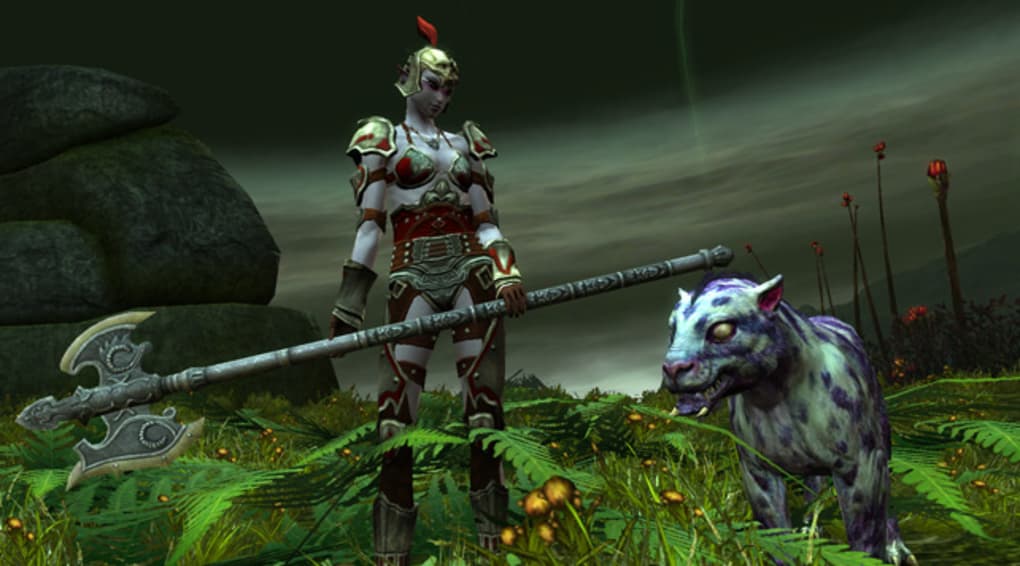
The inhabitants of Telara are as varied as its landscapes. Players encounter a wide array of factions, creatures, and non-player characters (NPCs), each with their own distinct histories, motivations, and roles within the game’s intricate storyline. These characters contribute to the richness of the world, adding depth and complexity to the overall narrative. The player’s interaction with these characters, through quests and storyline progression, drives the overarching narrative of survival and the fight against the encroaching forces of chaos.
The Rift System: A Unique Gameplay Mechanic
The core gameplay mechanic that distinguishes Rift from its contemporaries is the rift system. These rifts, as previously mentioned, are breaches in reality that spew forth hordes of monstrous creatures from other dimensions. These aren’t simply random events; they are dynamic, challenging encounters that require players to collaborate and utilize their skills to overcome. The appearance of a rift often triggers a server-wide alert, drawing players together to confront the threat. This shared experience fosters a strong sense of community and cooperation, highlighting the social aspect of the MMORPG experience.
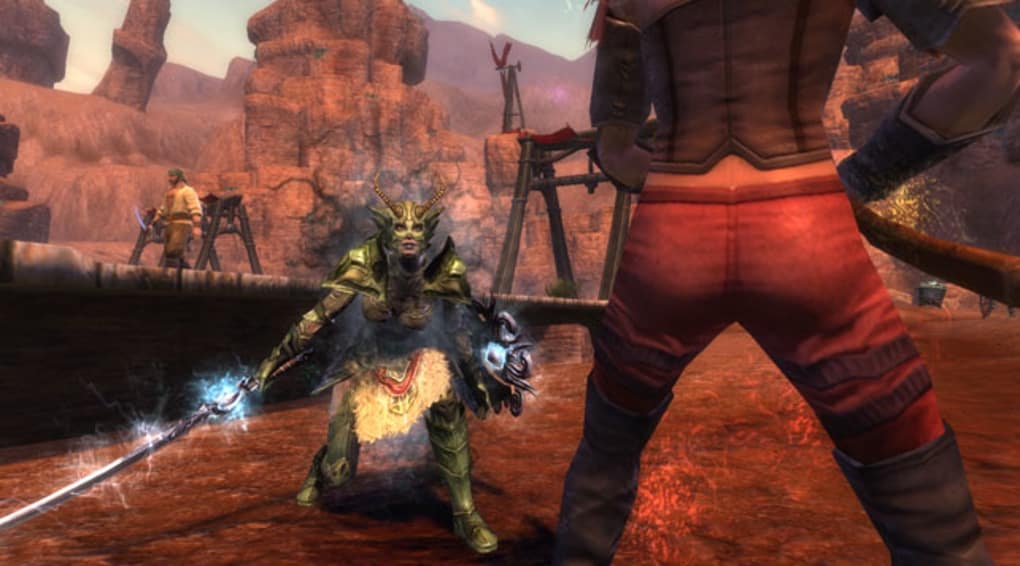
The rifts themselves are visually impressive, creating dramatic and engaging encounters. The creatures that emerge from these rifts are varied and challenging, requiring players to adapt their strategies to overcome each unique threat. The unpredictable nature of rifts keeps the gameplay fresh and exciting, preventing it from becoming repetitive or predictable. The strategic element of deploying and utilizing specific abilities and tactics in coordination with other players adds a layer of complexity and depth, particularly during larger rift events.
Character Progression and Customization: A Flexible System
Rift’s character progression system offers a significant level of customization and flexibility. Players begin by choosing between two factions, the Guardians and the Defiants, before selecting one of four callings: Warrior, Cleric, Mage, and Rogue. This initial choice establishes the fundamental role of the character but is far from limiting. Each calling can then be further augmented through a system of soul abilities, allowing players to tailor their characters to suit their preferred playstyles. This system allows for extensive character builds, enabling players to create unique and powerful characters perfectly tailored to their preferences.
The complexity of the soul system might initially appear daunting to newcomers, but the game introduces it gradually, allowing players to adapt and experiment without feeling overwhelmed. The sheer number of combinations and possibilities provides a high level of replayability, encouraging experimentation and personalized character development. This depth of character customization offers players significant agency in shaping their in-game experience, a crucial element in maintaining long-term engagement.
Community and Accessibility: Fostering a Thriving Ecosystem
While the initial complexity of the game’s mechanics might pose a slight barrier to entry for absolute newcomers to the MMORPG genre, Rift’s developers actively sought to mitigate this. The game’s official forums and community support provided a valuable resource for players seeking guidance and assistance. This fostered a thriving and supportive community where experienced players readily helped newcomers, creating a welcoming environment for those unfamiliar with the mechanics. This proactive approach to community engagement ensured that players had access to the support needed to fully appreciate the game’s depth and complexity.
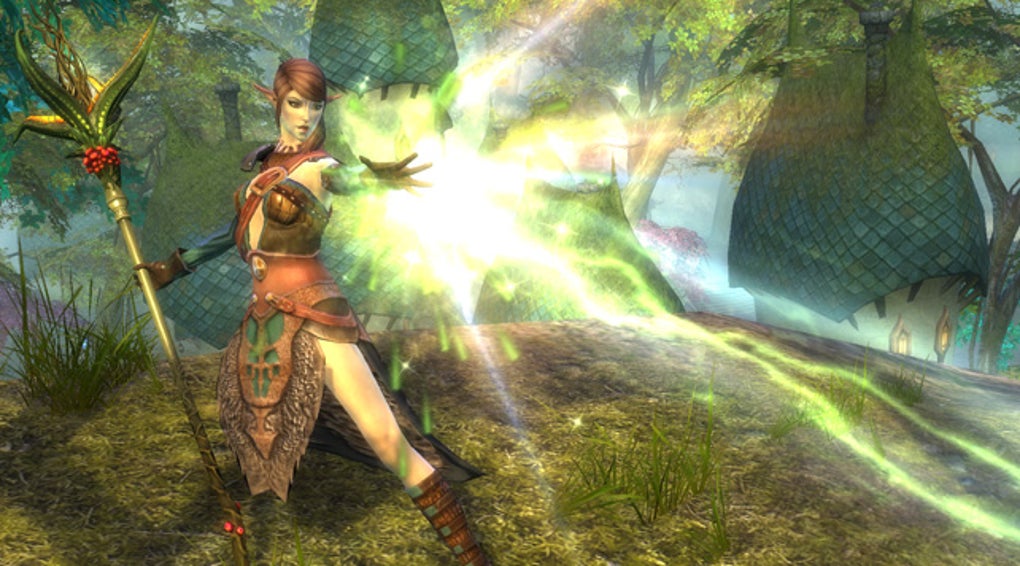
The game also actively encourages social interaction through various features, such as group quests and rifts, guild activities, and various other social opportunities. These aspects of the game are integral to the overall experience, driving both community engagement and individual progression. The supportive community aspect complements the complexity of the game’s mechanics, making it more approachable and enjoyable for players of all skill levels.
Rift’s Legacy: A Lasting Impact on the MMORPG Landscape
While Rift is no longer actively developed, its impact on the MMORPG genre is noteworthy. Its unique rift system, flexible character customization, and strong community focus set it apart from many of its contemporaries. Although it may not have achieved the same widespread popularity as World of Warcraft, it successfully carved its own niche and garnered a dedicated player base appreciative of its distinctive mechanics. Its legacy lies not in its market dominance but rather in its innovative features and its commitment to fostering a vibrant player community.
Rift serves as a reminder that successful MMORPGs don’t necessarily require revolutionizing the genre, but rather, they can find success through refinement and the incorporation of unique elements that resonate with players. Its innovative mechanics, coupled with a vibrant community, made it a compelling alternative in a competitive market, proving that a well-executed and distinct approach can lead to lasting appeal within the MMORPG world. The game’s impact may not be as broadly known, but its influence on game design choices in subsequent MMORPGs is likely more significant than some initially realize.
File Information
- License: “Free”
- Version: “1.0.0.0”
- Latest update: “March 12, 2019”
- Platform: “Windows”
- OS: “Windows XP”
- Language: “English”
- Downloads: “20.2K”
- Size: “19.18 MB”


