
Rivals of Aether II, the highly anticipated sequel to the popular indie fighting game, Rivals of Aether, has arrived, bringing with it a host of improvements and new features while maintaining the core gameplay that captivated players in the original. This sequel isn’t just a simple upgrade; it represents a significant leap forward, transitioning from 2D to 3D graphics while simultaneously refining the combat system and enhancing online functionality. This detailed review explores the game’s strengths, weaknesses, and overall impact on the fighting game genre.
A New Generation of Fighters and Enhanced Gameplay
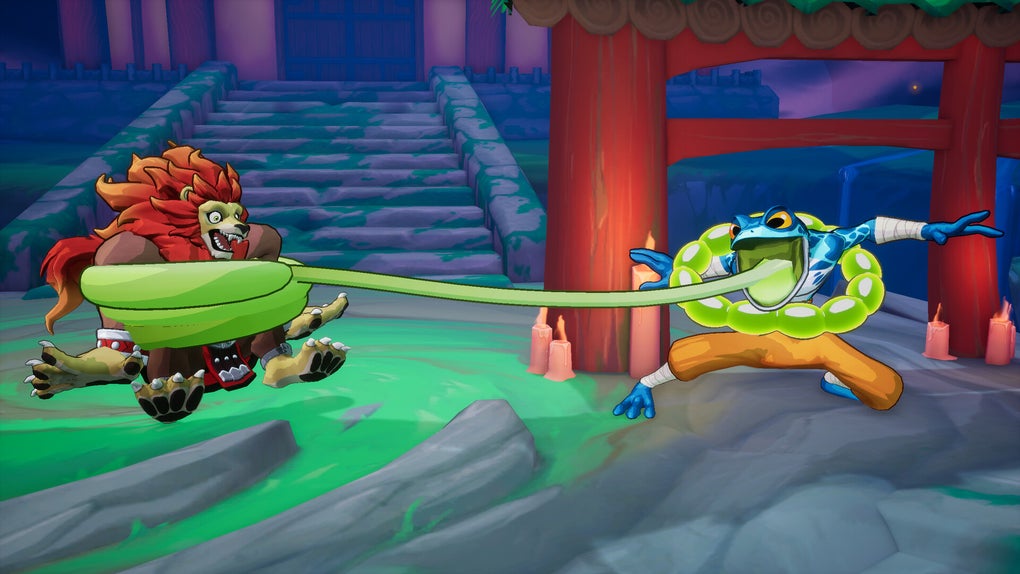
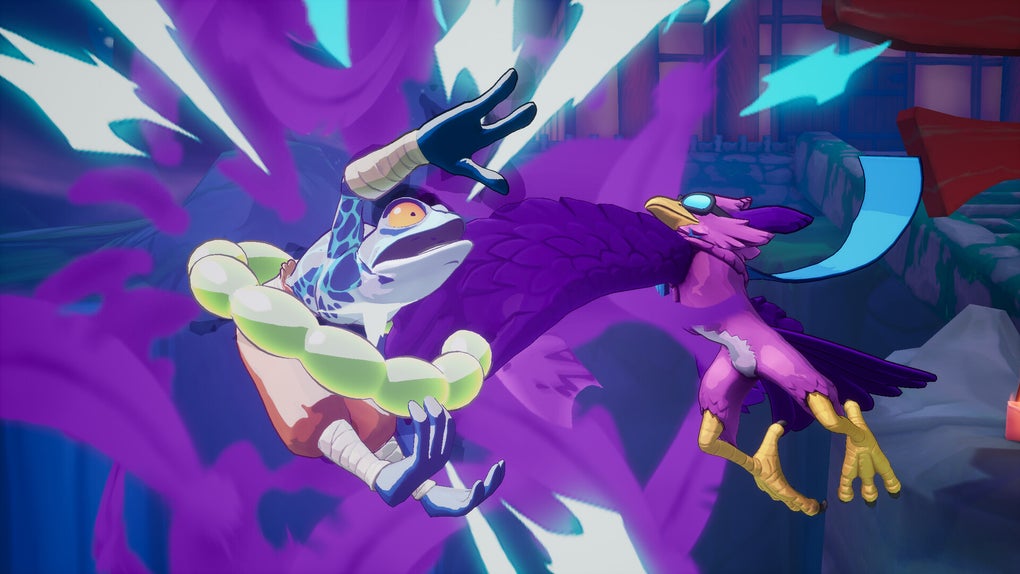
Rivals of Aether II builds upon the foundation laid by its predecessor, retaining the fast-paced, strategic combat that made the original a standout title. The game features a roster of returning characters, each with their unique playstyles and abilities, alongside a fresh wave of new combatants, each adding a new dynamic to the already diverse cast. These characters, however, are now rendered in a stunning 3D environment, a significant departure from the original 2D aesthetic. This change, while visually impressive, has sparked some debate among the community.
Beyond the visual overhaul, the developers have significantly refined the gameplay mechanics. The inclusion of new abilities, such as the capacity to grab and throw opponents, cling to ledges to avoid fatal falls, and deploy protective shields, adds a new layer of depth and strategy to the battles. These additions expand the tactical possibilities, encouraging players to develop more nuanced and versatile combat approaches. The intuitive controls remain unchanged, making the game accessible to both seasoned veterans and newcomers alike.
One of the most welcome additions is the completely revamped online infrastructure. Rivals of Aether II utilizes rollback netcode, dramatically improving the online experience, reducing lag, and ensuring smooth, responsive battles regardless of geographical location. This is a pivotal improvement over the original game, significantly enhancing the overall multiplayer experience and making online play a viable and enjoyable option for all players.
The Free-to-Play Model and its Implications
A major shift in the game’s structure lies in its adoption of a free-to-play model. This decision, unlike the original’s paid model, means all current and future characters are available at no additional cost. This approach has the potential to massively increase the player base, welcoming a wider audience to experience the game’s unique brand of competitive fighting action.
The accessibility of the free-to-play model is undeniably a boon, eliminating financial barriers that might have previously discouraged potential players. However, it also raises questions about monetization strategies. While the base game is free, the developers might explore cosmetic items or other non-intrusive methods to generate revenue, ensuring the game’s continued development and support. The long-term success of this model remains to be seen, but the initial reception suggests that it has been well-received by the community.
The Transition to 3D: A Double-Edged Sword
The most significant visual and mechanical change in Rivals of Aether II is the transition from 2D to 3D graphics. This represents a bold step for the franchise, offering a more visually appealing and immersive experience. The 3D models are meticulously detailed, showcasing the unique designs of each character with remarkable fidelity. The environments, too, have benefited from this change, creating more dynamic and engaging battlegrounds.
However, this shift has also had a significant drawback: the impact on mod support. The original Rivals of Aether had a vibrant modding community, creating and sharing custom characters, stages, and game modes. This transition to 3D poses a significant challenge to modders, demanding more sophisticated tools and expertise. The development team has acknowledged this limitation and stated a desire to eventually support modding, but currently, modding support is absent. This has been a significant point of contention among some long-time fans who cherished the custom content generated by the original’s modding community.
The Future of Rivals of Aether II
While the absence of mod support initially cast a shadow over the game’s launch, the numerous other improvements and features more than compensate for this temporary limitation. The enhanced online experience, the completely free-to-play model, and the overall refinement of the gameplay mechanics offer a compelling package for both veteran players and newcomers.
The developers have expressed a clear commitment to the game’s future, outlining plans for regular updates and content additions. This commitment extends to restoring mod support, a feature that was central to the success and longevity of the original game. With the current momentum and the enthusiastic reception from the community, Rivals of Aether II is poised for a long and prosperous future within the competitive fighting game landscape.
The potential for future expansions, additional characters, and new game modes presents a bright outlook for the game. Furthermore, addressing and rectifying the temporary lack of mod support will be vital in ensuring the game maintains its appeal and community engagement.
In conclusion, Rivals of Aether II is a significant evolution of the original game. The transition to 3D, though initially impacting mod support, is coupled with greatly improved online features, a fully free-to-play model, and refined gameplay mechanics. The game’s future is bright, pending the restoration of mod support and the continual addition of new content. While the impact on the modding community is a notable drawback, the numerous advantages make Rivals of Aether II a compelling and enjoyable experience for fighting game enthusiasts. Its accessible nature and improved online play make it more welcoming than ever for players of all skill levels. The long-term success will hinge on the developer’s ability to effectively manage the free-to-play model and to deliver on their promise of returning mod support.
File Information
- License: “Full”
- Version: “varies-with-devices”
- Latest update: “November 14, 2024”
- Platform: “Windows”
- OS: “Windows 10”
- Language: “English”
- Downloads: “446”


