
Rome: Total War, a seminal title in the real-time strategy (RTS) genre, transports players to the heart of the Roman Empire’s rise to power. Released in 2004, this historical strategy game masterfully blends grand campaign management with thrilling tactical battles, offering an unparalleled experience that continues to captivate players today. While subsequent installments in the Total War series have refined and expanded upon the formula, Rome: Total War retains its place as a classic, lauded for its innovative gameplay mechanics and enduring historical appeal.
A Grand Strategy on a Vast Scale
Rome: Total War invites players to assume control of one of several prominent Roman families—the Julii, Brutii, or Scipii—or to lead one of numerous other factions across the Mediterranean world. Each faction possesses unique strengths, weaknesses, and starting positions, fostering diverse playthroughs and replayability. The game’s campaign map encompasses a significant portion of the known world during the era of the Roman Republic and early Empire, encompassing territories from Gaul to Egypt, and from Spain to Parthia.
The strategic layer of the game requires players to deftly manage numerous aspects of their empire. Diplomacy plays a crucial role, allowing players to forge alliances, initiate trade agreements, or engage in subterfuge through espionage and assassination. Internal politics within the Roman factions add another layer of complexity, demanding careful attention to public opinion, senatorial support, and the delicate balance of power between different factions within the government. The management of resources, including food, money, and public order, is also paramount to maintaining stability and driving expansion. Players must strategically allocate resources to construct buildings, upgrade infrastructure, recruit and train diverse military units, and expand their territories through careful planning and decisive military action.
Tactical Battles: A Seamless Blend of Strategy and Action
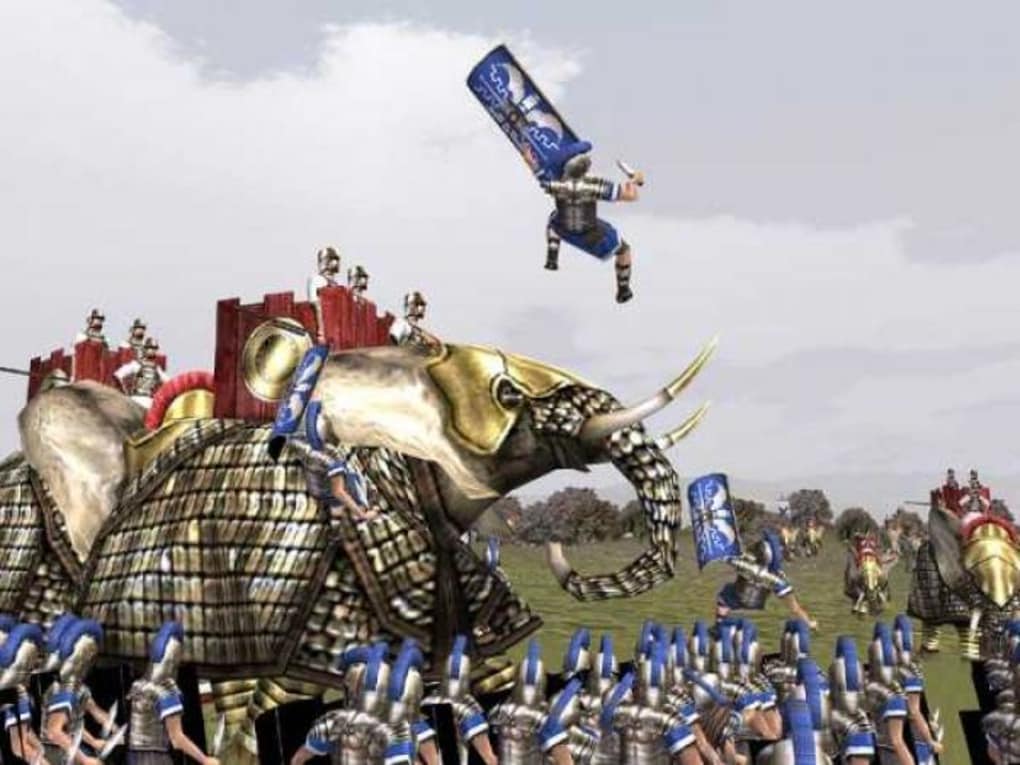
Beyond the strategic campaign layer, Rome: Total War offers an exhilarating tactical combat system. When armies clash, the perspective shifts to the battlefield, where players assume direct command of their troops. This innovative blend of turn-based grand strategy and real-time tactical combat is a hallmark of the Total War series, and Rome: Total War expertly executes this dynamic interplay. Players must consider terrain, unit strengths and weaknesses, troop formations, and battlefield maneuvers to gain an advantage and achieve victory. The scale of these battles is remarkable, with thousands of units clashing in intense and visually stunning engagements. The pausing system, a crucial element of the gameplay, allows players to issue commands during the heat of battle, providing tactical flexibility and control.
Historical Accuracy and Immersive Gameplay
Rome: Total War’s commitment to historical accuracy is one of its defining features. The game features accurate depictions of historical figures, events, and military units from the period, enhancing the player’s immersion in the game’s world. While some liberties are taken for gameplay purposes, the overall historical context lends significant weight and depth to the strategic and tactical decisions players make. The game’s attention to detail extends to the depiction of cities, landscapes, and unit models, contributing to an immersive and engaging experience. Players witness firsthand the clash of civilizations, experiencing the rise and fall of empires through their strategic choices and tactical prowess.
The Game’s Strengths and Limitations
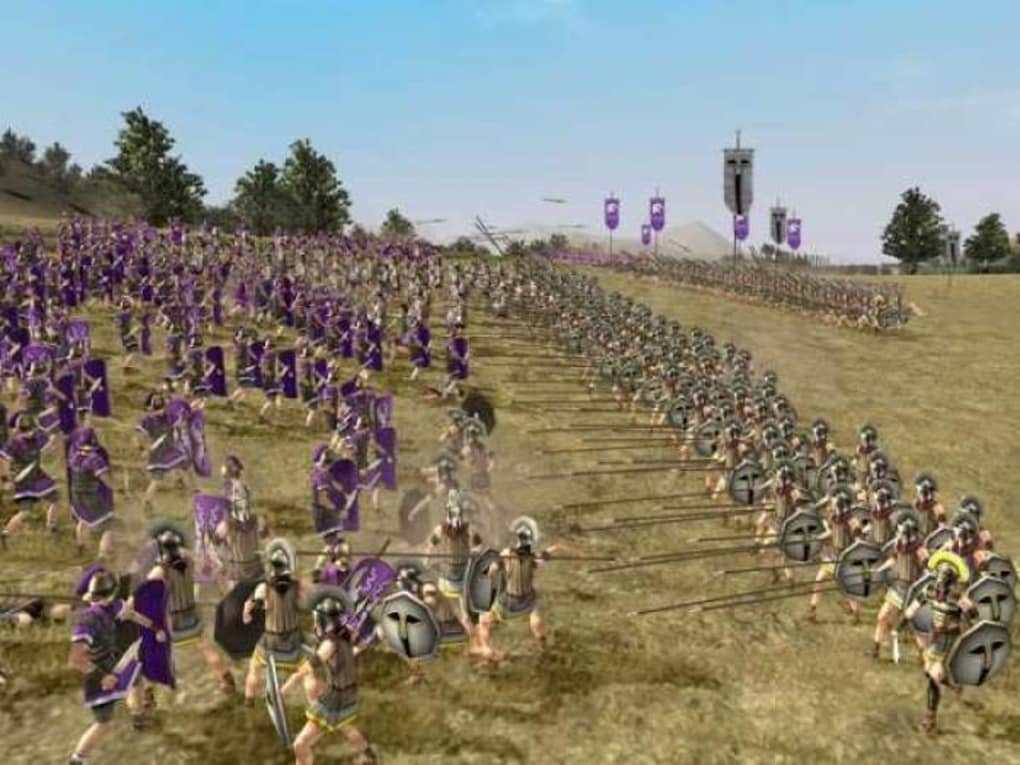
Rome: Total War’s strengths are many, including its groundbreaking gameplay mechanics, its immersive historical setting, and its visually impressive battles. The seamless integration of grand strategy and tactical combat is a triumph of game design, offering a depth and complexity that few other strategy games could match at the time of its release. The game’s emphasis on historical accuracy further enhances its appeal, providing a compelling and educational experience for players interested in ancient Rome. However, some critics pointed to certain imbalances in the game’s mechanics, such as the perceived over-strength of certain unit types or the defensive advantage enjoyed by besieged cities. These limitations are largely addressed in its sequel, Rome: Total War II, which further refines and expands upon the core gameplay mechanics.
Legacy and Enduring Appeal
Despite its age, Rome: Total War retains a loyal following and continues to be enjoyed by players worldwide. Its innovative blend of grand strategy and real-time tactical combat established a formula that the Total War series has built upon. The game’s lasting legacy lies in its contribution to shaping the RTS genre and its enduring appeal as a captivating historical simulation. While newer Total War titles offer superior graphics and refined mechanics, Rome: Total War remains a significant milestone in the series, representing a moment when a creative vision and skillful execution coalesced to create a true classic. The game’s influence on subsequent titles is undeniable, and its historical significance is secured within the annals of real-time strategy gaming history. The blend of strategic depth, tactical complexity, and historical immersion continues to define the game’s appeal to veteran and new players alike.
The Community and its Continued Engagement
The thriving community surrounding Rome: Total War is a testament to the game’s enduring legacy. Players continue to share strategies, create modifications, and engage in online discussions, keeping the game alive and relevant even years after its initial release. These community-created modifications (mods) often introduce new features, historical scenarios, and gameplay enhancements, further expanding upon the game’s already vast possibilities. The active player base and the continuous development of mods ensure that Rome: Total War remains a dynamic and engaging experience for players who return to it time and again. This collaborative spirit speaks to the game’s exceptional design and its ability to inspire continued interaction and creativity long after its release date.
Conclusion: A Timeless Classic
Rome: Total War stands as a landmark achievement in the real-time strategy genre, a game that masterfully blends grand campaign management, tactical combat, and a compelling historical setting. While its sequel, Rome II, offers enhancements and refinements, Rome: Total War retains its place as a classic, demonstrating the power of a well-executed blend of strategic and tactical gameplay, compelling historical context, and a thriving community dedicated to preserving and enriching the game’s experience. Its enduring appeal highlights the timeless nature of skillfully designed gameplay mechanics and the enduring fascination with the history of the Roman Empire. For those seeking a rich, immersive, and historically-informed strategy experience, Rome: Total War remains a highly recommended title.
File Information
- License: “Trial version”
- Version: “demo”
- Latest update: “January 31, 2023”
- Platform: “Windows”
- OS: “Windows XP”
- Language: “English”
- Downloads: “343.6K”
- Size: “170.25 MB”


