
Rumble has emerged as a compelling alternative to established video-sharing platforms, offering creators a potentially lucrative avenue for content monetization and distribution. This comprehensive guide delves into the features, functionalities, and overall user experience of the Rumble app, comparing it to its more established competitors and exploring its unique strengths and weaknesses.
Apps, Games, and News: Navigating the Rumble Ecosystem
Rumble’s core offering revolves around its video-sharing platform, readily accessible through its dedicated app. However, the company’s reach extends beyond the simple app experience. Though not currently offering games directly, its integration with other platforms suggests potential future expansions into gaming-related content or partnerships. While not a traditional news source, Rumble provides a platform for news-related content creation and distribution, making it a space where users can find diverse perspectives and opinions. The platform actively works towards offering a user-friendly experience, encompassing elements of traditional social media alongside its core video-sharing function. Its business model focuses on empowering content creators, providing tools for monetization and distribution that are distinct from traditional models.

The Rumble app itself is a straightforward, user-friendly interface designed for easy navigation and content creation. The process of uploading videos, creating channels, and managing content is intuitive, requiring minimal technical expertise. This user-friendly design extends to its monetization tools, streamlining the process for creators to earn income from their videos.
Rumble for Business: A Creator-Centric Approach
Unlike platforms that primarily focus on advertising revenue, Rumble’s business model prioritizes direct creator compensation. This approach offers a compelling proposition for businesses and individual creators looking to maximize their earnings from content creation. The platform’s streamlined monetization process and partnerships with major players like MSN, Xbox, MTV, and Yahoo significantly enhance the reach and potential revenue streams for users. The ease of monetization, requiring significantly fewer views and subscribers compared to other platforms, makes Rumble an attractive option for both established and emerging creators.
Rumble provides a range of tools to support business needs. Its licensing options allow creators to control the distribution and monetization of their content, from selling videos outright for 100% revenue share to granting non-exclusive licenses while retaining ownership. This flexibility allows businesses to tailor their content distribution strategies to their specific goals and target audiences. The platform’s integration capabilities with various sites further expand the potential reach of business-related content. The potential to bypass algorithmic limitations found on other platforms allows for a more direct connection with the audience.
Android and Beyond: Platform Accessibility and Compatibility
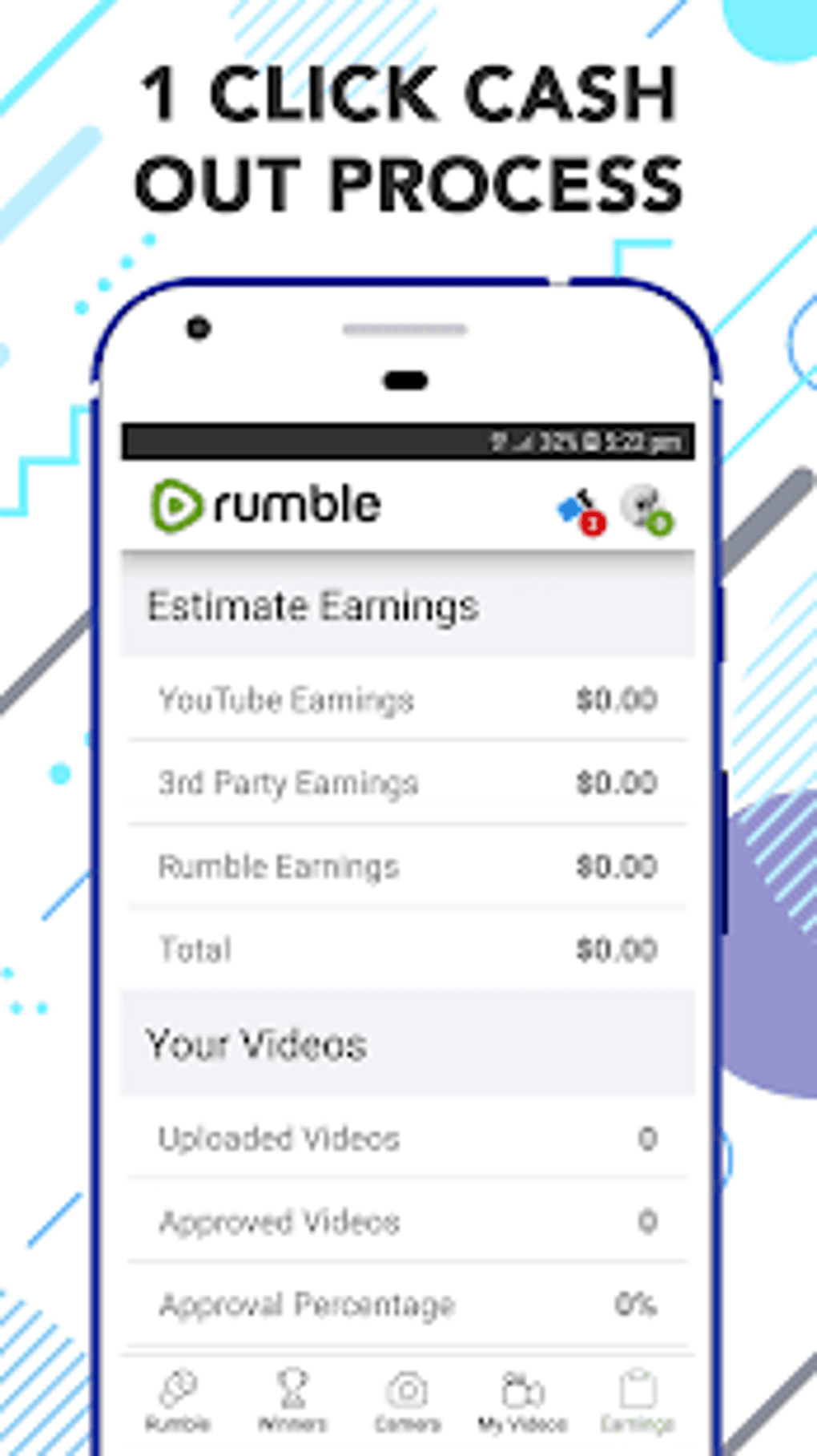
The Rumble app is primarily available on Android, with versions also existing for iOS and other platforms. Its compatibility with a variety of devices ensures accessibility for a broad audience. The Android version, detailed in the app description, provides a seamless experience with features like smooth UI, automated stream creation tools, and comprehensive channel management capabilities. The app’s accessibility and user-friendly design make it a popular choice for Android users seeking a simple and effective video-sharing platform. While the focus of this particular review centers on the Android version, its cross-platform availability highlights its commitment to broader user engagement. The ease of access across multiple platforms facilitates content sharing and expands the potential audience for users.
Social & Communication, Photo & Video Sharing: The Rumble Community
Rumble is more than just a video platform; it fosters a community. While not strictly a social media network in the traditional sense, its features encourage interaction between creators and viewers. The platform facilitates communication through comments, allowing creators to engage directly with their audience. While not providing extensive social networking features in the vein of Facebook or Instagram, the platform’s focus on video content allows for a different type of social interaction. The emphasis on community building manifests in the ease of connecting with other creators who share similar interests. This aspect contributes to the platform’s overall appeal, fostering a sense of collaborative engagement among its users. The integration of photo and video sharing is seamless, enhancing the overall experience for users focused on multimedia content creation and sharing.
Rumble: A Deep Dive into its Features and Functionality

Rumble’s primary advantage lies in its user-friendly interface and simplified monetization process. Unlike YouTube’s stringent requirements for monetization (1,000 subscribers and 4,000 hours of watch time), Rumble offers creators multiple avenues to earn revenue from their videos. This includes the potential for upfront payment for videos, sharing revenue with the platform, and maintaining full ownership of the content while allowing Rumble non-exclusive rights. The platform also features automated stream creation tools, simplifying the technical aspects of content creation for users of all levels. These tools contribute to the platform’s accessibility and lower barrier to entry for new creators. The inclusion of channel management controls allows creators to tailor their user experience, including the ability to edit or disable comments on videos to curate their online presence. The ease of creating and managing channels empowers creators to develop a stronger online identity and manage their content more effectively.
The platform’s commitment to ease of use is clearly evident in its design. The intuitive interface requires minimal technical expertise, streamlining the process of video uploading, editing, and distribution. The platform offers clear, concise instructions, making it accessible to users regardless of technical proficiency. The focus on simplicity reduces the learning curve and ensures users can begin sharing and monetizing their content quickly. The automated stream creation tools further enhance this user-friendly approach, removing technical obstacles and allowing creators to focus on their content rather than the technical aspects of publishing.
The platform’s revenue-sharing model is another key differentiator. Rumble pays video creators directly, offering multiple options for monetization. This direct compensation model sets it apart from platforms that primarily rely on advertising revenue, ensuring that creators benefit directly from the success of their content. The platform’s quick approval process, with decisions made within 24 hours, also contributes to its efficiency and user-friendliness. This timely feedback and quick approval process streamlines the workflow for creators, minimizing the wait times before they can start earning revenue from their videos.
The partnerships that Rumble has secured with major media outlets amplify the potential reach of the content created on the platform. The inclusion of videos from Rumble on websites like MSN, Xbox, MTV, and Yahoo extends the exposure of user-generated content, offering creators greater visibility and earning potential. These partnerships amplify the impact of the platform, exposing users’ creations to a broader audience than they might have otherwise reached. This broader reach contributes to the platform’s appeal for creators seeking a larger audience and increased monetization opportunities.
Furthermore, Rumble distinguishes itself by actively eschewing the algorithmic promotion favored by other platforms. This eliminates the inherent bias towards popular creators and provides a more level playing field for all users, regardless of pre-existing popularity or audience size. This egalitarian approach allows emerging creators to compete more effectively, overcoming the inherent challenges of breaking through on platforms that prioritize established creators. By avoiding algorithm-driven promotion, Rumble creates a more democratic platform, giving everyone an equal opportunity for success. This unbiased approach provides a more equitable environment for content creators.
Rumble vs. YouTube: A Comparative Analysis
While Rumble shares similarities with YouTube in its core functionality – video uploading, sharing, and monetization – significant differences exist in their approaches. YouTube’s complex algorithm often prioritizes established creators, making it challenging for new users to gain visibility. Rumble, in contrast, aims to create a more even playing field, fostering a more inclusive environment for both established and emerging creators. The contrasting monetization models further highlight the differences between the two platforms. YouTube’s requirements for monetization are far more stringent, demanding a substantial audience before creators can begin earning revenue. Rumble offers a much lower barrier to entry for monetization, making it a more accessible platform for aspiring creators with smaller audiences.
The differences in algorithmic promotion strategies are also noteworthy. YouTube actively promotes videos based on its algorithm, often favoring content from established creators and limiting visibility for smaller channels. Rumble avoids this algorithmic promotion, opting for a more democratic approach that gives all creators an equal chance to gain popularity. This approach promotes fairness and opportunity, benefiting those who might otherwise struggle to gain traction on more algorithm-driven platforms.
Ultimately, the choice between Rumble and YouTube comes down to individual priorities. For creators seeking a platform with a simplified monetization process and a more level playing field, Rumble presents a compelling alternative. However, for creators with established audiences and a focus on leveraging YouTube’s vast user base and advanced analytics features, YouTube might remain the preferred platform. The decision depends heavily on individual creator goals, audience size, and monetization strategy.
Conclusion: Rumble’s Place in the Video-Sharing Landscape
Rumble presents a unique and compelling proposition within the competitive video-sharing landscape. Its simplified monetization processes, creator-centric approach, and commitment to a more level playing field differentiate it from more established platforms. While the platform has room for growth and refinement, its focus on empowering creators and providing a user-friendly experience makes it a valuable alternative for individuals and businesses looking to leverage the power of video content. The platform’s ongoing development and expansion suggest its future potential to attract even larger audiences. The platform continues to evolve, incorporating user feedback and addressing the needs of its growing community of creators and viewers. The future of Rumble remains bright, as it continues to improve and develop new features to benefit its users.
File Information
- License: “Free”
- Latest update: “August 13, 2025”
- Platform: “Android”
- OS: “Android 9.0”
- Language: “English”
- Downloads: “205.6K”
- Download Options: “Google Play”


