
Runes of Magic, a free-to-play massively multiplayer online role-playing game (MMORPG), attempts to capture the magic of titles like World of Warcraft without demanding a recurring subscription fee. While it draws heavily from the established formula of its predecessor, it carves its own niche by offering a completely free-to-play experience, supplementing its revenue through optional in-game purchases. This in-depth review will explore the game’s strengths and weaknesses, delving into its gameplay, graphics, community aspects, and overall value proposition.
Gameplay: A Familiar Yet Unoriginal Journey
Runes of Magic presents players with a classic fantasy MMORPG experience. The game mirrors World of Warcraft in many aspects, from its overall environment and gameplay mechanics to the use of keyboard shortcuts and even the stylistic design of its official website. The similarities are undeniably striking, raising questions about originality but also providing a sense of familiarity for players already acquainted with the genre.
The game begins with character creation, allowing players to customize their avatar’s appearance. However, a notable limitation is the availability of only one race – humans – at the start. This significantly restricts character customization options compared to its inspirations, potentially limiting player immersion and roleplaying possibilities. Players then select one of several classes, each with unique strengths and weaknesses:
- Warrior: A melee-focused class, excelling in direct combat.
- Scout: A ranged class, utilizing bows and other ranged weapons for attacks.
- Rogue: A stealth-based class, focusing on high damage output and tactical maneuvers.
- Mage: A spellcasting class, utilizing powerful magic for both offensive and defensive capabilities.
- Priest: A support class, healing allies and providing crucial buffs.
- Knight: A heavily armored class, capable of taking significant damage while dealing respectable melee damage.
- Warden: A versatile class with a balance of melee and ranged capabilities.
- Druid: A nature-based class with a combination of healing and damage dealing capabilities.
After character creation, players choose a server and embark on their adventure in Tabor, a fantastical world teeming with various creatures and quests. The core gameplay loop revolves around completing quests, gaining experience points to level up, and acquiring better equipment. This progression system, while familiar and effective in its simplicity, is not innovative. It closely follows established MMORPG conventions, with little to distinguish it from countless other titles within the genre.
The questing system itself is fairly standard. Players are tasked with completing objectives such as defeating enemies, gathering items, or interacting with non-player characters (NPCs). While effective in driving player progression, the quests often lack narrative depth or creativity, feeling more like a checklist than an engaging story.
Graphics and Sound: A Mixed Bag
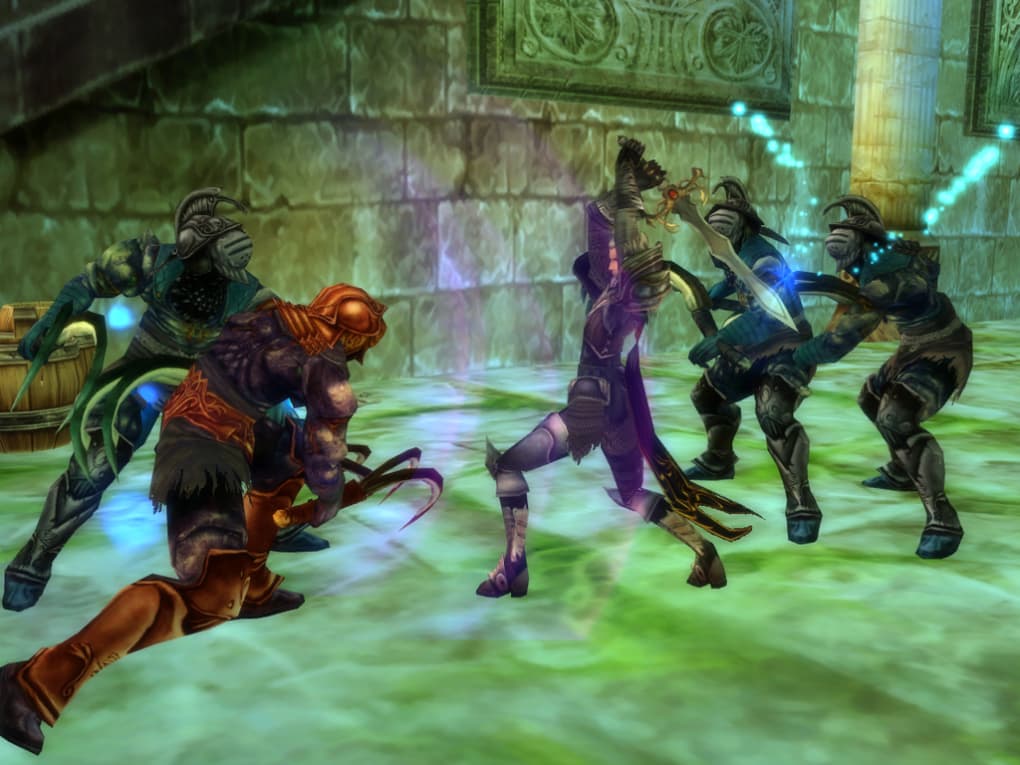
Runes of Magic’s visual presentation falls short of contemporary standards. While not entirely unplayable, the graphics appear dated and lack the detail and polish found in many modern MMORPGs. Textures appear rough, character models can be simplistic, and the overall aesthetic feels somewhat generic. While this might not deter players solely focused on the gameplay loop, it undoubtedly impacts the overall immersion and visual appeal of the game.
The game’s soundtrack fares considerably better. The music is generally well-composed and fits the fantasy setting, creating an appropriate atmosphere for exploration and combat. The sound effects are adequate, but also lack the refinement and clarity of higher-budget titles.
Monetization and In-Game Purchases: A Balancing Act
Runes of Magic’s free-to-play model is a significant factor in its accessibility. The game is entirely free to play, allowing players to experience the core content without financial commitment. However, the game does incorporate a cash shop, offering players the opportunity to purchase in-game items, such as weapons, armor, and other enhancements, for real money. This model has potential downsides, which we will explore later.
The presence of a cash shop raises concerns about potential pay-to-win elements. While the game aims to provide a balanced free-to-play experience, the temptation to purchase powerful items for a competitive advantage is a constant consideration. The impact of this monetization strategy on the overall game balance and fairness needs to be thoroughly examined by players before committing time to it.
Community and Player Interaction: The Heart of the MMORPG
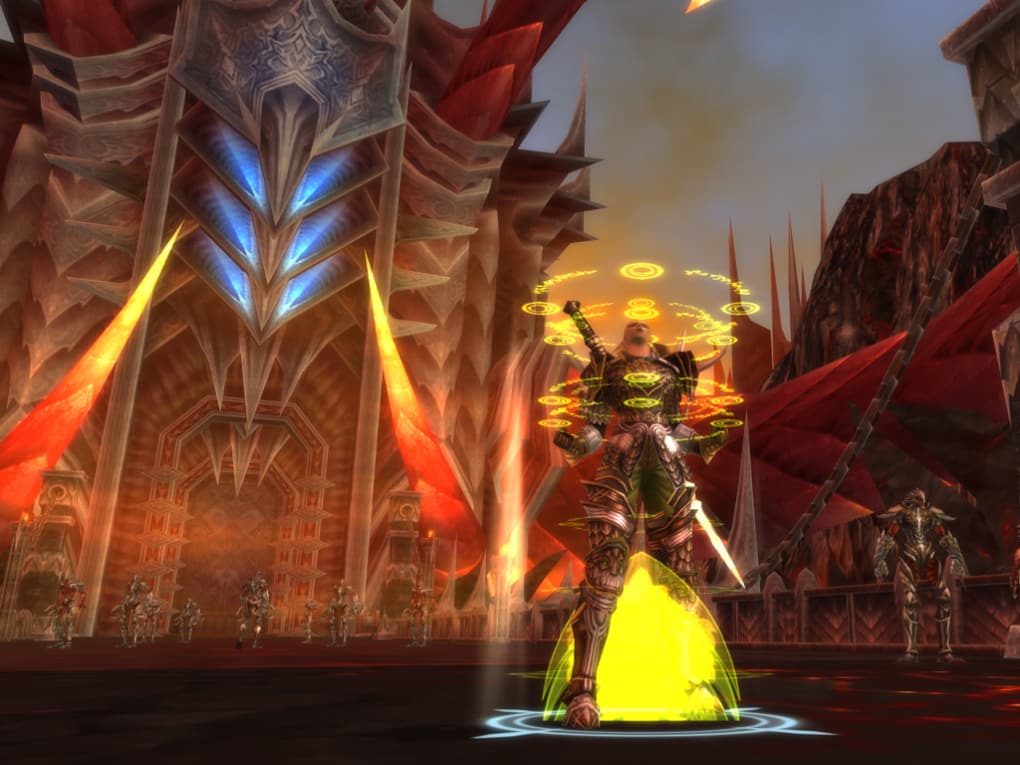
As an MMORPG, Runes of Magic’s success hinges on its community and player interaction. The game offers various social features, enabling players to group together for quests, raids, and PvP combat. Guilds provide a platform for organized play and community building. However, the longevity and health of the player base is crucial for maintaining an active and engaging environment. The community aspect greatly influences the overall experience and may be heavily dependent on server population and player activity.
Comparison to Competitors: Standing Out From the Crowd
Runes of Magic directly competes with established MMORPGs and numerous free-to-play alternatives. While it shares similarities with World of Warcraft, its free-to-play model and some unique features differentiate it. However, the game lacks the polished graphics, extensive content, and deep lore of some of its competitors. Its success depends on its ability to capture a niche audience seeking a free-to-play experience that is familiar and comfortable.
Overall Assessment: A Decent but Unremarkable Choice
Runes of Magic is a functional MMORPG that provides a familiar gameplay experience without the financial burden of a subscription. Its strengths lie in its free-to-play model and the classic fantasy setting. However, its weaknesses include outdated graphics, unoriginal gameplay, and concerns regarding potential pay-to-win aspects. While it may appeal to players seeking a casual and free MMORPG experience, it falls short of more established titles in terms of overall quality and lasting appeal. Ultimately, whether it proves a worthwhile investment of time depends largely on the individual player’s expectations and tolerance for less-than-modern visuals and gameplay. The game offers a functional free experience, but players looking for cutting-edge graphics or innovative gameplay may want to look elsewhere. The impact of the monetization model on long-term player satisfaction also remains to be seen.
File Information
- License: “Free”
- Version: “3.0.8”
- Latest update: “May 12, 2020”
- Platform: “Windows”
- OS: “Windows XP”
- Language: “English”
- Downloads: “75.1K”
- Size: “1.17 MB”


