
Sakura no Uta - Sakura no Mori no Ue wo Mau (桜のうた - 桜の森の上を舞う), translates to “Song of Sakura - Dancing Above the Cherry Blossom Forest,” is a poignant Windows-based adventure game that delves into the complexities of human emotion and the enduring power of memory. Developed by Makura and released in April 2025, the game offers a unique and deeply moving narrative experience, resonating with players through its exploration of grief, friendship, and the bittersweet nature of fleeting moments. This compelling story, a reimagining of a previously stalled project, showcases the distinct storytelling abilities of SCA-Ji, the creator also known for their work on Subarashiki Hibi.
A Story Woven in Cherry Blossoms
The game centers around Kusanagi Naoya, a young man grappling with the recent loss of his father. His journey is not one of solitary grief, but rather a narrative intricately woven with the lives of those around him. His closest friend, Natsume Kei, provides a crucial source of support and companionship, offering a counterpoint to Naoya’s sorrow. Adding further layers to the story are Natsume Ai, his compassionate homeroom teacher, and Natsume Shizuku, a captivating actress. The interconnectedness of these relationships forms the emotional core of the game.
The imagery of cherry blossoms, a recurring motif throughout the game, serves as a powerful metaphor. The ephemeral beauty of the blossoms, their fleeting bloom and inevitable fall, mirrors the transient nature of memories and the bittersweet passage of time. Each falling petal symbolizes a moment lost, a memory fading, yet also a testament to the beauty and significance of those moments while they lasted. This visual representation enhances the emotional weight of the story, providing a subtle yet effective visual language that speaks to the fragility and preciousness of life.
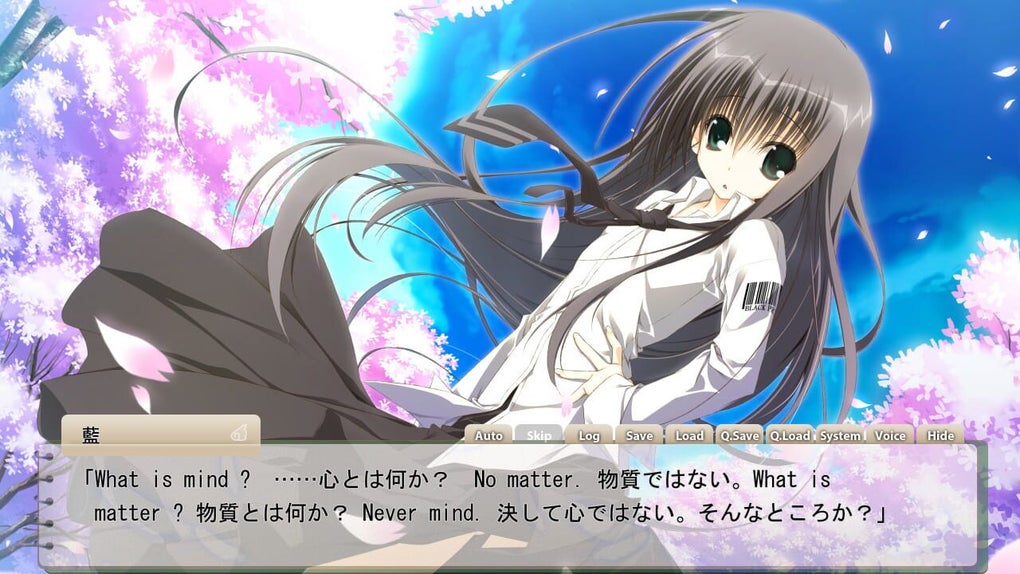
The narrative unfolds gradually, allowing players to immerse themselves in Naoya’s emotional landscape. The pacing is deliberate, allowing for introspection and reflection on the events unfolding before the player’s eyes. The careful construction of the narrative is a testament to the developer’s understanding of pacing and emotional impact. The player isn’t rushed through the story but is instead guided through Naoya’s emotional journey at a comfortable pace, allowing for a deeper connection with the character and his experiences.
The Return of a Childhood Friend: A Catalyst for Change
A significant turning point in the narrative arrives with the unexpected return of Misakura Rin, Naoya’s childhood friend. Rin’s reappearance acts as a catalyst, stirring up long-dormant memories and emotions. The relationship between Naoya and Rin is not simply a romantic subplot; it serves as a pivotal element that triggers introspection and self-discovery for Naoya. Their shared history, the joy and sorrow they experienced together, becomes an integral part of Naoya’s journey towards healing and understanding.
The reintroduction of Rin doesn’t merely provide a romantic interest; it serves as a crucial element in exploring themes of past trauma and the lasting impact of childhood experiences. Their reunion forces Naoya to confront unresolved issues from his past, prompting him to examine his current relationships in light of those past experiences. This adds complexity to Naoya’s character, revealing his vulnerabilities and showcasing his personal growth throughout the game. The relationship between Naoya and Rin is not without its challenges and complexities, mirroring the intricate tapestry of human connections.
Exploring Themes of Grief, Friendship, and Reunion
Sakura no Uta skillfully navigates complex themes of grief, friendship, and reunion. The game doesn’t shy away from portraying the raw emotions associated with loss, offering a sensitive and nuanced portrayal of the grieving process. Naoya’s journey is not a linear progression from sorrow to joy, but rather a complex and often messy process of healing. The game’s strength lies in its honest and unvarnished depiction of these human experiences.
The importance of friendship is also a central theme. Naoya’s relationship with Kei serves as a constant source of support and understanding. Kei’s presence provides a sense of normalcy amidst the turmoil of Naoya’s emotional state. Their bond acts as a grounding force, reminding Naoya that he is not alone in his struggle. This element of the game highlights the power of human connection during times of hardship, underscoring the importance of emotional support networks.
The theme of reunion, particularly the return of Rin, is explored with a delicate touch. The reunion isn’t a simplistic happy ending but a catalyst for self-reflection and the potential for reconciliation and healing. The complexities of their past relationship, the unresolved issues, and the potential for new beginnings all contribute to the richness and emotional depth of this storyline.
Gameplay and Presentation: A Harmonious Blend
Beyond its compelling narrative, Sakura no Uta benefits from a visually appealing presentation that perfectly complements the game’s atmosphere. The art style is both beautiful and evocative, capturing the serene beauty of the cherry blossom forests and the emotional nuances of the characters. The use of color and light effectively communicates the tone and mood of different scenes, adding another layer to the storytelling.
The game’s soundtrack is equally well-crafted, featuring melancholic yet hopeful melodies that enhance the emotional impact of the narrative. The music subtly underscores the emotional shifts, deepening the player’s connection to Naoya’s journey. The music choice and implementation are not merely background noise but a powerful storytelling tool in its own right.
A Reflection on Life and Relationships
Sakura no Uta - Sakura no Mori no Ue wo Mau is more than just an adventure game; it is a thoughtful exploration of the human condition. The game invites players to contemplate their own relationships, their experiences with loss, and the lasting impact of memories. It prompts reflection on the importance of friendship, the challenges of grief, and the possibilities of healing and renewal. The game doesn’t offer easy answers but instead presents a nuanced and compelling narrative that encourages players to connect with their own emotions and experiences.
The game’s success lies not only in its well-developed characters and emotional storytelling but also in its ability to resonate with players on a deeply personal level. The themes it explores – grief, friendship, and reunion – are universal human experiences that transcend cultural boundaries. This universality is what makes Sakura no Uta such a powerful and moving game.
In conclusion, Sakura no Uta: Dancing on the Cherry Blossom Trees is a must-play for those who appreciate emotionally resonant narratives and beautifully crafted adventure games. It’s a game that will stay with you long after the credits roll, prompting reflection on the beauty and fragility of life and the enduring power of human connection. The game’s unique blend of narrative depth, visual appeal, and evocative soundtrack creates a deeply immersive and unforgettable gaming experience.
File Information
- License: “Full”
- Latest update: “April 4, 2025”
- Platform: “Windows”
- OS: “Windows 11”
- Downloads: “203”


