
SAKURA School Simulator, developed by Garusoft Development Inc., is a free-to-play simulation game that offers a unique blend of lighthearted chaos and surprisingly open-ended gameplay. While marketed as a school simulator, its true appeal lies in its absurdly expansive possibilities, allowing players to create their own narratives, whether it’s forging friendships and romantic entanglements or engaging in outlandish, non-lethal mayhem. The game’s lack of realistic consequences and its playful approach to violence contribute to its distinct and addictive charm.
A World of Choices: Shaping Your Sakura School Experience
The core gameplay loop of SAKURA School Simulator revolves around player agency. The game provides a vast, detailed school environment brimming with interactive elements and characters. Players are given near-total freedom to explore this environment, interact with NPCs, and embark on a variety of activities. This open-ended nature allows for vastly different gameplay experiences depending on the player’s preferences.
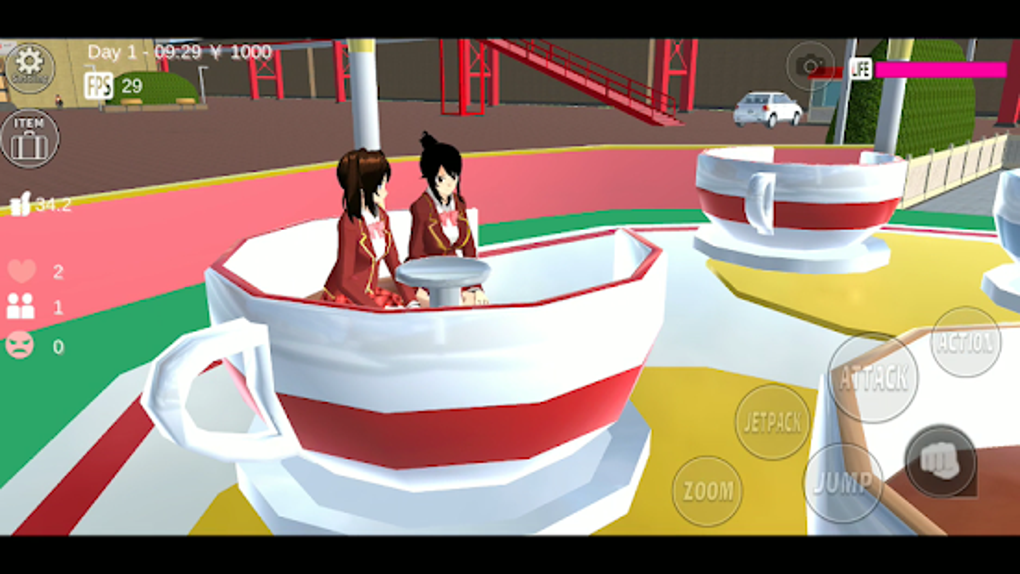
One prominent aspect of player agency is the dialogue system. The game often presents players with multiple dialogue choices, leading to diverse conversational outcomes. The randomness incorporated into these conversations ensures that no two playthroughs are exactly alike, adding an element of replayability and encouraging experimentation.
Players can opt for a traditional school life experience, focusing on forming relationships with classmates, attending classes (or skipping them!), participating in extracurricular activities, and generally navigating the social dynamics of the school. They can explore the various locations within the school grounds, uncover hidden areas, and discover secrets.
However, SAKURA School Simulator also offers a more unconventional path: unleashing playful chaos. Players can engage in a variety of mischievous and humorous activities, from causing minor disruptions to full-scale, albeit non-violent, rampages. This aspect of the game is particularly appealing to players seeking more action-oriented gameplay.
The game cleverly avoids any depiction of realistic violence. While players can “defeat” enemies using a variety of methods, including weapons obtained from the Yakuza office or even creatively using the game’s flying mechanics, the consequences are always cartoonish and devoid of gore or serious injury. Defeated characters are simply stunned, quickly recovering and resuming their routines the following day. This lack of lethal consequences makes the game accessible to a broader audience while maintaining a playful sense of anarchy.
Gameplay Mechanics and Features: A Blend of Simulation and Action
The game’s controls are intuitive and easy to grasp, allowing players to seamlessly navigate the expansive school environment and engage in various actions. The intuitive interface ensures a smooth and enjoyable gaming experience, catering to both casual and dedicated players. The ability to switch between four controllable characters in a stage, with the option to change the other two after watching short ads, adds another layer of strategic depth to the gameplay.
The use of weapons, while not strictly necessary to “defeat” enemies, adds a fun and engaging element to the action sequences. Players can explore the diverse arsenal of items available and experiment with various combat strategies. However, the game doesn’t overly emphasize combat; players who prefer a more peaceful approach can easily choose to avoid direct confrontations, focusing instead on other aspects of the game.
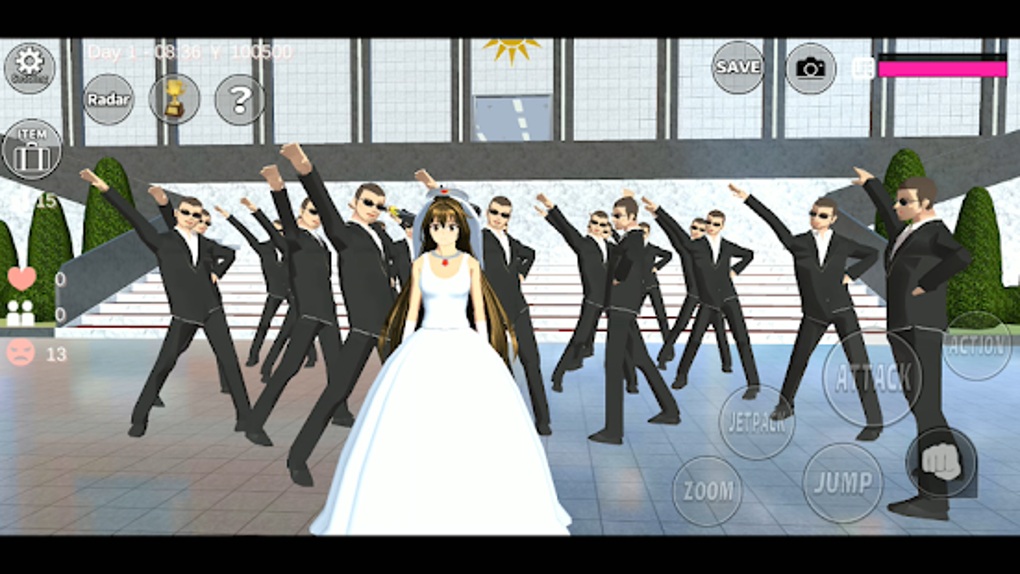
One noticeable feature, albeit a less positive one, is the game’s reliance on advertisements. While the game itself is entirely free, frequent interstitial ads can interrupt the flow of gameplay, potentially disrupting the immersive experience. This heavy reliance on advertising is a trade-off for the game’s free-to-play model.
Visual Style and Aesthetics: A Bright and Exaggerated World
SAKURA School Simulator boasts a visually appealing, vibrant aesthetic that aligns perfectly with its overall playful tone. The game’s graphics are stylized and cartoonish, avoiding any realism in favor of a whimsical, exaggerated visual style. Character designs are expressive and often over-the-top, contributing to the game’s comedic atmosphere. The environment is detailed and rich, providing a visually stimulating backdrop for the player’s actions. This design choice is not only visually pleasing but also contributes to the game’s non-violent nature, reinforcing the lighthearted tone. The vibrant colors and exaggerated character designs create a sense of playful energy that keeps the game engaging and fun, preventing it from becoming overly repetitive.
Strengths and Weaknesses: A Balanced Perspective
Strengths:
- Open-ended Gameplay: The core strength of SAKURA School Simulator lies in its remarkable freedom. Players are not limited to specific objectives or linear progression, allowing them to create their own unique experiences.
- Non-violent Fun: The game cleverly avoids graphic violence, making it accessible to a wide range of players while retaining a sense of engaging action. The comical consequences of player actions enhance the overall lighthearted tone.
- Character Customization: While not explicitly stated in the provided text, many school simulators in this style typically offer character customization options, allowing players to personalize their avatar and express their creativity.
- Engaging Environment: The detailed and interactive school environment is a crucial part of the game’s appeal. Exploring the various locations and discovering hidden secrets enhances the replay value.
- Free-to-Play Accessibility: The free-to-play model ensures that a wider audience can access and enjoy the game.
Weaknesses:
- Intrusive Advertisements: The high frequency of advertisements is a significant drawback, disrupting the gameplay flow and potentially detracting from the overall enjoyment.
- Repetitive Gameplay (Potential): While the open-ended nature offers potential for varied experiences, the lack of a structured narrative could lead to repetitive gameplay for some players if they don’t actively seek out different activities and interactions.
- Limited Narrative Depth: The game lacks a compelling overarching storyline or narrative arc, potentially appealing more to players who prefer sandbox-style gameplay over those seeking a rich story.
In conclusion, SAKURA School Simulator offers a unique and highly entertaining experience that blends elements of simulation and action in a refreshingly non-violent and absurdly funny package. While the intrusive advertisements are a noteworthy drawback, the game’s open-ended nature, playful mechanics, and visually appealing style more than compensate for this shortcoming, making it a compelling and addictive title for players seeking a lighthearted and creative gaming experience. The game’s flexibility allows for repeated playthroughs with dramatically different outcomes, ensuring consistent engagement.
File Information
- License: “Free”
- Latest update: “March 8, 2025”
- Platform: “Android”
- OS: “Android 13.0”
- Downloads: “134.5K”
- Download Options: “Google Play”


