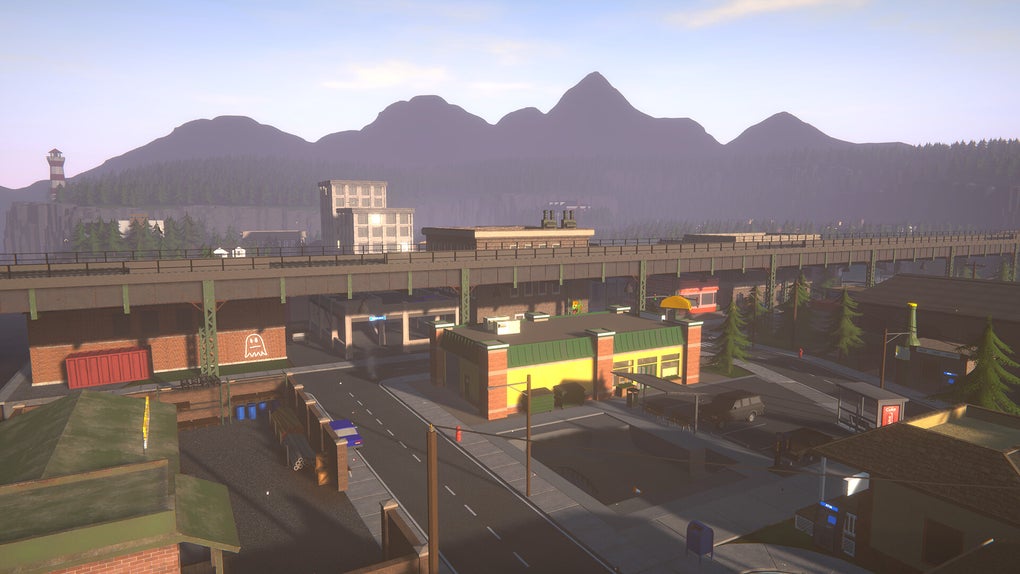
In the shadowy depths of Hyland Point, a city teeming with ambition, corruption, and untold opportunities, players are invited to forge their destiny in “Schedule I,” a gripping crime empire simulation. This isn’t merely a game about digital domination; it’s a meticulously crafted journey from the bottom rungs of the criminal underworld to the apex of illicit power. “Schedule I” challenges players to don the mantle of an aspiring kingpin, navigating a treacherous landscape where every decision, every alliance, and every betrayal carries profound consequences. It’s an intricate dance of strategy, resource management, and ruthless competition, all set against a backdrop of constant vigilance from law enforcement.
The premise is deceptively simple: start as a small-time dealer and build an empire. Yet, the execution is anything but. “Schedule I” plunges players into the gritty reality of manufacturing, distributing, and expanding a criminal enterprise, requiring a keen mind for economics, a cold heart for rivals, and a deft touch for evasion. The game’s dynamic systems ensure that no two playthroughs are ever truly alike, offering a fresh challenge with each new venture into Hyland Point’s dark heart. For those who revel in high-stakes empire-building and strategic management, “Schedule I” presents an immersive and profoundly rewarding experience, a true test of one’s ability to balance risk, ambition, and survival.
The Ascent of a Criminal Empire: From Hustler to Kingpin
The narrative arc of “Schedule I” is designed to be deeply personal and intensely engaging. Players begin their journey as a street-level hustler, a small cog in the vast machine of Hyland Point’s criminal ecosystem. This initial phase is crucial, serving as a tutorial by fire, where understanding the basic mechanics of production, sales, and evasion is paramount. The challenges are immediate: securing initial capital, finding reliable sources for raw materials, and establishing a safe, albeit modest, distribution network. The city itself feels alive, with different districts offering unique opportunities and hazards, influencing everything from the price of goods to the intensity of police patrols.
As players successfully execute their initial dealings, the scope of their ambition begins to widen. The transition from a struggling individual to a burgeoning criminal entrepreneur is marked by key milestones: the first successful large-scale manufacturing operation, the acquisition of a secure property to serve as a base of operations, and the hiring of loyal, or at least competent, subordinates. This evolution is not linear; it is fraught with setbacks, betrayals, and close calls that test a player’s resolve. The game masterfully simulates the pressures of managing an illicit business, where reputation, fear, and loyalty are currencies as valuable as cold hard cash.
To truly ascend to kingpin status, players must not only survive but thrive amidst constant pressure. This involves an intricate web of strategic decisions. Will you focus on high-volume, low-margin operations, or strive for lucrative, high-risk ventures? How will you protect your assets and personnel from rival gangs and law enforcement? The path from street hustler to undisputed kingpin is paved with calculated risks and brutal efficiency. It’s a compelling narrative, not pre-written, but forged through the player’s own choices, making each empire’s rise a unique saga in the annals of Hyland Point’s underworld.
Mastering the Underworld: Core Gameplay Mechanics and Strategic Depth

“Schedule I” distinguishes itself through a sophisticated blend of management, strategy, and simulation mechanics that offer an unparalleled deep dive into the criminal enterprise. The game doesn’t just ask players to pretend; it demands they think like a crime lord, considering every facet of their illegal operations.
Production, Distribution, and Expansion
At the heart of any successful empire in “Schedule I” lies a robust system of production and distribution. Players must first acquire or develop “recipes” for various illicit substances. These recipes aren’t just arbitrary; they often involve specific raw materials, processing methods, and equipment, each with its own cost, availability, and risk profile. Sourcing these raw materials can be a mini-game in itself, requiring deals with suppliers, protecting supply lines, and managing inventory.
Once raw materials are acquired, players must establish manufacturing facilities. These could range from a hidden lab in an apartment to a sprawling underground complex. The efficiency and security of these facilities are critical. Skilled employees can increase output and purity, while advanced equipment can reduce production time and costs. However, every upgrade, every new employee, and every hidden location adds to the overhead and, crucially, to the risk of detection.

Distribution is the final, and arguably most precarious, link in the chain. Players must decide how to move their product from manufacturing hubs to the streets. This involves establishing a network of dealers, each with their own territories, sales capabilities, and loyalty levels. Delegating sales to these dealers allows for wider market penetration but also introduces an element of unpredictability and potential betrayal. Alternatively, players can handle sales personally, offering greater control but limiting their reach and exposing them to higher personal risk. The dynamic market system ensures that prices fluctuate based on supply, demand, and local law enforcement activity, forcing players to constantly adapt their sales strategies to maximize profits. Expanding the empire means identifying new territories, establishing new distribution channels, and often, muscling out existing competition.
Navigating Law Enforcement and Rival Cartels
The world of “Schedule I” is far from a sandbox of unchecked criminal activity. Two formidable forces constantly threaten the player’s empire: law enforcement and rival cartels. The game’s dynamic law enforcement system is a core feature, adding layers of strategy and tension. Police presence can vary significantly across districts and over time, influenced by player activity, specific events, and the overall “heat” generated by the player’s operations. High-profile actions, large-scale transactions, or violent confrontations will inevitably draw increased police attention, leading to raids, arrests, and asset seizures.
Players must develop sophisticated evasion tactics. This could involve bribing officials, setting up intricate money laundering schemes to hide illicit gains, or establishing complex communication networks that are difficult to trace. The consequences of being caught are severe, ranging from heavy fines and loss of assets to incarceration, which can sideline a player for a significant period, potentially collapsing their nascent empire. This constant cat-and-mouse game against the authorities is a critical element, demanding calculated risk assessment and a deep understanding of the legal repercussions.
Rival cartels introduce another layer of competitive challenge. Hyland Point is not big enough for everyone, and other criminal organizations will vie for territory, resources, and market share. This competition isn’t just passive; it can escalate into turf wars, sabotage, and direct confrontations. Players might find their supply lines intercepted, their dealers poached, or their properties attacked. Negotiating fragile truces, forming temporary alliances, or engaging in all-out warfare against rivals are all viable, albeit risky, strategies. The AI of these rival gangs is designed to be cunning and adaptive, ensuring that the competitive landscape remains dynamic and challenging. Balancing the need for expansion with the resources required to defend against both the law and other criminals is a perpetual strategic dilemma that keeps the gameplay fresh and engaging.
Building Your Syndicate: Property, Personnel, and Profits
A thriving criminal empire in “Schedule I” is built upon robust infrastructure and a loyal, or at least effective, workforce. The game places significant emphasis on the strategic acquisition of properties and the careful management of personnel.
Property acquisition goes beyond merely owning a building; it’s about establishing strategic hubs for various aspects of the business. A small apartment might serve as an initial hideout and modest production lab. As the empire grows, players will invest in larger, more secure properties: warehouses for storage, fortified labs for high-volume production, discreet offices for managing finances, and even legitimate fronts to launder money and provide cover. Each property offers unique advantages and vulnerabilities, requiring players to consider location, security, and potential for expansion. The decision of where to establish a new base, or which existing property to upgrade, directly impacts efficiency, security, and exposure to risk.
Personnel management is equally critical. Players can hire a diverse range of employees, each with distinct skills and loyalty levels. Dealers are essential for street-level distribution, and their effectiveness can be enhanced through training and incentives. Chemists or manufacturers can improve the quality and output of illicit goods. Enforcers provide protection for properties and personnel, deterring rivals and maintaining order. Money launderers help obscure the flow of illicit funds, reducing the risk of financial detection. Each employee comes with a cost, and their loyalty isn’t guaranteed; disgruntled or captured employees can turn informant, jeopardizing the entire operation. Therefore, careful vetting, effective management, and even discreet elimination of problematic individuals become necessary parts of the kingpin’s responsibilities.
The ultimate goal, of course, is profit. “Schedule I” offers multiple avenues for generating revenue, from direct sales to investment in legitimate, albeit front, businesses. Profits must be managed wisely: reinvesting in new properties, upgrading equipment, expanding employee rosters, or building up a war chest for unforeseen emergencies. The game’s economic simulation rewards astute financial management and punishes recklessness. Understanding market trends, optimizing supply chains, and minimizing losses due to busts or rival attacks are all vital for maintaining a healthy bottom line and fueling the continuous growth of the syndicate. The satisfaction of seeing a small-time operation blossom into a sprawling, profitable network is one of the game’s most compelling rewards.
The Hyland Point Experience: Themes, Challenges, and Multiplayer
“Schedule I” offers more than just strategic gameplay; it delivers a richly textured experience shaped by its dark themes, inherent challenges, and the option for collaborative multiplayer. These elements combine to create a deeply immersive and often intense journey into the heart of a criminal underworld.
The game unapologetically embraces dark themes, mirroring the harsh realities of organized crime. While not gratuitous, the narrative and gameplay do not shy away from the moral ambiguities and violent undertones inherent in building an illicit empire. Players will engage in activities that are, by their very nature, illegal and often unethical. This thematic choice contributes significantly to the game’s atmosphere, lending it a gritty realism that enhances the strategic depth. For players who appreciate narrative experiences that explore the darker side of human ambition and societal structures, “Schedule I” delivers a compelling, mature storyline. However, as noted in the initial assessment, this thematic choice might not appeal to everyone, positioning the game as a niche but profoundly rewarding experience for its target audience. The city of Hyland Point itself is a character, a sprawling urban landscape that breathes with both opportunity and menace, its districts reflecting different socioeconomic strata and criminal opportunities, all contributing to the game’s overarching dark aesthetic.
The challenges in “Schedule I” are multifaceted and relentless, ensuring that players are constantly engaged and tested. Beyond the immediate threats of law enforcement and rival gangs, players face internal struggles such as managing employee loyalty, dealing with unexpected supply chain disruptions, and adapting to fluctuating market demands. Economic downturns or sudden policy shifts by authorities can drastically alter the playing field, forcing players to overhaul their strategies on the fly. This constant pressure to adapt, innovate, and overcome unforeseen obstacles is what gives “Schedule I” its enduring replayability and deep strategic satisfaction. It’s a game where complacency is swiftly punished, and only the most cunning and adaptable kingpins truly endure.
A particularly noteworthy feature of “Schedule I” is its co-op multiplayer mode. In a genre often dominated by solo experiences, the option to collaborate with other players adds an entirely new dimension. This mode allows friends or fellow enthusiasts to join forces, combining their resources, strategies, and territories to build an even more formidable criminal empire. The collaborative aspect can alleviate some of the individual pressure, as players can specialize in different aspects of the business – one focusing on production, another on distribution, and a third on managing external threats. However, co-op also introduces its own set of challenges, such as coordinating efforts, resolving internal disputes, and ensuring trust among partners. The dynamic interplay between individual decision-making and collective strategy in the co-op environment enhances the game’s depth, offering a unique social experience within the gritty world of Hyland Point. It transforms the solitary struggle of a kingpin into a shared endeavor, making the triumphs all the sweeter and the setbacks more manageable.
Why Schedule I Stands Out
In a crowded market of simulation and strategy games, “Schedule I” carves out a distinct niche for itself by offering an exceptionally deep and immersive underworld experience. Its unique blend of detailed empire-building mechanics, dynamic antagonistic forces, and the engaging player journey sets it apart.
Many games in the genre touch upon elements of criminal enterprise, but “Schedule I” commits fully to the simulation of a drug empire, from the ground up. The granular detail in production processes, the complexities of distribution networks, and the nuanced interactions with both law enforcement and rival organizations create a level of immersion rarely achieved. Players aren’t just clicking buttons; they are making strategic decisions with tangible impacts on their burgeoning empire. The game doesn’t shy away from the darker aspects, but rather leverages them to create a compelling and authentic atmosphere, drawing players into the high-stakes world where morality is a luxury few can afford.
The “PhanMemFree review” highlights the game’s dynamic gameplay and extensive management options, and these are indeed central to its appeal. The game avoids static scenarios by continuously introducing new challenges through its adaptive law enforcement and rival AI systems. This means players can’t simply follow a predetermined optimal path; they must constantly analyze, adapt, and innovate. The sheer scope of management — from properties and personnel to finances and illicit product lines — ensures that there’s always something to optimize, something to expand, and a new strategy to devise. This constant engagement with the game’s systems fosters a deep sense of ownership and accomplishment as players witness their meticulously crafted empire grow and overcome adversity.
Furthermore, the inclusion of co-op multiplayer is a significant differentiator. While many empire-building games are inherently solo experiences, “Schedule I” allows players to share the journey, strategize together, and overcome challenges as a syndicate. This not only broadens the game’s appeal but also enhances its replayability, as different cooperative dynamics can lead to vastly different outcomes and experiences. It’s a feature that encourages social interaction and collaborative problem-solving within a typically solitary genre, creating memorable shared narratives of criminal success and narrow escapes.
“Schedule I” is not just another strategy game; it’s a testament to intricate design and thematic commitment. For fans of empire-building who are drawn to the allure of a high-stakes criminal enterprise, and who appreciate a game that demands both strategic acumen and adaptive thinking, it offers an unparalleled journey into the dangerous and rewarding world of Hyland Point. It is a game that truly challenges players to rise through the ranks, not just by accumulating wealth, but by mastering the art of the underworld itself.
File Information
- License: “Full”
- Version: “varies-with-devices”
- Latest update: “March 27, 2025”
- Platform: “Windows”
- OS: “Windows 11”
- Language: “English”
- Downloads: “23.2K”