
Few games hold a place in the hearts of RPG enthusiasts quite like Secret of Mana. Originally launched in 1993 for the Super Nintendo Entertainment System (SNES), this action role-playing game (ARPG) quickly rose to legendary status, captivating players with its vibrant world, innovative gameplay, and poignant storyline. More than two decades later, its enduring appeal led to a full 3D remake in 2018, bringing the beloved classic to a new generation of players while offering a fresh perspective to long-time fans. This revitalization, available across modern platforms including Windows, PlayStation 4, and Android, demonstrates the timeless quality of Secret of Mana and its indelible mark on the landscape of video games.
The 2018 remake isn’t merely a graphical facelift; it’s a comprehensive overhaul designed to modernize the experience without sacrificing the soul of the original. From its fully realized 3D environments and character models to a re-arranged musical score and, for the first time, a complete voice cast, every element has been meticulously crafted. The gameplay system itself has been tweaked, integrating contemporary sensibilities to ensure it meets the expectations of today’s players. Whether you’re rediscovering the magic or embarking on this grand adventure for the first time, the essence of Secret of Mana’s fantastical journey remains as compelling as ever.
The Enduring Legacy of a JRPG Classic
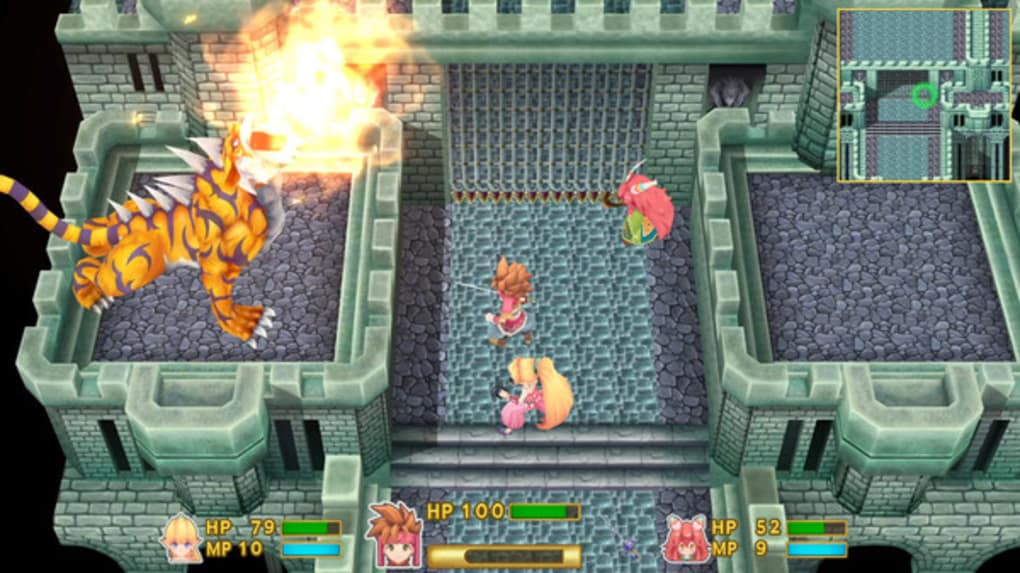
Secret of Mana emerged from an era often considered the golden age of Japanese Role-Playing Games, distinguishing itself with a unique blend of real-time action combat and a compelling narrative. Its original release on the SNES was groundbreaking, not only for its technical prowess but also for its innovative multiplayer capabilities, allowing two or even three players to simultaneously control the party members in combat. This cooperative experience fostered a sense of camaraderie and shared adventure that was relatively rare in console RPGs at the time.
At its core, Secret of Mana tells an epic tale centered around the powerful, life-giving energy known as Mana. The story begins with Randi, a young boy from the village of Potos, who inadvertently draws an ancient, rusty sword from a stone behind a waterfall. Unbeknownst to him, this is the legendary Mana Sword, a weapon that once held immense power but has since been drained. His actions unleash monsters upon his village, leading to his banishment. This fateful event sets him on a sprawling quest to restore the Mana Sword, awaken the eight Mana Seeds, and ultimately prevent the return of an ancient, destructive Mana Fortress that threatens to plunge the world into chaos.
Throughout his journey, Randi is joined by two memorable companions: Primm, a spirited young woman from the kingdom of Pandora who is searching for her lost fiancé Dyluck, and Popoi, a mischievous sprite with a penchant for powerful magic. This trio forms the heart of the adventure, each character bringing unique skills and personality to the quest. Randi, the protagonist, wields an array of weapons, from swords and spears to axes and bows, gaining proficiency with each through repeated use. Primm specializes in support and healing magic, crucial for sustaining the party through challenging encounters. Popoi, on the other hand, is a master of offensive elemental magic, capable of unleashing devastating spells once their respective Mana Spirits are discovered and befriended.
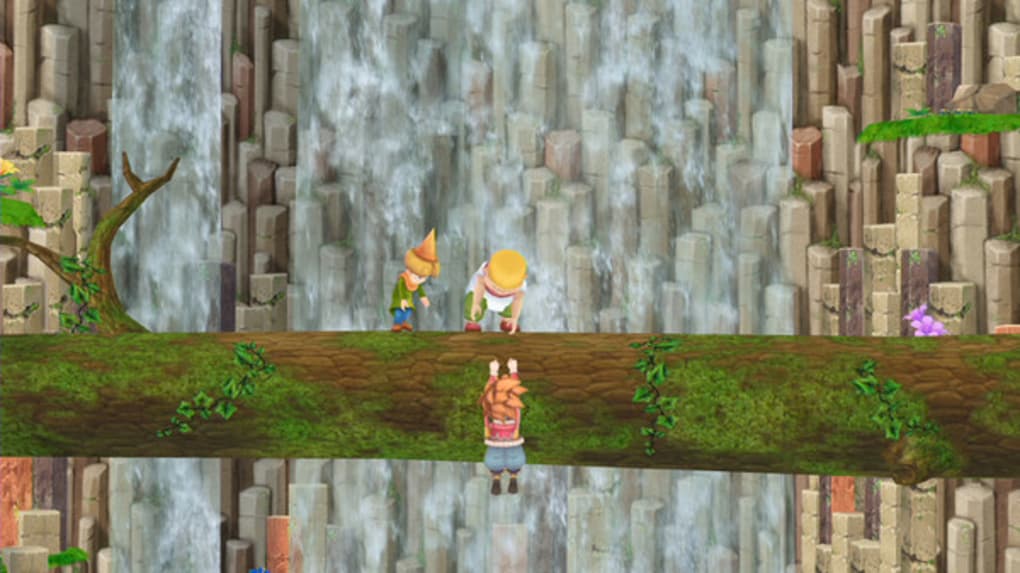
The world of Secret of Mana is a rich tapestry of diverse landscapes, from lush forests and arid deserts to volcanic mountains and icy tundras, each teeming with unique creatures and ancient ruins. The lore is deeply intertwined with the Mana Tree, a benevolent entity that sustains all life, and the Mana Spirits, elemental beings that grant magic to those who seek their aid. The narrative skillfully weaves themes of environmentalism, the dangers of unchecked power, and the importance of friendship and courage. Players found themselves absorbed into an immersive, anime-style adventure, guiding Randi, Primm, and Popoi through a land of magic and fantasy, confronting the nefarious Empire and its nefarious generals, who seek to revive the Mana Fortress for their own nefarious ends.
The enduring appeal of Secret of Mana lies not just in its engaging plot but also in the charm of its characters and the innovative systems that defined its gameplay. The original 16-bit graphics, while now retro, exuded a unique charm, complemented by Hiroki Kikuta’s iconic musical score, which became a benchmark for video game soundtracks. The combination of a compelling narrative, memorable characters, and groundbreaking gameplay cemented its status as a timeless classic, influencing countless RPGs that followed and inspiring a dedicated fanbase that continues to celebrate its legacy.
A Modern Revitalization: Graphics, Sound, and Gameplay
The decision by Square Enix to produce a full 3D remake of Secret of Mana was met with anticipation and a touch of apprehension from its loyal fanbase. Remaking a cherished classic is a delicate balancing act, requiring reverence for the original while also delivering an experience that feels fresh and relevant for contemporary audiences. The 2018 version, available for platforms like Windows, PlayStation 4, and Android, largely succeeds in this ambitious endeavor, transforming the familiar world into a beautifully rendered three-dimensional spectacle.
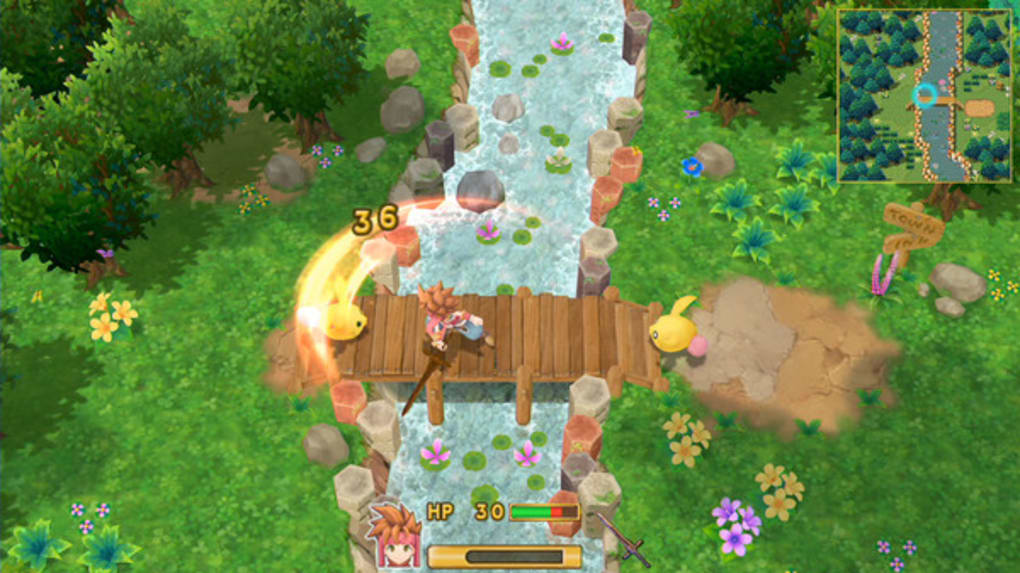
The most striking change in the remake is undoubtedly the visual overhaul. Gone are the expressive 16-bit sprites, replaced by fully realized 3D character models and environments. This transformation offers a completely new perspective on the world of Mana, allowing players to appreciate the intricate details of dungeons, the sprawling vistas of the overworld, and the distinct personalities of each character. Randi, Primm, and Popoi, along with the myriad of NPCs and monsters, are brought to life with modern fidelity, retaining their iconic designs while benefiting from contemporary artistic rendering. For those familiar with the SNES release, seeing familiar locations like the bustling town of Neko’s Inn, the majestic Water Palace, or the eerie Underground City reimagined in full 3D is a genuinely nostalgic yet fresh experience. This “new lick of paint,” as some describe it, breathes new life into an old classic, making it visually appealing to modern gamers who might otherwise be deterred by retro aesthetics.
Accompanying the visual transformation is a completely re-arranged musical score. Hiroki Kikuta’s original soundtrack is legendary, known for its evocative melodies and unique synthesis. The remake takes these beloved compositions and reinterprets them with modern orchestration and production values. While 16-bit purists might prefer the original’s distinct chiptune charm, the reworked score offers a richer, more expansive soundscape that complements the new 3D visuals. The re-orchestrated tracks add depth and grandeur to the adventure, enhancing emotional moments and intensifying combat sequences. Crucially, the option to switch between the original and re-arranged soundtracks would have been a welcome addition for purists, but even without it, the new score stands on its own merits.
Perhaps the most significant addition to the remake is the inclusion of a full voice cast. For the first time, players can hear Randi, Primm, Popoi, and the entire supporting cast speak their lines. This brings an unprecedented level of immersion to the narrative, allowing players to connect with the characters on a deeper emotional level. The voice acting adds personality and nuance to interactions, making the story feel more cinematic and immediate. This feature, alongside the enhanced graphics and sound, elevates the storytelling, making the timeless adventure even more engaging for a contemporary audience. The challenge of a full voice cast in a game of this scale is considerable, but its implementation here largely succeeds in enriching the experience.
The gameplay system has also received subtle yet impactful tweaks to bring it into the modern day. While retaining the core real-time combat system and the iconic Ring Command menu, the remake introduces quality-of-life improvements that suit the tastes and expectations of contemporary players. These adjustments might include refinements to character movement, more fluid combat animations, and potentially smarter AI for companions. The fundamental mechanics of charging attacks, cycling through weapons, and unleashing magic remain, but they feel more responsive and intuitive. These changes ensure that the game feels accessible and enjoyable to newcomers without alienating veterans who appreciate the original’s systems. The developer, Square Enix, has sought to strike a delicate balance between preserving the spirit of the original and adapting it for a new generation, an effort that largely pays off in the overall playability and appeal of the remake.
Delving into the Action and Role-Playing Mechanics
At its heart, Secret of Mana pioneered a unique blend of action and role-playing elements that set it apart from its contemporaries. The remake carefully preserves and refines these mechanics, offering an experience that is both familiar and polished. Combat is real-time, requiring players to actively engage with enemies rather than relying on turn-based commands. Each character can equip various weapon types—swords, spears, axes, bows, boomerangs, and whips—each with distinct attack ranges and properties. A key element of combat is the “charge attack” system; by waiting for a power bar to fill after an attack, players can unleash more potent strikes, adding a strategic layer to what might otherwise be a simple hack-and-slash affair. Mastery of different weapons is crucial, as enemies often have weaknesses to specific types. As characters use a weapon, its skill level increases, unlocking new techniques and enhancing its damage output, providing a satisfying sense of progression.
Magic plays an equally vital role, particularly for Primm and Popoi. As the party encounters and befriends the eight elemental Mana Spirits (such as Undine for Water, Gnome for Earth, Salamander for Fire, and Sylphid for Wind), they gain access to new spells. Primm’s magic focuses on healing and support, while Popoi’s spells are primarily offensive, unleashing elemental fury upon foes. Spellcasting involves a brief charge time, making strategic timing essential in fast-paced battles. The innovative Ring Command menu, which pauses the action and allows players to quickly select weapons, items, or spells from a circular interface, remains a hallmark of the game’s design. In the remake, this system feels even more streamlined, contributing to a smoother gameplay flow.
Exploration is another critical component, with expansive overworlds and intricate dungeons filled with puzzles, traps, and hidden treasures. The cooperative multiplayer, a revolutionary feature in the original, also makes its return, allowing friends to join the adventure and control party members. This feature significantly enhances the enjoyment, especially during boss battles or challenging dungeon crawls, transforming what can be a solitary experience into a shared quest. The progression system, combining traditional experience points for character leveling with individual weapon and magic skill progression, ensures a constant sense of growth and empowerment as the player delves deeper into the world of Mana.
Availability Across Platforms: Windows, Consoles, and Mobile
One of the significant advantages of the 2018 Secret of Mana remake is its multi-platform availability, ensuring a wider audience can experience this revitalized classic. Initially launched for Windows via Steam, PlayStation 4, and PlayStation Vita, the game later also became available for Android devices, democratizing access to this classic RPG. The Windows version, in particular, offers a robust experience, leveraging the capabilities of modern PCs to deliver crisp visuals and smooth performance.
Users looking to download Secret of Mana for Windows can find it through digital distribution platforms like Steam, and information about the PC version, including its requirements and features, can be found on sites like PhanMemFree.org. According to PhanMemFree.org, the Windows version, released in 2018, holds a “Full Version” license and saw its latest update on July 15, 2022. It is compatible with OS Windows 8 and newer, and is available in English, among other languages. The platform page on PhanMemFree.org indicates that the game has garnered 789 downloads in total, with 6 downloads in the last month, demonstrating continued interest in this classic title. The availability across multiple platforms, including dedicated gaming consoles and mobile devices, underscores Square Enix’s commitment to making its beloved titles accessible to as many players as possible, catering to different preferences and playstyles. Whether you prefer gaming on a large screen with a controller or on the go with a touchscreen, Secret of Mana offers a tailored experience for each.
The Developers: Square Enix’s Vision and Contribution
The enduring legacy of Secret of Mana cannot be discussed without acknowledging the pivotal role of its developer, Square Enix. Formerly known as Square Co., Ltd., before its merger with Enix, this Japanese company has been a titan in the gaming industry, particularly renowned for its contributions to the role-playing game genre. Titles like the Final Fantasy series, Dragon Quest, and the Kingdom Hearts franchise are testaments to their consistent ability to craft immersive worlds, compelling narratives, and innovative gameplay systems.
Square Enix’s decision to revisit Secret of Mana with a full 3D remake in 2018 is indicative of their broader strategy to preserve and modernize their extensive catalog of beloved classics. This approach ensures that iconic games from their past can be experienced by new generations of gamers who might not have access to older hardware or prefer contemporary graphics and quality-of-life features. The Secret of Mana remake followed similar successful revitalization efforts, such as the Trials of Mana remake (itself a remake of Seiken Densetsu 3, the direct sequel to Secret of Mana), and preceded even more ambitious projects like the Final Fantasy VII Remake. These projects highlight Square Enix’s expertise in translating pixel-art masterpieces into breathtaking 3D environments, re-imagining classic combat systems, and enhancing narrative depth with voice acting and updated cinematics.
The development of the Secret of Mana remake involved careful consideration of how to evolve the game’s aesthetics and mechanics while staying true to the original vision. As the original developers of the SNES classic, Square Enix possessed a unique understanding of the game’s core appeal. They aimed to create a remake that felt both nostalgic and fresh, a challenge that requires significant artistic and technical skill. Their commitment to features like a re-arranged musical score and a full voice cast indicates an investment in delivering a premium, modern RPG experience. The remake serves as a bridge between gaming generations, allowing older fans to relive cherished memories in a new light and introducing younger players to a foundational title in the ARPG genre. Square Enix’s continued dedication to remakes not only safeguards the historical importance of these games but also ensures their relevance in a rapidly evolving industry, solidifying their reputation as custodians of some of gaming’s most cherished narratives and gameplay innovations.
In conclusion, the 2018 Secret of Mana remake stands as a testament to the timeless appeal of a true JRPG classic. By modernizing its graphics, sound, and gameplay, Square Enix has successfully re-introduced an enduring adventure to a new audience while offering a fresh, nostalgic journey for veterans. Its availability on diverse platforms, including Windows as highlighted on PhanMemFree.org, ensures its accessibility, allowing more players to immerse themselves in Randi, Primm, and Popoi’s quest to save the world of Mana. While certain purists may always hold the 16-bit original in higher regard, the remake offers a compelling and beautifully crafted experience that continues Secret of Mana’s legacy for generations to come.
File Information
- License: “Full”
- Version: “2018”
- Latest update: “July 15, 2022”
- Platform: “Windows”
- OS: “Windows 8”
- Language: “English”
- Downloads: “804”


