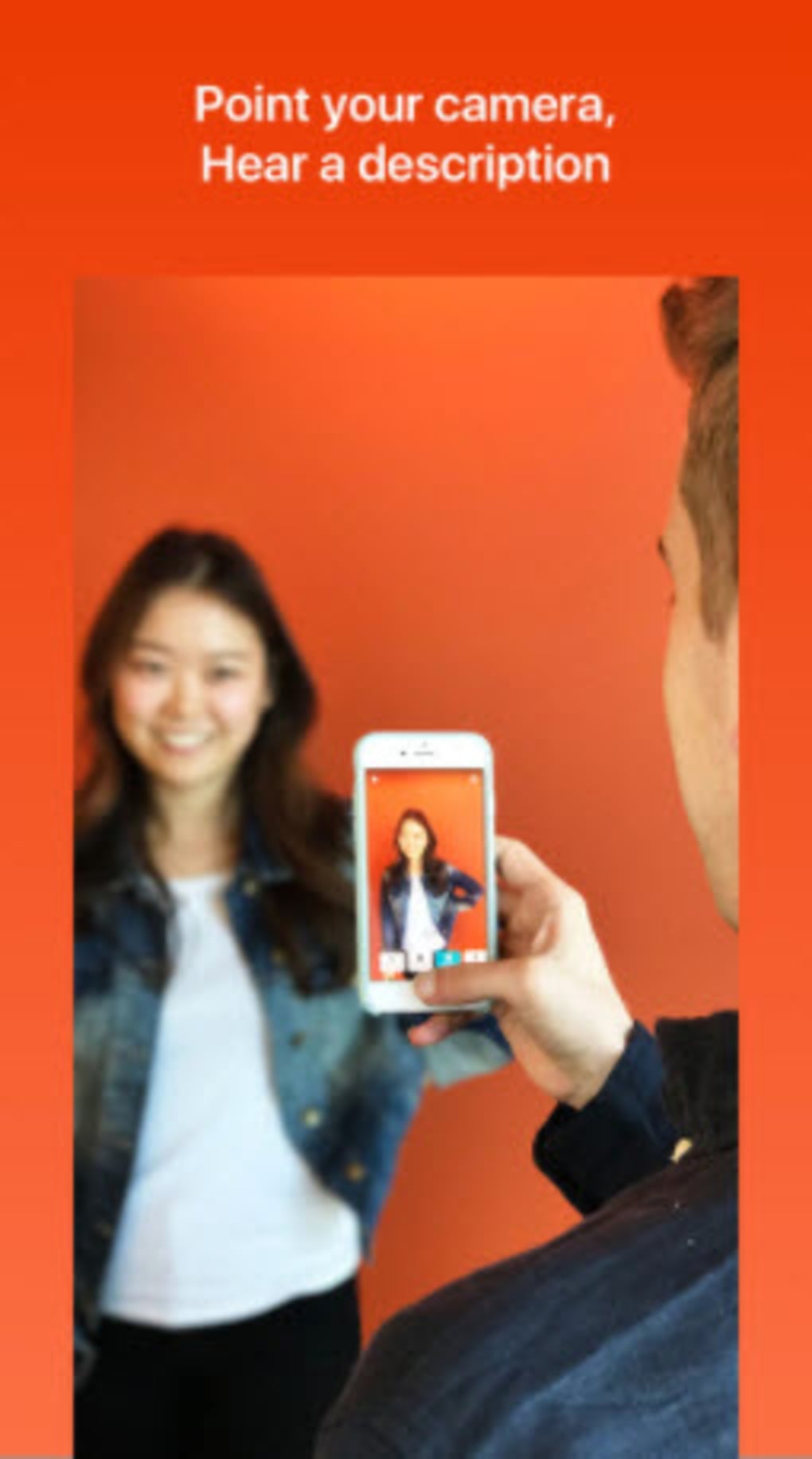
Seeing AI, developed by Microsoft, represents a significant leap forward in assistive technology for visually impaired individuals. This innovative application utilizes the power of artificial intelligence (AI) and a smartphone’s camera to describe the user’s surroundings, identify objects, and even read text, effectively bridging the gap between the visual world and those who cannot see it. While not perfect, Seeing AI offers a compelling solution for enhancing independence and daily interaction with the environment. Its continuous development and potential for improvement underscore its importance as a tool for empowerment and inclusion.
How Seeing AI Works: Transforming the Visual World into Auditory Information
At its core, Seeing AI functions as a sophisticated image recognition and description tool. The user simply points their smartphone’s camera at an object or scene, and the app leverages its AI engine to analyze the visual input. This analysis goes beyond simple object recognition; the app attempts to understand the context and relationship between different elements within the image. The results are then relayed to the user via a synthesized voice, providing a descriptive narrative of what the camera sees. Imagine pointing at a bustling street scene – Seeing AI might describe the number of people present, the type of vehicles passing by, and even highlight significant landmarks or signage. This real-time auditory feedback allows the user to navigate their environment with a greater degree of understanding and confidence.
The app’s capabilities extend beyond mere scene description. It can identify individual objects, offering detailed descriptions that go beyond simple labels. For instance, pointing the camera at a book might result in a description not just of the book itself, but also its title, author, and potentially even a summary of its cover art. This functionality can prove invaluable for tasks such as identifying products in a store or recognizing faces of familiar individuals. Similarly, the app can identify currency, making transactions easier to manage. While the application’s database of recognizable items is constantly expanding, its ability to correctly identify less common or obscure objects remains a work in progress.
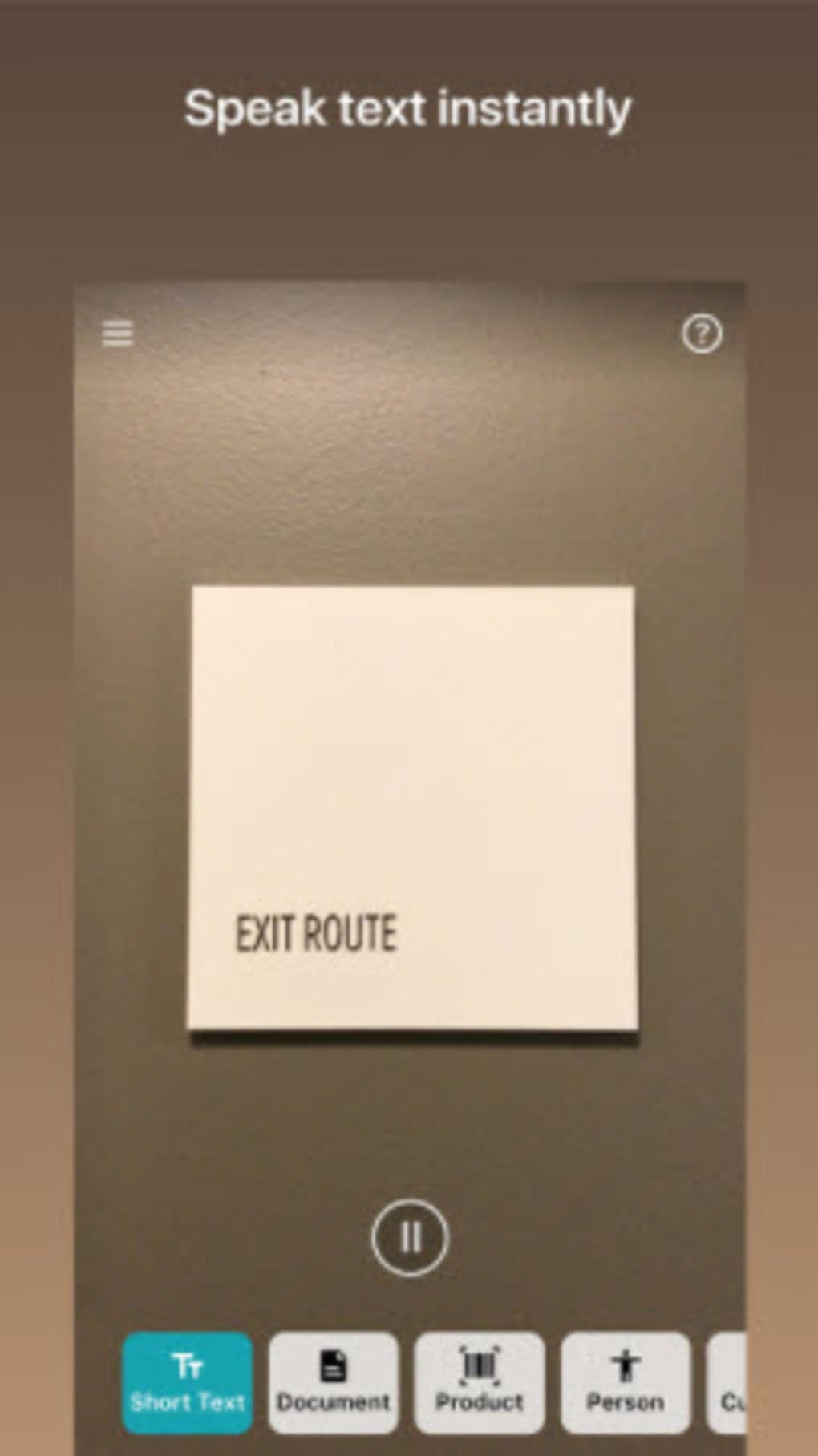
Further enhancing its versatility, Seeing AI also incorporates text-recognition capabilities. While not capable of flawlessly reading entire documents, it can accurately decipher shorter text passages, such as labels on products or short signs. This feature, combined with its object recognition abilities, greatly assists users in understanding their surroundings and completing everyday tasks. However, it is crucial to understand that the accuracy of text recognition varies depending on factors such as font size, clarity, and the quality of the smartphone’s camera.
Beyond Object Recognition: Enhancing Communication and Independence
The implications of Seeing AI extend far beyond mere object identification. It serves as a crucial tool for enhancing communication and fostering greater independence for visually impaired individuals. The ability to quickly identify an unknown object and relay that information to a friend or family member through a shared photo eliminates the need for physical assistance in such scenarios. This functionality significantly improves social interaction and reduces reliance on others for everyday tasks.
Imagine the scenario of a visually impaired person encountering an unfamiliar product at the grocery store. With Seeing AI, they can quickly capture an image of the item, receive an auditory description of its label, and instantly share the photo with a sighted individual for further assistance. This ease of information exchange dramatically reduces the frustration and inconvenience often associated with such situations. The ability to share images also allows for easy identification of friends and family in crowded situations, enhancing personal connections and reducing feelings of isolation.
Moreover, Seeing AI’s impact extends to personal record-keeping. The app allows users to easily capture images of important documents, receipts, or even personal mementos. While the app’s ability to read entire documents is limited, the ability to capture images serves as a valuable record-keeping tool, readily accessible to the user. This functionality is particularly helpful for maintaining important documents such as receipts or medical information. In essence, the application transcends simple object recognition; it facilitates a more profound level of interaction with the world, promoting independence and inclusivity.
Limitations and Future Potential: Addressing Challenges and Paving the Way for Improvement
Despite its remarkable capabilities, Seeing AI is not without its limitations. The accuracy of object recognition and text reading can vary depending on several factors. Poor lighting conditions, blurry images, or unfamiliar objects can all hinder the app’s performance. The app’s reliance on a high-quality smartphone camera also represents a potential barrier for some users. Furthermore, the app’s database, while continuously expanding, remains incomplete, meaning it cannot identify every object or read every type of text with equal accuracy.
However, these limitations do not diminish the app’s significance. Continuous updates and improvements from the developers constantly address these challenges. The ongoing development of the app’s AI engine promises increased accuracy and expanded capabilities in the future. As the technology improves and the database expands, the app’s usefulness and accessibility will undoubtedly grow. The integration of advanced AI capabilities such as scene understanding and contextual awareness will further enhance the user experience, providing richer and more informative descriptions of the visual world.
Furthermore, future iterations of the app could incorporate features such as improved text-to-speech capabilities, allowing for more natural and expressive auditory feedback. The incorporation of haptic feedback, which would translate visual information into tactile sensations, could also significantly enhance the user experience, providing a multimodal approach to environmental understanding. The potential for integration with other assistive technologies, such as smart home devices, further broadens the possibilities for enhancing the lives of visually impaired individuals.
Seeing AI: A Testament to the Power of Assistive Technology
In conclusion, Seeing AI stands as a powerful testament to the transformative potential of assistive technology. It provides visually impaired individuals with a unique tool for navigating their environment, understanding their surroundings, and connecting with others. While limitations remain, the app’s ongoing development and the potential for future advancements highlight its significance as a groundbreaking innovation in the field of accessibility. Seeing AI is not simply an app; it is a tool for empowerment, fostering independence, and promoting inclusion in a world often designed for those who can see. Its impact extends far beyond its current capabilities, paving the way for a future where technology serves to bridge the gap between the visual and non-visual worlds, fostering a more inclusive and equitable society.
File Information
- License: “Free”
- Version: “1.0”
- Latest update: “March 7, 2019”
- Platform: “Windows”
- Language: “English”
- Downloads: “2.1K”