
Shazam, the ubiquitous music identification app, has revolutionized the way we discover and engage with music. No longer do we need to strain our ears, desperately trying to recall the name of that catchy tune playing in the background. With Shazam, identifying songs is effortless, transforming a frustrating guessing game into a seamless, enjoyable experience. This article explores the features, functionality, and impact of Shazam, examining its evolution and its continued relevance in the ever-changing landscape of digital music consumption.
Apps: Seamless Music Discovery at Your Fingertips
Shazam’s core functionality is simple yet powerful: identify a song by listening to a short audio snippet. The app utilizes a sophisticated audio fingerprint technology, comparing the captured audio with its extensive database of millions of songs. The process is remarkably fast and accurate, usually providing song titles, artists, and album information within seconds. This instantaneous identification makes Shazam an invaluable tool for casual music listeners and dedicated audiophiles alike.
Beyond simple identification, Shazam enhances the musical experience through various features designed to deepen user engagement. Integration with popular music streaming services like Spotify allows users to instantly listen to identified songs directly within the app. This seamless transition from identification to playback streamlines the music discovery process, providing a complete and convenient user journey. The app also provides links to purchase tracks on platforms such as Google Play Music, offering users diverse options for acquiring their newly discovered favorites.
Games & Multimedia: Beyond Simple Song Identification
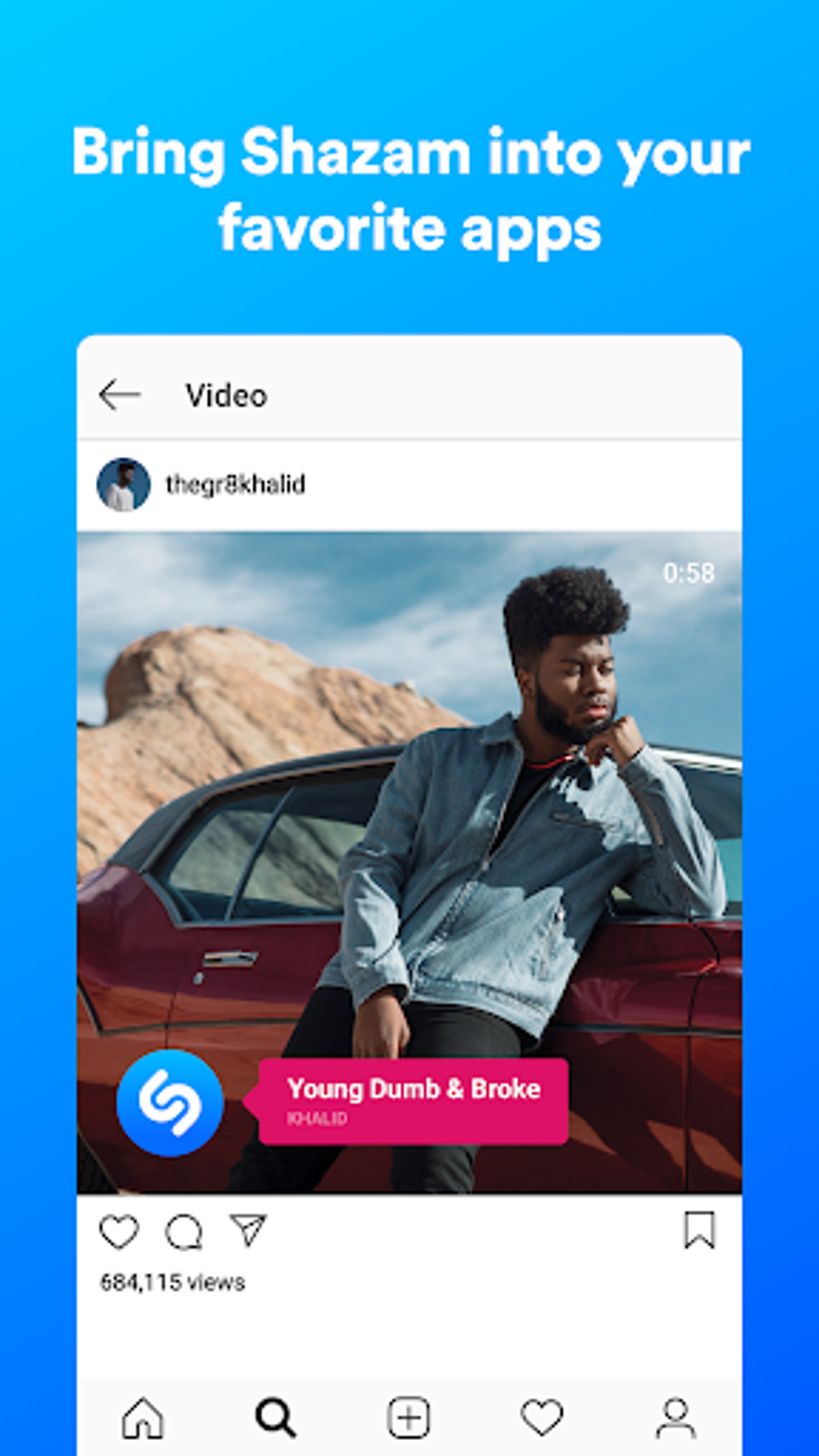
While primarily known for its core music identification capabilities, Shazam’s functionality extends beyond basic song recognition. Its integration with social media platforms allows users to share their discoveries with friends, fostering a sense of community and encouraging music discovery through social interaction. The “My Shazam Tracks” playlist, integrated with Spotify, creates a dynamic and easily accessible record of all identified songs, functioning as a personal music library generated through Shazam’s identification feature.
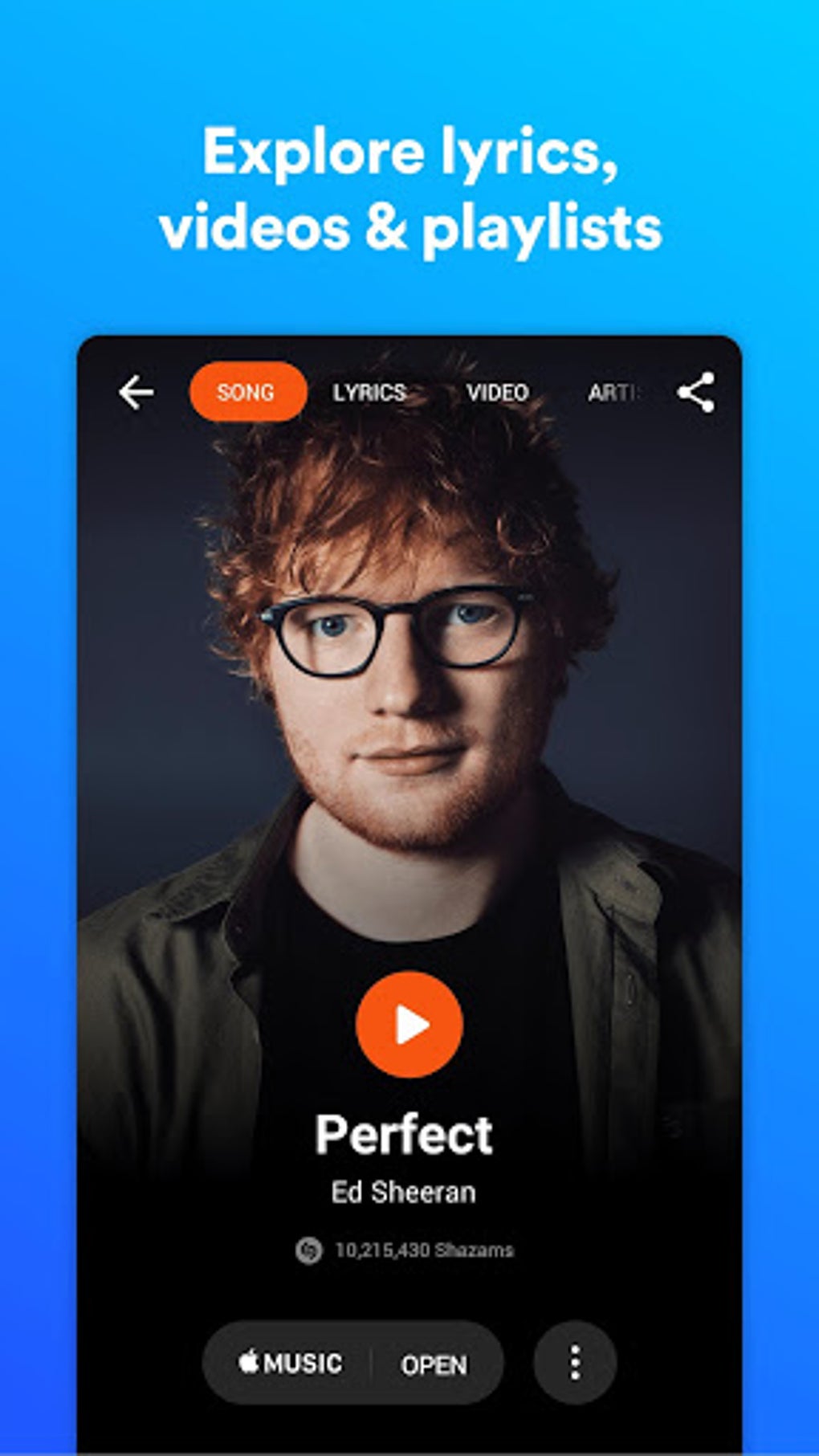
Furthermore, Shazam frequently incorporates multimedia elements into its user interface. Enhanced news feeds provide updates about artists whose music has been identified, including releases of new tracks, exclusive video content, and tour announcements. This news feed, enriched with social media activity from friends, enhances the user experience, transforming the app from a simple identification tool to a dynamic platform for music-related news and social interaction.
News & For Business: Staying Updated and Leveraging Opportunities
Shazam continuously evolves, incorporating updates and new features to enhance user experience and functionality. Regular software updates often include improvements to the app’s interface, optimized performance, and new integrations with popular platforms. The development team regularly releases news regarding these updates, ensuring users remain aware of the evolving capabilities of Shazam. This commitment to ongoing improvement underlines the app’s sustained popularity and its position as a leader in music identification technology.
From a business perspective, Shazam has demonstrated its versatility and adaptability across diverse industries. Its powerful audio recognition technology offers marketing and advertising opportunities for businesses. The app’s reach and user engagement enable targeted campaigns, offering brands new ways to connect with their audiences through music-related experiences. Shazam’s business applications continue to expand, demonstrating its adaptability in an ever-evolving technological landscape.
Android: Optimized for Seamless Mobile Experience
The Android version of Shazam offers a user-friendly interface, optimized for seamless navigation and rapid song identification. The app’s simplicity ensures accessibility for users of all technical skill levels. The intuitive design minimizes unnecessary complexity, streamlining the process of identifying songs. The app’s interface maintains a consistent design language, ensuring a unified and cohesive user experience across different Android devices and operating system versions.
Audio: Advanced Audio Fingerprint Technology
Shazam’s success hinges on its advanced audio fingerprint technology. This sophisticated algorithm compares the audio captured through a user’s phone’s microphone against an enormous online database of music. This database, encompassing millions of songs, ensures a high probability of accurate song identification. The speed and accuracy of this technology are key to Shazam’s popularity, providing near-instantaneous results and a high degree of reliability.
Shazam APK for Android: Accessing the App
The Shazam APK for Android provides a convenient method for downloading and installing the application on Android devices. The APK file contains all the necessary components of the Shazam application, allowing users to bypass the Google Play Store and install the app directly. This method is useful for users in regions with restricted access to the Google Play Store or users who prefer alternative app installation methods. The APK file is usually readily available from reputable third-party sources, though caution should be exercised to ensure downloading from secure and trustworthy sites to avoid potential security risks.
Older Versions: Accessing Previous Iterations
Shazam, like most apps, undergoes frequent updates and improvements. While the latest version typically offers the best performance and features, older versions may be necessary for specific reasons. These might include compatibility with older devices or the need for a specific feature removed in newer versions. Accessing older versions of Shazam can be done through various online resources, but it is crucial to only download from trusted sources to prevent malicious software. Users should be mindful of the potential risks involved in using older software, especially regarding security vulnerabilities.
User Reviews: A Collective Perspective
User reviews offer valuable insights into the user experience with Shazam. These reviews highlight both the strengths and weaknesses of the app, providing potential users with a balanced perspective before downloading. Positive reviews often praise the app’s speed, accuracy, and ease of use. Negative reviews may highlight limitations, such as an inability to recognize obscure or lesser-known songs. By considering both positive and negative reviews, prospective users can make an informed decision about whether Shazam aligns with their needs and expectations. The aggregation of user feedback provides a powerful tool for continuous improvement and refinement of the application.
Top Downloads: Exploring Alternative Audio Apps
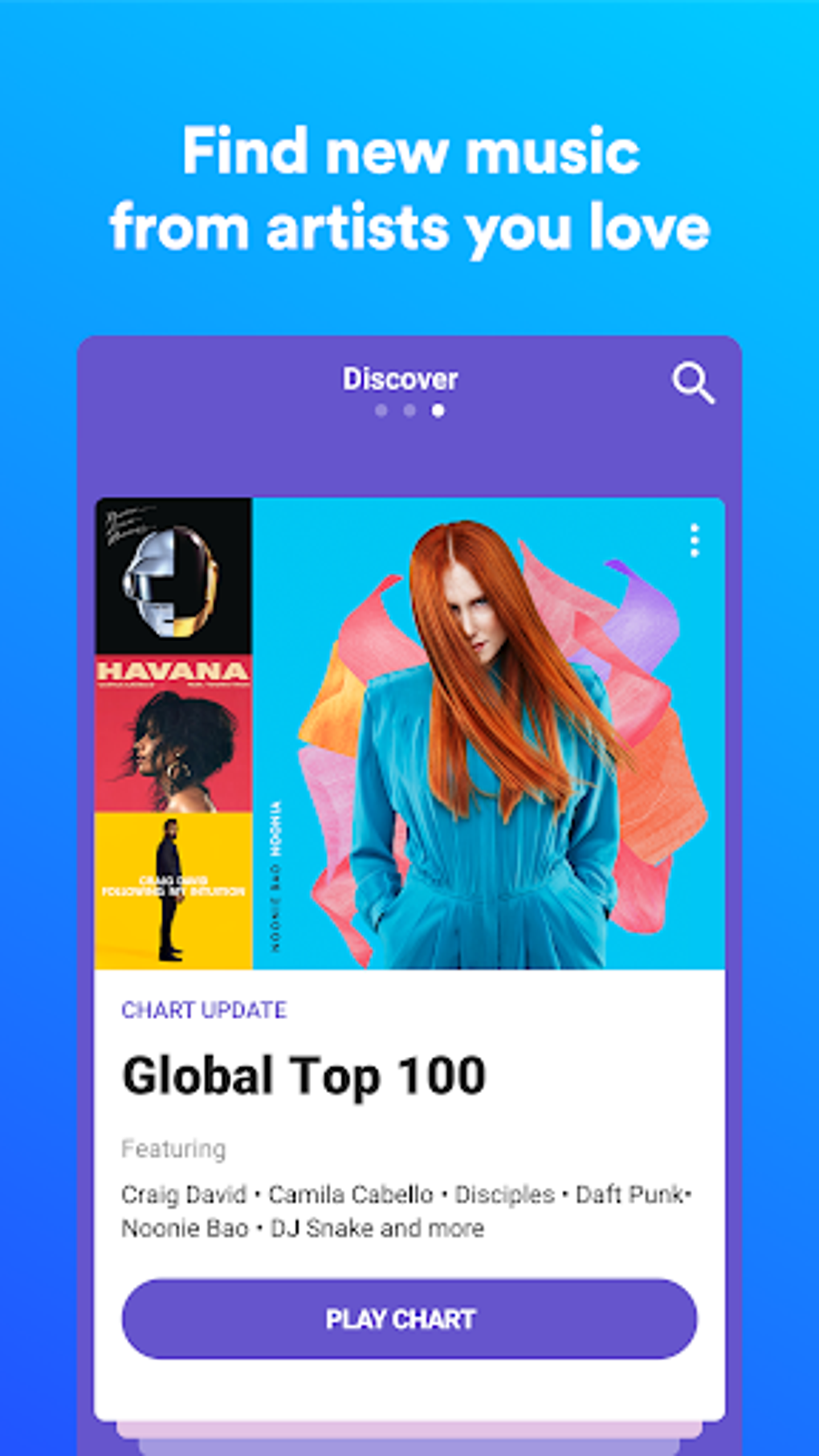
The popularity of Shazam has inspired the creation of numerous alternative audio applications. These alternative apps offer similar functionalities, often incorporating unique features and specialized capabilities. Exploring these alternative applications provides users with a broader range of choices, tailored to their specific musical preferences and needs. This competitive landscape encourages innovation and continuous improvements within the audio application market, benefitting users with a diverse array of options.
Related Topics: Expanding the Music Discovery Ecosystem
Shazam’s functionality intersects with various related topics within the broader digital music ecosystem. These include online music platforms, QR code scanners, music streaming services, and music discovery tools. Exploring these related topics provides a deeper understanding of the context in which Shazam operates and its place within the larger landscape of digital music consumption. The interconnectivity of these technologies enhances the user experience, streamlining music discovery and providing a more comprehensive digital music experience. The exploration of these related topics illuminates the synergy and interconnectedness of the evolving digital music ecosystem.
File Information
- License: “Free”
- Latest update: “August 9, 2025”
- Platform: “Android”
- OS: “Android 15.0”
- Language: “English”
- Downloads: “767.8K”
- Download Options: “Google Play”


