
SHEIN, a name synonymous with affordable fashion, has rapidly risen to become a global powerhouse in the online retail landscape. Its meteoric success, however, is intertwined with a complex web of business practices, ethical considerations, and consumer perceptions that demand a closer examination. This article delves into the various facets of SHEIN, exploring its business model, its impact on the fashion industry, its environmental and social footprint, and the overall shopping experience it provides to millions of customers worldwide.
SHEIN’s Business Model: Speed, Scale, and Affordability
SHEIN’s core strength lies in its incredibly efficient and agile business model, built upon the pillars of speed, scale, and affordability. Unlike traditional fashion retailers who rely on forecasting trends months in advance and producing large inventory quantities, SHEIN leverages a highly responsive supply chain. This allows them to quickly adapt to changing trends and consumer demands, producing smaller batches of clothing in rapid succession. This “fast fashion” approach minimizes risk associated with unsold inventory and allows them to offer a constantly evolving array of styles at incredibly low prices.
This rapid production cycle is facilitated by a vast network of factories, primarily located in China, that operate on a relatively low-cost basis. SHEIN’s reliance on these suppliers allows them to maintain incredibly competitive pricing, making its products significantly cheaper than those offered by many traditional retailers. This affordability is a significant draw for budget-conscious consumers, particularly younger demographics, making SHEIN a dominant player in the online fashion market.
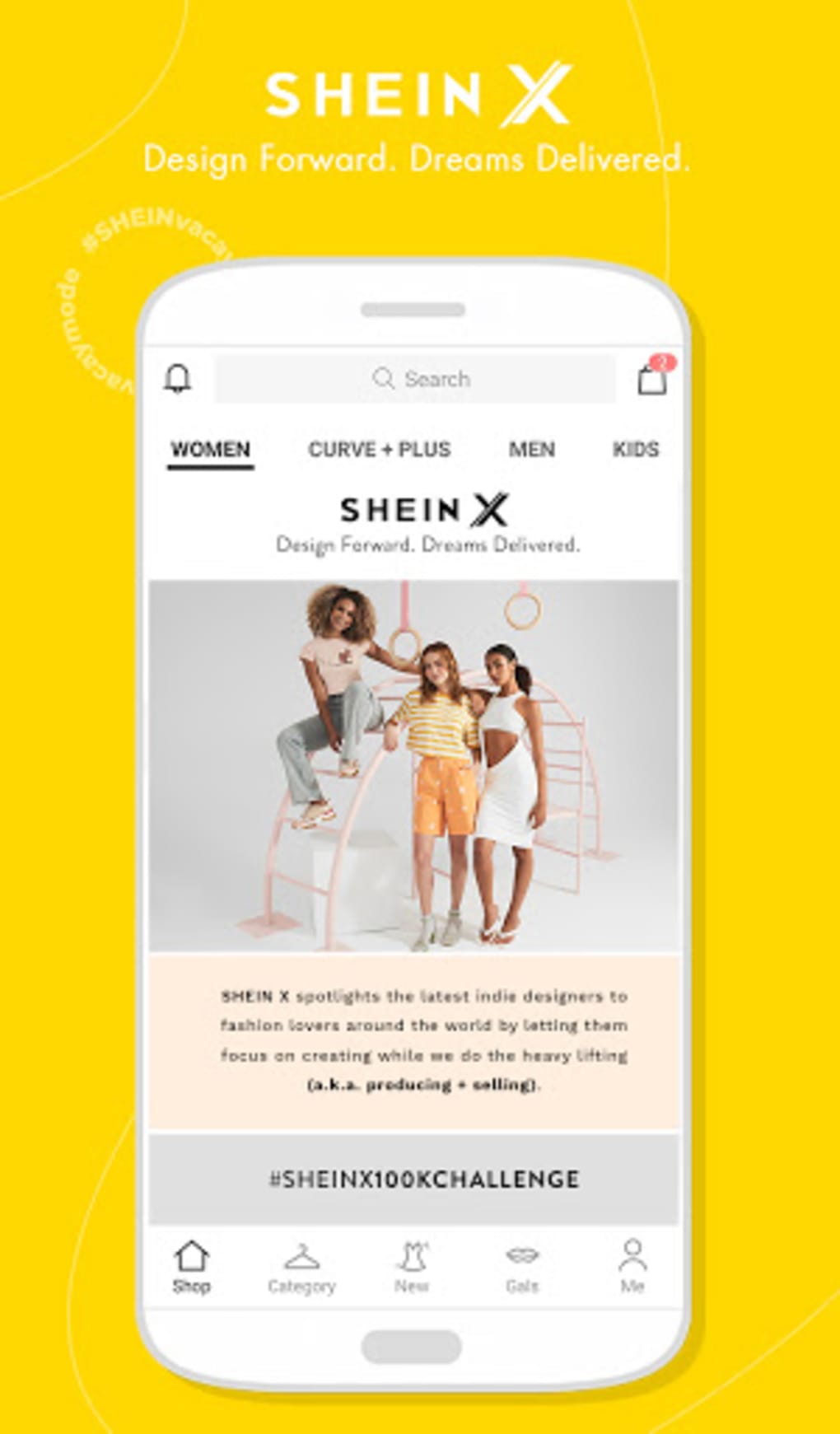
The technology utilized by SHEIN plays a crucial role in its efficiency. Sophisticated algorithms and data analytics are employed to forecast demand, optimize production, and manage its vast supply chain. This level of technological integration allows SHEIN to streamline processes, reduce waste, and respond quickly to market fluctuations. The company’s mobile app, a crucial element of its business model, further enhances accessibility and shopping convenience for millions of users globally.
However, this reliance on a highly efficient, cost-effective, and fast-paced supply chain raises significant ethical and environmental concerns.
Ethical Considerations: Labor Practices and Sustainability
The low prices SHEIN offers often come at a cost. Numerous reports and investigations have raised serious concerns about the labor practices within its supply chain. These reports allege issues such as excessively long working hours, low wages, poor working conditions, and inadequate worker protections. The sheer scale of SHEIN’s operations makes thorough monitoring and enforcement of ethical labor standards a significant challenge.
The company has responded to these criticisms with pledges to improve its practices and enhance transparency within its supply chain. However, credible independent verification of these improvements remains a crucial need. The lack of transparency and independent auditing makes it difficult to fully assess the true impact of SHEIN’s operations on the lives of the workers involved in producing its clothing.
Beyond labor practices, SHEIN’s fast fashion model also contributes to significant environmental concerns. The rapid production and consumption cycle generates massive amounts of textile waste, placing an immense strain on the planet’s resources. The use of synthetic fabrics in much of SHEIN’s clothing further exacerbates this environmental impact, contributing to pollution and the buildup of non-biodegradable materials in landfills. The lack of sustainable practices within SHEIN’s supply chain remains a substantial area of criticism.
The SHEIN Shopping Experience: App, Website, and Customer Service
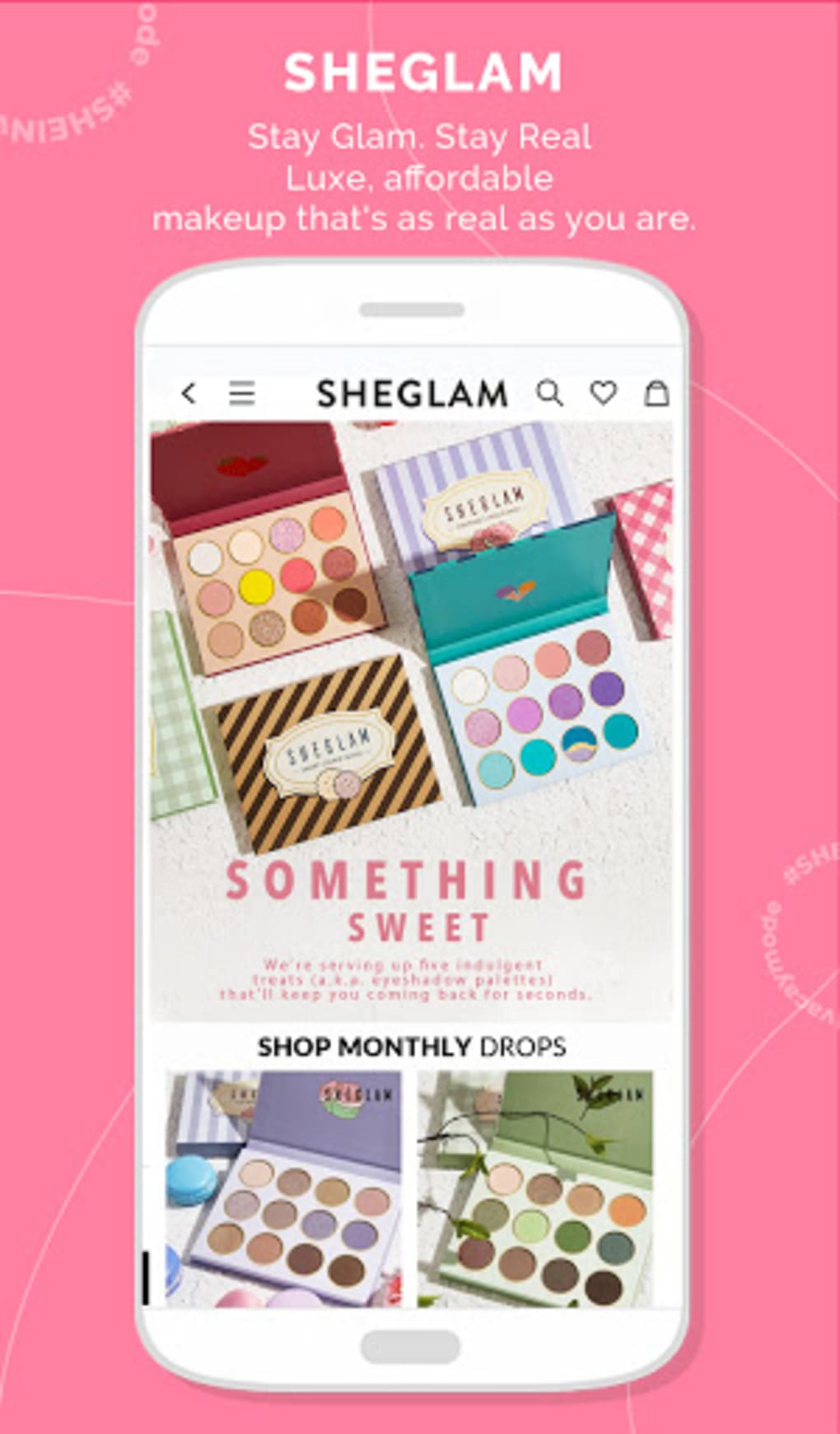
SHEIN’s online presence is characterized by a user-friendly mobile app and website, both offering a vast array of clothing, accessories, and home goods. The app, in particular, is designed to encourage browsing and impulse purchases, with features such as daily deals, flash sales, and personalized recommendations. The sheer volume of products available can be overwhelming, but the app’s search and filtering functionalities help users navigate this extensive catalogue.
The ordering process is generally straightforward, and multiple payment methods are available, including credit cards and PayPal. However, shipping times can vary significantly depending on location, and returns can be a more complicated process. Customer service is available via live chat, although the quality of support can sometimes be inconsistent.
While many consumers praise SHEIN’s low prices and wide selection, some express frustration with issues such as inconsistent quality, sizing discrepancies, and occasional delays in shipping. The overall SHEIN shopping experience is a mixed bag, reflecting the complexities of a business model that prioritizes speed, scale, and affordability above all else.
SHEIN’s Impact on the Fashion Industry and its Future
SHEIN’s impact on the fashion industry is undeniable. Its disruptive business model has forced many established retailers to re-evaluate their strategies and embrace faster production cycles and more agile supply chains. The company’s immense success has also pushed the conversation surrounding ethical sourcing, sustainable practices, and fair labor standards to the forefront of the industry.
The future of SHEIN, however, remains uncertain. While its current business model has been highly successful, the company faces significant challenges relating to ethical and environmental concerns. Increasing pressure from consumers, regulators, and activist groups is pushing SHEIN to address these issues. The company’s ability to successfully navigate these challenges and demonstrate a commitment to more sustainable and ethical practices will be crucial to its long-term viability and reputation.
The long-term sustainability of the fast fashion model itself is also a critical question. The environmental costs of rapid production and consumption are increasingly unsustainable, and a shift towards more responsible and sustainable practices within the fashion industry is inevitable. SHEIN’s ability to adapt to this evolving landscape and embrace a more environmentally and socially responsible approach will determine its success in the years to come.
In conclusion, SHEIN represents a complex case study in the modern fashion industry. Its success is undeniable, built upon a disruptive business model that prioritizes speed, scale, and affordability. However, this model raises significant ethical and environmental concerns that the company must address to ensure its long-term sustainability. The future of SHEIN and the broader fast fashion industry depends on a fundamental shift towards more ethical, sustainable, and transparent practices. Whether SHEIN can successfully navigate this transition remains to be seen.
File Information
- License: “Free”
- Latest update: “August 7, 2025”
- Platform: “Android”
- OS: “Android 15.0”
- Language: “English”
- Downloads: “72.4K”
- Download Options: “Google Play”


