
Shrink O’Matic, a free graphic design and photography program, once held a niche in the Windows software landscape. Released in 2012, this lightweight application offered a simple yet effective solution for optimizing image file sizes without significant quality loss. While no longer actively developed or readily available through its original distribution channels, its legacy provides a glimpse into the evolution of image optimization tools and the demands of early 2010s internet users. This article explores the features, user reception, and the broader context surrounding Shrink O’Matic.
Functionality and Features
Shrink O’Matic presented itself as a user-friendly solution for reducing image file sizes. Its core function was to compress images, minimizing their file size without drastically impacting visual quality. This was particularly beneficial for users dealing with large image files, a common concern in the pre-ubiquitous high-speed internet era. The program excelled in its simplicity. Its interface was likely straightforward, designed for ease of use, catering to both novice and experienced users. The lack of extensive feature sets focused on its primary task, allowing for quick and efficient image optimization.
While specific details on its algorithm are limited, it’s plausible that Shrink O’Matic employed lossy compression techniques. Lossy compression methods, unlike lossless ones, discard some image data during the compression process to achieve higher compression ratios. This trade-off between file size and image quality was a key consideration for users needing to balance download speeds and visual fidelity. Many user reviews highlighted its effectiveness in reducing file sizes without noticeably compromising image clarity, suggesting a well-tuned compression algorithm suited to the typical image types used at the time.
User Reception and Reviews
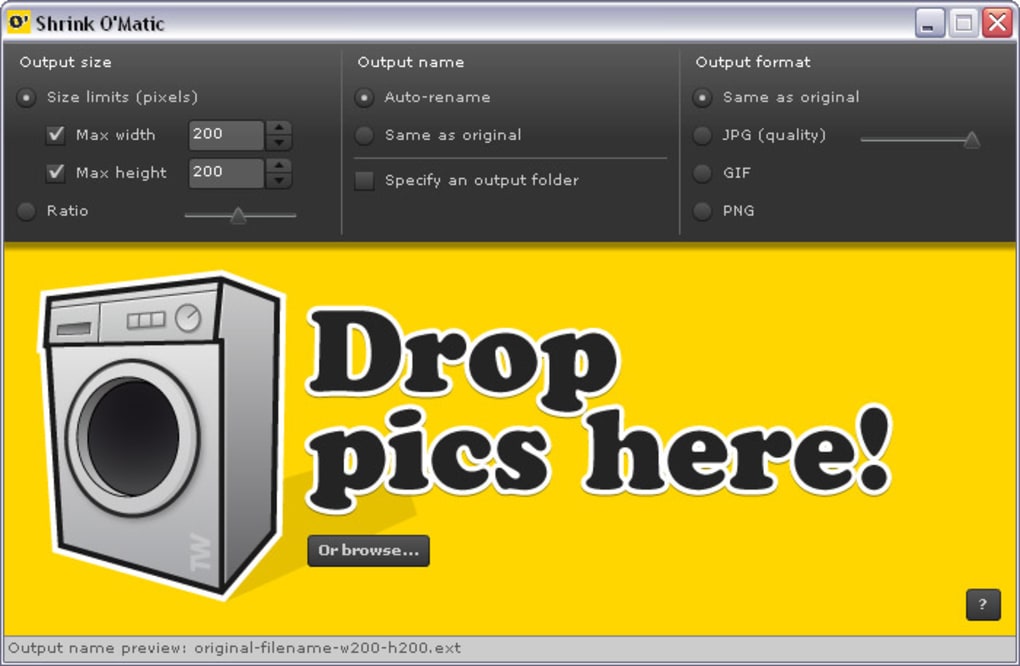
User reviews from 2013, 2015, and 2018 paint a picture of a well-regarded utility. Users consistently praised its ease of use and the effectiveness of its compression. The mention of a “batch file mode” suggests the software could process multiple images simultaneously, a feature that significantly boosted productivity for users dealing with large numbers of images. The overwhelmingly positive feedback emphasizes its seamless integration into workflows, making it a valuable tool for web designers and other professionals needing to optimize image files for online use.
One user, a web designer, specifically highlighted its role in streamlining their workflow, underscoring its practical application in professional contexts. Another user’s comment about using the program “for 3 years” points towards both its longevity and its reliability. The consistent praise across several years suggests that Shrink O’Matic effectively met the needs of its users and provided a reliable service over its operational lifetime.
Technical Specifications and Availability
Shrink O’Matic was a Windows-exclusive application, supporting Windows 2000 and earlier versions. This compatibility range is noteworthy, reflecting its release date prior to the widespread adoption of newer Windows operating systems. Its small file size (around 481 KB) further emphasized its lightweight nature, minimizing its impact on system resources. The application was offered as freeware, removing cost barriers and increasing its accessibility. The language support was limited to English, potentially restricting its appeal to a global audience.
The program’s version history is limited to the known version 0.2.6, released in June 2012. The lack of subsequent updates suggests that development ceased shortly after its initial release. The absence of active development, combined with the limited OS compatibility, likely contributed to its eventual disappearance from the mainstream software landscape.
Contextualizing Shrink O’Matic within the Broader Software Ecosystem
Shrink O’Matic operated in a software landscape characterized by both limited high-speed internet access and growing needs for online image sharing and distribution. In this context, image optimization was crucial. Large image files resulted in longer load times, frustrating users with slower connections. Shrink O’Matic aimed to alleviate this issue by enabling users to reduce file sizes without sacrificing significant visual quality.
Compared to modern image optimization tools, Shrink O’Matic likely lacked the sophisticated algorithms and features available today. Contemporary tools offer more advanced compression techniques, support for a wider array of image formats, and often incorporate AI-powered enhancement features. However, Shrink O’Matic’s simplicity and efficiency for its time were valuable, reflecting the software development landscape and user expectations of that era.
The Decline and Legacy of Shrink O’Matic
The reasons for Shrink O’Matic’s eventual obsolescence are multifold. The cessation of development, coupled with its limited platform compatibility and lack of ongoing maintenance, contributed to its gradual disappearance. The rise of high-speed internet and cloud storage minimized the pressing need for aggressive image compression for many users. Furthermore, the emergence of advanced image optimization algorithms and tools integrated into other software (such as photo editing programs) made stand-alone programs like Shrink O’Matic less essential.
Despite its absence from the current software ecosystem, Shrink O’Matic serves as a valuable reminder of the historical challenges and solutions in image optimization. Its focus on simplicity and efficiency, while limited in scope compared to modern tools, reflects the specific needs and technological constraints of its time. The positive user feedback further demonstrates its effectiveness in meeting those needs and its positive impact on user workflow during its period of active use. While no longer available, its legacy highlights the continuous evolution of software and the changing demands of users within the ever-evolving digital environment.
File Information
- License: “Free”
- Version: “0.2.6”
- Latest update: “June 16, 2012”
- Platform: “Windows”
- OS: “Windows 2000”
- Language: “English”
- Downloads: “12.1K”
- Size: “481.81 KB”


