
Shroom and Gloom, an indie game developed by TeamLazerBeam, plunges players into a captivating blend of dungeon-crawling and deck-building mechanics. This free-to-play title transports you to the bizarre and perilous Underealm, a land teeming with hallucinogenic fungi and monstrous inhabitants. The game shares some similarities with the popular card game Slay the Spire, requiring strategic deck construction and resource management to overcome challenging encounters. While the core gameplay loop is relatively straightforward to grasp, Shroom and Gloom boasts a significant difficulty curve, ensuring a consistently engaging and frustrating experience that will test your patience and strategic prowess.
Exploring the Underealm: Gameplay Mechanics and Challenges
The heart of Shroom and Gloom lies in its unique fusion of deck-building and exploration. Players embark on a perilous journey through the Underealm, aiming to reach the enigmatic Void King. This journey is fraught with danger, however, as the path is blocked by a colorful cast of bizarre creatures, from the terrifying Terrys to the surprisingly melodic Bardshrooms and the utterly baffling Pizza Blobs. Each encounter demands careful consideration of your deck composition and tactical acumen.
Your initial deck is relatively weak, offering limited options for combat. However, as you progress through the Underealm, you’ll accumulate more powerful cards, enhancing your combat capabilities. This progression isn’t merely about acquiring more potent cards; it’s about strategically constructing a deck that synergizes effectively. The challenge lies in combining different card types to create devastating combos and efficiently manage resources. A crucial aspect to understand is the “one-and-done” nature of card usage. Once a card is played, it’s removed from your hand, requiring careful resource management and thoughtful card selection for optimal results. This adds a layer of strategic depth, forcing players to think several steps ahead and carefully consider the consequences of each action.
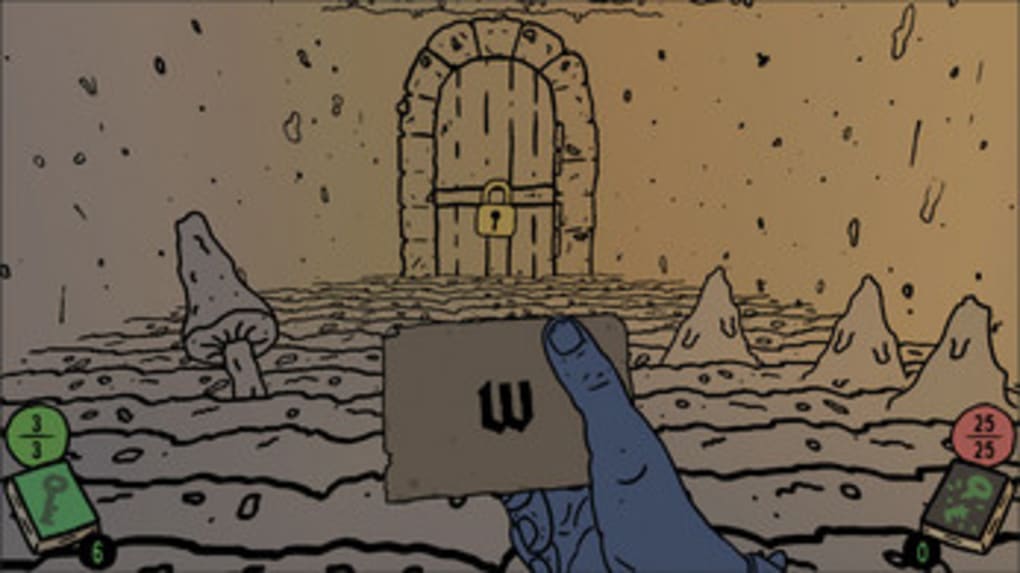
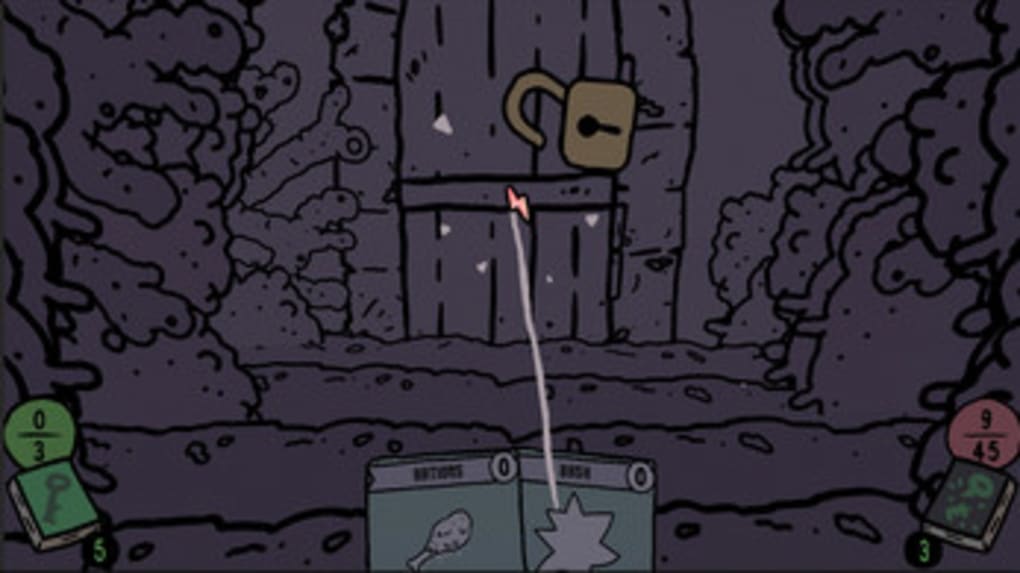
Beyond combat, deck-building extends to the exploration aspects of the game. Players manage a second deck specifically designed for navigating the Underealm. This deck governs how you interact with the environment, enabling you to unlock doors, discover hidden paths, and locate essential items. The choice of cards in this deck significantly impacts your progress, presenting a compelling decision-making process that shapes the flow of the game. Do you prioritize brute force to break down obstacles, or meticulously search for keys? The game rewards strategic adaptability, forcing players to reconsider their approach based on the ever-changing landscape and the resources available.
Aesthetics and Art Style: Hand-Drawn Mayhem
Shroom and Gloom boasts a distinct visual identity with its hand-drawn maps and enemy designs. This artistic style contributes significantly to the game’s quirky and immersive atmosphere. The unique character designs, ranging from the grotesque to the surprisingly charming, inject personality into the otherwise bleak environment. The hand-drawn aesthetic gives the game a distinctive charm, setting it apart from many other digital card games with their often more polished, but less memorable, graphics. This unique art style contributes significantly to the game’s overall appeal, making it visually distinctive and memorable.
The Difficulty Curve: A Love-Hate Relationship
While the core mechanics of Shroom and Gloom are relatively intuitive, the game’s difficulty is a double-edged sword. It’s undeniably challenging, presenting a steep learning curve that may frustrate casual players. The unforgiving nature of the game, with its permanent card loss and the significant investment required to gain maximal health points, necessitates a deep understanding of the game’s mechanics and a willingness to adapt to changing circumstances. Frequent deaths are almost inevitable, particularly in the early stages of the game. This high difficulty level isn’t just about the strength of the enemies, but also the strategic depth required to master resource management and deck construction. Players will need to refine their strategies through repeated attempts, learning from each setback and adapting their approaches accordingly.
Strengths and Weaknesses: A Balanced Perspective
Pros:
- Easy-to-learn mechanics: The fundamental gameplay is surprisingly accessible, allowing players to quickly grasp the core concepts of deck-building and combat.
- Blending card and exploration gameplay: The combination of card battles and strategic exploration offers a refreshing take on the typical card game formula. The necessity of managing two distinct decks adds another layer of complexity and engagement, making each playthrough feel unique.
- Unique hand-drawn aesthetic: The game’s artistic style is distinctive and contributes heavily to its atmosphere. The hand-drawn character and map designs contribute to the game’s quirky and memorable personality.
- High replayability: The randomized nature of the Underealm and the deck-building mechanics encourage repeated playthroughs. Each run offers a unique challenge and opportunities for strategic experimentation, ensuring that no two runs are exactly alike.
Cons:
- High difficulty level: The relentless challenge can be off-putting to players accustomed to easier card games. The “permadeath” mechanic, coupled with the permanent loss of used cards, can be incredibly frustrating for those unprepared for this level of difficulty.
- Irretrievable cards: The inability to reclaim cards after they’ve been used adds a layer of permanence to the game’s strategic choices, which can be punishing for those who make mistakes. While it adds to the challenge, it can also lead to feelings of unfairness if a crucial card is lost due to a miscalculation.
- Underwhelming utility of certain cards: Some cards may feel significantly less useful than others, potentially hindering strategic options and leading to frustration. The inherent imbalance among cards adds another element of randomness to an already difficult game.
- Lengthy HP progression: The slow rate at which maximum health points increase can make early game progress seem tedious. The slow accumulation of HP makes the game’s initial stages more challenging than they may need to be.
Conclusion: A Challenging but Rewarding Experience
Shroom and Gloom offers a compelling and unique experience for those seeking a challenging and rewarding card-based dungeon crawler. While its high difficulty and permanent card loss might deter casual players, the game’s engaging blend of strategic deck-building, exploration, and a distinctive visual style makes it a captivating title for those willing to embrace the frustration and reap the rewards of overcoming its formidable challenges. Despite its flaws, the game’s memorable atmosphere and unique mechanics create an experience that’s both rewarding and unforgettable, and it’s highly recommended for players looking for something outside the typical card game mold. The commitment required to master Shroom and Gloom will be substantial, but the satisfaction of conquering the Underealm and defeating the Void King is a truly rewarding experience.
File Information
- License: “Free”
- Version: “1.0”
- Latest update: “December 29, 2021”
- Platform: “Windows”
- OS: “Windows 7”
- Language: “English”
- Downloads: “1.2K”
- Size: “65.72 MB”


