
Sid Meier’s Civilization II, originally released in 1996 by MicroProse, stands as a cornerstone in the turn-based strategy genre. This free re-release brings the classic experience to modern audiences, though with the caveat of noticeably dated graphics. Despite its age, the game retains a captivating charm and strategic depth that continues to resonate with players, showcasing the enduring legacy of the Civilization franchise. This exploration delves into the gameplay, historical significance, and enduring appeal of Civilization II.
Gameplay: Building Empires Across the Ages
Civilization II plunges players into the role of a historical leader, tasked with guiding their chosen civilization from its primitive beginnings through millennia of progress and conflict. Players begin with a small settlement and must navigate the complexities of city management, technological advancement, and military conquest. The core gameplay loop involves a meticulous balance of these elements, demanding strategic thinking and adaptation to changing circumstances.
The game’s turn-based structure allows for careful consideration of each decision. Players manage resources, construct buildings, research technologies, and expand their territory, all while interacting with other AI-controlled civilizations. Technological advancements unlock new units, buildings, and strategic options, driving the civilization’s growth and shaping its trajectory. Each era, from the Ancient World to the Modern Age, presents unique challenges and opportunities, demanding players adapt their strategies to the evolving landscape.
The strategic depth of Civilization II is impressive, even by modern standards. City planning is paramount, as players must balance production, happiness, and defense in their urban centers. Strategic resource management is crucial to fueling technological advancement and military expansion. Diplomacy plays a significant role, with the ability to forge alliances, wage wars, or engage in trade with other civilizations.
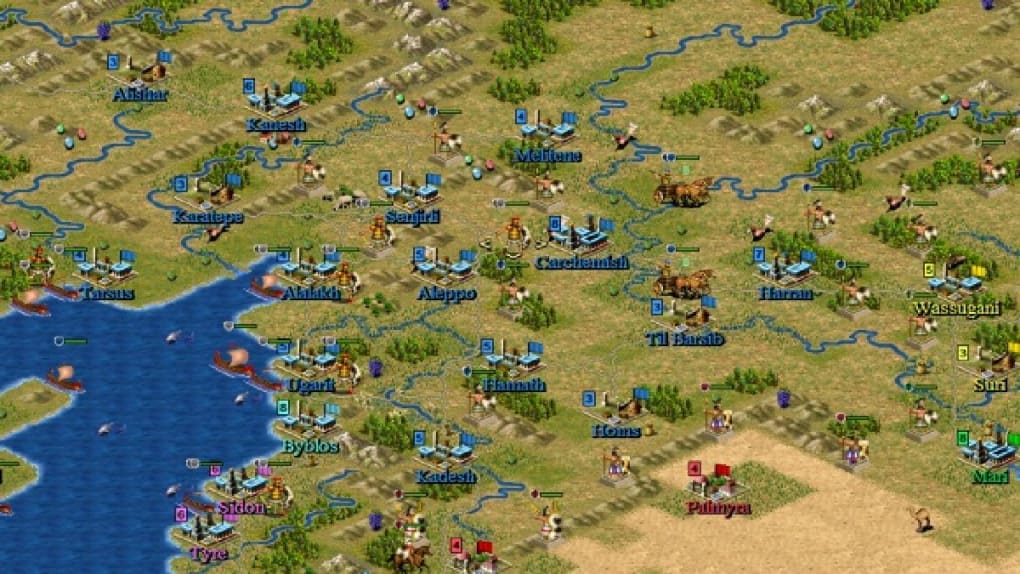
The construction of Wonders, unique and powerful buildings with significant bonuses, adds another layer of strategic depth. These coveted structures offer significant advantages, but require significant resources and time to build, demanding careful prioritization. Players must carefully balance their economic and military needs with their ambitions for constructing these iconic Wonders.
Unlike later installments in the series, Civilization II presents a relatively straightforward victory condition. Players can achieve victory through either military dominance, conquering all opposing civilizations, or through technological supremacy, achieving the first successful launch of a spaceship to Alpha Centauri. The game’s ending is predetermined, concluding in the year 2020, after which a final scoring system determines the overall winner based on a range of factors, including military power, technological advancement, and cultural influence.
The game’s simplicity in victory conditions, compared to its successors, is both a strength and a limitation. While it provides a clear and concise goal, it lacks the multiple paths to victory found in later Civilization games, potentially limiting replayability for some players. However, this focused approach allowed for a deep exploration of the core mechanics, resulting in a highly rewarding and engaging experience.
The Impact of Civilization II: Shaping the Franchise’s Legacy
Civilization II built upon the foundations laid by its predecessor, introducing several key elements that significantly shaped the future iterations of the series. The game’s refined mechanics, strategic depth, and improved AI solidified its position as a defining moment in the Civilization franchise. It presented a more refined experience, improving on the original’s limitations, and setting a strong foundation for future installments.
The game’s impact is evident in its incorporation of various mechanics that have become staples in subsequent titles. The sophisticated AI, for example, presented a formidable challenge, pushing players to develop comprehensive and adaptable strategies. The introduction of a wider array of civilizations, each possessing unique characteristics and strengths, added a layer of depth and replayability, encouraging players to experiment with different playstyles. The focus on technological progression remained central, driving the overall advancement and development of the civilizations, demanding strategic choices regarding research priorities.
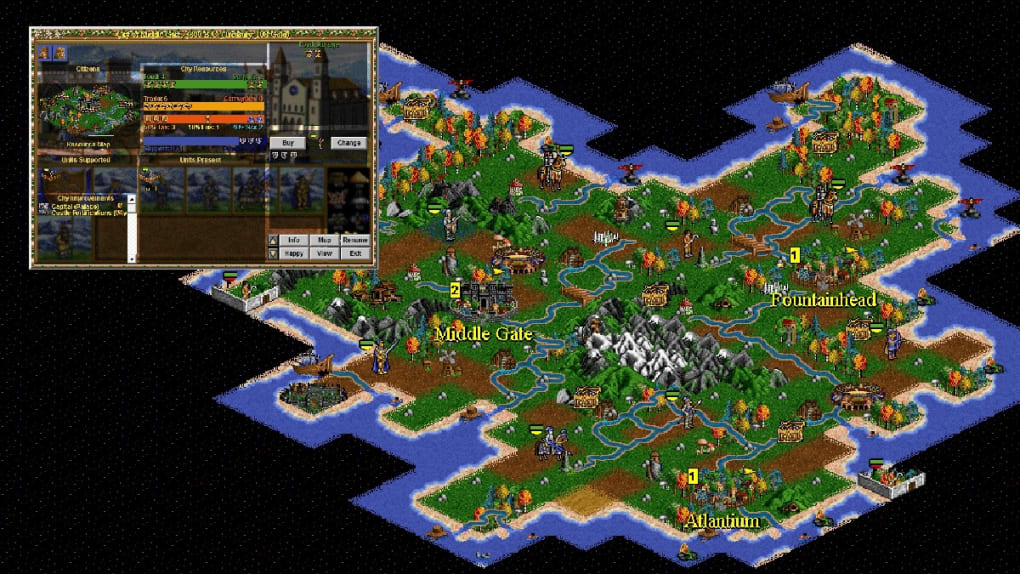
Furthermore, Civilization II marked a significant step forward in terms of user interface and accessibility. Though the interface may seem outdated by today’s standards, it represented a marked improvement over its predecessor, enhancing player control and interaction with the game. This increased ease of management improved the pace of gameplay and overall experience, attracting a larger audience to the complex yet rewarding nature of the series.
The game’s significant impact on the development of the Civilization franchise is undeniable, shaping and setting the standard for future games within the series. While subsequent versions enhanced its graphics, mechanics, and overall scope, Civilization II cemented many of the core features and design principles that have defined the series’ enduring success.
Technical Aspects and Modern Reception
While Civilization II remains a strategically rich game, its technical aspects haven’t aged gracefully. The graphics, by today’s standards, are undeniably dated, representing a significant departure from the visually advanced experiences found in newer iterations. This is a key point of consideration for modern players accustomed to highly detailed and immersive environments.
However, the game’s limitations in visual presentation are compensated by its timeless soundtrack and overall engaging gameplay. The soundtrack, a cornerstone of the Civilization series, effectively sets the atmosphere and enhances the overall experience, adding to the game’s immersive quality. The gameplay, the heart of the game, remains strategically deep and challenging, offering a rewarding experience for those willing to overcome the initial learning curve.
The game’s open support for modding is a significant asset. The extensive modding community has created a wealth of user-generated content, expanding the gameplay experience with new civilizations, scenarios, and modifications to the core mechanics. This allows for remarkable longevity and replayability, ensuring a fresh experience even for long-time players. The ability to personalize the experience through modding keeps the game relevant and engaging, increasing its overall appeal to a wider range of players.
Strengths and Weaknesses in Perspective
Civilization II’s strengths lie primarily in its foundational impact on the series and the enduring strategic depth of its core gameplay loop. It introduced key concepts that still define the Civilization franchise, laying the groundwork for the later, more visually impressive and mechanically complex titles. The timeless soundtrack and engaging gameplay loop are also commendable elements, contributing to the overall appeal of the game.
However, the significant weakness of the game lies in its dated graphics and the somewhat steeper learning curve compared to more modern strategy games. The lack of multiple victory conditions, as found in later games, could also be seen as a limitation for players seeking greater variety in their gameplay objectives.
Despite these limitations, Civilization II remains a historically significant game and a rewarding experience for those willing to overlook its visual shortcomings and embrace the challenge of its complex strategy. It remains a testament to the enduring appeal of well-designed gameplay mechanics and the timeless appeal of crafting and managing empires through the ages. For nostalgic players, or those curious about the roots of the Civilization franchise, Civilization II provides an invaluable glimpse into the history and evolution of this legendary series.
In conclusion, Sid Meier’s Civilization II, while showing its age visually, retains its place as a significant and influential title in the history of video games. Its strategic depth, engaging gameplay, and lasting impact on the Civilization franchise make it a worthwhile experience for anyone interested in turn-based strategy games and the historical evolution of video game design. The enduring legacy of Civilization II underscores its profound influence on the landscape of modern strategy gaming, solidifying its position as a true classic.
File Information
- License: “Free”
- Version: “varies-with-device”
- Latest update: “September 20, 2023”
- Platform: “Windows”
- OS: “Windows 10”
- Language: “English”
- Downloads: “4K”


