
In an era increasingly defined by digital connectivity, the quest for seamless, high-fidelity communication tools has been a constant driver of innovation. Among the pioneers that emerged to meet this demand, particularly in the realm of video-enabled voice over IP (VOIP), was Sightspeed. Launched at a time when internet speeds were growing and the desire for more personal online interactions was burgeoning, Sightspeed carved a niche for itself by prioritizing a high-quality video experience, setting a benchmark for what users could expect from their digital conversations.
Developed by the company of the same name, Sightspeed offered a compelling solution for both personal and professional communication needs. As a multiplatform program available for both Windows and Mac, it demonstrated an early understanding of the diverse computing landscape users navigated. Its core strength lay in its ability to deliver superior video quality, a feature that, in the mid-2000s, was not yet a ubiquitous standard in internet telephony. This focus positioned Sightspeed as more than just another internet phone application; it was a tool designed to bring people closer, visually and audibly, across digital divides.
Initially released as a trial version, Sightspeed quickly garnered attention, particularly in regions like Indonesia, Egypt, and the United States, where its utility resonated with a growing user base seeking reliable and engaging communication alternatives. With its relatively compact footprint – requiring less storage space than many contemporary communication software titles – Sightspeed optimized performance without burdening system resources. Its journey, beginning in 2006 with version 5.0, marked a significant step in the evolution of real-time online interaction, laying groundwork for the rich multimedia communication experiences we often take for granted today.
Social & Communication: Redefining Digital Interaction
The digital age has fundamentally reshaped how we connect, evolving from simple text messages to rich, interactive multimedia experiences. At the heart of this evolution lies the category of Social & Communication software, a vast and dynamic landscape that Sightspeed significantly contributed to, particularly within its specialized sub-domain of internet phone services.
Chat & Instant Messaging: Beyond Text
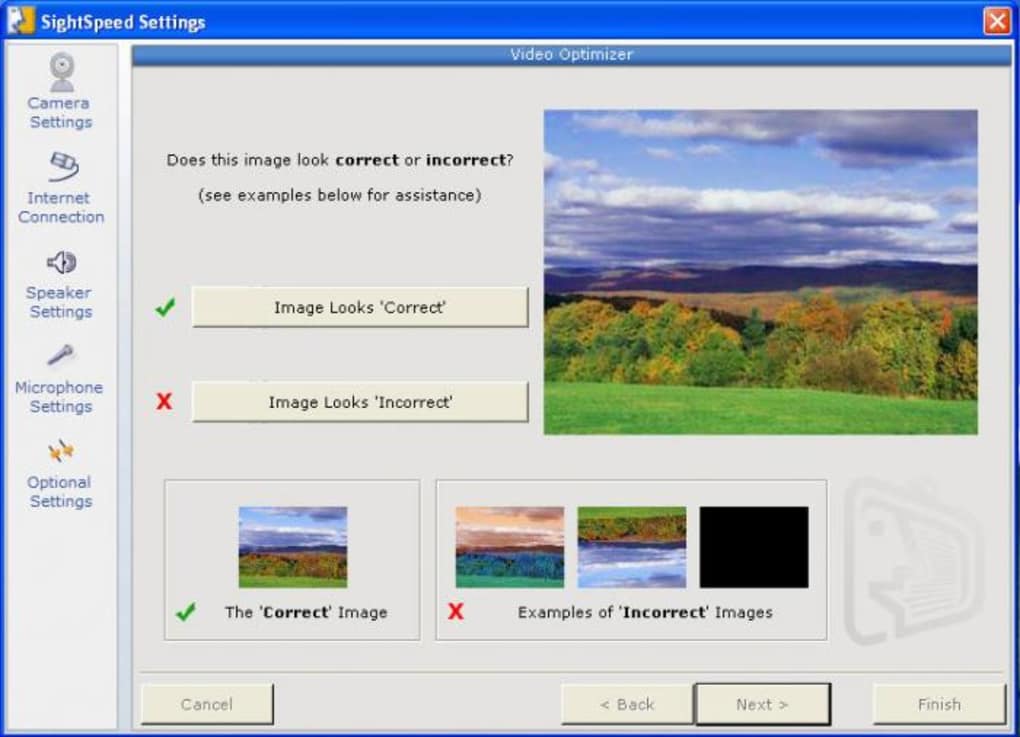
Before the proliferation of feature-rich messaging apps, instant messaging was primarily text-based. However, the ambition to integrate voice and video into these real-time conversations was always present. Sightspeed emerged as a powerful contender in this space, offering capabilities that went far beyond mere text exchange. While traditional instant messengers focused on quick written exchanges, Sightspeed understood the deeper human need for vocal nuances and visual cues in communication. It provided a platform where users could not only chat but also engage in voice calls and, most notably, high-quality video calls. This blend of functionalities made it an early precursor to the integrated communication suites we see today, bridging the gap between simple text chat and immersive telepresence.
Its design philosophy seemed to anticipate the demand for more expressive and personal digital interactions. Unlike many competitors that struggled with choppy video or delayed audio, Sightspeed consistently aimed for a smooth and clear experience. This commitment to quality was crucial for fostering genuine connections, allowing users to pick up on facial expressions and body language, which are vital components of effective communication that text alone cannot convey. For many, Sightspeed offered a compelling alternative to traditional phone calls, adding a visual dimension that was both novel and highly desirable.
Video Calling & Conferencing: A Visual Leap Forward
The true innovation of Sightspeed lay in its commitment to high-quality video calling. In 2006, when bandwidth was still a limiting factor for many internet users, delivering a stable and clear video feed was a significant technical challenge. Sightspeed’s success in this area was a testament to its optimized codecs and network protocols. The “high quality video experience” wasn’t just a marketing slogan; it was a core feature that distinguished it from many other VOIP solutions of its time, which often prioritized mere connectivity over visual fidelity.
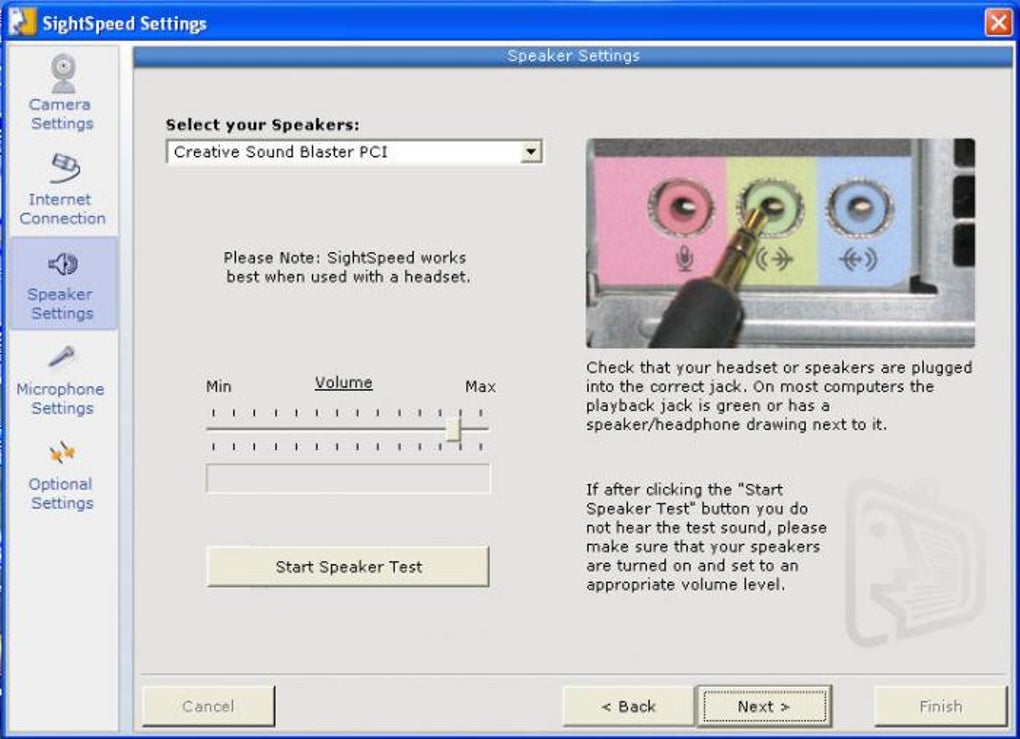
This dedication to video quality positioned Sightspeed as an effective tool for both personal connections and burgeoning business applications. Families separated by distance could see each other’s smiles and reactions, making conversations feel more intimate. For professionals, it offered a glimpse into the future of remote collaboration, providing a more engaging alternative to audio-only conference calls. While dedicated video conferencing systems existed, they were often expensive and complex. Sightspeed offered an accessible, software-based solution that brought advanced video communication to the desktop of the average user.
The platform’s emphasis on video helped to normalize the concept of seeing the person you’re talking to online, paving the way for the video-centric communication landscape we inhabit today, where applications like Zoom, Microsoft Teams, and even the video capabilities within WhatsApp are indispensable. Sightspeed, in its time, was a notable trailblazer, pushing the boundaries of what internet-based communication could achieve visually.
Internet & Network: Harnessing the Digital Backbone
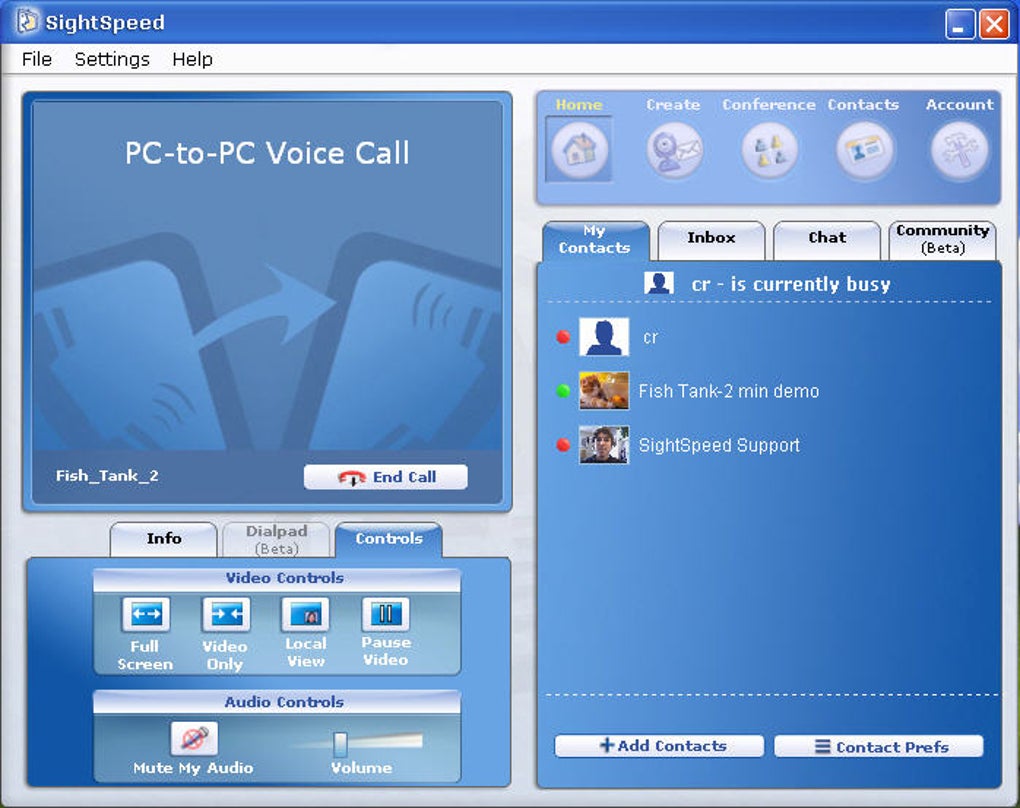
Effective online communication is inextricably linked to the underlying internet and network infrastructure. Sightspeed, as an internet phone application, was a prime example of software designed to leverage and, in some ways, push the capabilities of the internet to deliver real-time, high-fidelity interactions.
VOIP Technology: Powering Digital Voices
At its core, Sightspeed was a Voice over Internet Protocol (VOIP) application. VOIP technology enables voice and multimedia communications over Internet Protocol (IP) networks, rather than traditional public switched telephone networks (PSTN). This fundamental shift revolutionized telecommunications by making long-distance calls cheaper or even free, depending on the service, and by integrating voice communication directly into the internet’s expansive framework.
Sightspeed’s contribution to VOIP was its robust implementation, particularly for video. While many early VOIP services focused solely on audio, often struggling with call quality, Sightspeed aimed for a comprehensive multimedia experience. This involved sophisticated audio and video codecs, efficient data compression, and intelligent network management to minimize latency and packet loss – critical factors for real-time communication. The software had to expertly navigate the complexities of different network conditions, from broadband connections to more modest internet access, striving to maintain call quality across varied environments.
The architectural choices made by Sightspeed’s developers were crucial in its ability to offer “high-quality video.” This wasn’t just about sending video data; it was about managing synchronization between audio and video, dynamic adjustments to bandwidth, and error concealment techniques to ensure a smooth, natural conversation flow. For users, Sightspeed demonstrated the tangible benefits of VOIP, transforming the internet from a static information repository into a dynamic, interactive communication channel. It helped popularize the idea that your computer, connected to the internet, could be a primary communication device, blurring the lines between traditional telephony and digital interaction.
Productivity & Business Integration: Beyond Personal Chats
While often associated with personal connections, communication software plays a pivotal role in productivity, especially in a business context. The “FOR BUSINESS” section in the broader software ecosystem highlights this importance, and Sightspeed, with its focus on clear voice and video, inherently offered significant productivity enhancements.
In the mid-2000s, businesses were increasingly exploring ways to leverage the internet for operational efficiency and collaboration. Sightspeed, by providing reliable and high-quality video communication, served as an early tool for this integration. Imagine a small business with remote employees or clients across different geographies. A tool like Sightspeed offered a cost-effective alternative to expensive teleconferencing services or business travel, enabling face-to-face meetings without the logistical overhead.
For project management, instant communication, especially with video, fosters better understanding and stronger team cohesion. It allows for immediate feedback, clarification of complex issues through visual aids, and a more personal touch in remote team interactions. While Sightspeed wasn’t explicitly marketed as an enterprise solution in the same vein as modern platforms like Microsoft Teams or Slack, its foundational capabilities – reliable voice and video – were essential building blocks for business productivity. It facilitated quick decisions, reduced communication barriers, and supported a more agile work environment long before these concepts became mainstream buzzwords. The ability to quickly connect with colleagues, share ideas, and resolve problems visually could save significant time and resources, proving its worth as a productivity enhancer even for individual users managing personal projects or consulting remotely.
The Windows Ecosystem and Cross-Platform Reach
The success and widespread adoption of any software often depend on its compatibility and performance across dominant operating systems. For Sightspeed, its availability on both Windows and Mac platforms was a strategic advantage, reflecting an understanding of the diverse user environments it sought to serve.
Sightspeed for Windows: A Reliable Performer
Windows has historically been, and largely remains, the most prevalent operating system for personal computers. Therefore, developing a robust version of Sightspeed for Windows was paramount to its reach and impact. The “Sightspeed for Windows” application, available for versions like Windows 2000 and prior, demonstrated the company’s commitment to supporting a broad user base. Its stability and performance on the Windows platform were crucial for its adoption. Users expected software to integrate seamlessly with their operating system, and Sightspeed delivered a user experience that was consistent with the Windows environment of its time.
The technical specifications of Sightspeed for Windows, such as its version 5.0 and a relatively small download size of 6.00 MB, indicate a well-engineered application that was mindful of system resources. This efficiency was particularly important in the mid-2000s, when not all PCs boasted the powerful processors and abundant RAM common today. An application that could deliver high-quality video and audio without bogging down the system was highly valued.
Moreover, the availability of Sightspeed in various languages, beyond just English – including Spanish, German, French, Japanese, Korean, and many others (as indicated by the “Program available in other languages” section) – underscores a global outlook. While the specific Windows version download was initially English-only, the broader intention was to cater to an international audience, enabling users worldwide to leverage its communication capabilities in their native tongue. This cross-cultural accessibility further cemented its position as a globally relevant communication tool, leveraging the dominant Windows ecosystem to reach millions of potential users. The fact that it was “very heavily used in Indonesia, Egypt, and United States” further highlights its widespread appeal across different digital markets, largely facilitated by its reliable Windows iteration.
Security, Privacy, and User Experience in Communication
In the realm of communication software, especially those handling personal interactions like Sightspeed, security and privacy are paramount. While the provided details don’t delve into Sightspeed’s specific security protocols, its existence within the broader context of communication software inherently raises these critical considerations. The category of “Security & Privacy” within any software listing, including on PhanMemFree.org, underscores the non-negotiable importance of these aspects for users.
From a user’s perspective, when engaging in voice or video calls, there’s an expectation of confidentiality and protection against unauthorized access. For a VOIP application like Sightspeed, this would typically involve encryption of data streams (both audio and video) to prevent eavesdropping, secure authentication mechanisms to verify user identities, and robust backend infrastructure to protect user information. While the “Security Status” for Sightspeed indicates a generally safe application, the ongoing evolution of cyber threats means that security is a continuous challenge for all software developers.
Beyond explicit security features, privacy also encompasses how user data is collected, stored, and utilized. Communication apps often handle sensitive personal information, and transparent privacy policies are essential for building user trust. While Sightspeed was a trial version and from an earlier era, these principles remain foundational for any software engaging in personal communication.
The user experience (UX) of Sightspeed, beyond its core functionality, would have been influenced by its ease of installation, intuitive interface, and reliability. The fact that it achieved 5,839 downloads since 2006, with 11 installations in a recent week (as of the provided data), and maintained a user rating of 4.2 out of 5 from 7 reviews, suggests a generally positive reception regarding its functionality and user-friendliness for its time. A smooth setup process, clear controls for initiating and managing calls, and minimal technical issues would contribute significantly to user satisfaction. The option to “Report Software” also indicates a mechanism for users to contribute to the overall quality and security of applications listed on platforms like PhanMemFree.org, ensuring a community-driven approach to software integrity.
The alternative applications listed – WhatsApp, Microsoft Teams, Telegram, Zoom Meetings, and Skype – highlight the competitive and rapidly evolving nature of the communication software market. These modern applications have built upon the foundations laid by earlier innovators like Sightspeed, incorporating advanced security features, end-to-end encryption, and comprehensive privacy controls as standard expectations. Sightspeed, in its time, contributed to setting the bar for what users could expect from high-quality, real-time online communication, emphasizing clarity and connection at a pivotal moment in internet history.
In conclusion, Sightspeed, though a product of the mid-2000s, represented a significant stride forward in digital communication. By prioritizing high-quality video within its VOIP framework, it offered users an immersive and engaging way to connect across distances. Its multiplatform availability, efficient design, and global reach underscored its ambition and success in a rapidly evolving technological landscape. As a precursor to today’s ubiquitous video conferencing and messaging apps, Sightspeed’s legacy lies in its contribution to normalizing and refining the experience of seeing and hearing loved ones, colleagues, and friends, transforming the internet into a truly personal and dynamic communication medium, readily accessible on platforms like PhanMemFree.org.
File Information
- License: “Trial version”
- Version: “5.0”
- Latest update: “August 22, 2006”
- Platform: “Windows”
- OS: “Windows 2000”
- Language: “English”
- Downloads: “6.6K”
- Size: “6.00 MB”


