
The Silent Hill franchise, a cornerstone of survival horror gaming, has captivated players for decades with its chilling atmosphere, unsettling puzzles, and deeply unsettling narrative themes. Created by Team Silent, a development group within Konami, the series transcends typical jump scares, instead focusing on a slow burn of psychological dread, leaving a lasting impression long after the credits roll. The games’ common thread is the enigmatic town of Silent Hill itself, a seemingly ordinary place that morphs into a nightmarish hellscape, reflecting the inner turmoil of its inhabitants and visitors alike. This essay will explore the key elements that define the Silent Hill experience, analyzing its gameplay mechanics, narrative structure, and lasting impact on the horror genre.
The Eerie Atmosphere and Shifting Realities of Silent Hill
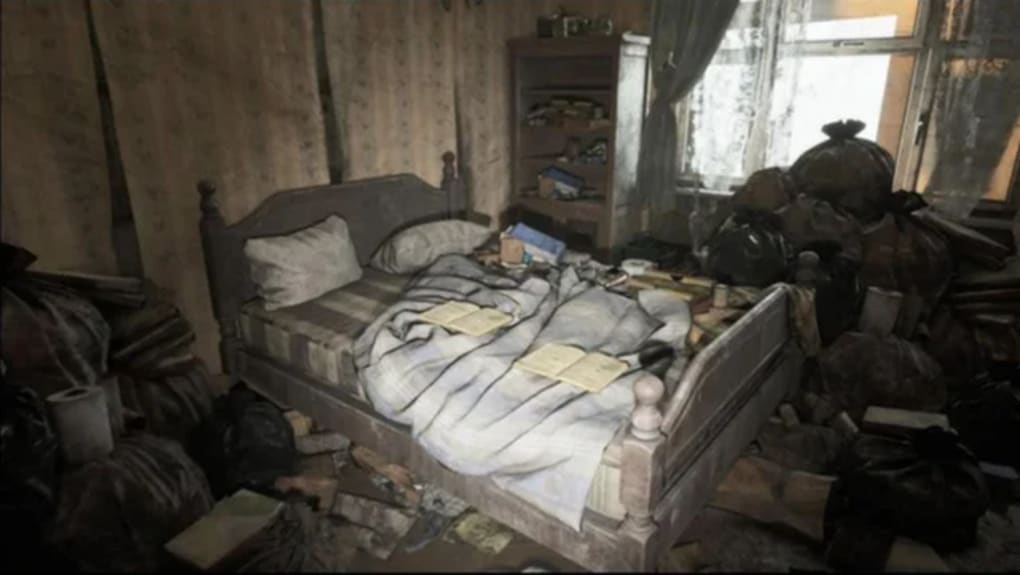
The heart of Silent Hill lies in its meticulously crafted atmosphere. The town itself is a character, shifting between a seemingly normal, if dilapidated, American town and a nightmarish alternate reality often referred to as “the Otherworld.” This transition isn’t abrupt; it’s gradual, unsettling, and deeply symbolic, often mirroring the psychological state of the protagonist. Buildings warp, fog thickens, and familiar streets become labyrinthine corridors filled with grotesque creatures born from the town’s collective subconscious. This constant state of flux creates a pervasive sense of unease, forcing the player to question the reality they’re experiencing.
The visual design plays a crucial role in establishing this unnerving atmosphere. The use of muted colours, heavy fog, and unsettling lighting creates a visual palette that perfectly complements the game’s psychological horror. The creatures encountered aren’t simply grotesque; they are often disturbingly symbolic, visually representing the psychological traumas and repressed memories of the characters. The design of these creatures ranges from nightmarish to surreal, with their appearance often tied directly to the protagonist’s internal struggles and the town’s dark history.
Sound design is equally important in creating Silent Hill’s oppressive atmosphere. The constant, low hum of the town, punctuated by unsettling sounds and chilling musical cues, builds a relentless sense of tension. Radio static, creaking doors, and the distant cries of unseen creatures all contribute to the overall sense of dread and isolation that permeates the games. The music, often melancholic and unsettling, perfectly captures the emotional weight of the narrative and enhances the feeling of being trapped in a nightmarish world.
Gameplay: A Blend of Exploration, Puzzle Solving, and Limited Combat
Gameplay in Silent Hill isn’t solely focused on action; it’s a careful balance of exploration, puzzle-solving, and resource management, with combat serving as a necessary, but often undesirable, component. Players are usually armed with a limited arsenal of melee and ranged weapons, and ammunition is scarce. This scarcity forces the player to prioritize stealth and avoidance over direct confrontation, emphasizing the vulnerability of the protagonist and heightening the sense of dread. The combat itself is often clunky and unforgiving, further reinforcing the feeling of being hopelessly outmatched. This deliberate choice underscores the game’s focus on psychological horror rather than action-oriented thrills.
Exploration is key to uncovering the mysteries of Silent Hill. The town’s environments are deliberately designed to be disorienting and maze-like, mirroring the mental state of the characters. Players must carefully explore each location, searching for clues, interacting with objects, and solving environmental puzzles to progress. The puzzles themselves are often cryptic and unsettling, requiring players to think outside the box and to pay close attention to details, often drawing upon clues hidden within the narrative and environment. These puzzles aren’t just gameplay obstacles; they’re integral to the narrative, unraveling the town’s secrets and the protagonist’s past.
The narrative itself is often fragmented and presented through environmental storytelling, requiring players to actively piece together the story through clues, notes, and cryptic messages scattered throughout the environment. The game avoids explicit exposition, allowing players to draw their own conclusions and interpretations, adding to the overall sense of mystery and unease.
Narrative and Themes: Delving into Psychological Trauma and Guilt
The Silent Hill series consistently tackles mature and unsettling themes, primarily focusing on psychological trauma, guilt, and the consequences of repressed memories. Each game features a protagonist grappling with their past, and the town of Silent Hill itself acts as a manifestation of their inner turmoil. The monsters encountered often represent these internal struggles, embodying repressed fears and guilt. The narrative isn’t simply about survival; it’s a journey into the darkest corners of the human psyche.
The games often explore the impact of trauma on individuals and the ways in which unresolved psychological issues can manifest in disturbing ways. The narrative often utilizes symbolism and allegory to convey these complex themes, leaving much to the player’s interpretation and contributing to the lasting impact of the game. The ambiguity of the narrative allows for multiple interpretations and encourages players to engage with the game on a deeper level, reflecting on the themes long after the completion of the game.
The narrative structure of each game often involves solving puzzles to uncover secrets, navigating disturbing environments, and confronting manifestations of the protagonist’s past. The use of flashbacks, cryptic messages, and fragmented memories creates a non-linear narrative experience that gradually unravels the story while building tension and suspense. The emotional weight of the narrative is often further amplified by the game’s unsettling atmosphere and disturbing imagery, leaving a lasting impression on the player.
The Legacy of Silent Hill: Enduring Influence on Horror Gaming
The Silent Hill series has had a profound and lasting impact on the horror genre. Its unique blend of psychological horror, atmospheric design, and unsettling narrative has inspired countless games and continues to influence modern horror titles. The series’ emphasis on psychological horror, rather than relying solely on jump scares, has set a new standard for the genre. The innovative use of sound design, visual aesthetics, and symbolic imagery has helped shape the direction of survival horror gaming.
Its focus on psychological torment, rather than simply physical threats, elevated horror games beyond simple jump scares and creature encounters. The use of environmental storytelling and cryptic puzzles also greatly influenced game design, emphasizing player interaction with the environment and narrative as pivotal to the game experience. Even today, many horror games incorporate similar elements, showcasing the enduring legacy of Silent Hill’s innovative approach to storytelling and gameplay. The enduring popularity of the series is a testament to its unique atmosphere, gripping narrative, and the chilling impact it has had on players worldwide. The Silent Hill franchise remains a significant cultural touchstone in the gaming world, leaving an indelible mark on the horror genre and the players who have braved its nightmarish streets.
File Information
- License: “Full”
- Version: “1.0”
- Latest update: “February 9, 2023”
- Platform: “Windows”
- OS: “Windows 7”
- Language: “English”
- Downloads: “8.9K”
- Size: “418.36 MB”


![[Bober Bros] It's Just a Prank: A Deep Dive into Slavic Horror](https://phanmemfree.org/images/download-bober-bros-its-just-a-prank.webp?v=d9ff4a202efcd5d76f66579716b3686a)


