
SimCity 2000, a groundbreaking title from Will Wright and Fred Haslam, remains a beloved classic in the city-building simulation genre. Released in 1993 as the successor to the original SimCity, this installment marked a significant leap forward, transitioning from a top-down perspective to an isometric view, creating a more immersive and three-dimensional experience. This shift in perspective, coupled with enhanced gameplay mechanics and vibrant visuals, solidified SimCity 2000’s position as a blueprint for future urban simulators.
The core gameplay loop revolves around establishing and managing a thriving city. Players assume the role of mayor, wielding considerable power to shape their urban landscape. The objective isn’t merely to build a large city, but to construct a balanced, prosperous, and environmentally sustainable one. This requires careful consideration of various factors and a delicate balancing act between different city sectors.
Mastering the Art of Urban Planning
SimCity 2000 challenges players to strategically plan and develop residential, commercial, and industrial zones. The game rewards thoughtful placement and efficient infrastructure development. Providing essential services such as electricity, water, and sanitation is crucial for maintaining a happy and productive populace. A well-functioning city translates to higher tax revenues, fueling further growth and expansion. However, prosperity doesn’t guarantee tranquility. Crime can plague even the most successful cities, necessitating the strategic placement of police stations to deter criminal activity and maintain public order.
The game’s simulation elements are remarkably detailed for its time. The city’s economy is dynamically responsive to player actions. Successful urban planning leads to a booming economy, attracting new residents and businesses. Conversely, neglecting essential services or mismanaging resources can lead to declining populations, economic downturns, and ultimately, bankruptcy, resulting in a “game over” scenario. The challenge lies in anticipating and reacting to the ever-changing needs of the city and its citizens.
Balancing Act: Economy, Environment, and Social Well-being
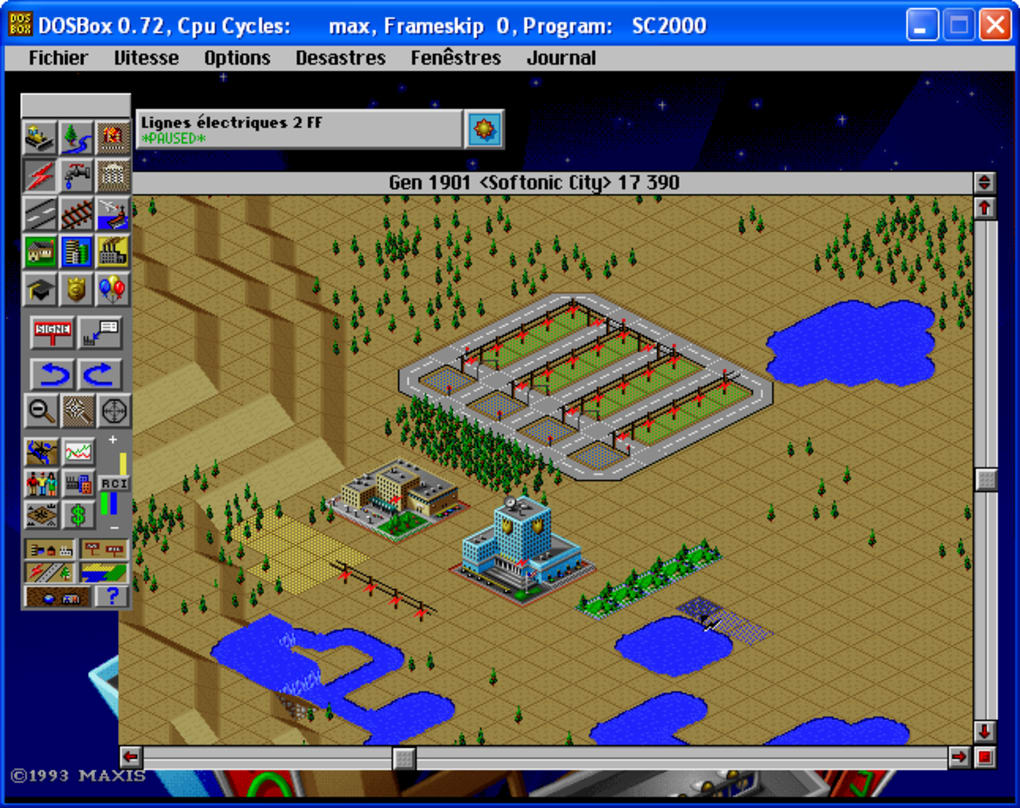
The success of a SimCity 2000 city isn’t solely determined by economic prosperity. Environmental factors play a crucial role. Pollution, a consequence of industrial activity, can negatively impact the health and well-being of residents, reducing their productivity and overall happiness. Players must carefully manage industrial development, balancing economic growth with environmental protection. This might involve strategically placing industrial zones away from residential areas, investing in pollution control technologies, or implementing zoning regulations to minimize environmental impact.
Social well-being is another key element. A happy populace is a productive populace. Factors such as access to essential services, adequate housing, low crime rates, and a clean environment significantly influence the overall quality of life. Players must constantly monitor these factors and adjust their urban planning strategies to ensure a high quality of life for their citizens. Ignoring these aspects can lead to social unrest, population decline, and ultimately, the downfall of the city.
Gameplay Mechanics and Limitations
While SimCity 2000 offered a revolutionary level of detail and realism for its time, certain limitations were present. Unlike some later city-building simulations, the game didn’t allow for the construction of subways or the management of complex underground infrastructure like sewer systems. The terrain was also simplified, lacking the topographical complexity of later titles; the landmass presented a flattened plane, eliminating the challenges of building on hills or valleys. This simplification, while limiting in terms of realism, allowed for a more streamlined and accessible gameplay experience, particularly for players new to the genre.
Despite these limitations, SimCity 2000 provided a broad range of structures and options for city development. Players could construct a vast array of buildings, from residential housing and commercial centers to industrial plants and civic infrastructure, offering ample opportunity for creative city design and experimentation. The game encouraged players to find creative solutions within the constraints, fostering strategic thinking and innovative urban planning.
A Lasting Legacy: Influence on the Genre

SimCity 2000’s impact on the city-building simulation genre is undeniable. Its isometric perspective, improved user interface, dynamic gameplay, and engaging soundtrack set a new standard. The game’s intuitive controls and accessible mechanics made city building accessible to a wider audience. The detailed simulation of economic, environmental, and social factors provided a level of depth rarely seen in games of its era.
The game’s open-ended nature also contributed to its lasting appeal. There’s no single “correct” way to build a city. Players could experiment with different strategies, create unique urban landscapes, and experience diverse outcomes based on their choices. This flexibility fostered replayability and encouraged creative problem-solving. While modern city-building games offer greater graphical fidelity and more complex features, SimCity 2000’s core mechanics and design principles continue to influence the genre.
SimCity 2000: Then and Now
While the graphics and interface might appear dated by today’s standards, the core gameplay remains remarkably engaging. The challenge of building and managing a thriving city, balancing competing interests, and reacting to unforeseen events is as compelling now as it was upon its release. The game’s simplicity allows players to focus on the strategic aspects of urban planning, without being bogged down by overly complex mechanics.
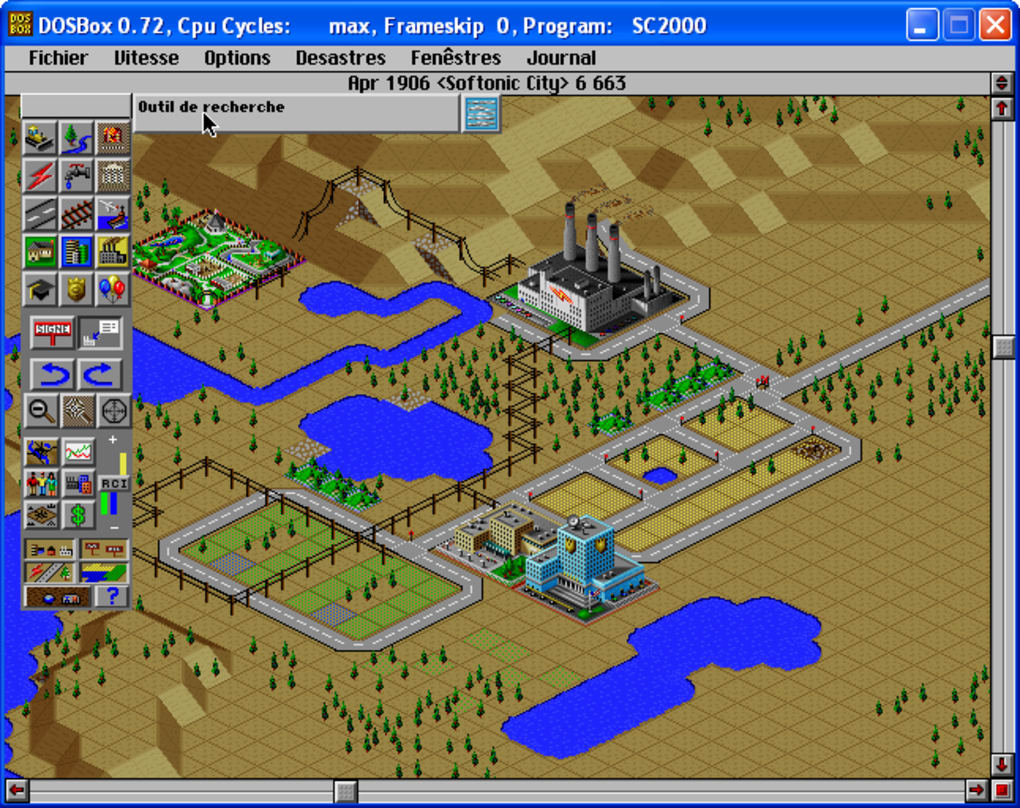
For players seeking a nostalgic trip back to the golden age of PC gaming, or for newcomers wanting to experience a classic that laid the foundation for modern city-building simulations, SimCity 2000 offers a rewarding and enduring experience. Its enduring popularity is a testament to its innovative design, engaging gameplay, and the timeless appeal of creating and shaping a virtual world.
Pros and Cons: A Balanced Perspective
Pros:
- Vibrant and detailed 3D graphics (for its time): The isometric perspective and detailed visuals offered a significant improvement over its predecessor, creating a more engaging and immersive experience.
- Open-ended, simulated gameplay: The game’s open-ended nature allows for a high degree of player freedom and creative expression in urban planning.
- Dynamic outcomes based on city design: The game’s simulation engine responds dynamically to player choices, leading to diverse and unpredictable outcomes, fostering replayability.
- Simple yet effective gameplay mechanics: The game’s mechanics are easy to learn, yet offer considerable depth and strategic challenge.
Cons:
- Dated graphics and interface: The game’s visuals and interface are clearly a product of its era, which may not appeal to players accustomed to modern game aesthetics.
- Limited modes of travel: The absence of subways and other advanced transportation systems limits the complexity of urban planning.
- Limited land mass: The flattened terrain restricts the possibilities for creative land use and topographical challenges.
In conclusion, SimCity 2000, despite its age, remains a significant and influential title in the city-building simulation genre. Its innovative design, engaging gameplay, and lasting legacy make it a worthwhile experience for both nostalgic veterans and newcomers alike. The simplicity of its mechanics, balanced against the complexity of its underlying simulation, ensures that the challenge of building and managing a successful city remains consistently engaging, even decades after its initial release.
File Information
- License: “Free”
- Latest update: “June 11, 2025”
- Platform: “Windows”
- OS: “Windows 8”
- Language: “French”
- Downloads: “24.4K”
- Size: “2.58 MB”


